






The Ultimate Beginners Guide to Reclamation Reclaim the World
The Ultimate Beginner’s Guide to the Reclamation Modpack for Minecraft
The Reclamation modpack for Minecraft throws you into a harsh, barren wasteland with no ores, no trees, and no easy path forward. Everything you need — dirt, iron, grass — must be crafted through alchemy, careful farming, and resource scavenging. This guide walks you through every major step, from your very first punch of a dead log all the way to growing real grass and completing the A Whiff of Normal chapter. Follow along and you’ll have a solid foundation to tackle the rest of the pack.
Understanding the Reclamation World
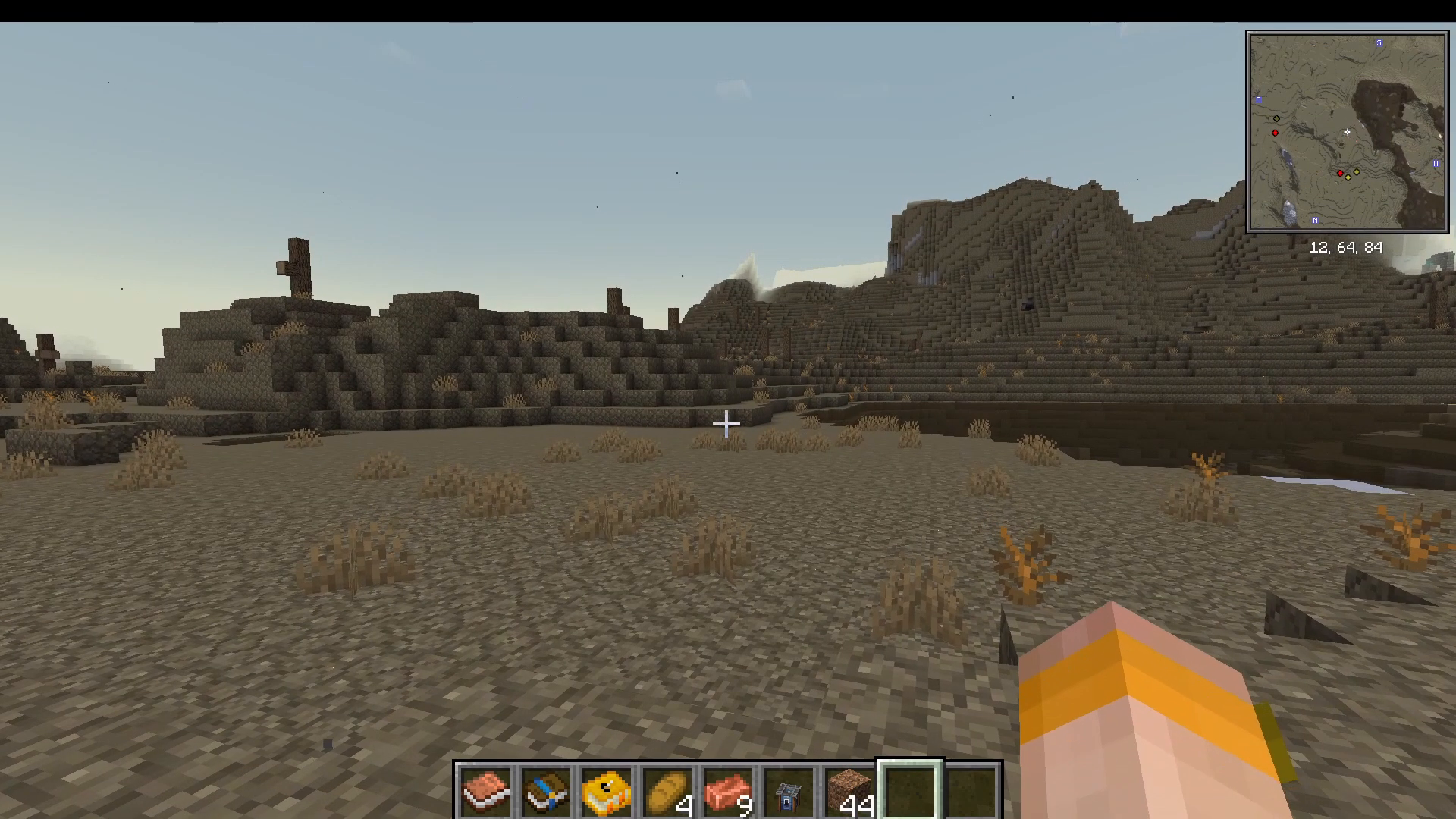
When you first spawn in, you’ll find yourself in a baron wasteland. The world looks radically different from vanilla Minecraft, and it’s important to understand the key changes before you do anything else.
What’s Different in This World
No underground ores. There is absolutely no ore mining in Reclamation. Stone still generates, but there are zero ore deposits underground.
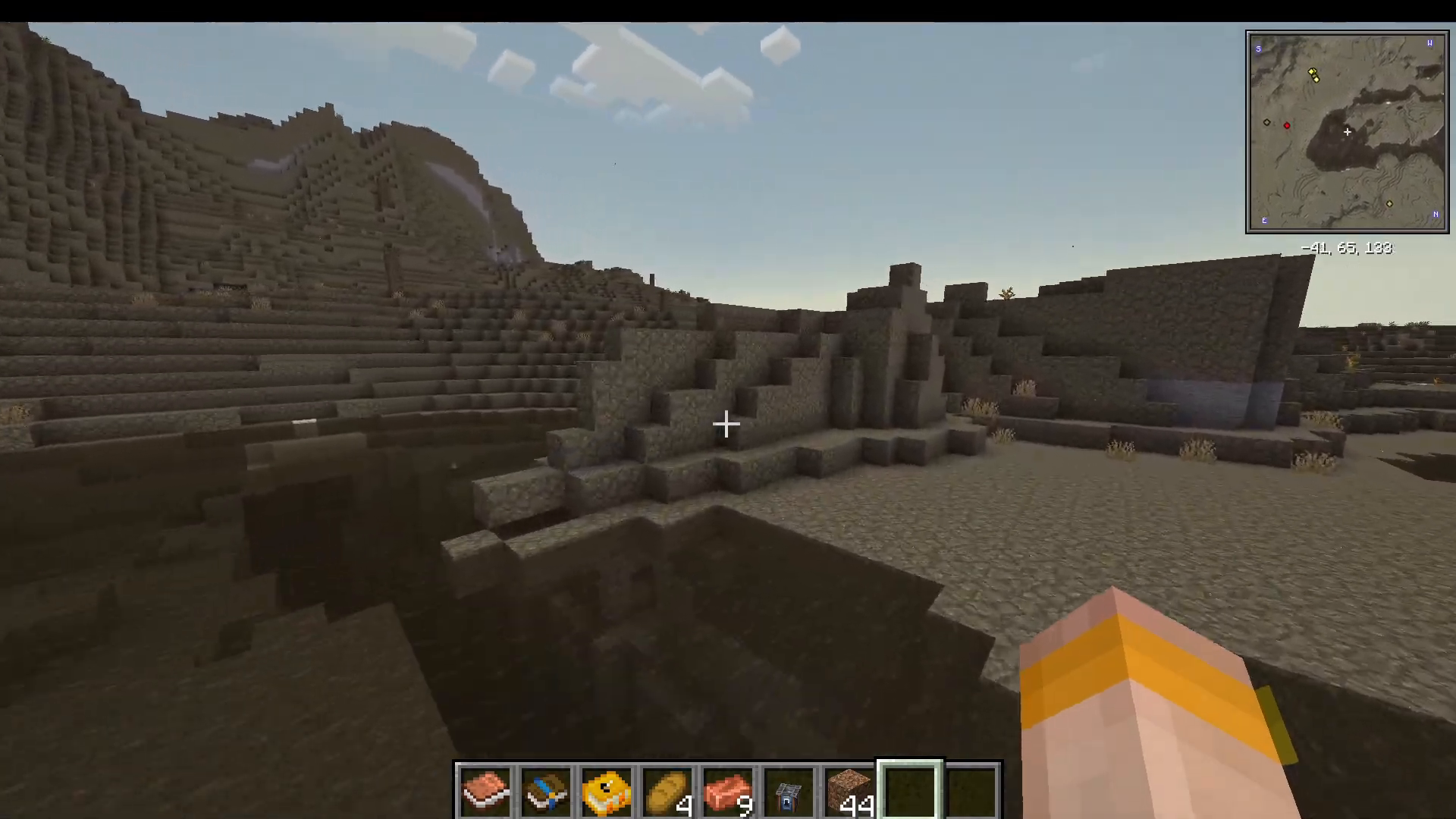
Lakes are your lifeline. Fish are your primary early-game food source. You can also collect clay, sand, and gravel from the lake beds — these are critical materials.
Only dead logs exist. The only trees you’ll see are dead logs. There are no living trees at the start.
Modified mob spawns. Zombie villages and witches do not spawn. Spiders are replaced by venomous cave spiders. At night, watch out for Endermen, husks, creepers, and cave spiders.
Getting a Fishing Rod and Early Food
In your quest book, find the quest called Fishy Friends. Click the checkmark to claim a free fishing rod. Use it in rivers and lakes to catch fish — this is your most reliable early food source. You can also cook fish in a furnace later to get extra resources from them.
How to Make a Bed (or Sleeping Bag)
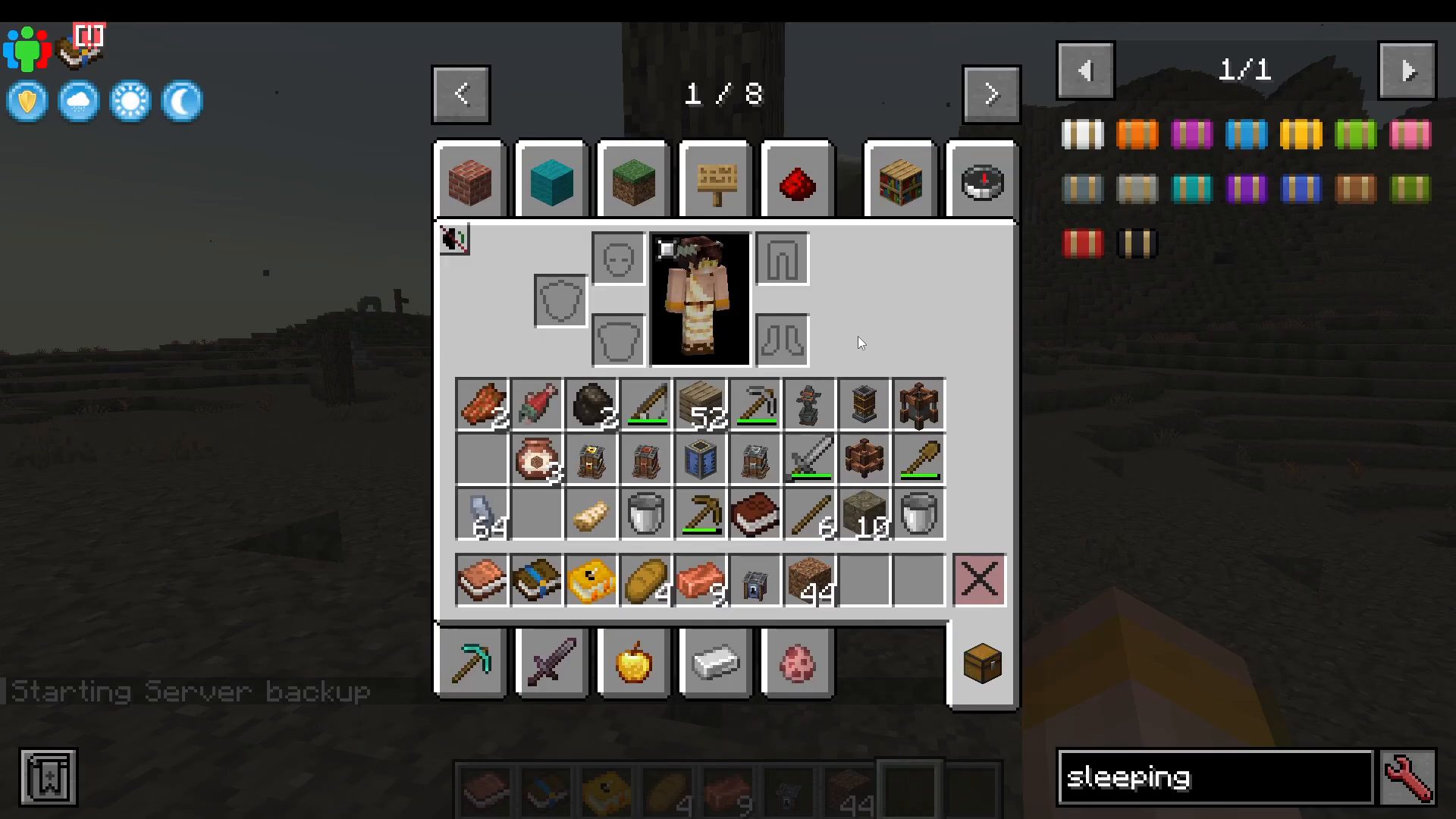
You cannot make a standard bed without wool, and there are no sheep. Instead, collect string dropped by cave spiders and craft four string into one wool block. Alternatively, craft a sleeping bag, which requires only three wool and no wood at all. Place the sleeping bag anywhere to sleep through the night — but be aware it does not reset your spawn point.
Early Game: Wood, Stone, and Copper
Your very first task mirrors a normal Minecraft playthrough, but with a twist — every material behaves slightly differently here.
Processing Dead Logs into Usable Wood
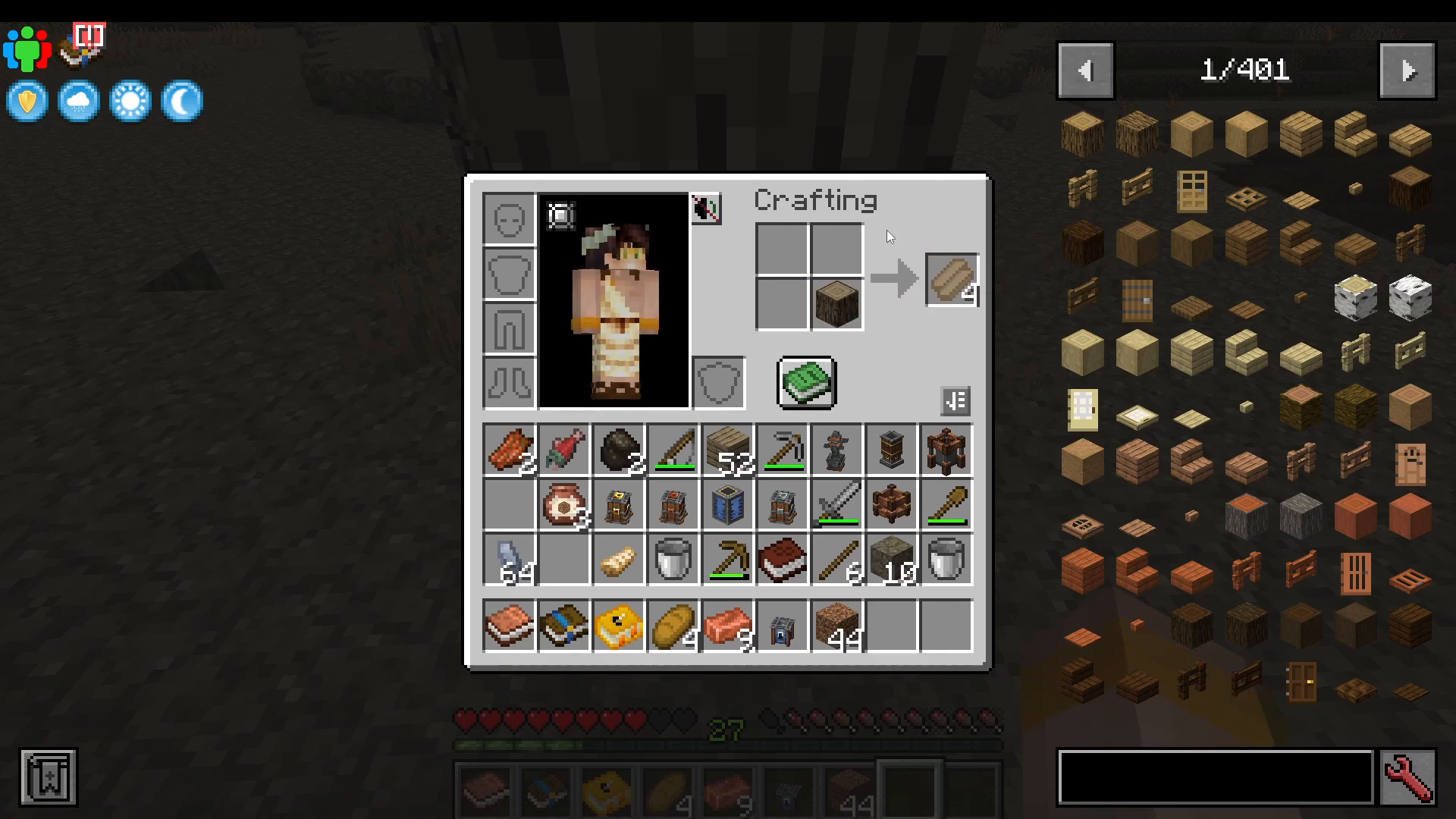
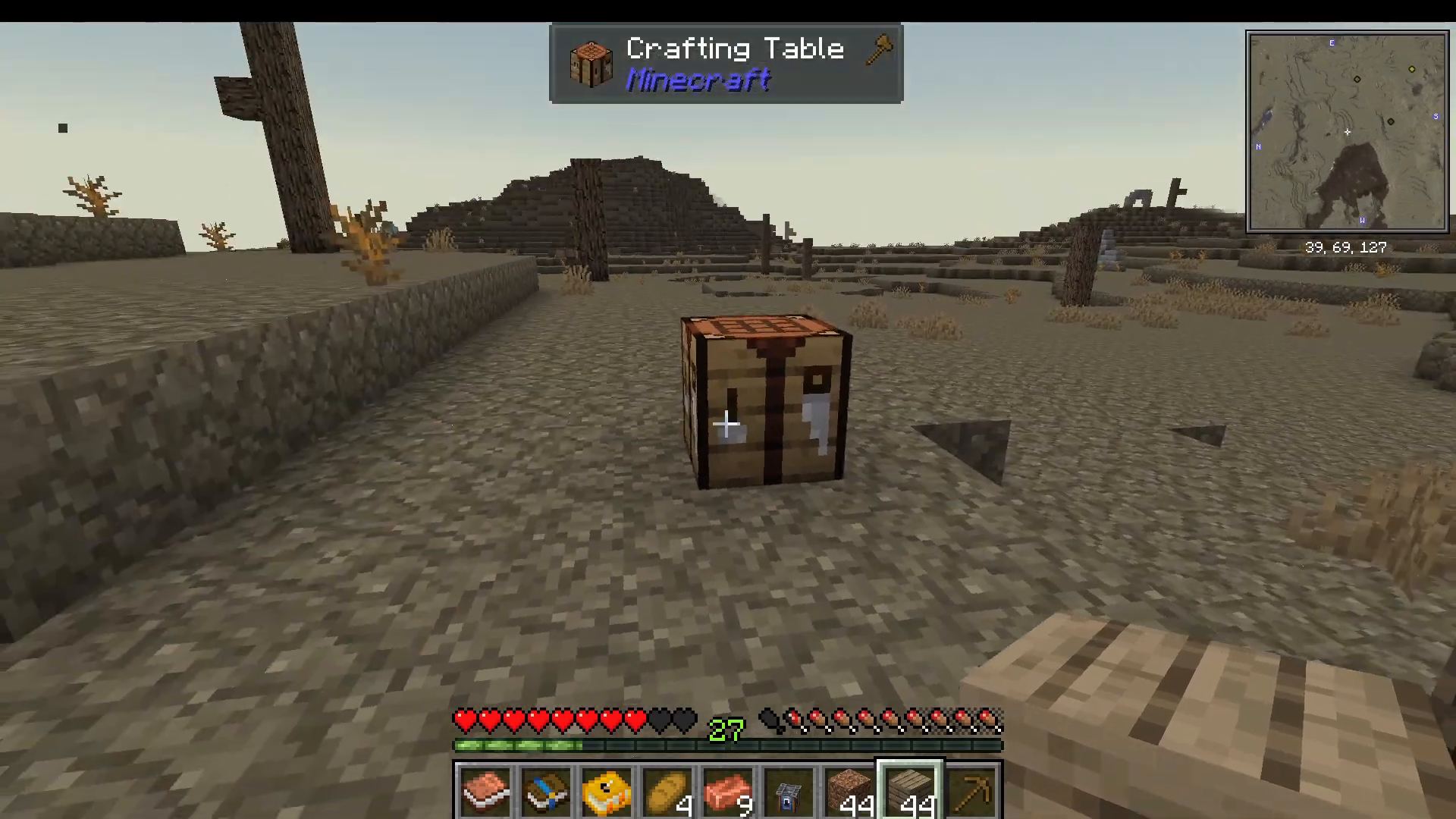
Start by punching dead logs to collect them. Open your inventory crafting grid and convert dead logs into scrap wood. Then craft four scrap wood into one flimsy plank. Use flimsy planks to craft a crafting table, then craft sticks as normal. From there, make a wooden pickaxe and head to a mountainside or dig down to mine stone.
Making a Stone Pickaxe
Once you have stone, craft a stone pickaxe. This is required for the next critical step — mining oxidized cut copper from ruins.
Finding Ruins and Collecting Copper
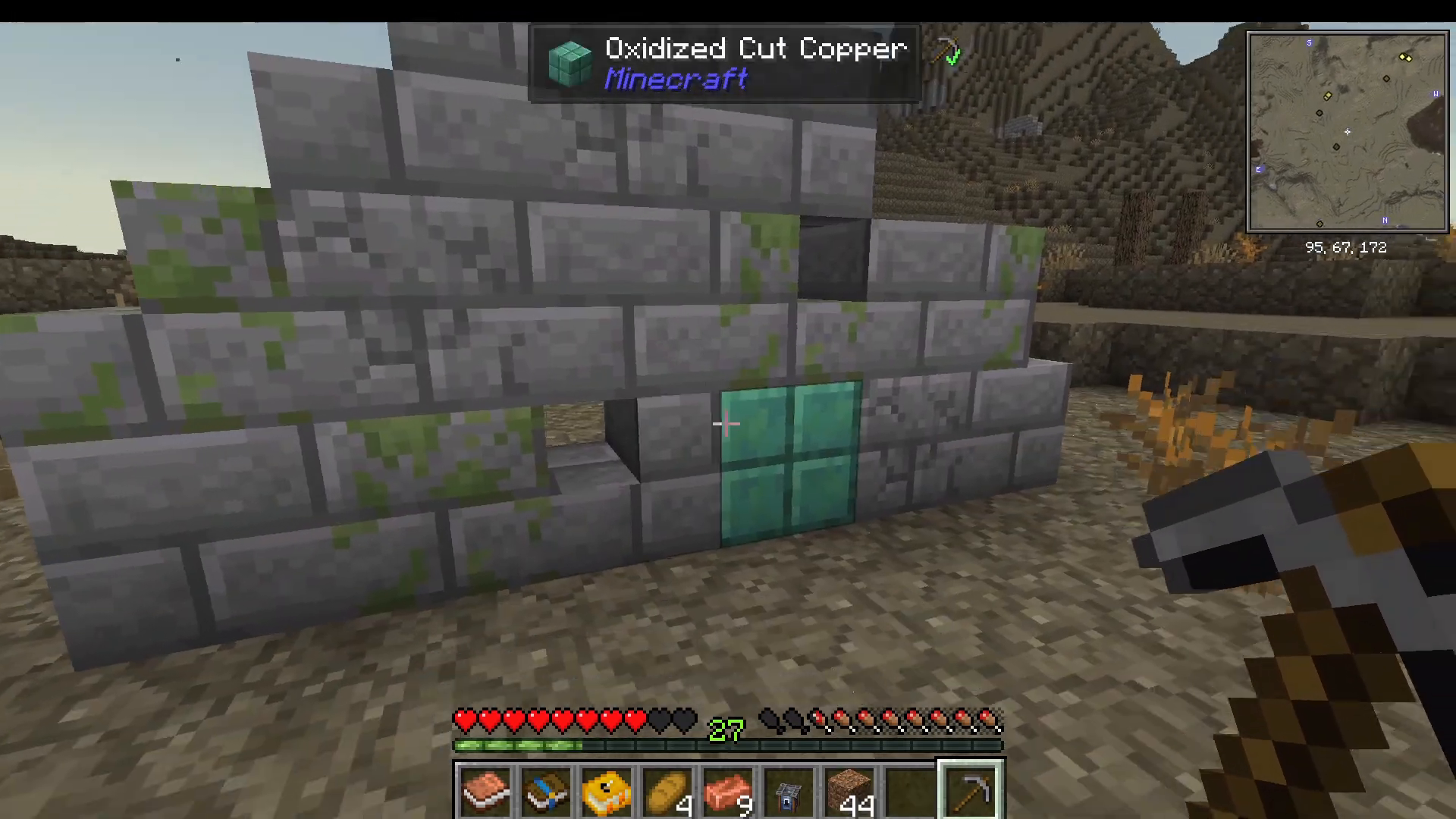
Ruins are scattered heavily across the world — you’ll spot them on hillsides and across the landscape. Inside these ruins, look for oxidized cut copper. Mine it with your stone pickaxe, then place it on the ground. Right-click it with an axe to de-oxidize it back to normal cut copper. Mine it again to pick it up.
Crafting a Cutting Board and Getting Copper Ingots
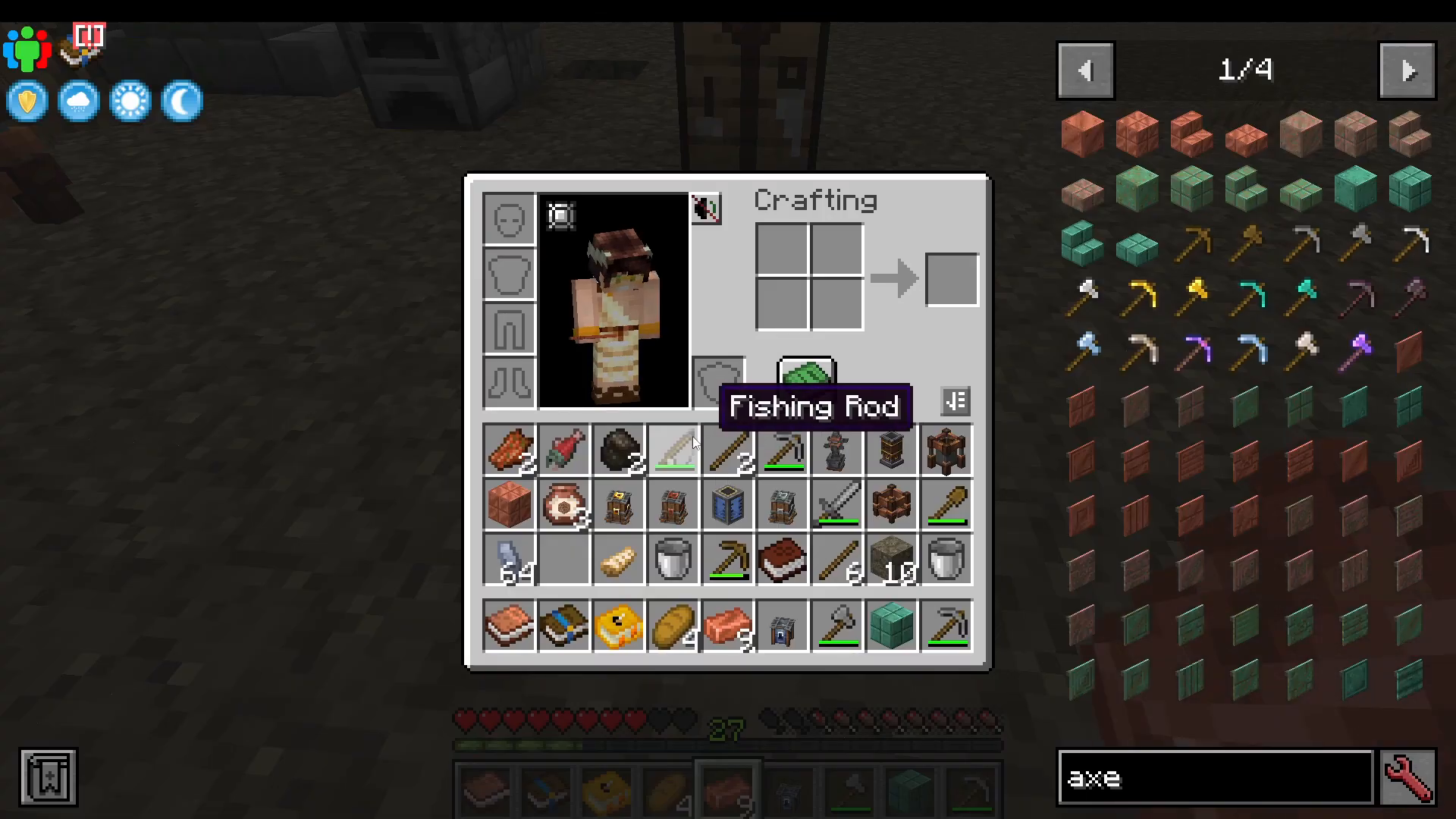
Craft a cutting board using your cut copper. Place the cutting board down, right-click your cut copper onto it, and then right-click the copper on the board with your pickaxe. This produces copper ingots — one of your most important early resources alongside wood.
Making a Furnace and Getting Charcoal
With stone and copper, you can now craft a furnace. Place your dead logs into the furnace to produce charcoal. Note that harvesting dead logs also has a small random chance of dropping charcoal directly. Dead bushes can occasionally drop sticks as well. Charcoal will power all of your Ferji alchemy setups going forward.
Temporary Shelter
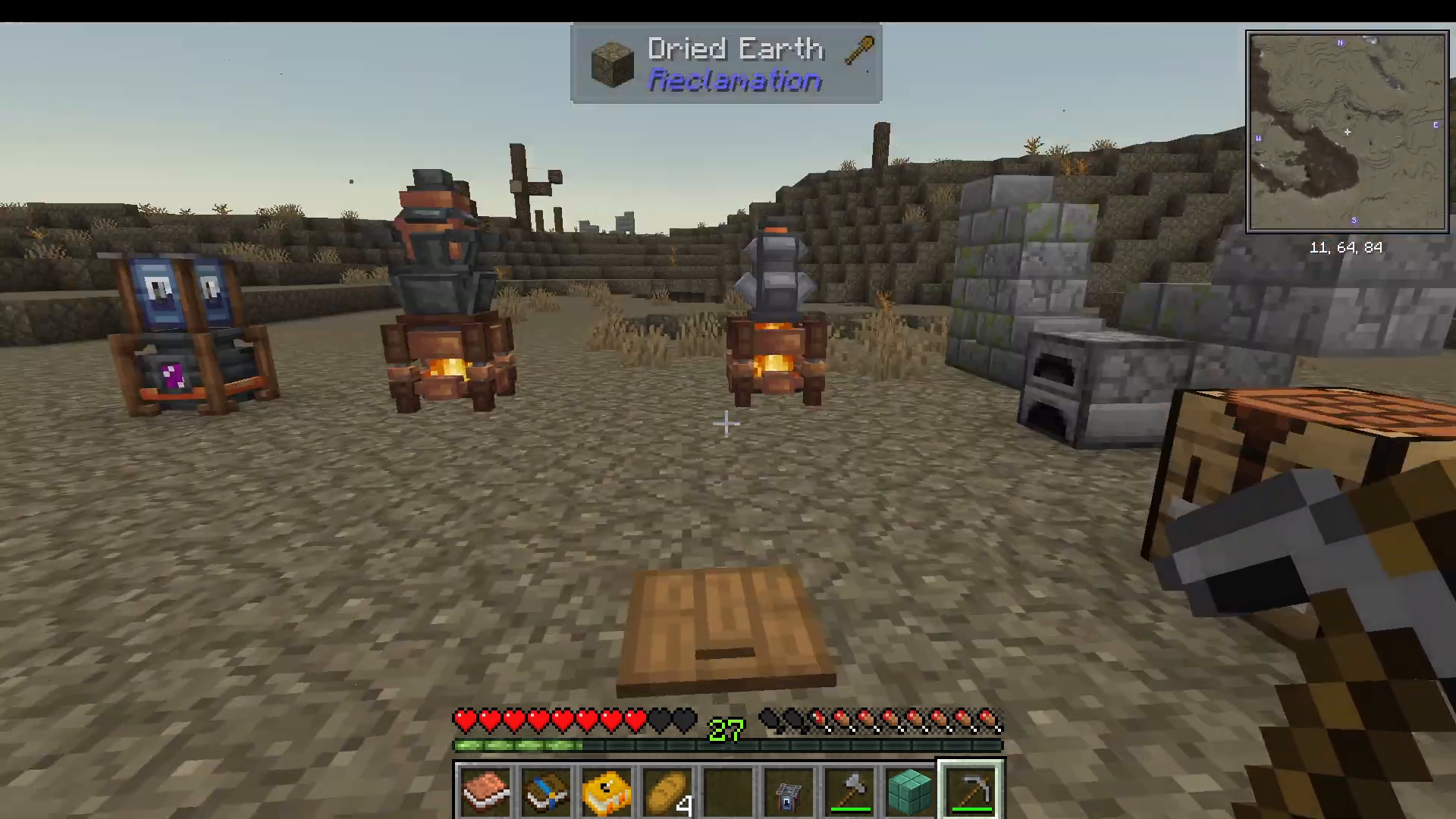
You can craft a flimsy door using your scrap wood. It will break periodically, but it is enough to keep monsters out at night while you get established. Consider sheltering inside a hillside or digging into dried earth for your first night.
Ferji Alchemy: Making Dirt from Scratch
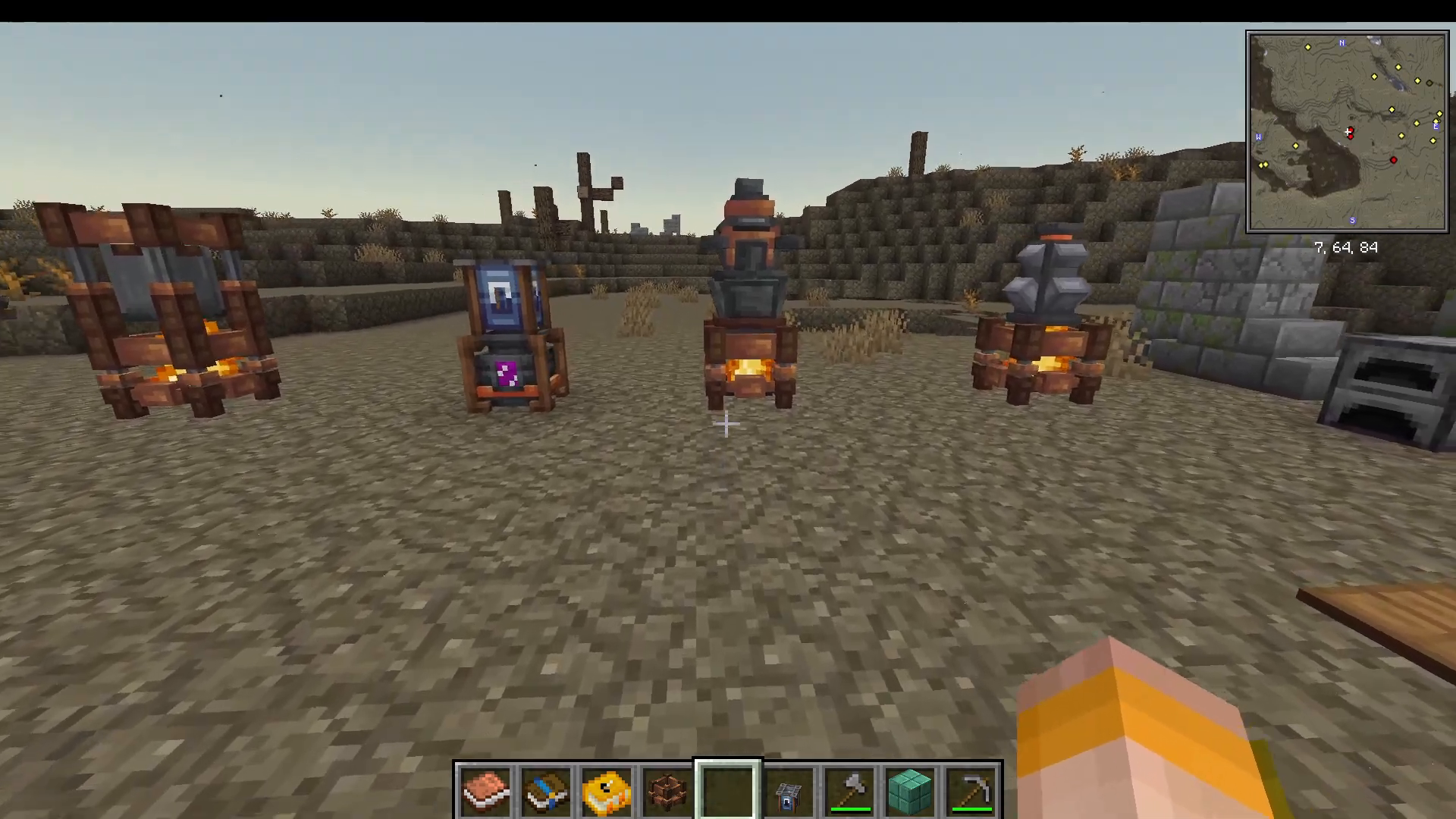
The world only has dried earth — no real dirt exists. To grow anything, you need to create dirt through a multi-step Ferji alchemy process. This is the core challenge of Reclamation’s prologue quest chain. You’ll need four Pyromantic Braziers, each topped with a different alchemical device. Set them all up before you begin.
Step 1 – Calcination Oven: Making Alchemical Salt (Strata)
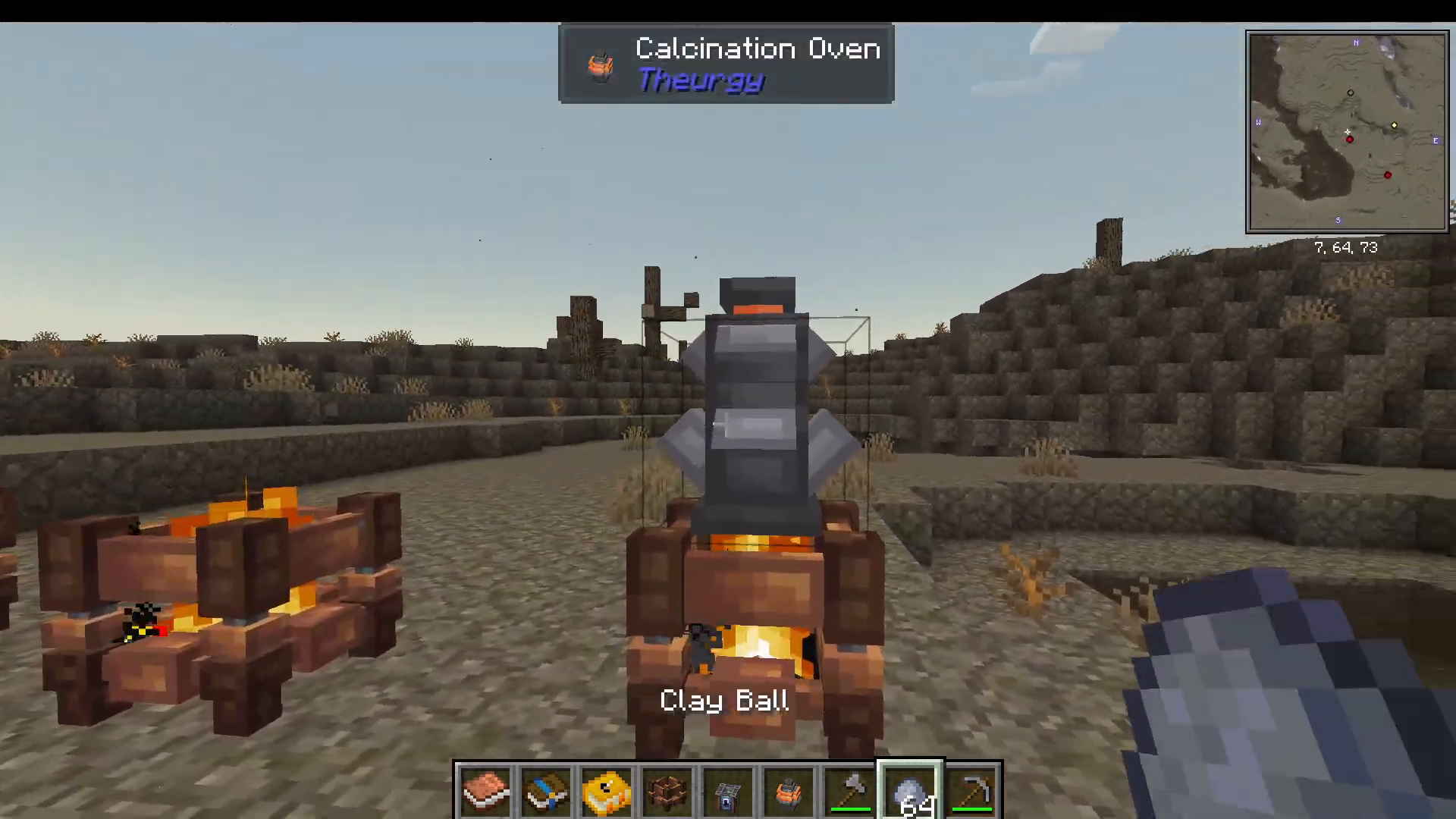
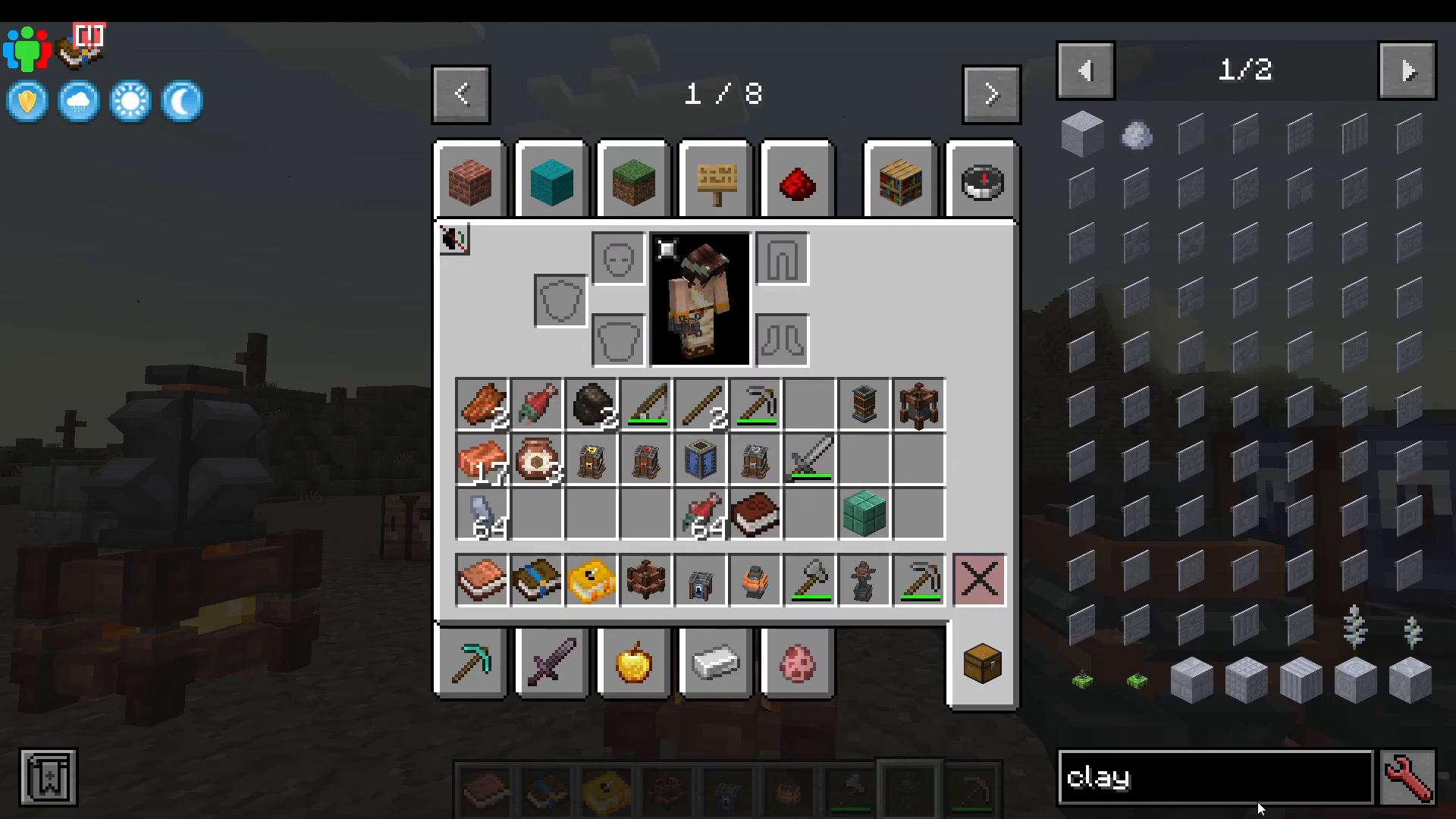
Place a Pyromantic Brazier and fill it with charcoal to heat it. On top, place a Calcination Oven. In Ferji, salts are divided into three categories: strata, minerals, and crops. For strata salt, you need materials like clay, gravel, or sand — all of which you can mine from the lake beds. Right-click clay (or another strata material) into the calcination oven. You’ll see Alchemical Salt Strata begin to appear at the top of your screen. Right-click the oven to collect it.
Step 2 – Mercury Distiller: Making Mercury
On a second Brazier, place a Mercury Distiller. Press U while hovering over it to see which items can create mercury via alchemical distillation. Your options include:
10 stone → 1 mercury
15 gravel → 1 mercury
8 sand → 1 mercury
1 copper ingot → 1 mercury
Raw fish → 2 mercury
Cooked fish → 2 mercury
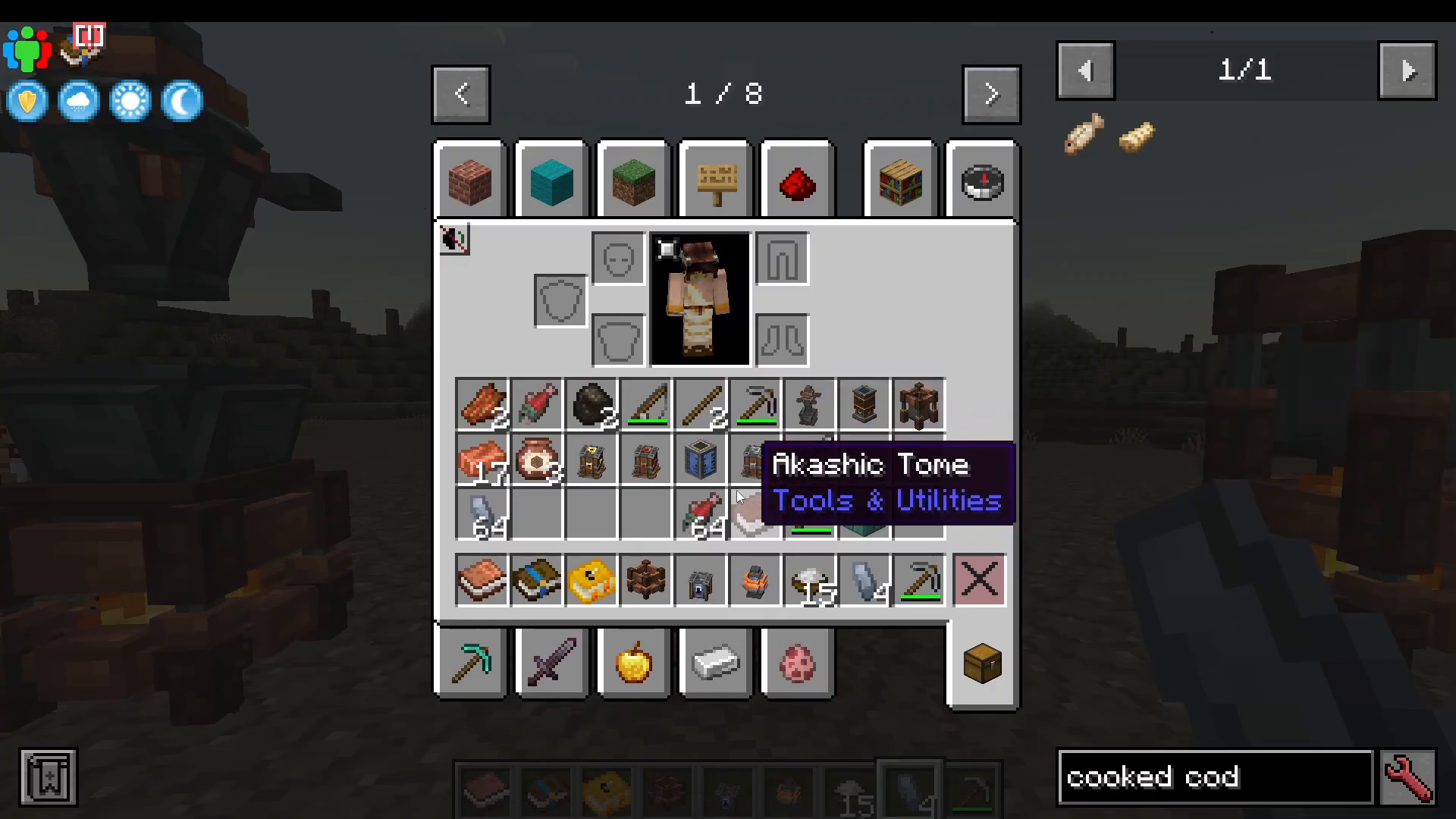
The most efficient early option is cooked cod. Cook the fish you catch in your furnace, then right-click cooked cod into the Mercury Distiller. After a short time, mercury will appear. Right-click the distiller to collect it.
Step 3 – Sal Ammoniac Tank and Accumulator: Making Sal Ammoniac
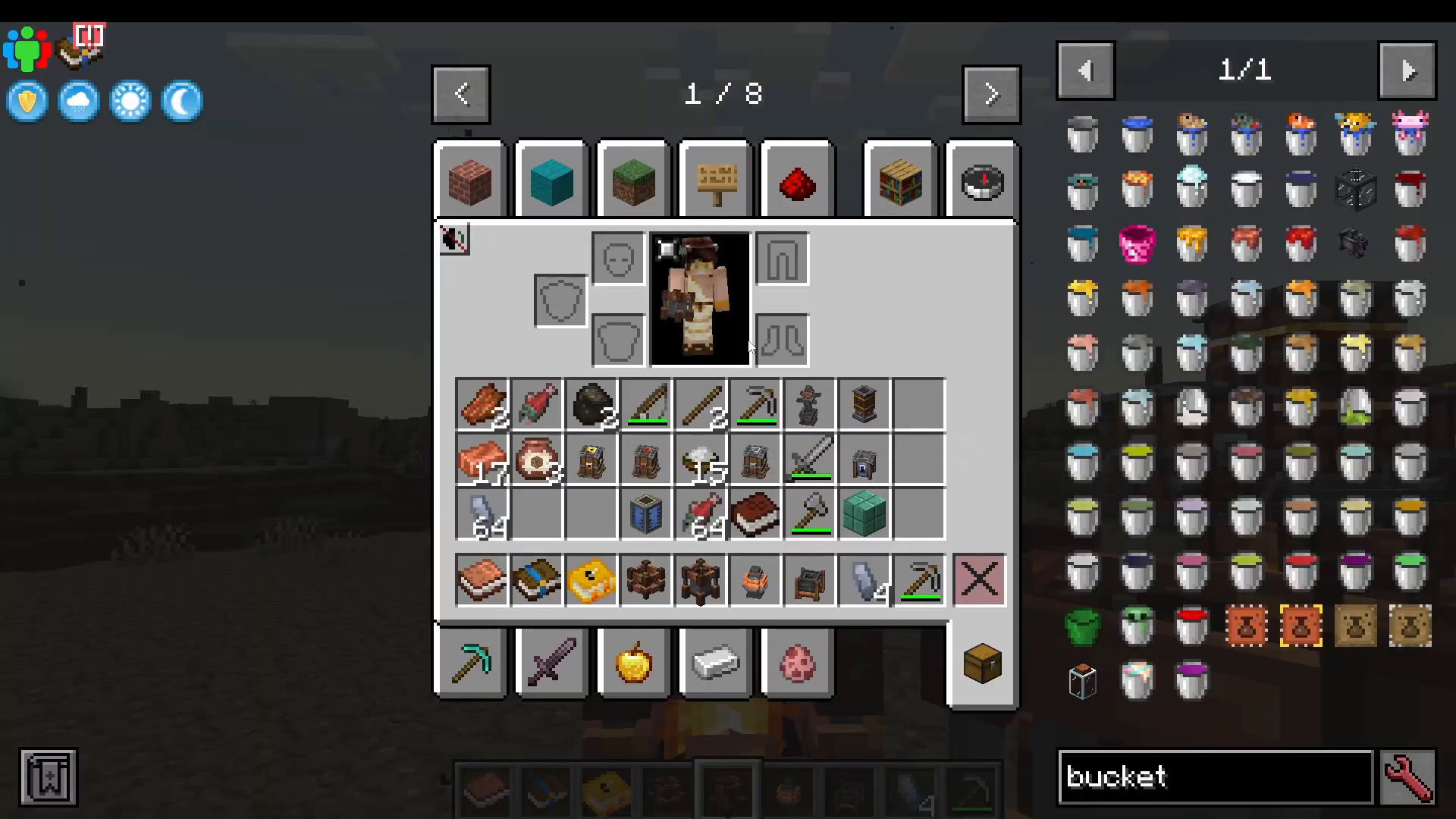
Place a Sal Ammoniac Tank on the ground. Stack a Sal Ammoniac Accumulator directly on top of it. Fill the accumulator with buckets of water. To craft a bucket, you need copper and Camonite Blend, which is crafted from clay and sand. Sal Ammoniac will slowly accumulate in the tank below. You’ll use this fluid in the next step.
Step 4 – Liquefaction Cauldron: Making Alchemical Sulfur Dirt
On a third Brazier with charcoal, place a Liquefaction Cauldron. Once you have enough Sal Ammoniac, right-click a bucket to extract it from the tank, then right-click that bucket into the Liquefaction Cauldron. Next, right-click dried earth into the cauldron as well. The output will be Alchemical Sulfur Dirt. Right-click the cauldron to collect it.
Step 5 – Incubator: Combining Salt, Sulfur, and Mercury into Dirt
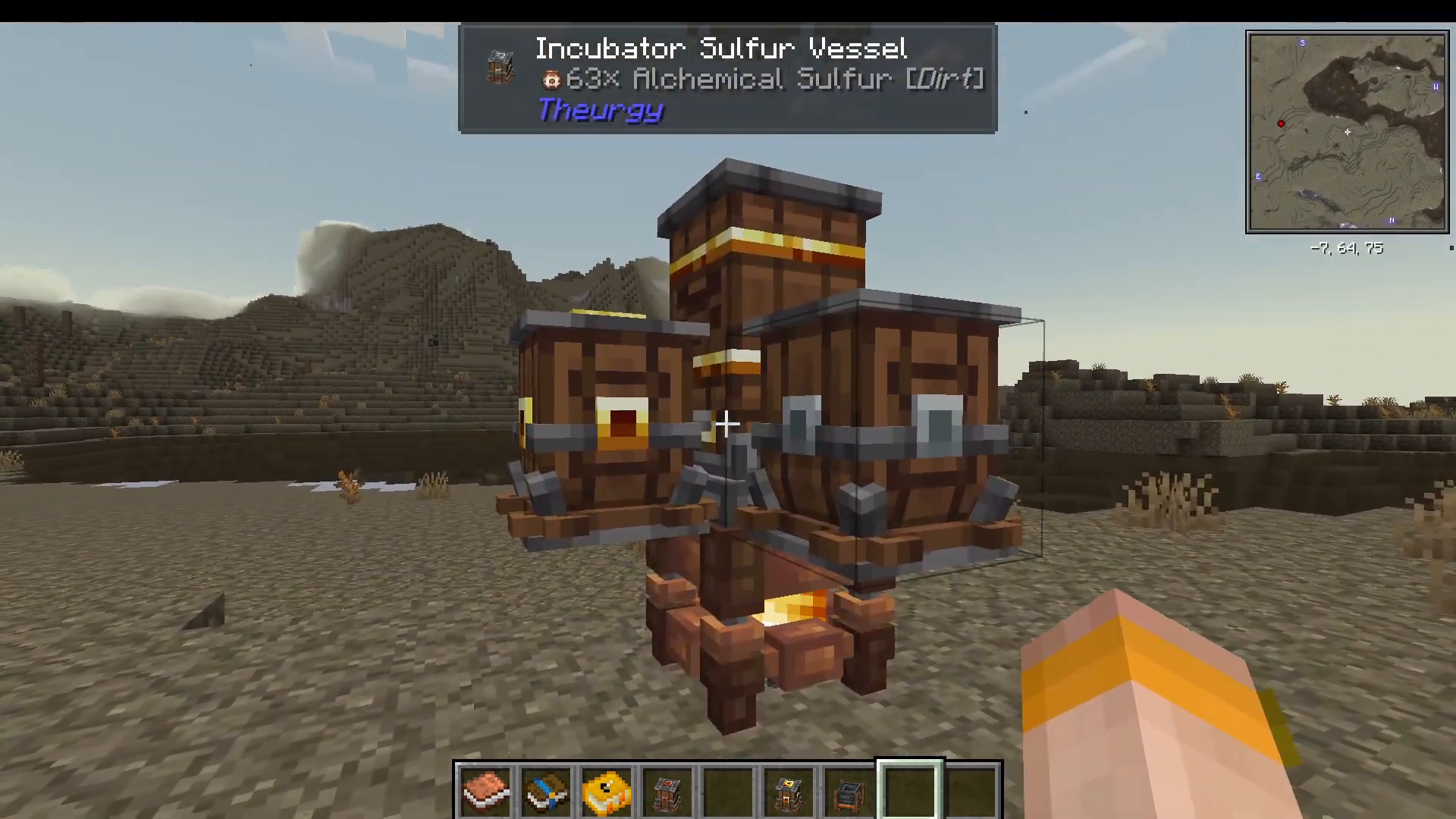
On your fourth and final Brazier, place an Incubator. Surround it on the same level with three vessels:
Incubator Salt Vessel — place your Alchemical Salt Strata here
Incubator Sulfur Vessel — place your Alchemical Sulfur Dirt here
Incubator Mercury Vessel — place your Mercury here
Once all three vessels are filled, the incubator will begin smoking and producing output. Right-click the top of the incubator to collect the result — real dirt. Completing this step finishes the prologue quest chain and unlocks the next chapter: A Whiff of Normal, along with the resource generation, bees, and storage quest lines.
Farming and Crossbreeding Crops with Agricraft
Now that you have dirt, it’s time to grow crops. Farming in Reclamation uses the Agricraft system, which adds crop sticks, crossbreeding, and genetic stats to every plant.
Getting Seeds from Dead Grass
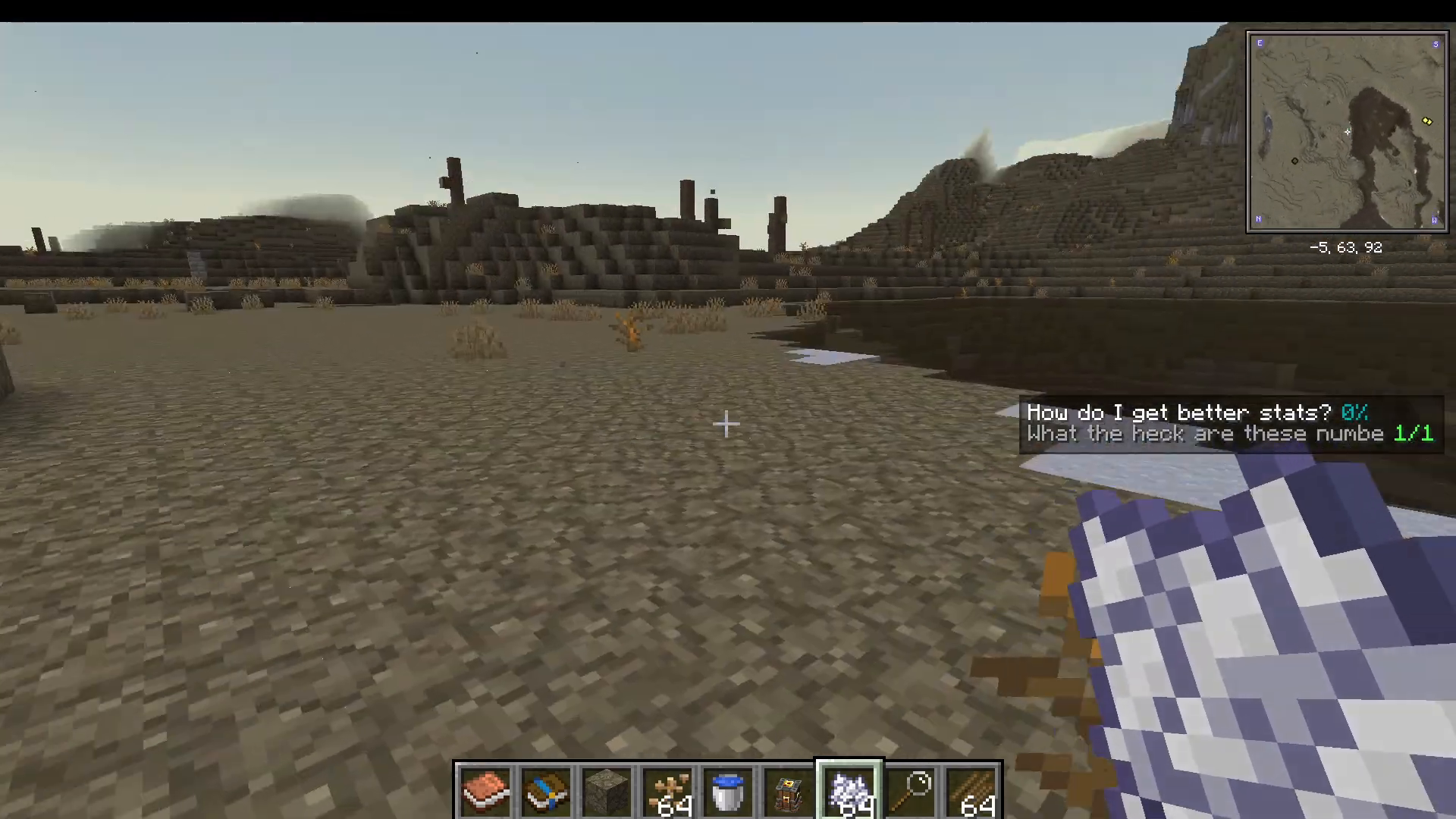
Hit tufts of dead grass to collect seeds. The seeds you can find this way include:
Water Artichoke
Wolf’s Bane
Belladonna
Mandrake
Wheat
Snow Bell
Try to collect all of these varieties, as each serves a purpose in future recipes.
Setting Up Crop Sticks and Farmland
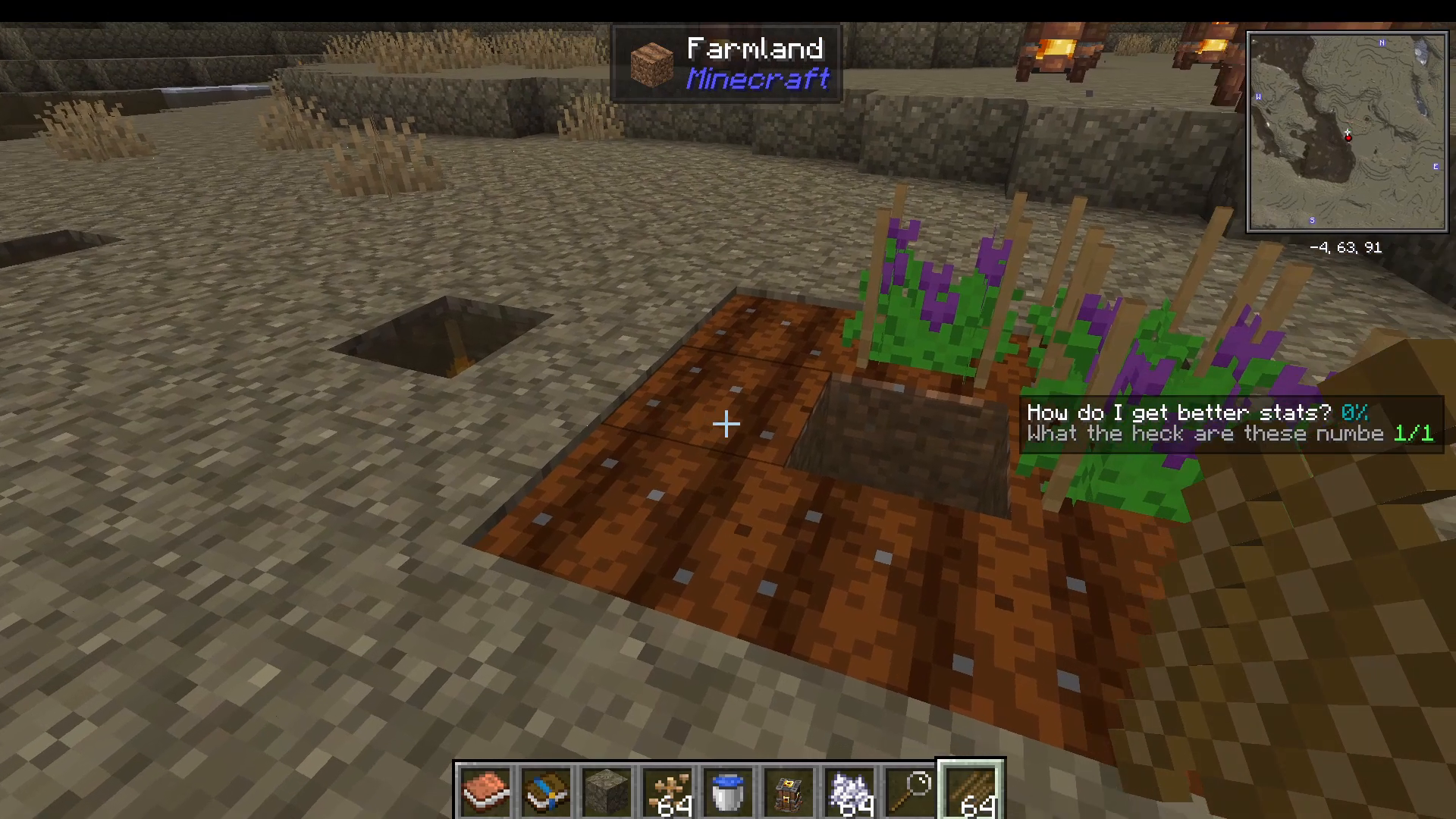
Craft crop sticks from regular sticks. Place your dirt, use a stone or copper hoe to till it into farmland, and then right-click crop sticks onto the farmland. Right-click your chosen seed onto the crop sticks to plant it. Craft a Magnifying Glass to inspect any crop’s stats, including fertility, gain, strength, and mutativity.
How Crossbreeding Works
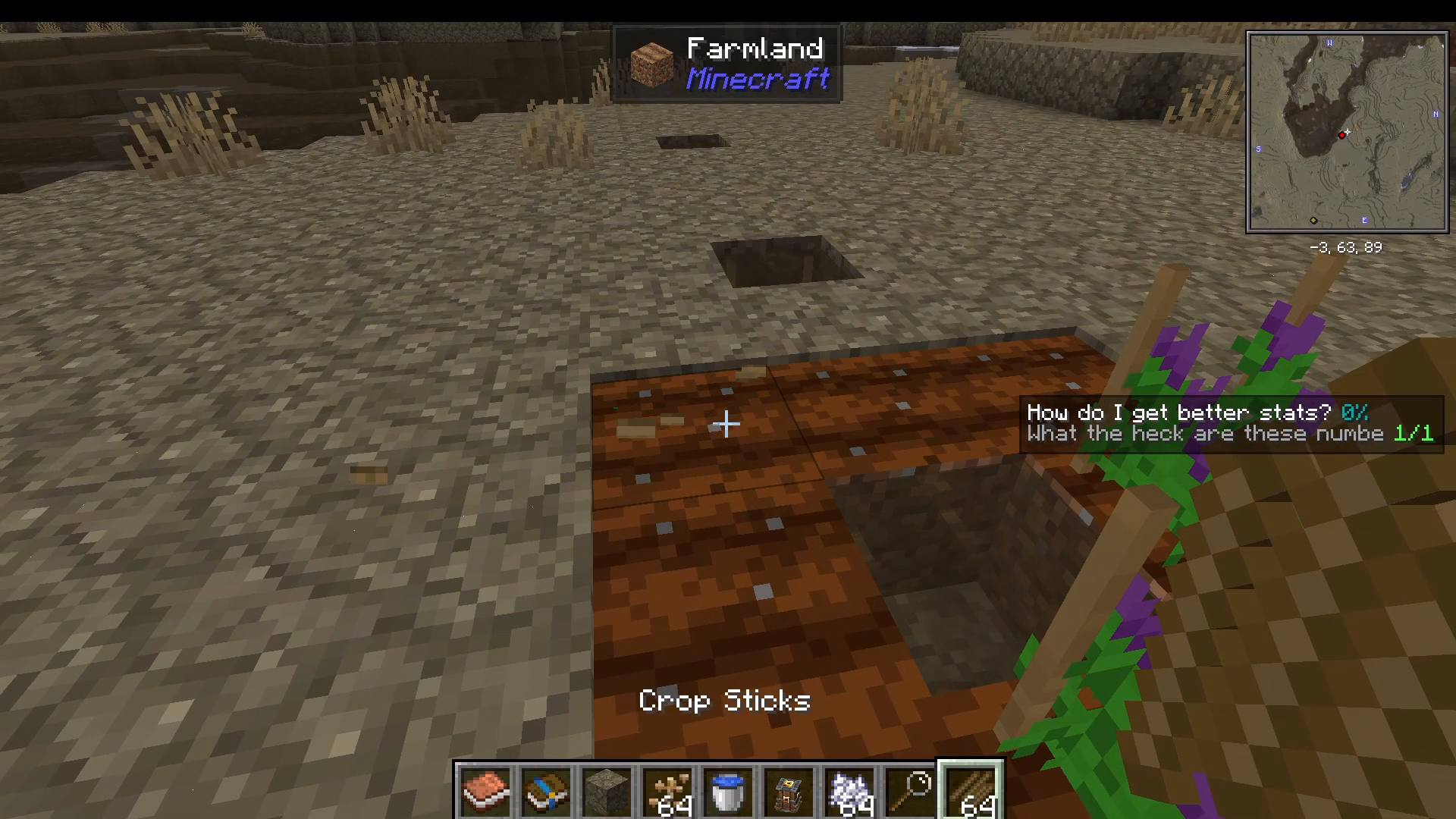
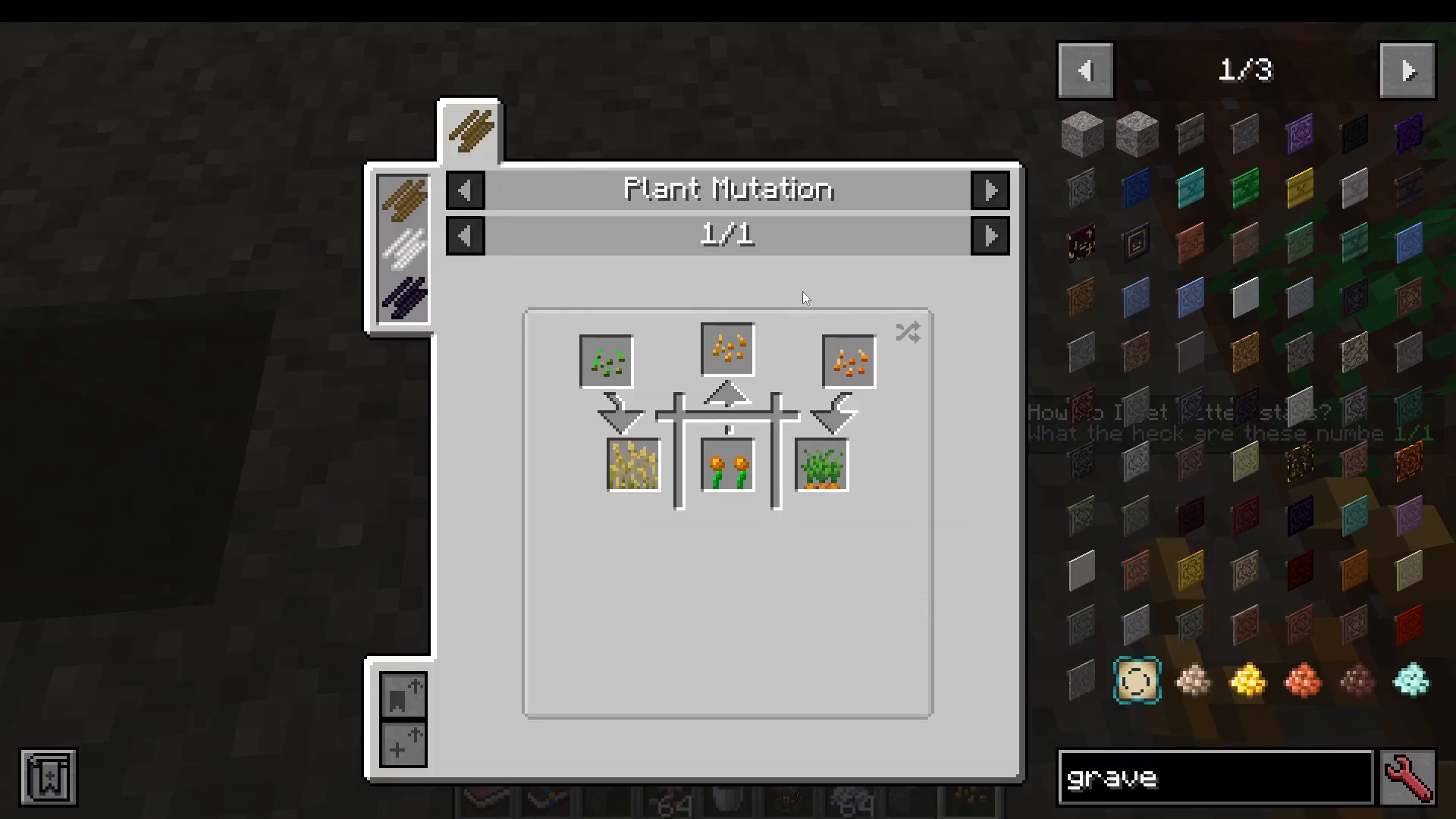
To crossbreed two crops, place a single crop stick next to another single crop stick, then right-click one of them again to create a double crop stick between them. The double crop stick is the crossbreeding slot — it will eventually sprout a new crop influenced by its two neighbours. For example, placing a Snow Bell next to a Wheat crop gives a chance of producing Carrot seeds in the crossbreeding slot.
Each crop carries two species genes — a dominant one and a recessive one. Think of it like inherited traits: a crop might carry a hidden carrot gene passed down from a neighbour, which then expresses itself in the next crossbreed. Crossbreeding also improves stats over time. A mandrake with fertility 1, gain 1, and mutativity 1 can produce offspring with fertility 2, gain 2, and mutativity 2.
Gain — higher gain means more crop drops per harvest
Strength — better resistance to weeds
Fertility — higher chance for the crop to spread or grow faster
Mutativity — higher chance for the crop to mutate into a different species
Getting a Passive Copper Source with Coprosia Seeds
Crossbreeding Wheat and Carrot crops together can produce Coprosia seeds. Coprosia is a special crop that harvests trace amounts of copper from water — it produces copper nuggets passively. To grow Coprosia correctly, it must be planted on gravel that is underwater. Set up a shallow pool, place gravel at the bottom, add crop sticks, and plant your Coprosia seeds. This gives you a renewable copper source without running out into the wasteland to loot ruins.
Useful Extra Farming Items
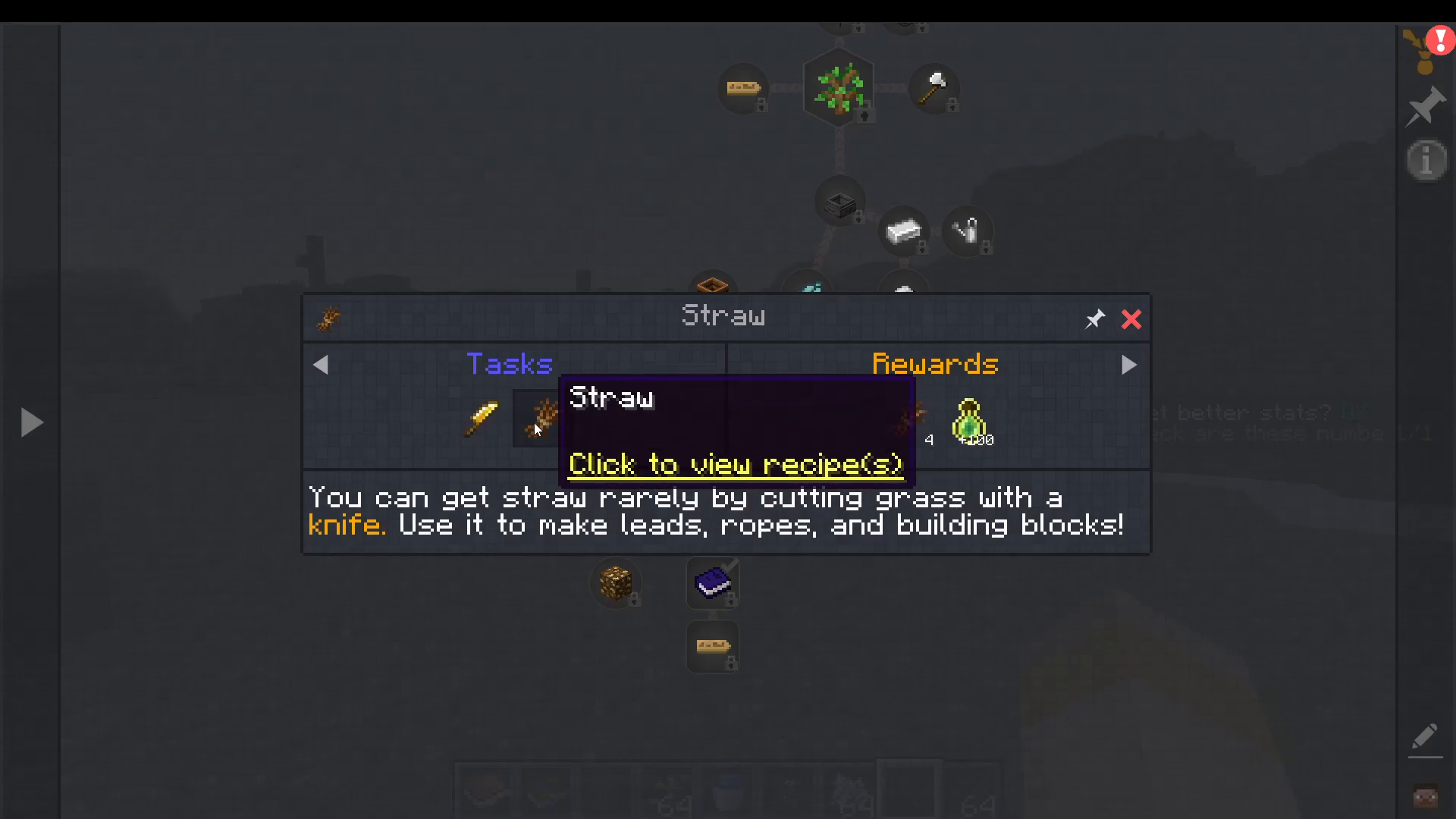
Straw — right-click grass with a knife to collect straw
Bone Meal — place raw fish on a cutting board and process it to get bone meal
Rich Farmland / Organic Compost — combine dirt, straw, bone meal, and rotten flesh (dropped by husks) to create organic compost. Place this on the ground and it will eventually become rich soil, which accelerates crop growth
Watering Cans — once you have iron, craft a watering can to speed up crop growth manually
Making Iron Ingots Through Ferji Alchemy
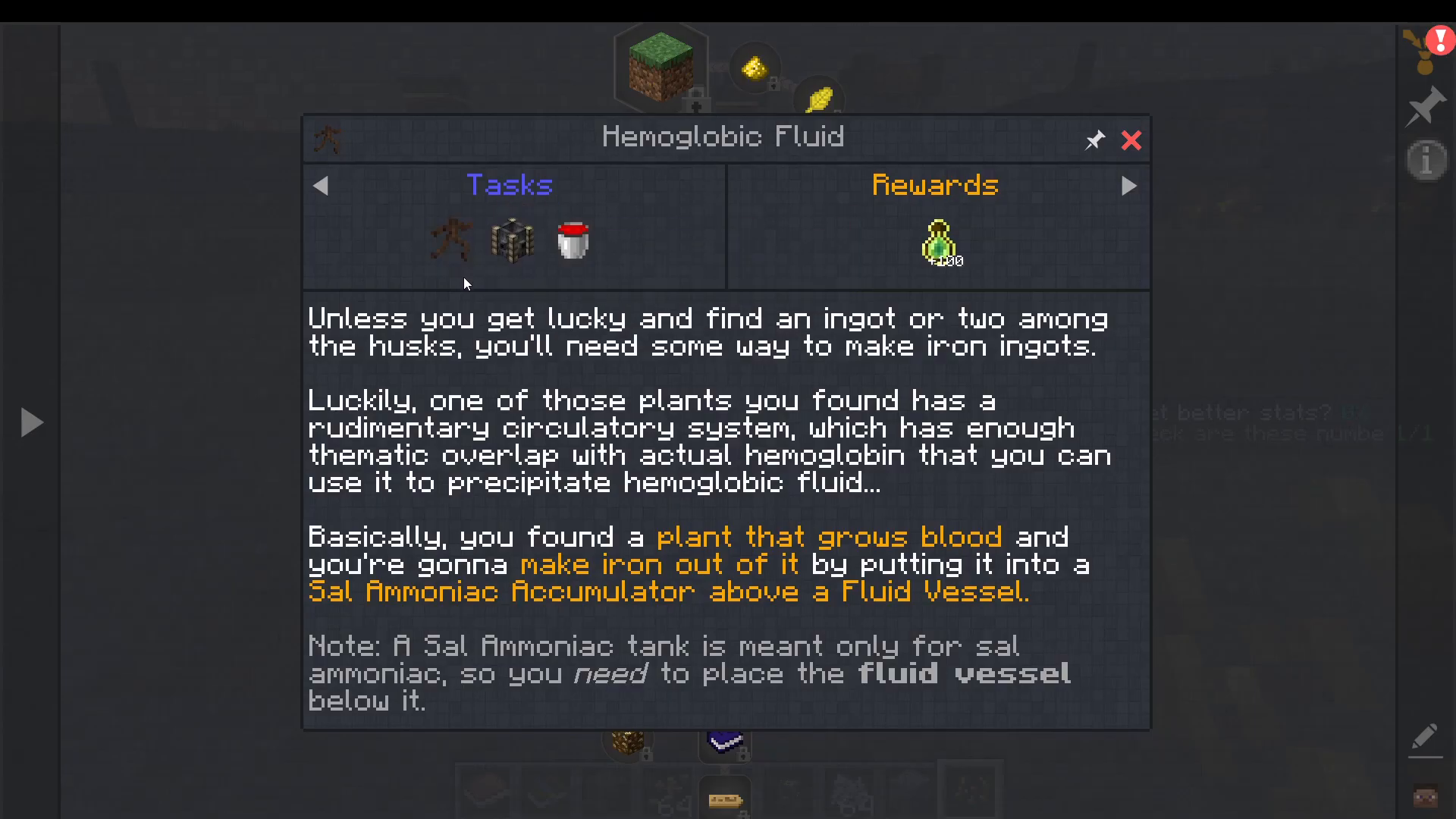
Iron ingots don’t come from mining in Reclamation — they’re produced entirely through alchemy. The key ingredient is the Mandrake plant.
Harvesting Mandrake Root
Mandrake is one of the seeds you can collect from dead grass. When it grows to full size, it behaves like a living creature — similar to the Mandrakes from Harry Potter — and will damage you if you get too close. Kill the grown Mandrake plant to collect a Mandrake Root.
Making Hemoglobic Fluid
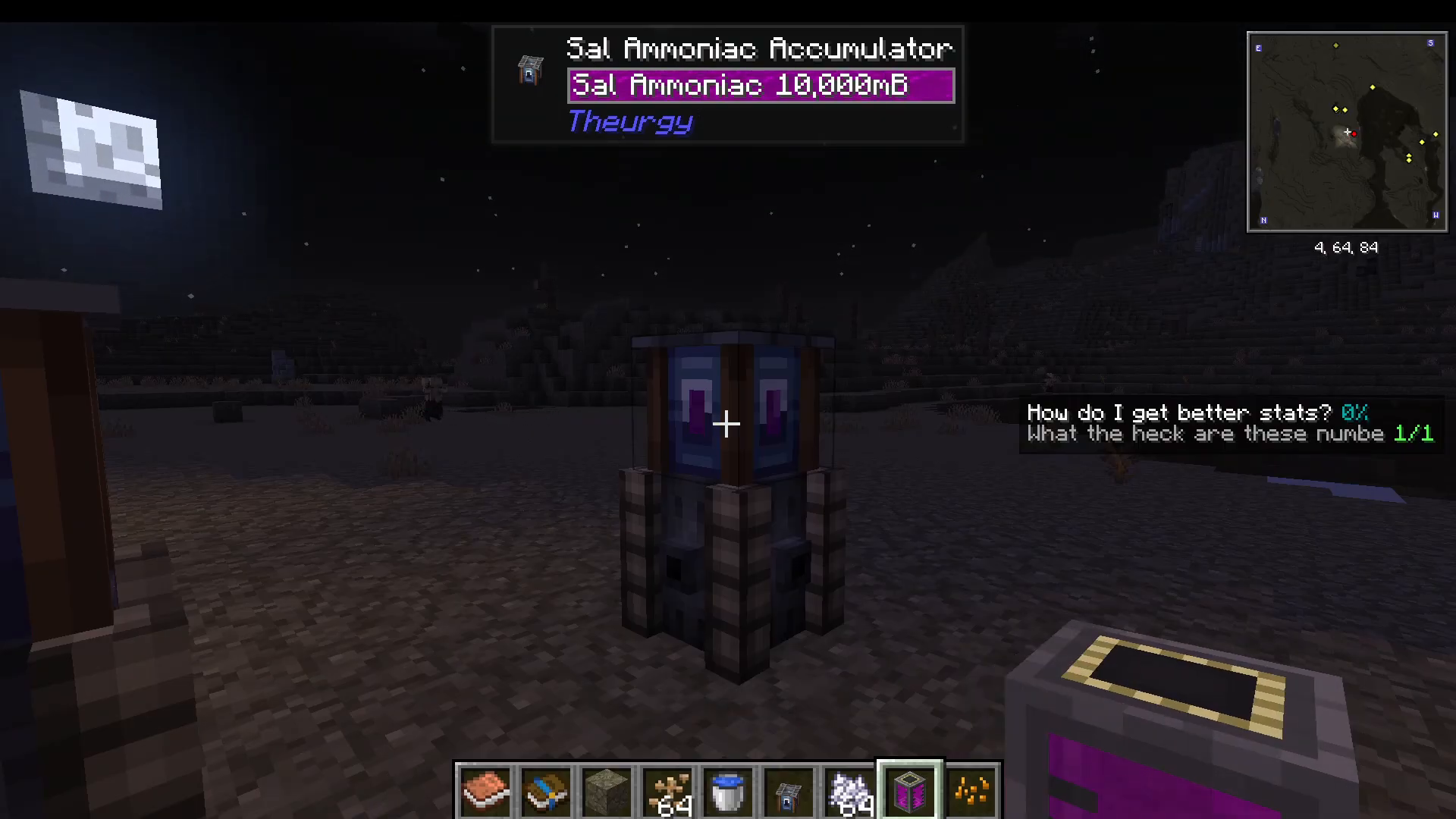
Place a Fluid Vessel on the ground. Stack a Sal Ammoniac Accumulator on top of it. This time, instead of filling the accumulator with water to make Sal Ammoniac, take existing Sal Ammoniac and right-click it directly into the accumulator. Then right-click your Mandrake Root into the accumulator as well. The combination of Sal Ammoniac and Mandrake Root will produce Hemoglobic Fluid in the fluid vessel below. Bucket it out.
Making Alchemical Sulfur Iron
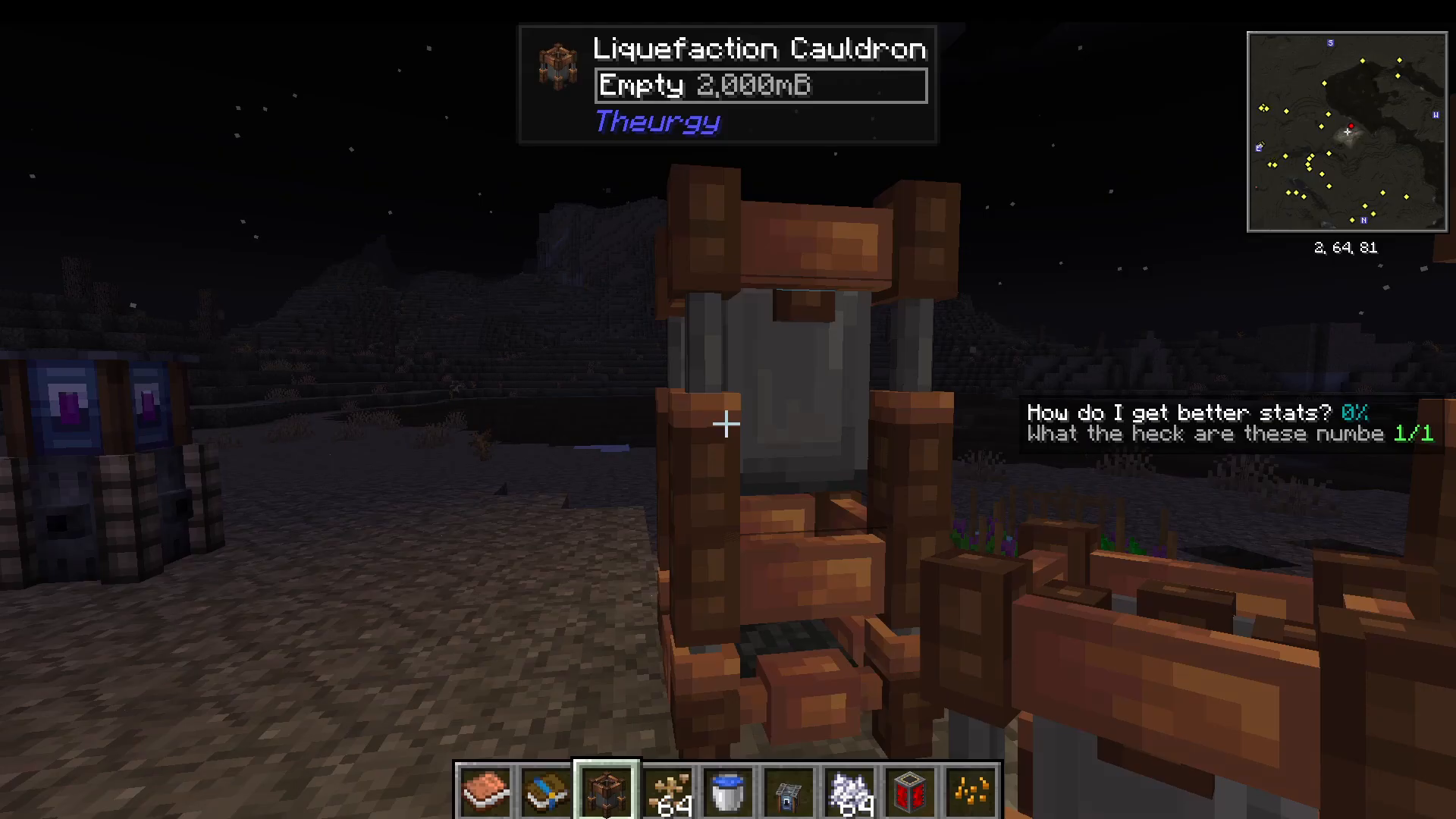
Set up a Brazier with charcoal and place a Liquefaction Cauldron on top. Right-click your bucket of Hemoglobic Fluid into the cauldron. Then right-click copper ingots into the cauldron as well. After a moment, the two ingredients will react and produce Alchemical Sulfur Iron.
Completing the Iron Ingots in the Incubator
Use your existing incubator setup. Place the Alchemical Sulfur Iron in the sulfur vessel. For the salt vessel this time, use Mineral Salt instead of Strata Salt — Mineral Salt can be made from strata or from charcoal at this stage using the calcination oven. Fill the mercury vessel as before. The incubator will output iron ingots. You now have iron.
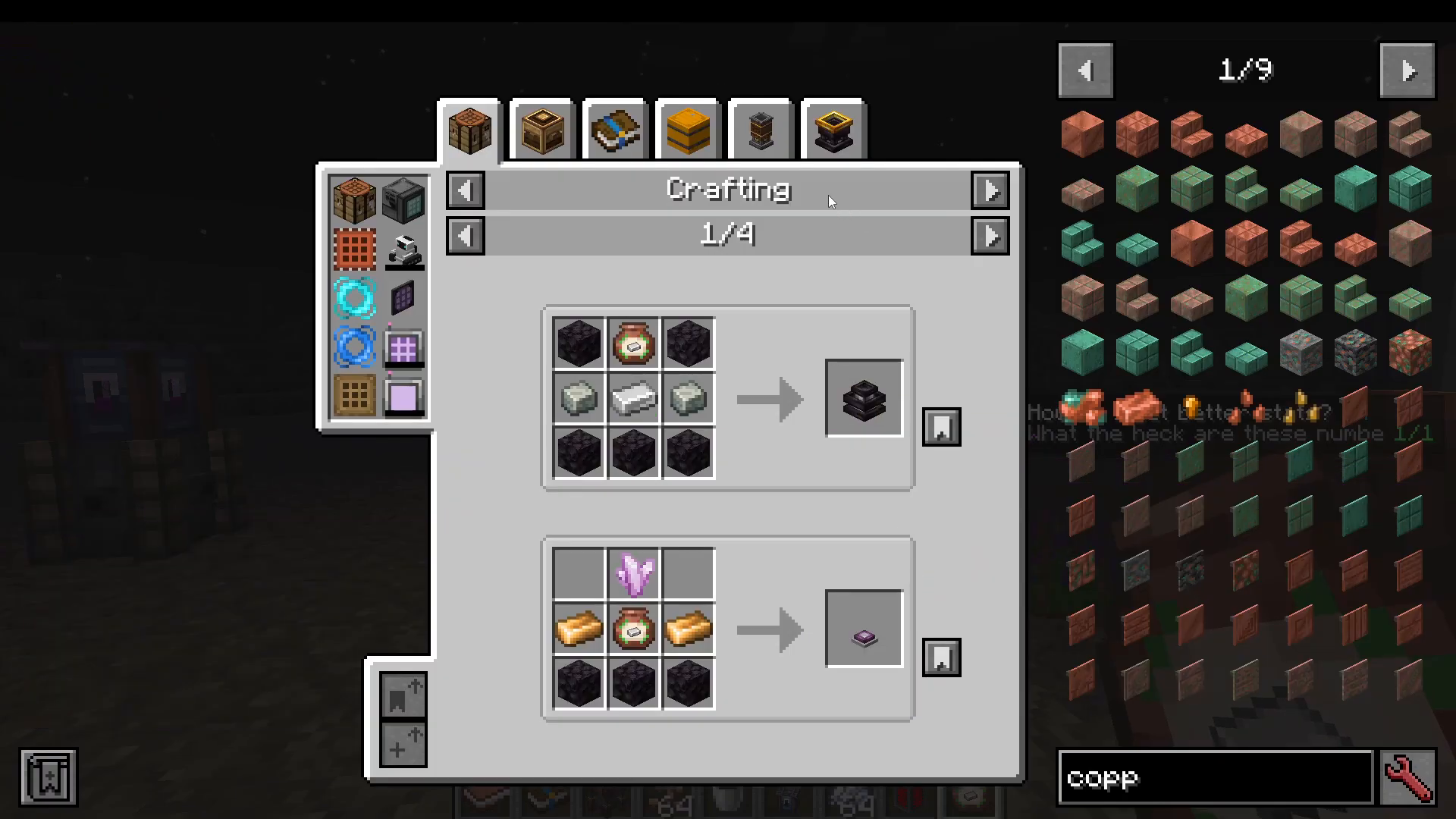
Making Grass: Completing “A Whiff of Normal”
The final major goal of the early game is converting your dirt into real grass. This requires witchcraft — specifically the Occultism and Nature’s Aura mods.
Crafting a Witch’s Cauldron
Craft a standard vanilla Minecraft cauldron using iron. Place it down and put a campfire directly beneath it. Then craft Anointing Paste — this is made using an Icy Needle, a Belladonna flower, and Mandrake Root (items you’ll have from your crop farming). Right-click the Anointing Paste onto the cauldron to convert it into a Witch’s Cauldron. Fill it with three buckets of water.
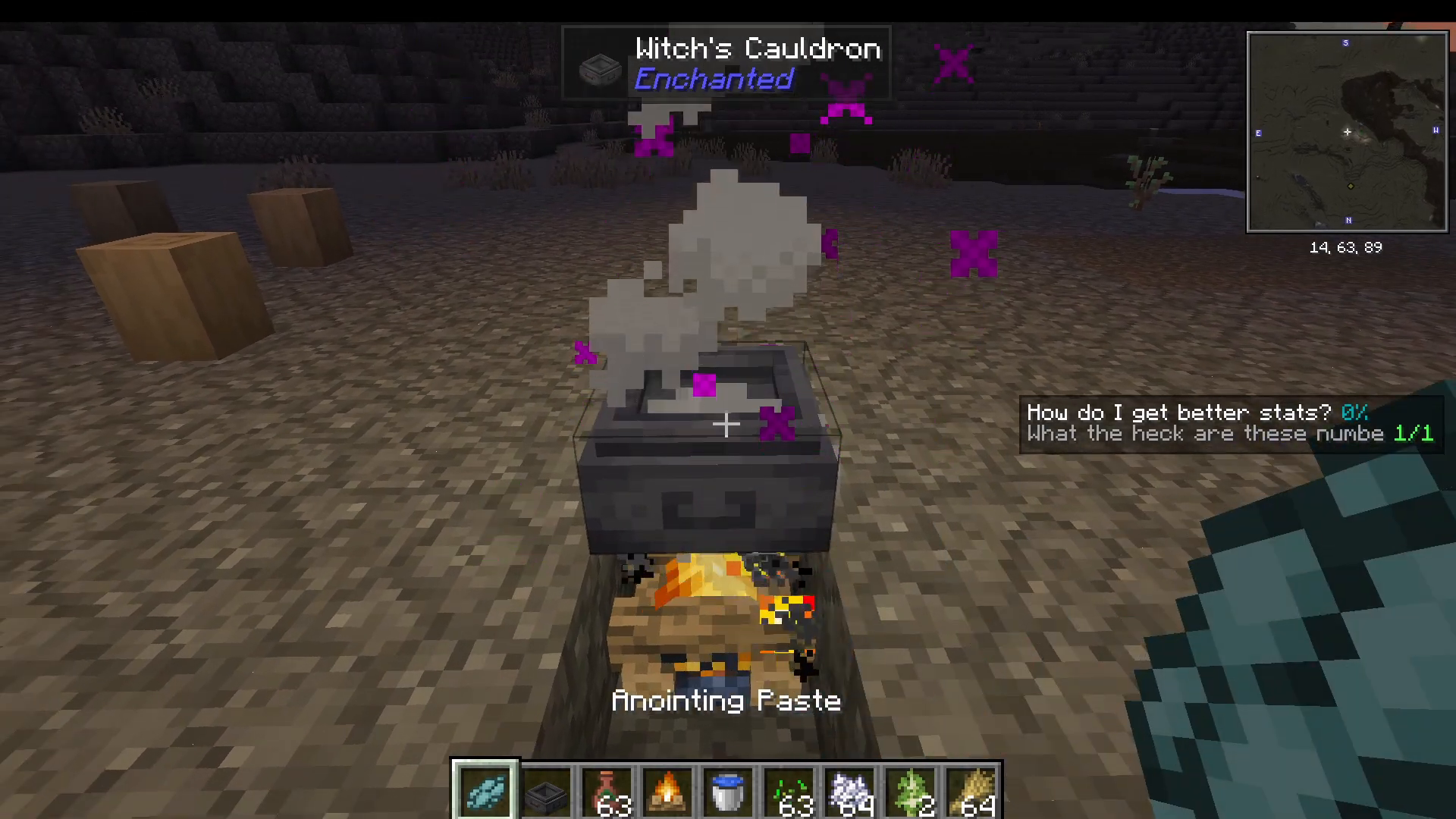
Brewing Mutandis
The Witch’s Cauldron works by dropping ingredients in one at a time. To brew Mutandis, drop in the following in order:
Belladonna Flower
Water Artichoke
Bone Meal
You’ll see swirls rising from the cauldron. After several seconds, right-click the cauldron three times to collect your Mutandis.
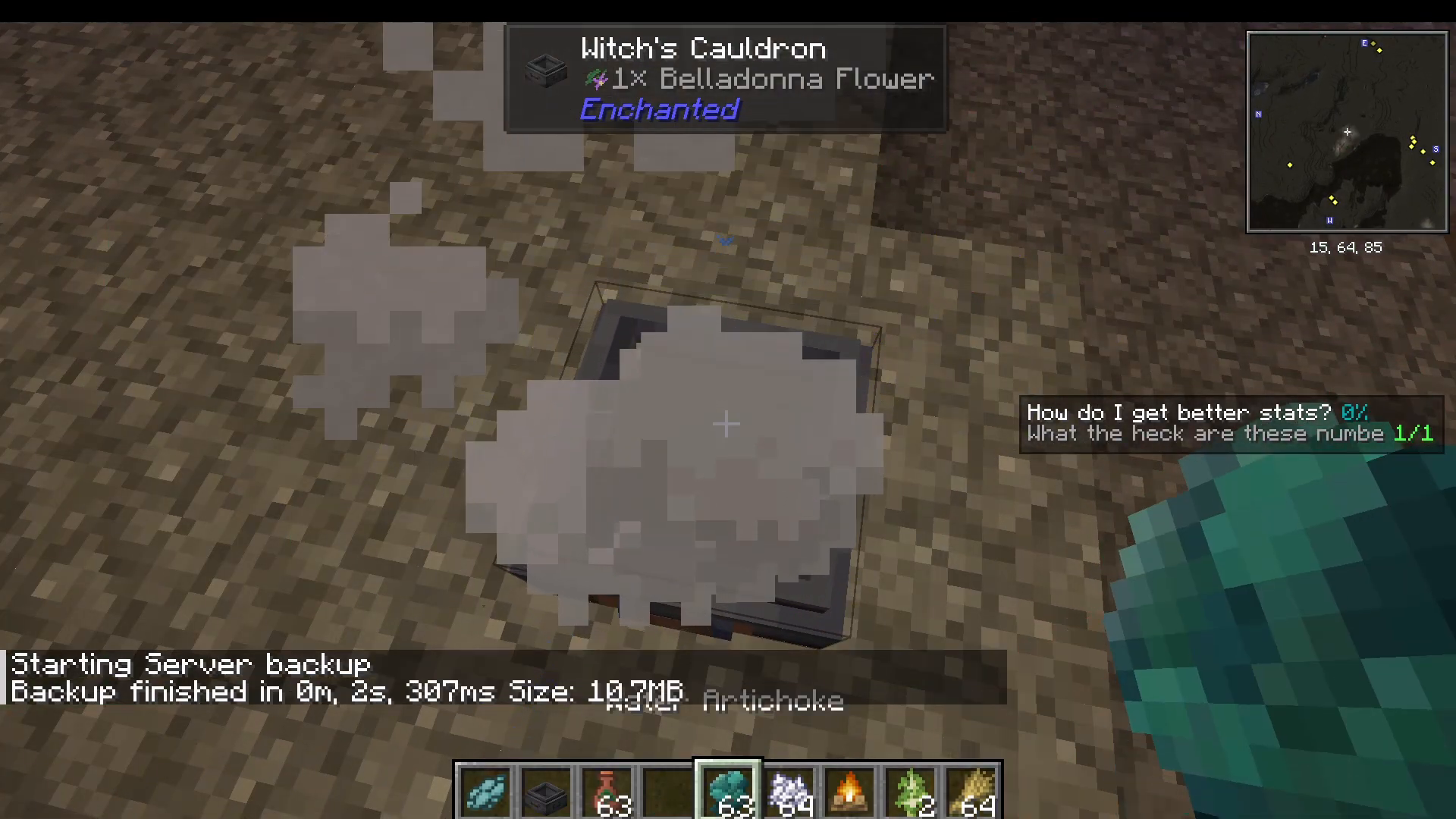
Using Mutandis to Get a Birch Sapling
Right-click Mutandis on a dead bush. It will randomly transform the dead bush into a sapling. Possible results include jungle, spruce, alder, and birch saplings. You specifically want a birch sapling. Keep using Mutandis on dead bushes until you get one. Once you have a birch sapling, use bone meal to grow it into a full birch tree and harvest more saplings the normal way.
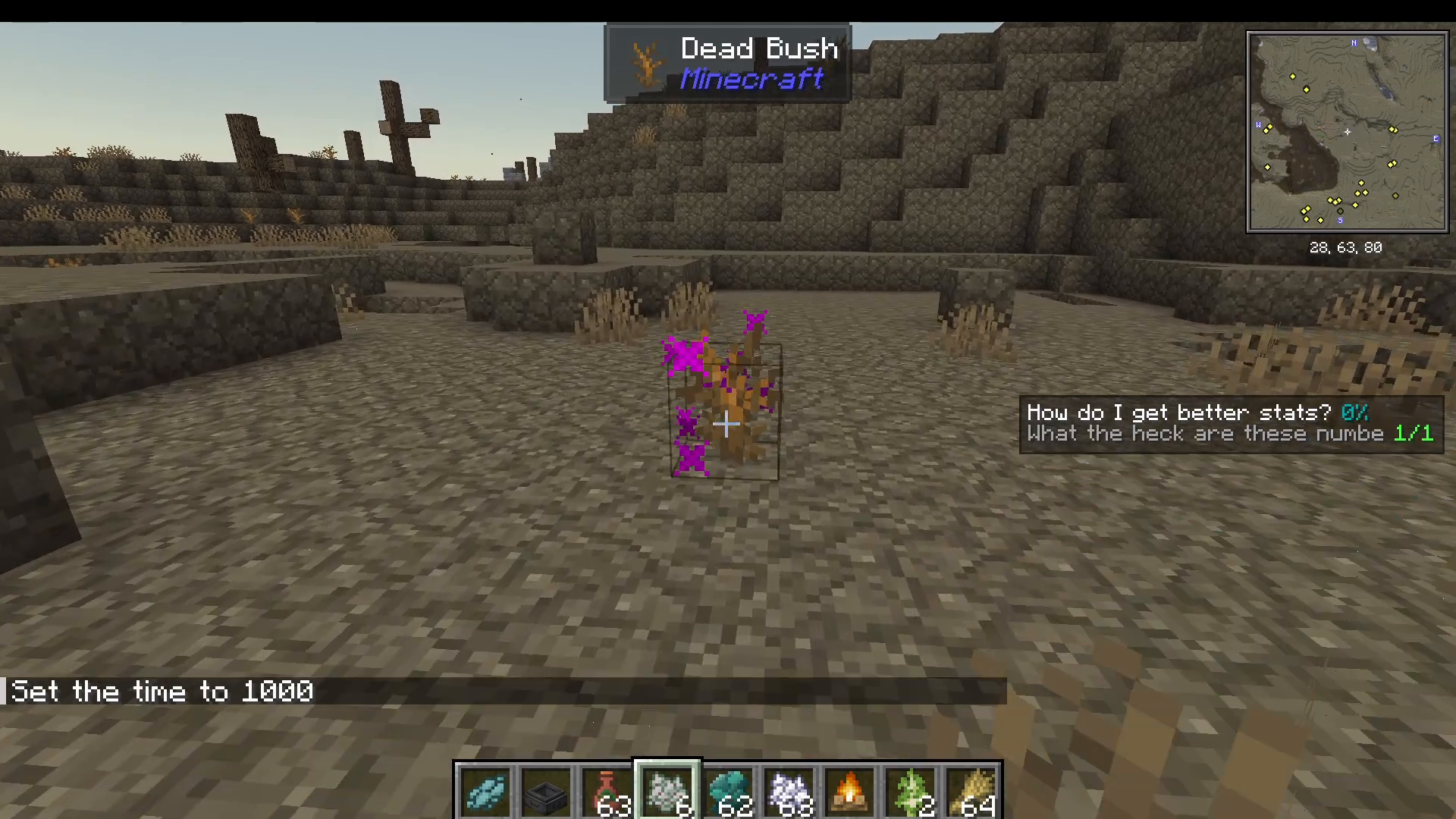
Crafting a Witch’s Oven
Craft a Witch’s Oven using iron. Optionally, craft Fume Funnels and attach one to each side of the oven to increase its efficiency. The oven requires charcoal as fuel and uses Clay Jars (crafted from soft clay and then fired in a furnace) to collect its output. Different saplings produce different magical essences in the Witch’s Oven:
Hawthorn sapling → Odor of Purity
Birch sapling → Breath of the Goddess
Rowan sapling → Whiff of Magic
Spruce sapling → Hint of Rebirth
Use Mutandis on more dead bushes to collect whichever saplings you need. The sapling type you receive is random each time.
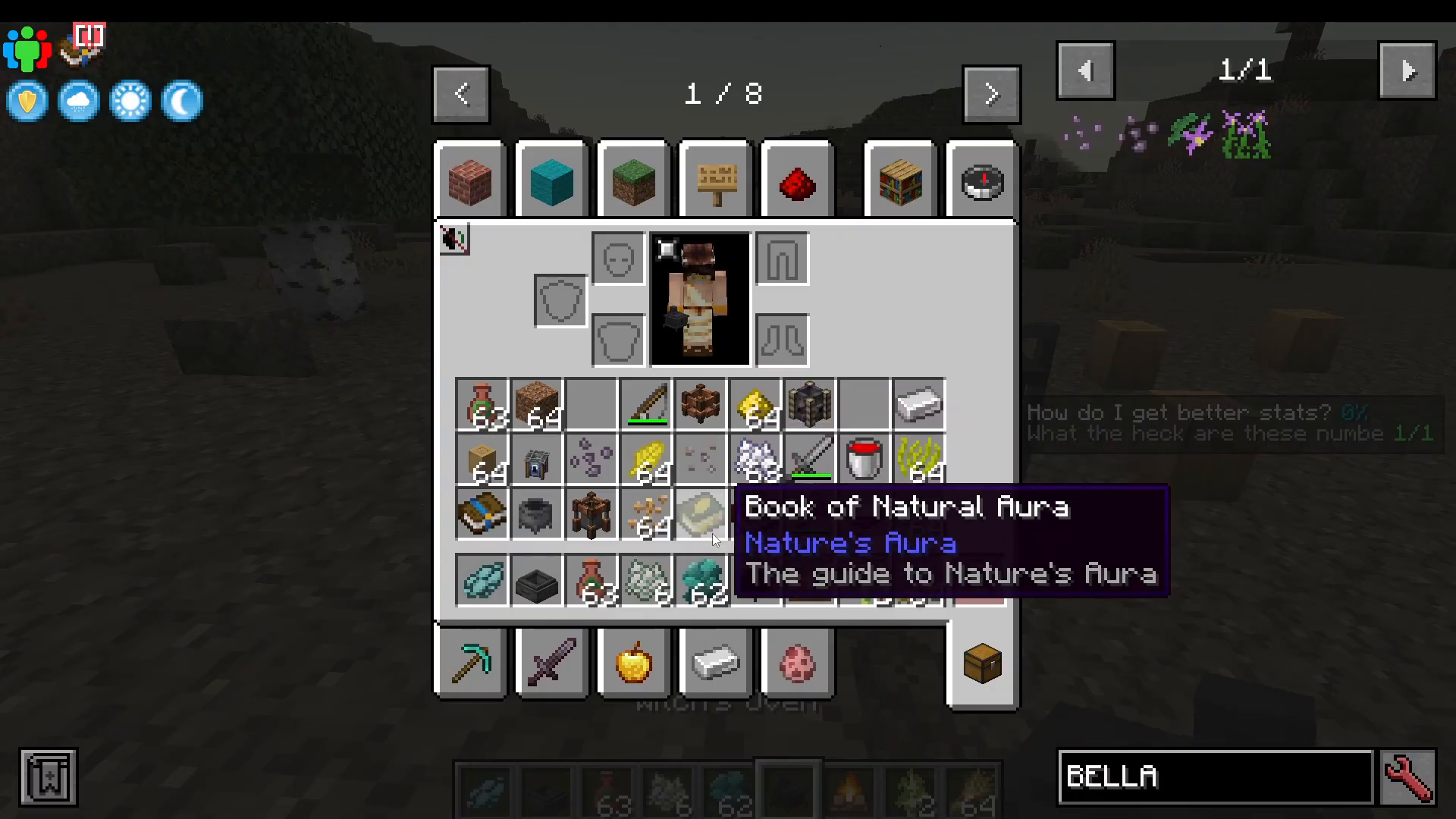
Brewing Brilliant Fiber
Back at the Witch’s Cauldron (refilled with three buckets of water), brew Brilliant Fiber by adding the following ingredients in this exact order:
Odor of Purity (from Hawthorn sapling in Witch’s Oven)
String
Wolf’s Bane Flour
Whiff of Magic (from Rowan sapling in Witch’s Oven)
Collect the Brilliant Fiber by right-clicking the cauldron.
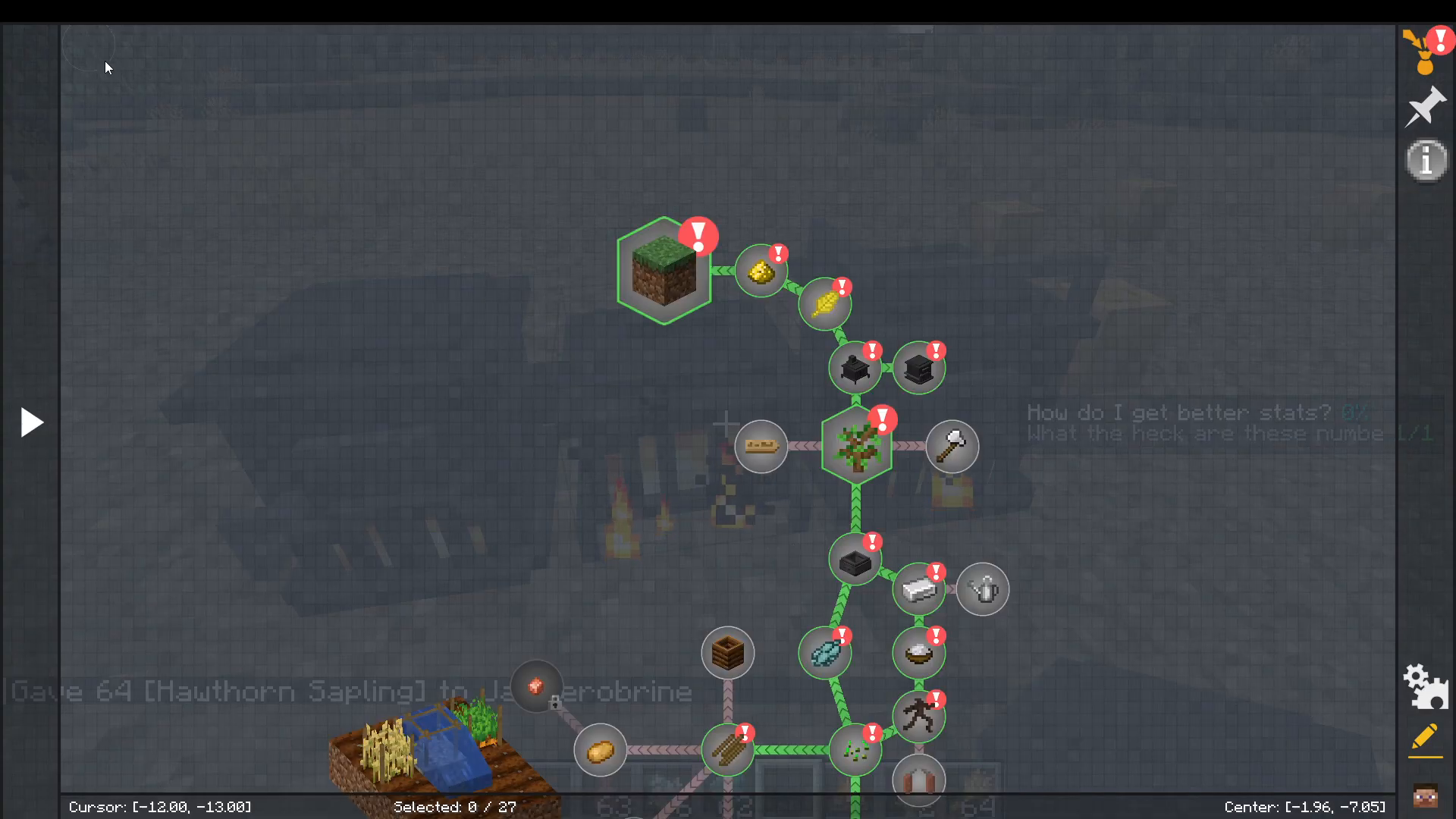
Creating Golden Leaves with Brilliant Fiber
Right-click your Brilliant Fiber onto a leaf block on a birch tree. The leaf will transform into a golden leaf and the effect will slowly spread across the entire tree. Wait until the leaves display small floating gold particles — this indicates they are fully matured. Harvest these fully matured golden leaves to receive Gold Leaf items. Place a Gold Leaf in your inventory crafting grid to convert it into Gold Powder.
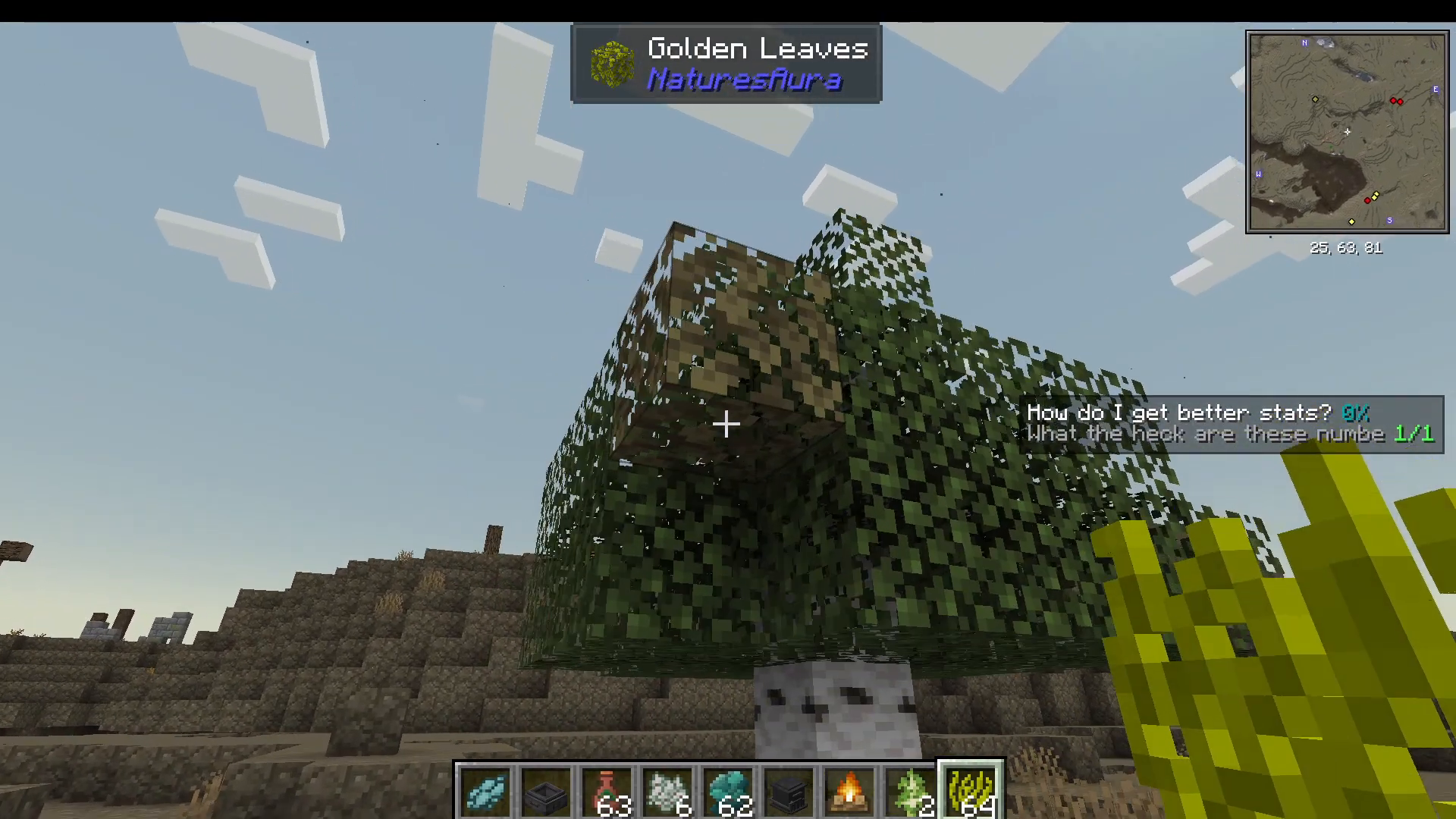
Building the Nature’s Aura Ritual of the Forest
Open your Book of Natural Aura (you should receive one automatically; if not, craft it) and navigate to the Ritual of the Forest entry. Right-click the book on the ground to project a visualization of the ritual layout — this makes it much easier to build correctly.
You will need:
Gold Powder
Wooden Stands (crafted from a Gold Leaf and a log)
A Birch Sapling (placed last)
Place Gold Powder in the pattern shown by the ritual visualization — three in a row, four times, connecting the corners. Then place Wooden Stands at the midpoints of each side and at the diagonal corners. Place the following on separate stands:
Hint of Rebirth (from Spruce sapling in Witch’s Oven)
Breath of the Goddess (from Birch sapling in Witch’s Oven)
A Hay Bale (crafted from nine wheat)
Any seed
Finally, place the Birch Sapling in the centre of the ritual circle. Grow it using bone meal or natural growth. Once it grows, gold particles will stream upward and the ritual will absorb the entire tree, producing a Pasture Seed after roughly 20–30 seconds.
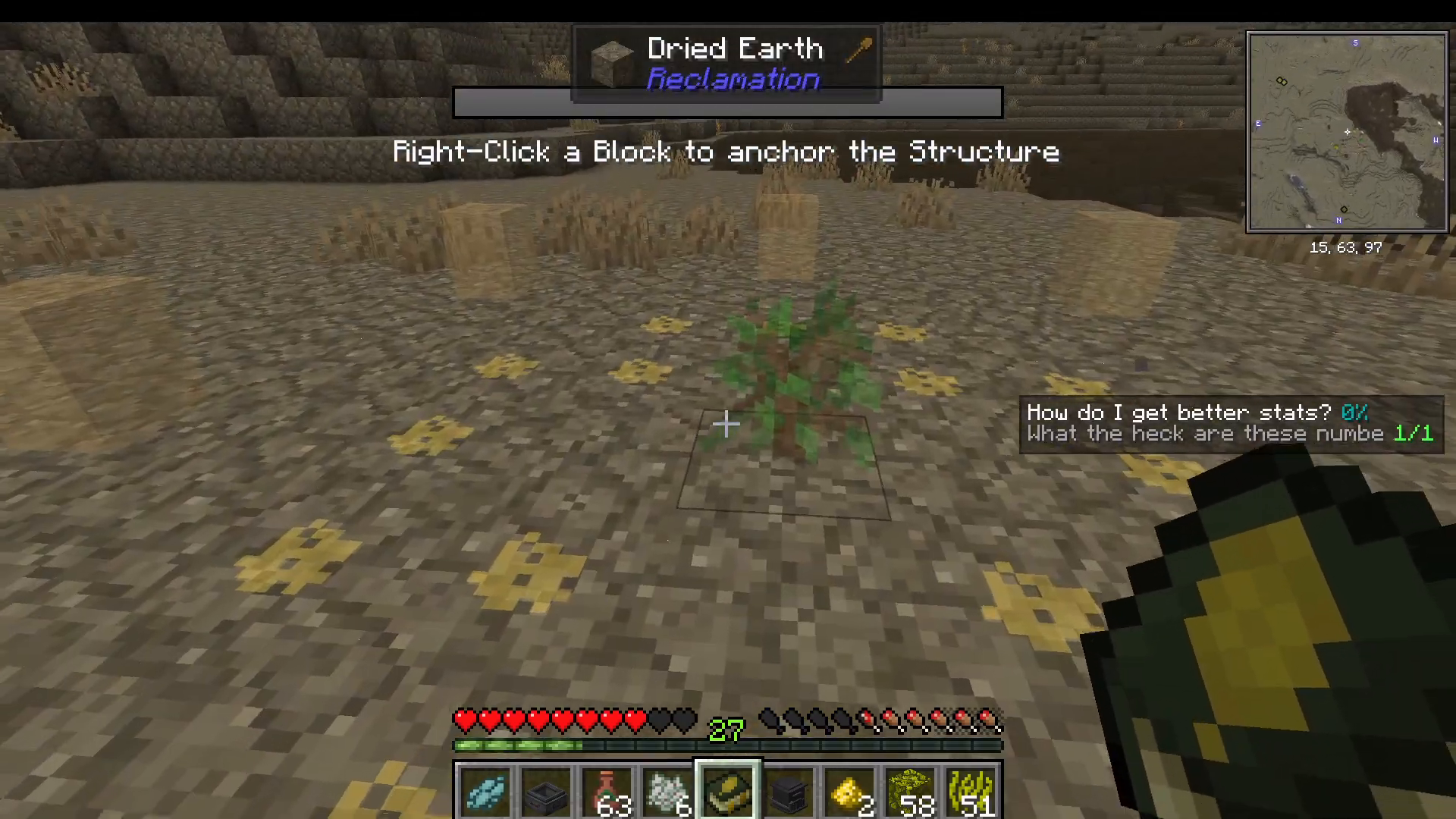
Using the Pasture Seed to Grow Grass
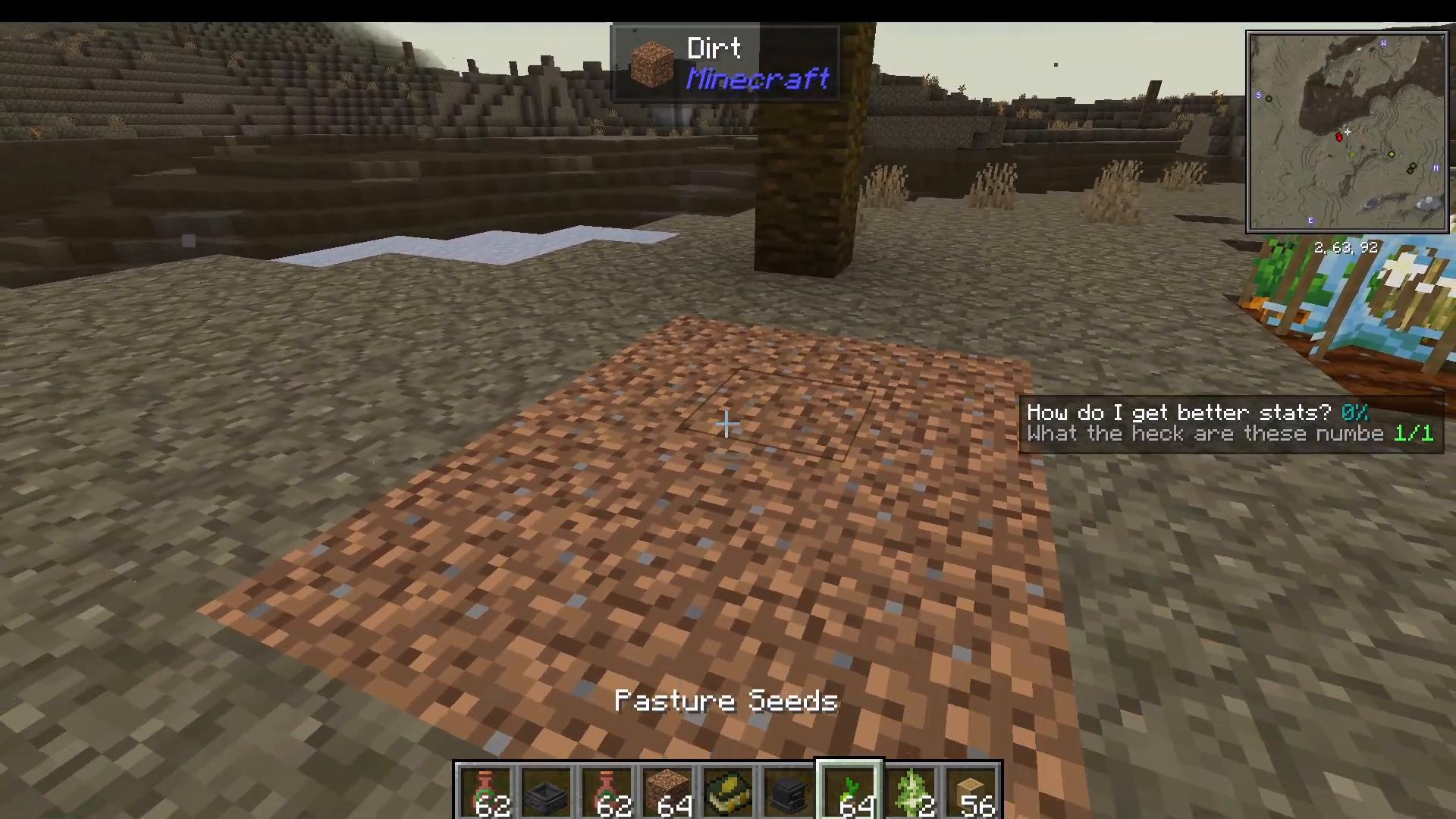
Right-click the Pasture Seed onto a dirt block. It will instantly convert that block — and all nearby dirt blocks — into grass. From here, grass will spread naturally in vanilla Minecraft fashion. You have now completed the A Whiff of Normal chapter.
What Comes Next
With the prologue and A Whiff of Normal completed, the Reclamation quest book will guide you into the next chapter: Touching Grass, which introduces more intermediate mechanics. The modpack also features a wide range of mods including Botania, Create, Complicated Bees, and more. Dedicated beginner guides for each of these mods are available as standalone videos and playlist series on the creator’s channel — search for the mod name directly on the channel to find the relevant guide.
Summary
The Reclamation modpack is a challenging but deeply rewarding survival experience built around resource scarcity and alchemical crafting. Here’s a quick recap of everything covered in this guide:
Harvest dead logs and craft them into scrap wood → flimsy planks → tools
Mine oxidized cut copper from ruins, de-oxidize it, and process it on a cutting board for copper ingots
Build four Pyromantic Brazier setups to run Ferji alchemy and produce dirt via salt, sulfur, and mercury
Farm seeds from dead grass using the Agricraft crop stick system and crossbreed for new crops
Use Mandrake Root and Hemoglobic Fluid in the Liquefaction Cauldron and Incubator to produce iron ingots
Craft a Witch’s Cauldron and Witch’s Oven to brew Mutandis, Brilliant Fiber, and magical essences
Complete the Nature’s Aura Ritual of the Forest to produce a Pasture Seed and grow real grass
You’re now ready to continue into the more advanced sections of the Reclamation modpack. Good luck reclaiming the world!
“`