







Pagan’s Blessing Complete Tutorial
Pagan’s Blessing Mod – Complete Minecraft Guide
Pagan’s Blessing is a rich Minecraft magic mod that lets you perform powerful rituals, brew effects with incense, craft unique items in the Impuing Cauldron, and crush materials with anvils to unlock runic power. Whether you want a mob-spawning pentacle or a bottomless chalice of milk, this complete guide walks you through every mechanic — no waffle included.
Finding Plants in Pagan’s Blessing
The first thing you need to do in Pagan’s Blessing is gather plants. Each plant spawns in specific biomes, so knowing where to look saves you a lot of time.
The Black Form Tree
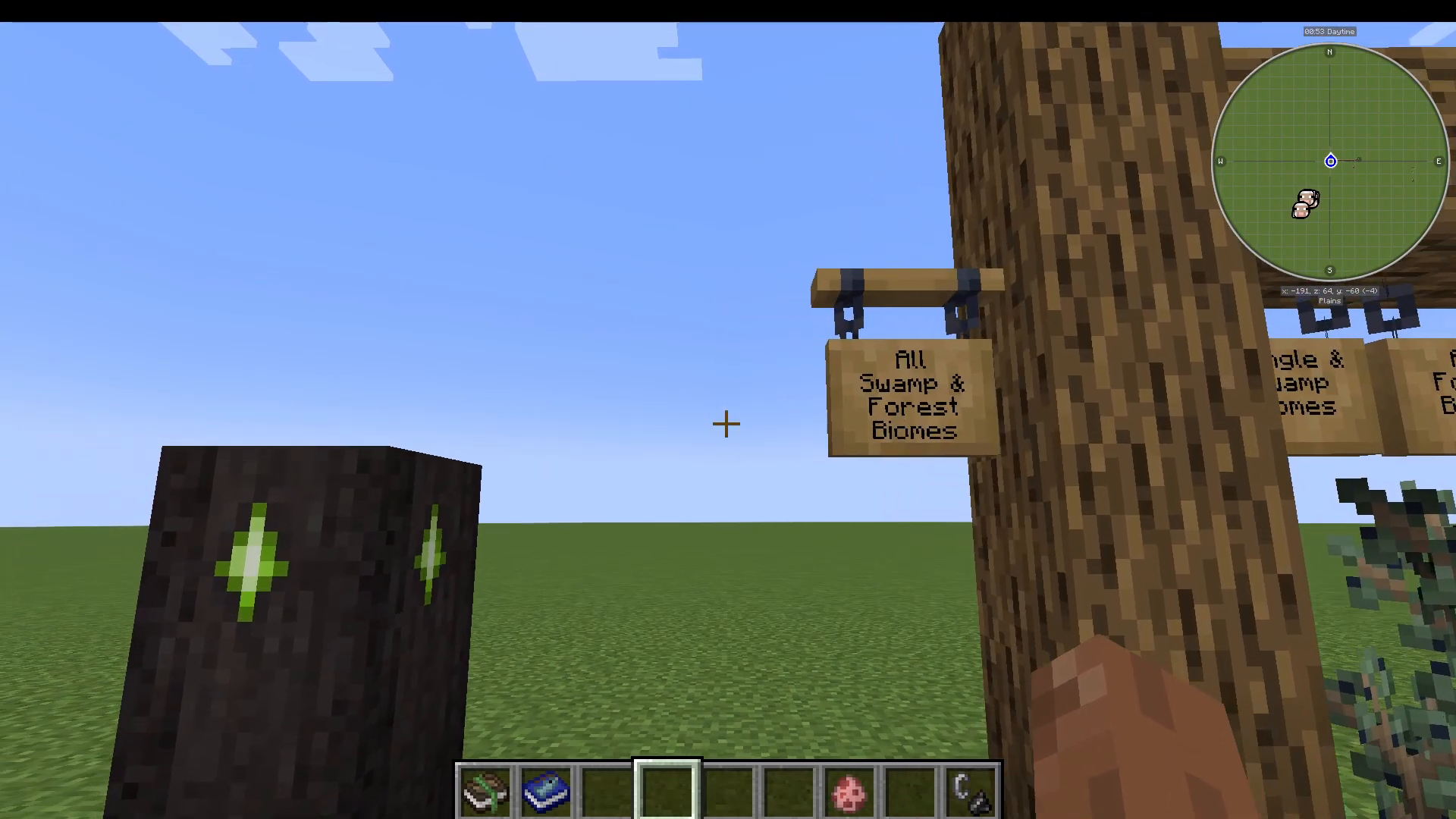
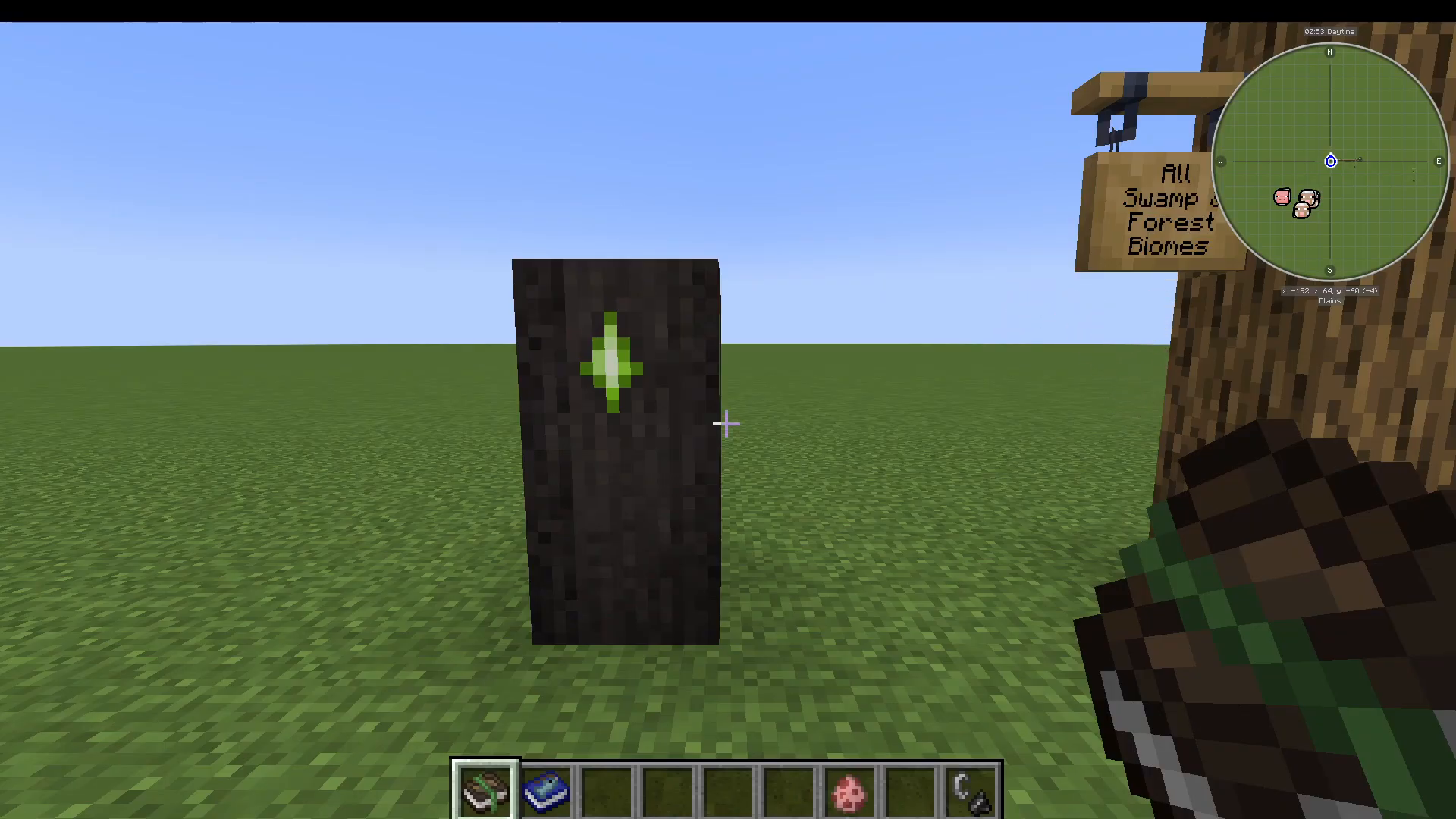
The Black Form Tree is found in swamp and forest biomes. Occasionally, you will come across a Black Form Log that already has a piece of essence embedded in it. This item is called Essence of the Forest — it can be eaten as a fruit or used as a crafting ingredient. To harvest it, right-click the green-spotted Black Form Log with a bowline. (Don’t worry about the bowline just yet — crafting it is covered later in this guide.)
All Other Plants and Their Biomes
Here is a full list of every plant in Pagan’s Blessing and exactly where to find each one:
Mandrake Root – Jungle and swamp biomes
Belladonna – All forest biomes
Hag’s Taper – Desert and plains biomes
Lavender – All plains biomes
Mugwort – Taiga biomes
Rue Plant – All forest biomes
Winter Berries – Snowy biomes
Using the Herbalist’s Bench
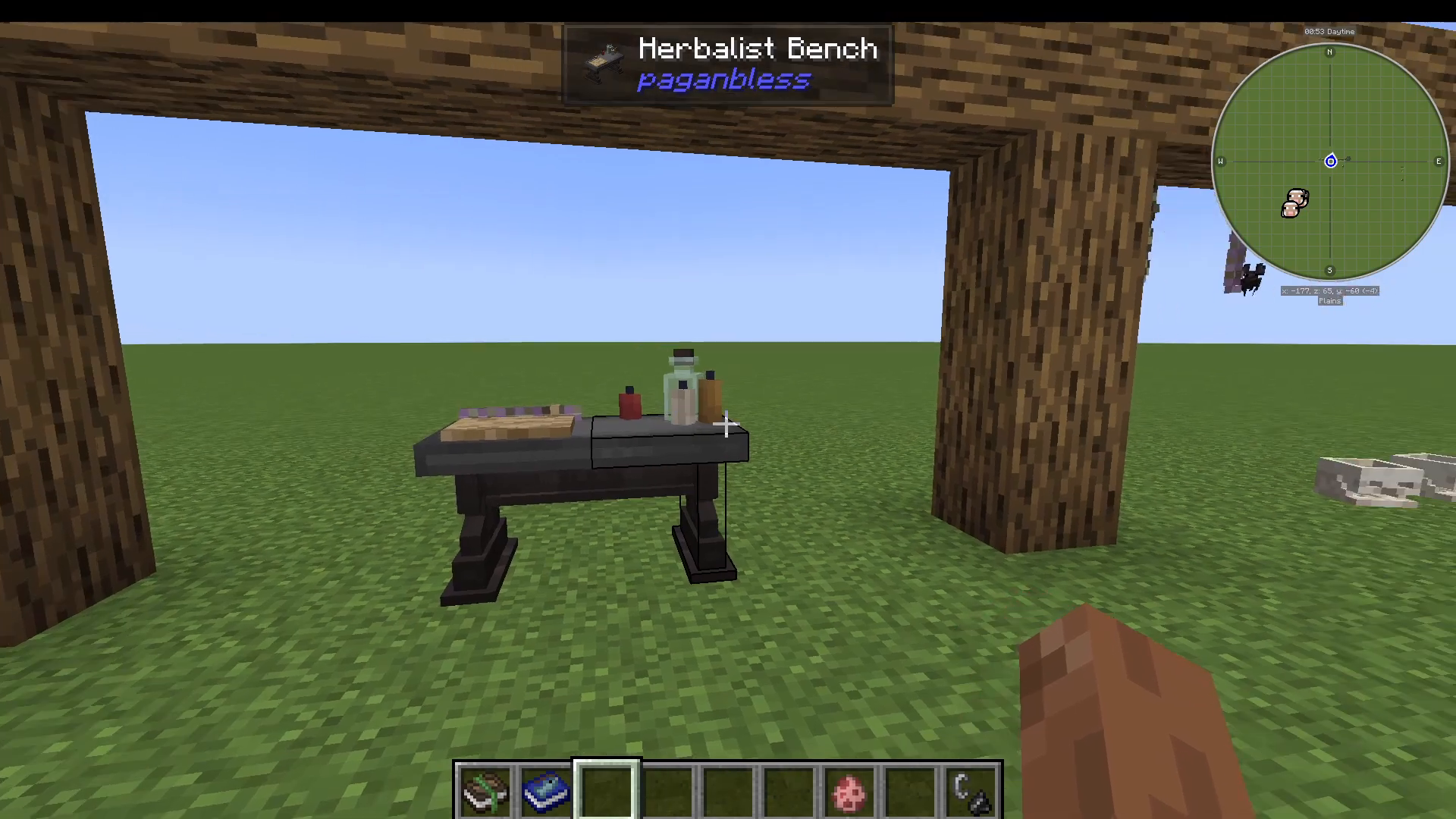
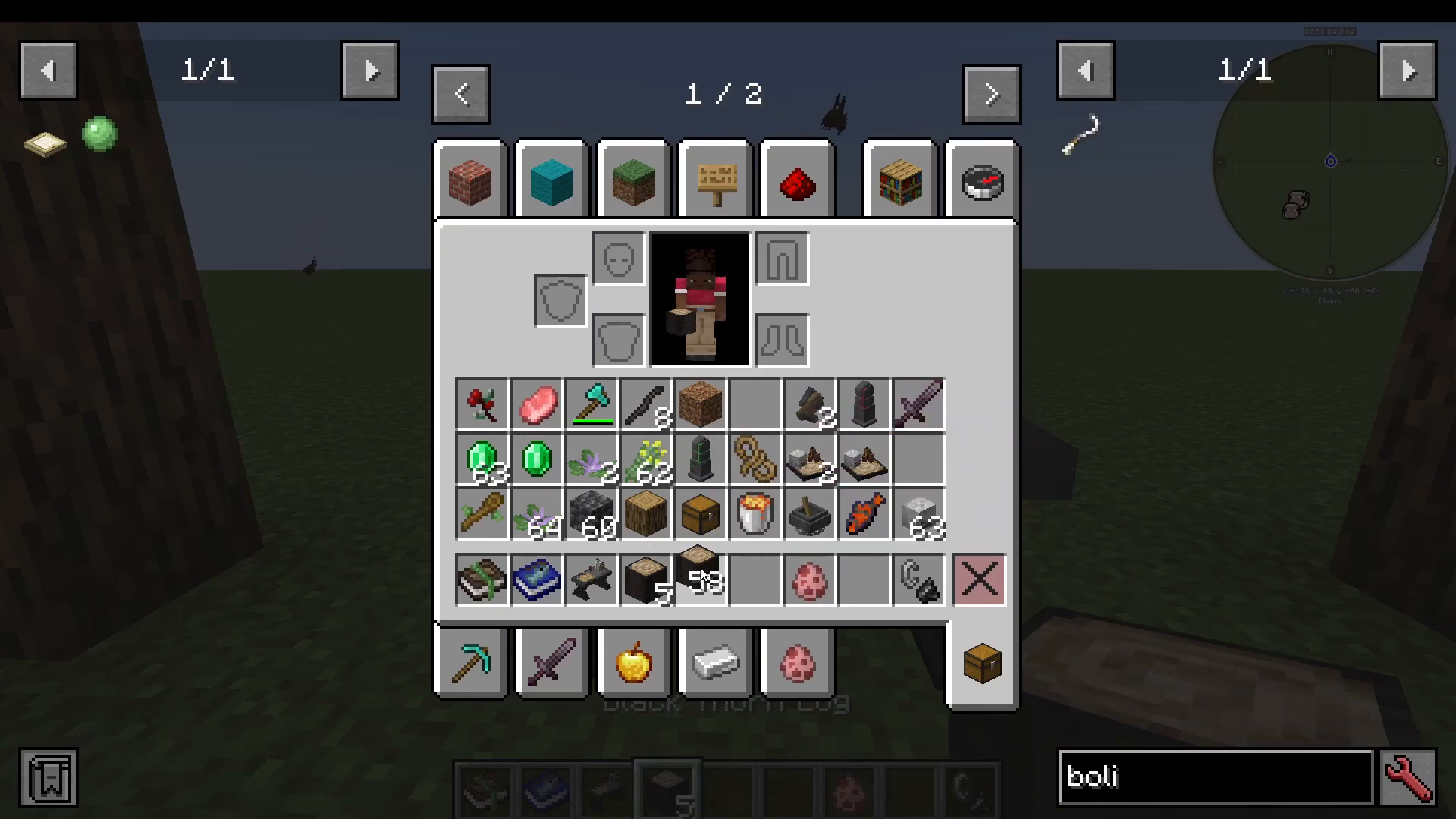
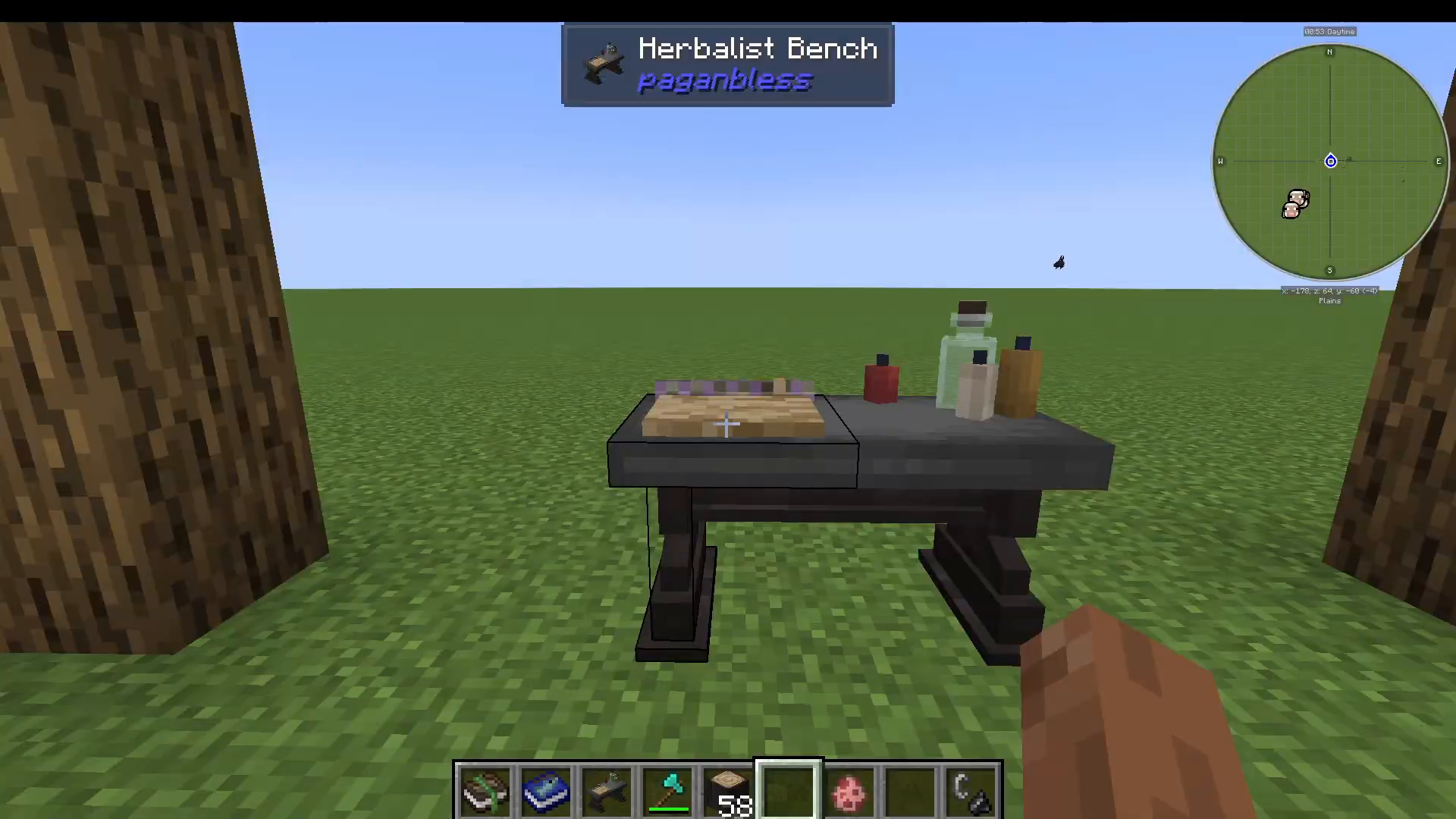
Once you have gathered your plants, you will need the Herbalist’s Bench to cut and dry them. To craft it, you need a Black Form Pressure Plate (made from Black Form Planks) and a Jar (also crafted using Black Form Logs), alongside some standard Minecraft materials.
Cutting Items on the Herbalist’s Bench
With the Just Enough Items (JEI) mod installed, press U on the Herbalist’s Bench to view all available recipes. As an example, using a Black Form Log with a Black Form Axe produces Black Form Sticks — and it takes five cuts to complete. Here is how to do it:
Right-click your Black Form Logs onto the cutting board.
Take your axe and click five times to make the cuts.
The sticks will pop out when complete.
You can load a full stack onto the board, and shift right-click to retrieve finished items.
Crafting the Bowline and Empty Incense
On the Herbalist’s Bench, you can also craft a bowline using a Black Form Stick combined with a Skeleton Skull. Use the bowline on the bench to produce an Empty Incense Bowl. Place the empty incense bowl on the floor — it will face whichever direction you are looking when you place it.
Making and Using Incense
To create incense, follow these steps:
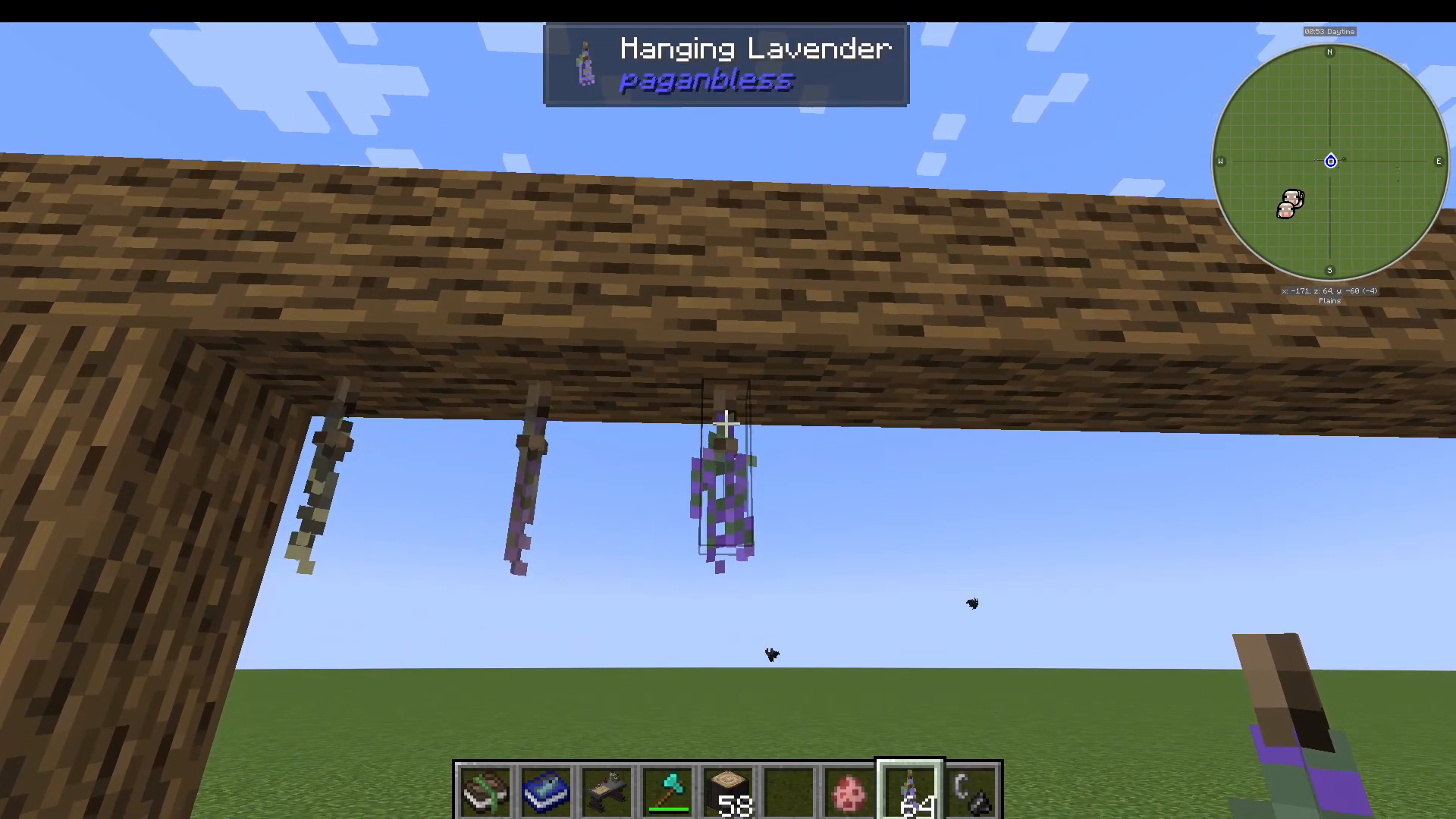
Combine rope with any herb (for example, Lavender) in your crafting grid to make Hanging Lavender.
Attach the hanging herb to the underside of a block so it hangs freely.
Wait a few minutes for it to dry into its dried hanging herb variant, then click to remove it.
Take the dried hanging herb back to the Herbalist’s Bench and chop it — for example, Dried Hanging Rue becomes Chopped Rue, and Dried Hanging Lavender becomes Chopped Lavender.
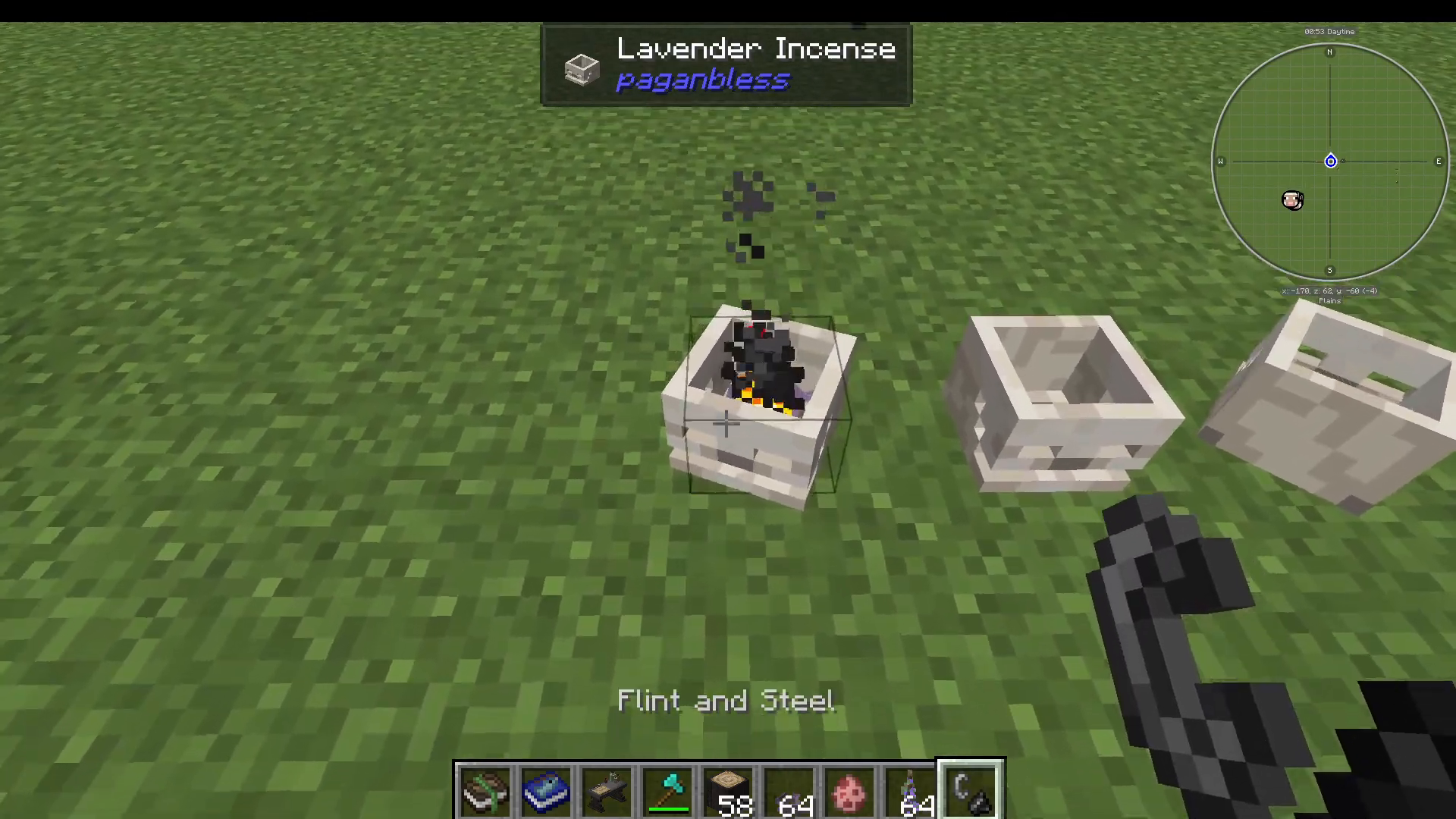
Place the chopped herb into your Incense Bowl, then light it with a Flint and Tinder.
Different herbs produce different effects when burned:
Lavender – Grants the Regeneration effect
Rue – Increases crop growth speed for nearby crops
Using the Impuing Cauldron
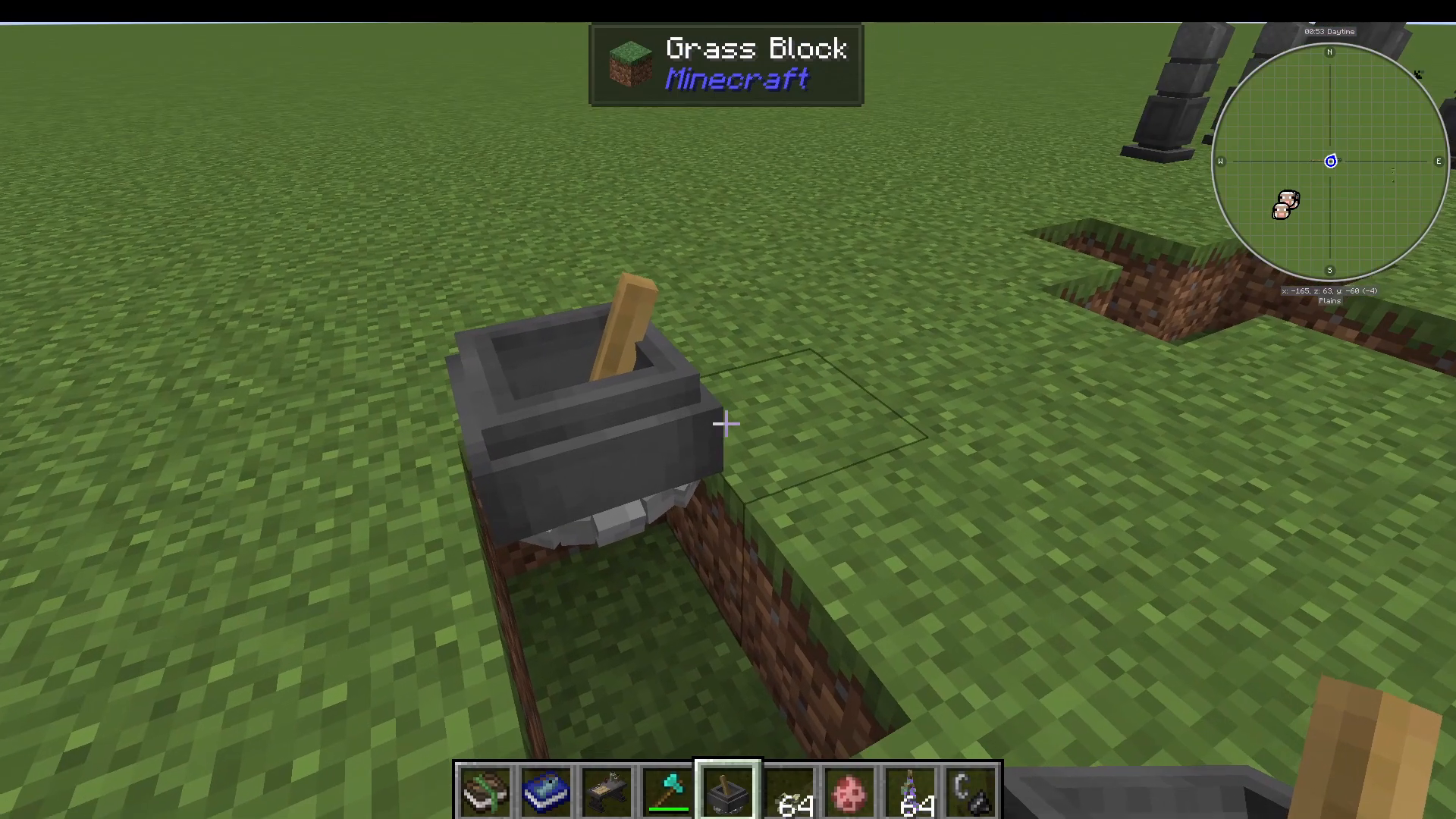
The Impuing Cauldron is where you will craft key ritual components. It is made simply from a Black Form Stick. Good news: it does not require a campfire underneath it to function.
Crafting Rune Slab Inert Stones
Press U on the Impuing Cauldron with JEI installed to view recipes. To make Rune Slab Inert Stones, you will need:
3× Cobbled Deep Slate
2× Any herb except Mandrake Root (Rue, Belladonna, etc. all work)
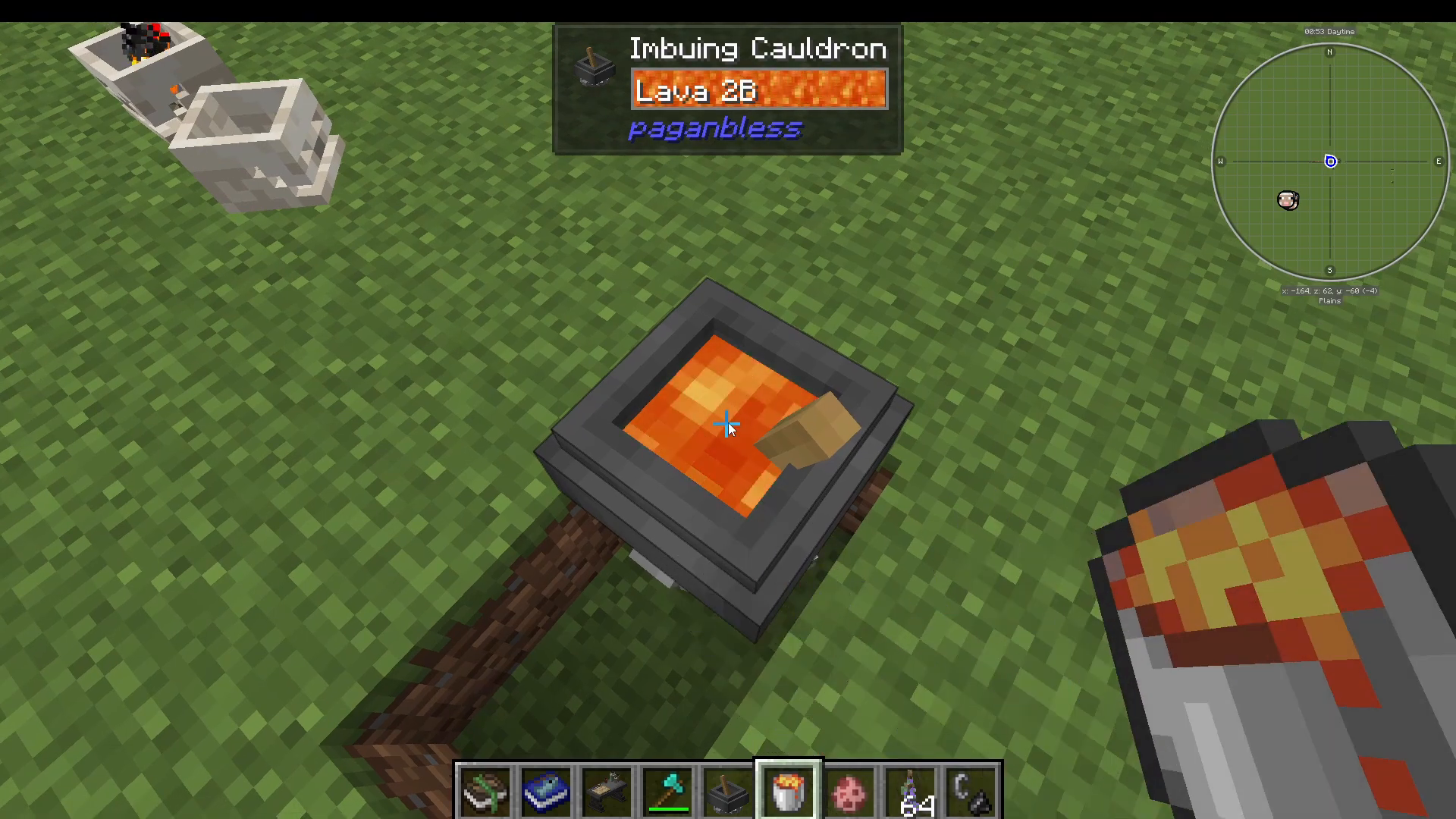
Lava (up to two buckets fit in the cauldron)
Right-click the lava bucket into the cauldron first, then right-click in your herbs and cobbled deep slate. You can arrange the items freely inside the cauldron — placement position does not matter. Once all ingredients are inside, Shift + Right-Click the cauldron to begin the process. After a few seconds, your Rune Slab Inert Stones will be ready.
Other Cauldron Recipes
The Impuing Cauldron can also produce:
Glazed Berries – An edible food item
Rune Charge – Used to recharge spent Rune Slabs after a ritual (covered below)
Anvil Smashing – Infusing Your Rune Slabs
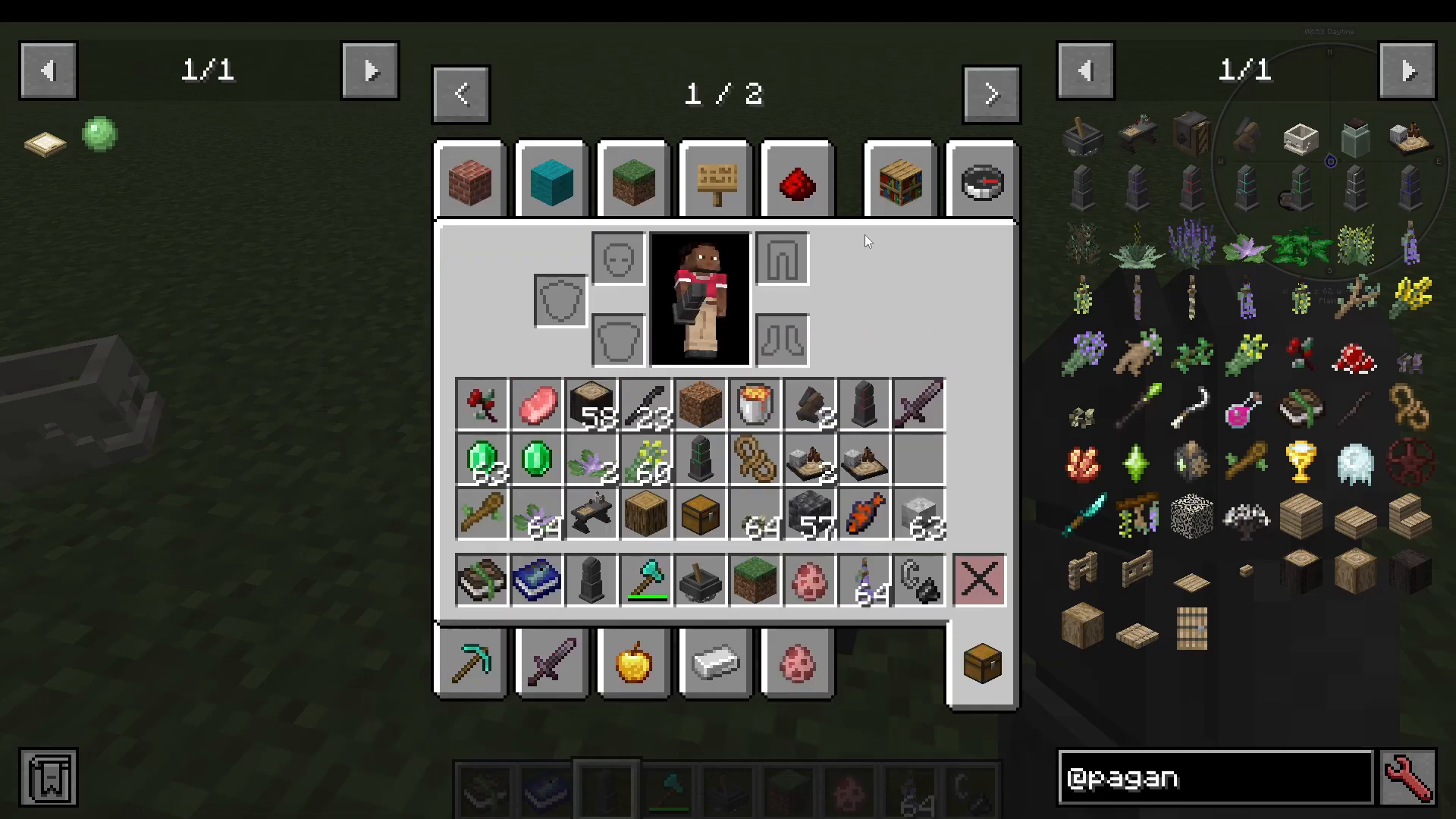
To upgrade a Rune Slab Inert Stone into a specific ritual-grade Rune Slab, you need to perform anvil smashing. Each gem or material produces a different type of Rune Slab:
Lapis Lazuli (5×) → Rune Slab Lapis
Diamond → Rune Slab Diamond
Amethyst → Rune Slab Amethyst
Cinnabar (mined from Redstone Ore) → Rune Slab Cinnabar
Emerald (3× required, despite some recipe displays showing 1) → Rune Slab Emerald
Nether Quartz → Rune Slab Quartz
Note: Recipe displays may not always show the correct quantity. If a recipe is not working, try adding more of the ingredient. For emeralds specifically, you need 3, not 1 as some recipe views suggest.
Method 1 – Vanilla Anvil Drop
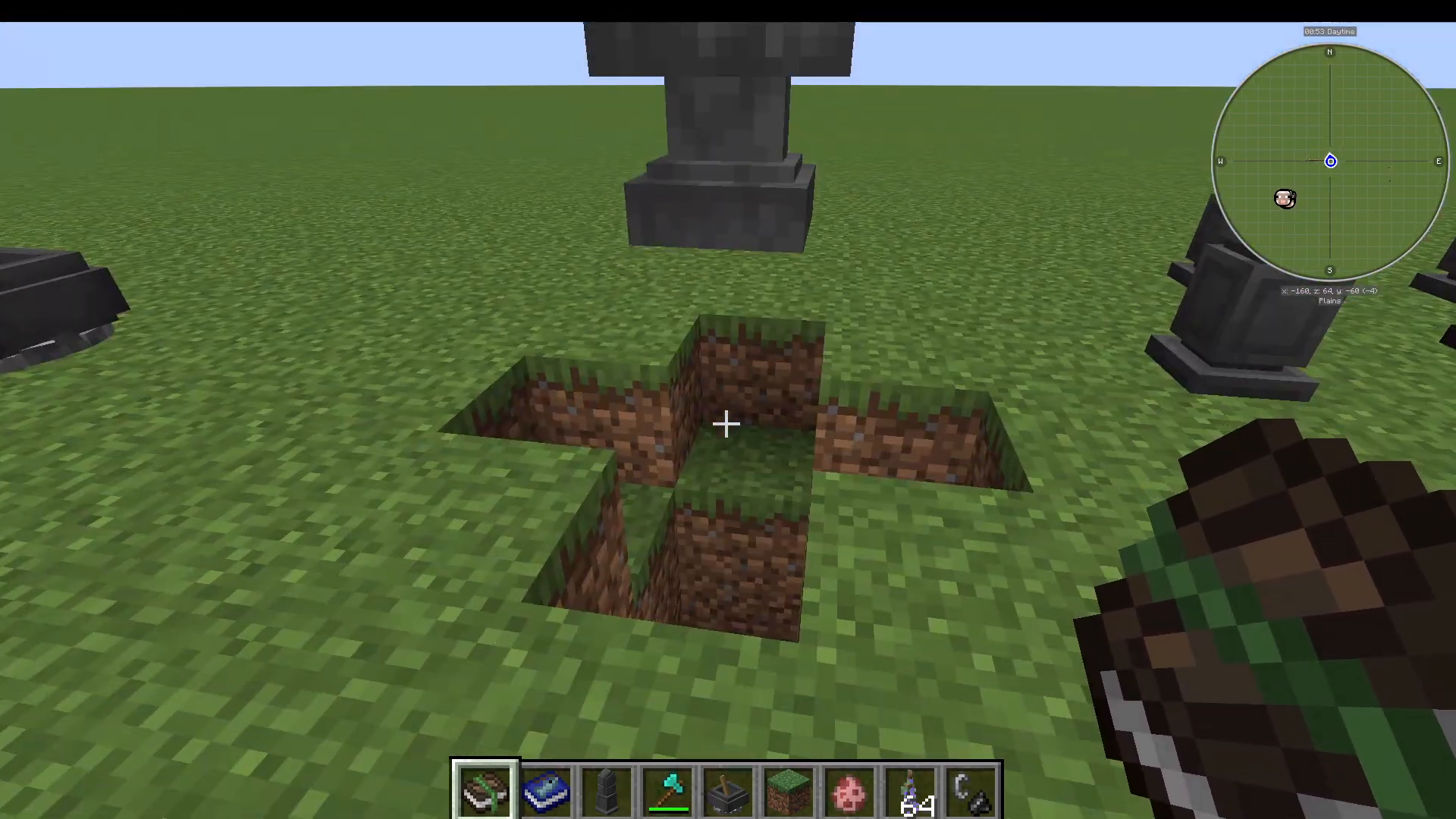
The simplest way to smash items is to place a Rune Slab Inert Stone and your gems on the ground, then drop a standard Minecraft Anvil on top of them from a height. The mod developer has noted that if it is not working, try dropping the anvil from a greater height. A drop of around four blocks has been confirmed to work reliably.
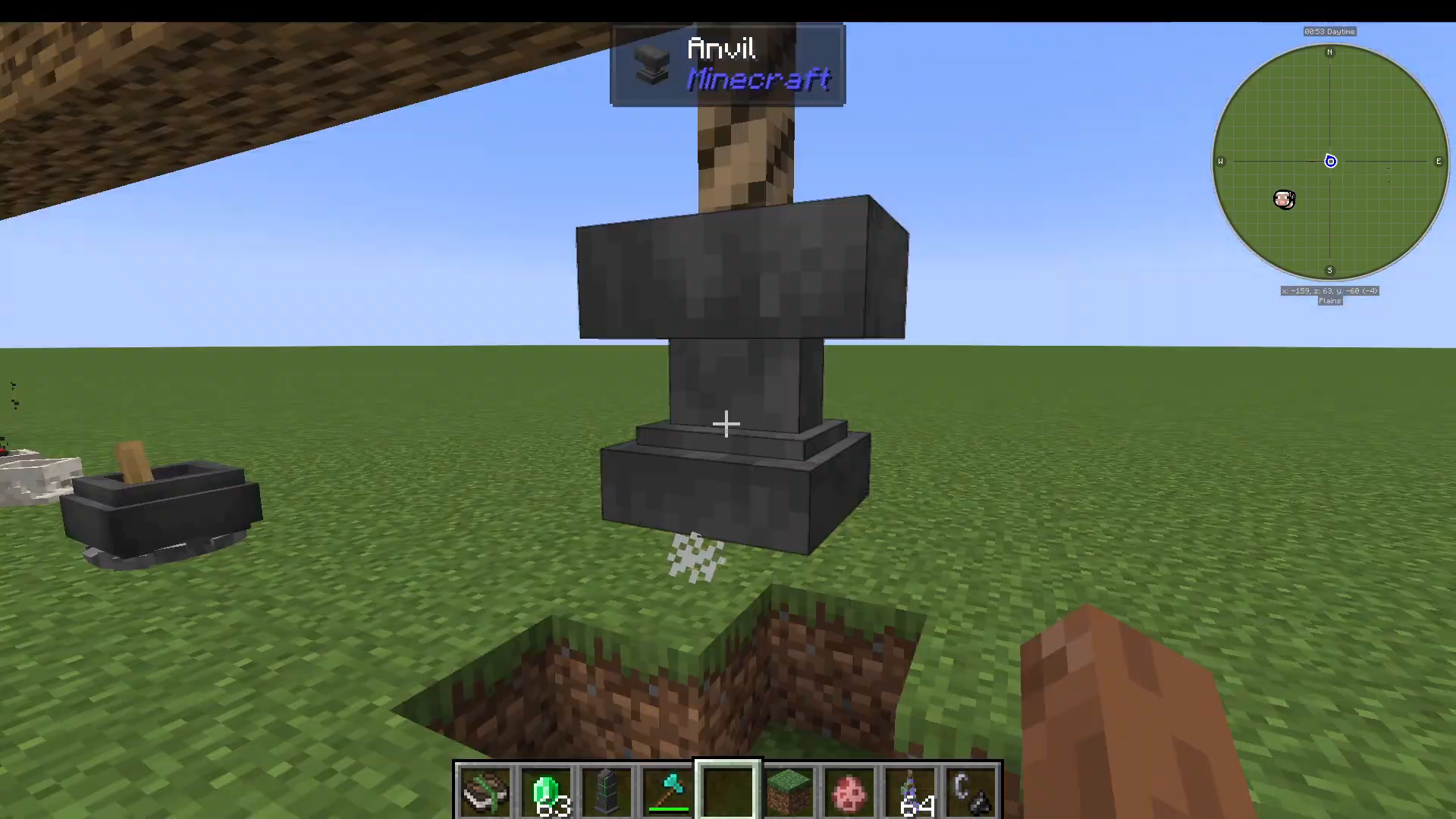
Method 2 – The Winch (Reusable Anvil Rig)
For repeated anvil smashing without consuming your anvil, you can build a Winch rig. You will need the following items:
1× Crank
1× Mechanical Component (requires vanilla anvil smashing to craft)
1× Winch
1× Anvil
Rope
Build the rig in this exact order — sequence matters:
Place rope vertically downward from your chosen height.
Place the Winch on top of the rope (rope must come first).
Right-click an Anvil onto the rope below the winch.
Attach the Crank to the winch by shift-clicking it from the correct angle — you will know it has locked on when it snaps into position.
Right-click the Winch and add Rope to its GUI.
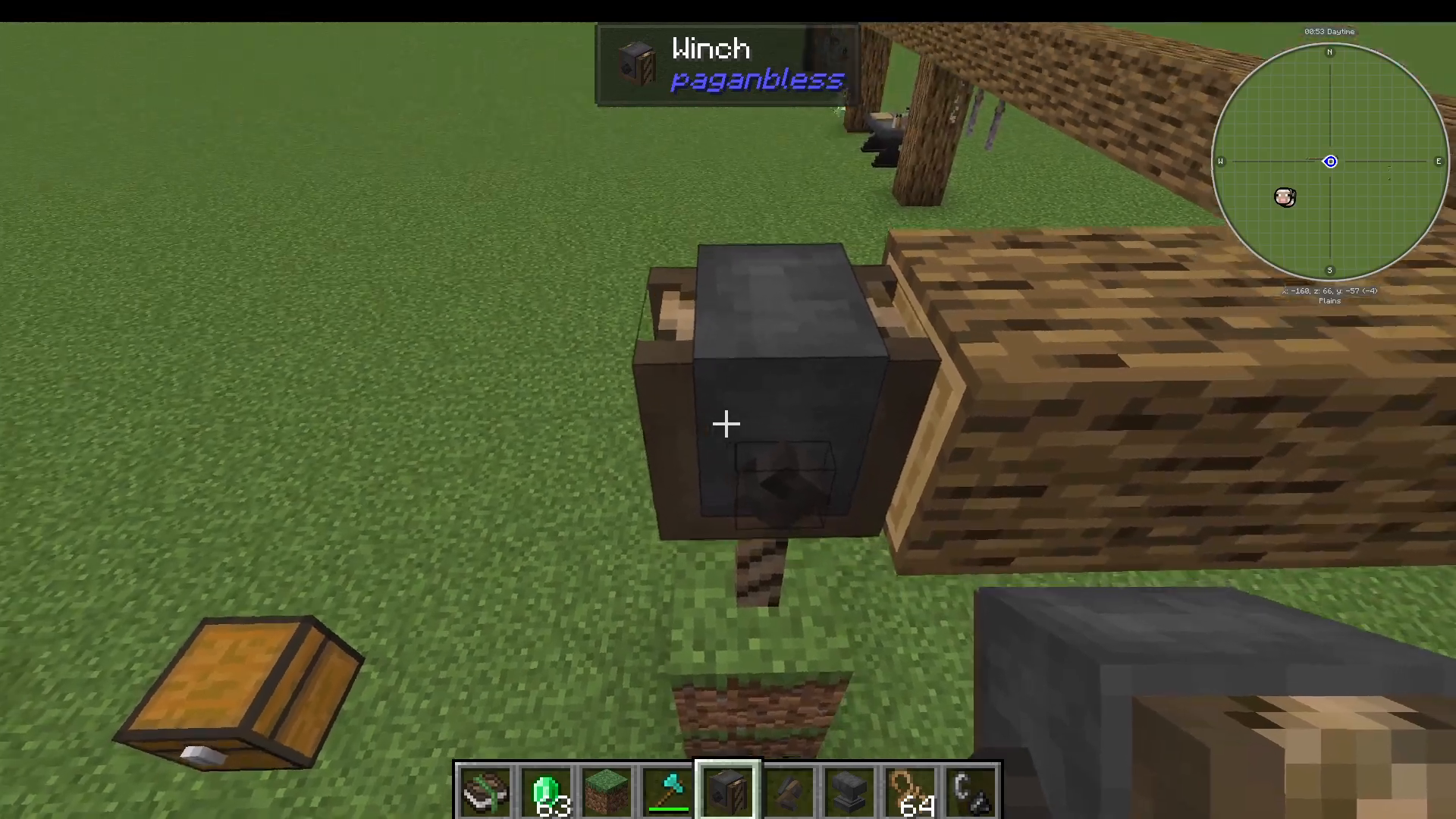
Dig a pit beneath the anvil that is at least four blocks deep. To operate:
Shift + Right-Click the crank once to slam the anvil down.
Right-click the crank several times to hoist the anvil back up.
This winch rig is reusable and the anvil should not break from this process, making it the most efficient setup for bulk crafting.
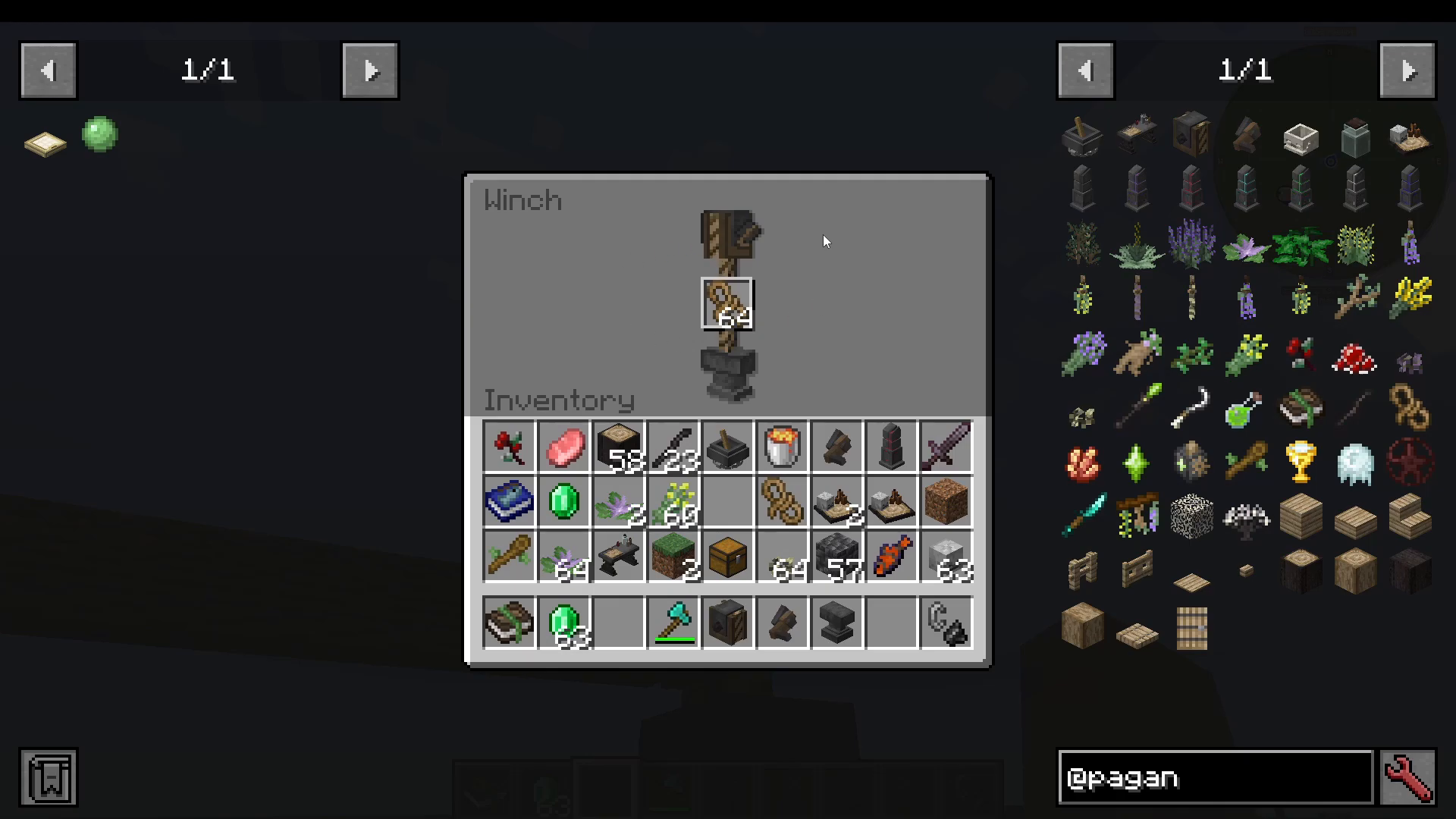
Performing Rituals
Rituals are the heart of Pagan’s Blessing. Each ritual uses a specific type of Rune Slab and rewards you with a powerful item. Here is what each Rune Slab ritual produces:
Diamond Ritual – Afame Weapon
Lapis Lazuli Ritual – Chalice (functions like a bottomless milk bucket, curing negative effects)
Emerald Ritual – Koila Slah Wand (grants growth to nearby plants)
Quartz Ritual – Eternal Snowball (an inexhaustible barrage of snowballs)
Amethyst Ritual – Wicken Ward
Cinnabar Ritual – Powerful Pentacle (spawns the sacrificed mob indefinitely)
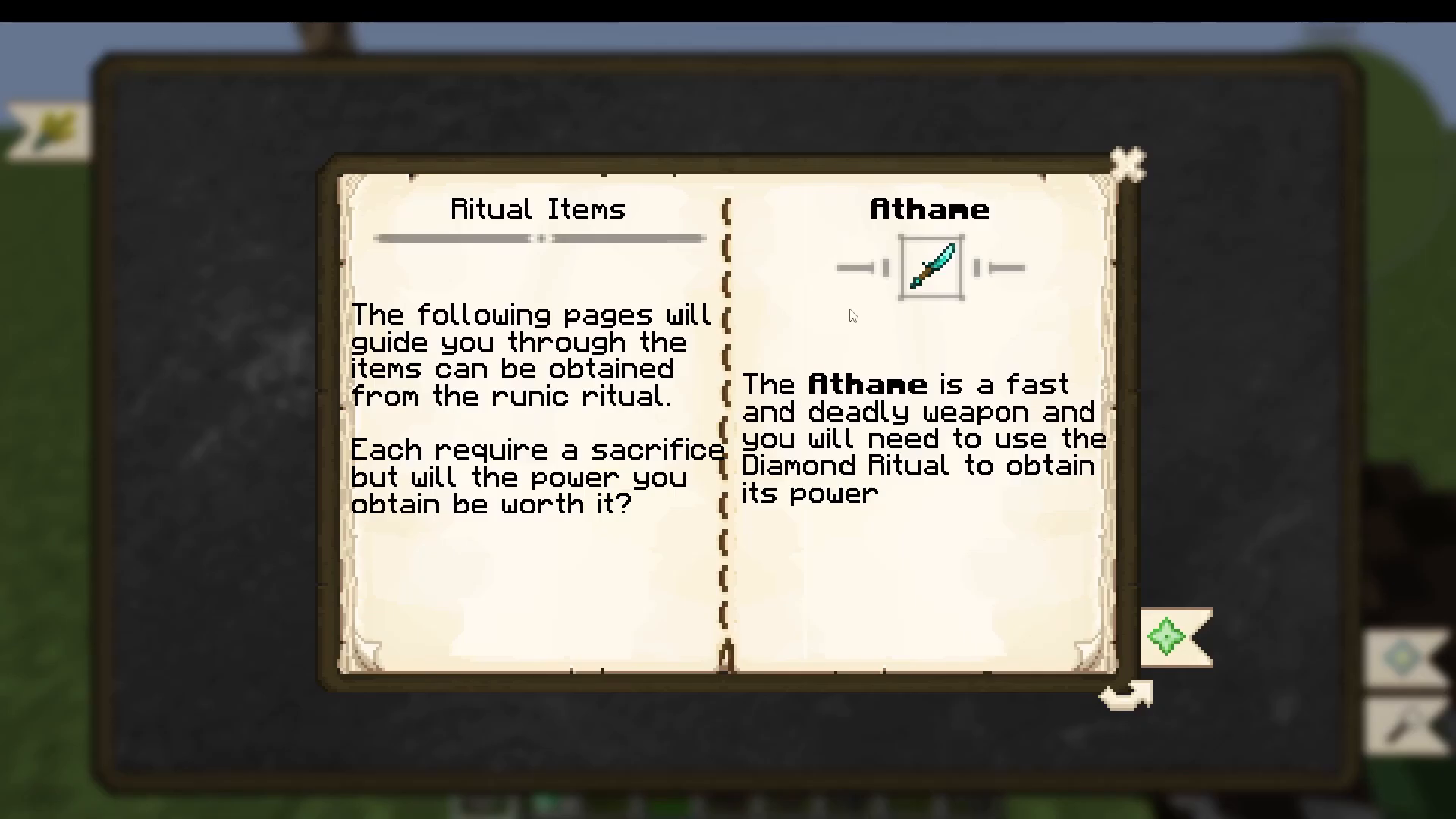
Setting Up the Ritual Circle
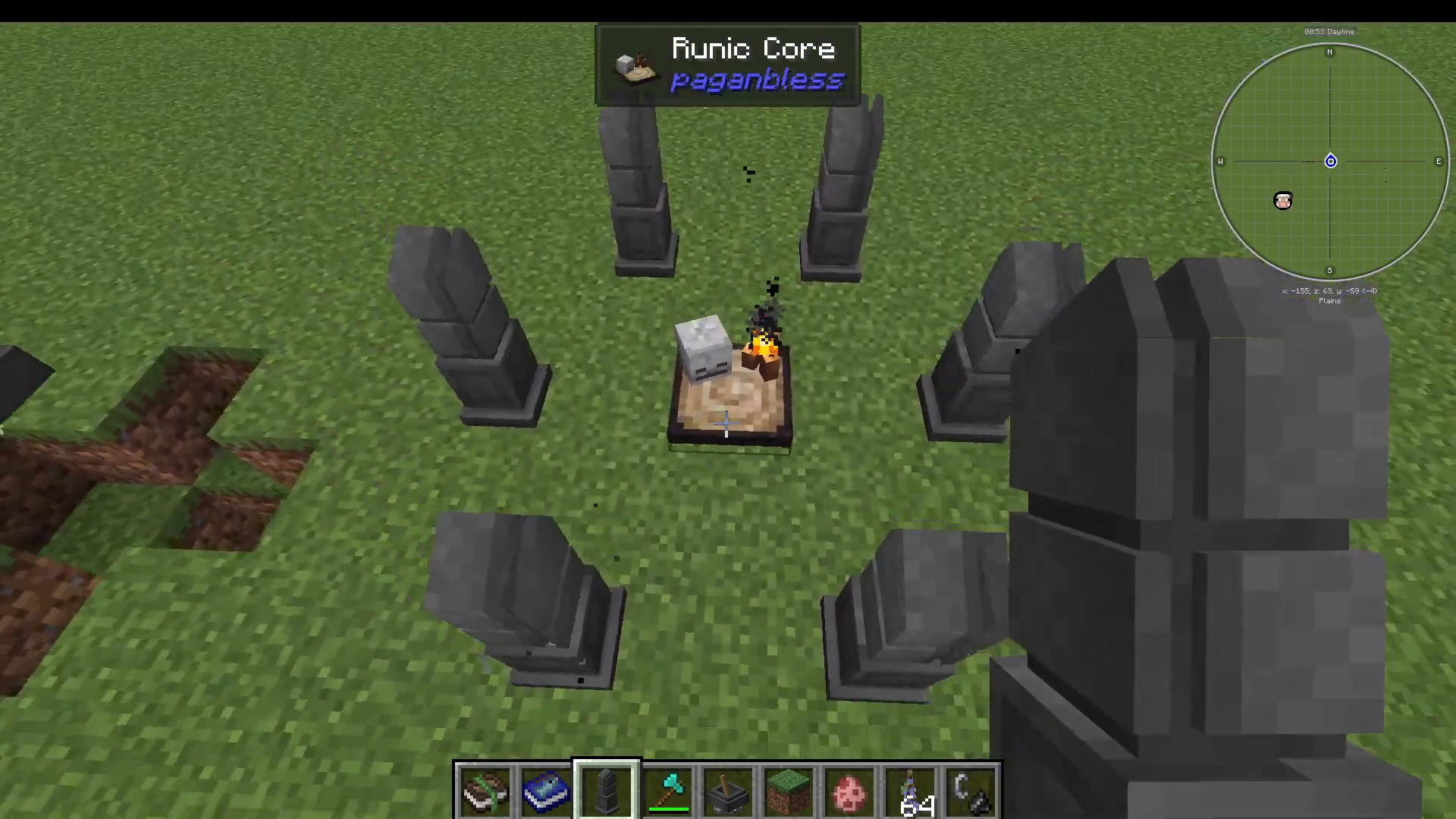
To place your ritual, open the Pagan Guide book, navigate to the Rune Ritual section, press Show Multiblock, and then right-click in the world to see a ghost preview of where each Rune Slab should be placed. Lay out your Rune Slabs according to this preview.
Crafting the Runic Core
The Runic Core is the centerpiece of every ritual and is crafted via anvil smashing. The confirmed working recipe uses:
Multiple Candles (more than 3 — load in as many as needed)
1× Black Form Log
1× Skeleton Skull
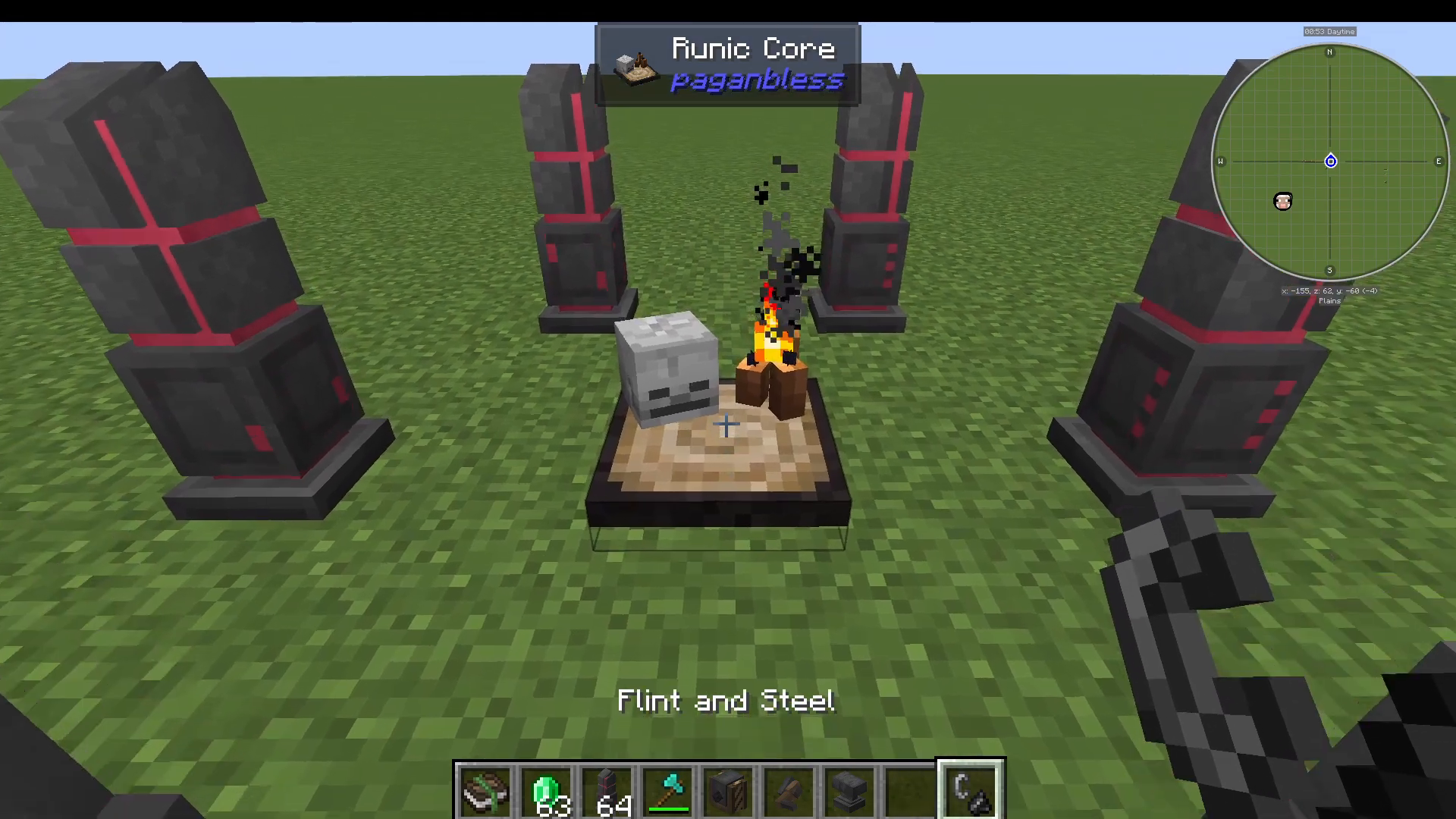
Place the Runic Core in the center of your ritual circle, then right-click it to confirm — it will display “Ritual is valid” if the slabs are laid out correctly.
Activating a Ritual – Step by Step
Using the Cinnabar (Pentacle) Ritual as an example:
Place Cinnabar Rune Slabs in the correct ritual circle pattern.
Place the Runic Core in the center of the circle.
Light the Runic Core using a Flint and Tinder, a Magma Charge, or a Fire Charge.
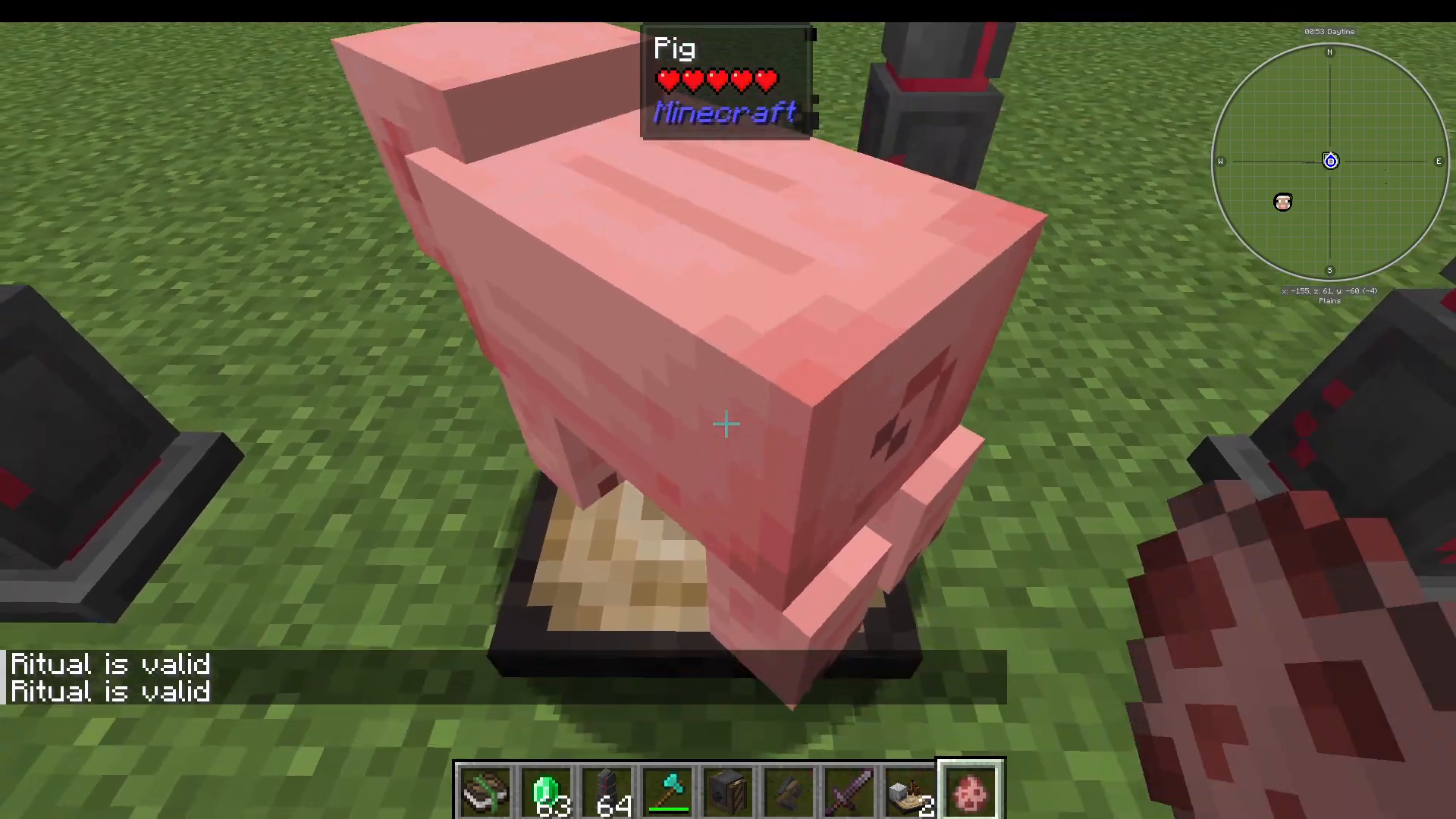
Shift right-click a mob (such as a Pig) to place it directly on top of the Runic Core. In older mod versions, the mob must be positioned directly over the core.
Kill the mob while it is inside the ritual circle.
The ritual will activate, the Rune Slabs will drain, and the reward item will appear in the center.
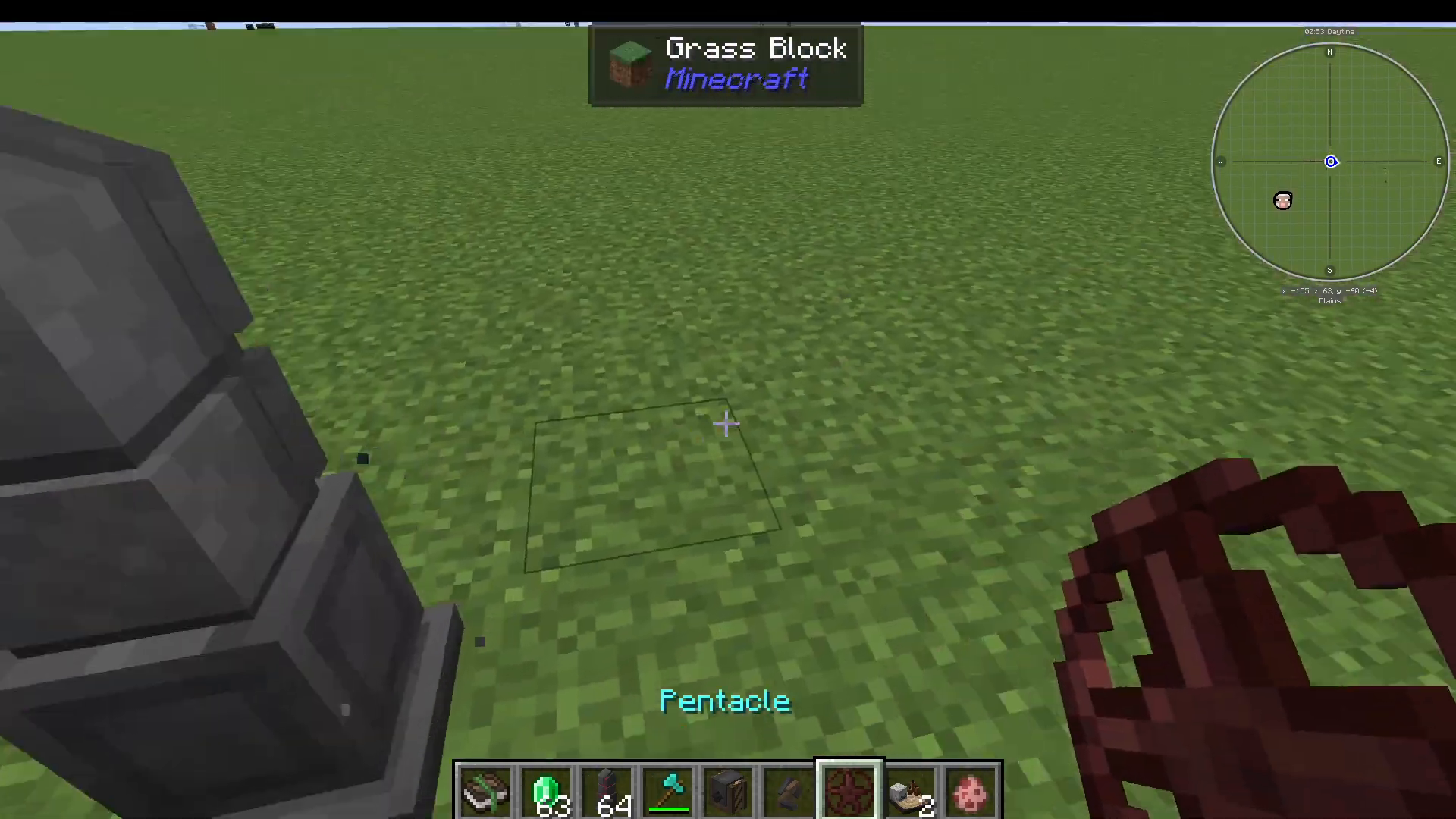
Right-click to collect your reward — in this case, the Pentacle.
Place the Pentacle in the world and it will permanently spawn whichever mob was sacrificed. Sacrifice a Zombie and it spawns Zombies forever. The mob you sacrifice determines the spawner’s output.
Recharging Rune Slabs with the Rune Charge
After a ritual, your Rune Slabs will be drained. To restore them without crafting new ones, use a Rune Charge — crafted in the Impuing Cauldron. Simply right-click the Rune Charge onto a drained Rune Slab and it will restore it to its previous charge type (for example, a drained Cinnabar slab is restored as a Cinnabar slab).
The Black Form Staff
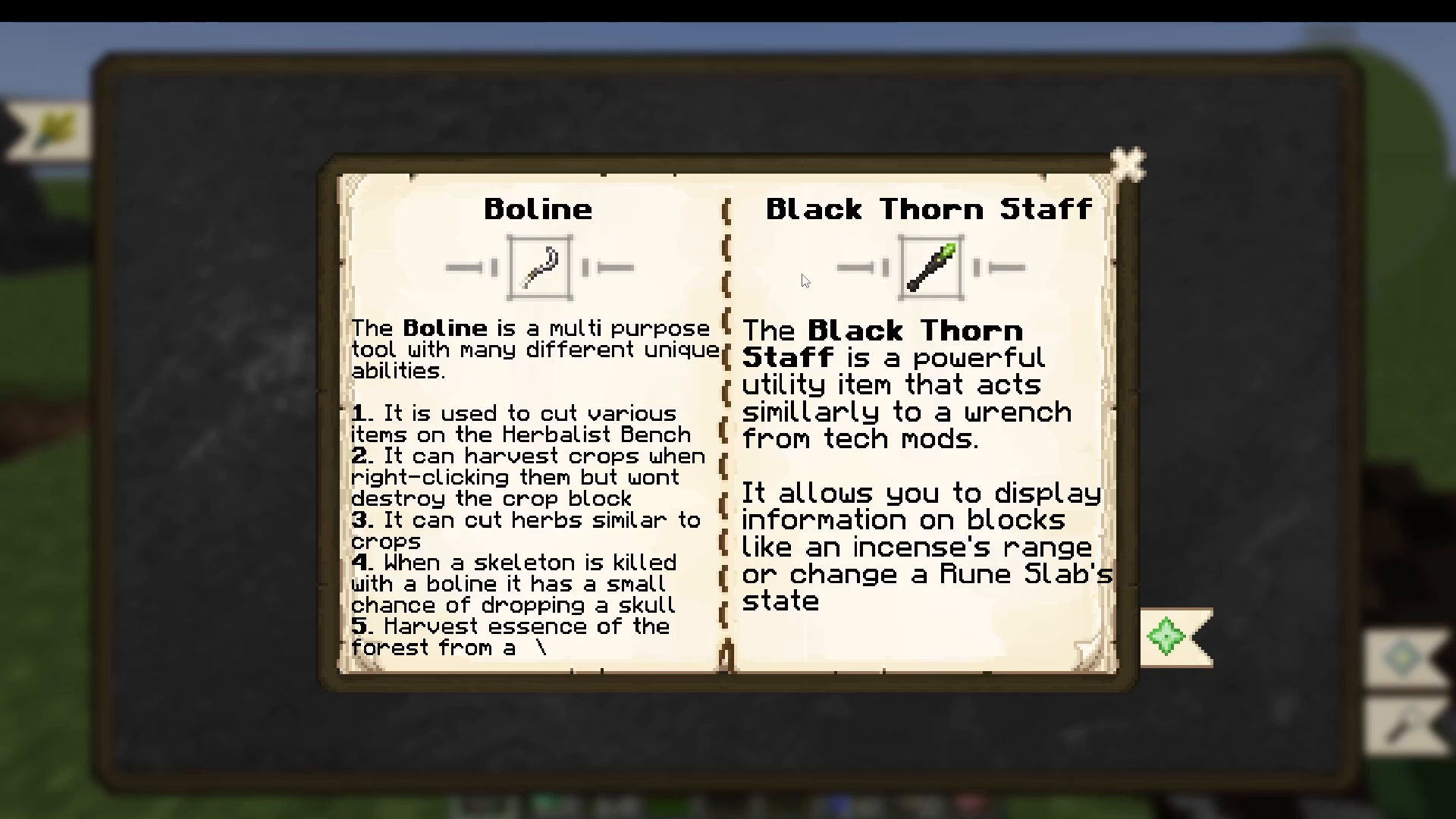
The Black Form Staff works similarly to a wrench from tech mods. Right-click it on any Pagan’s Blessing block to display useful information — such as the range of an Incense Bowl — or to cycle through the aesthetic states of a Rune Slab. Currently, the different states appear to be cosmetic only and do not affect ritual outcomes, but this may change in future mod updates.
Summary
Pagan’s Blessing is a well-crafted Minecraft magic mod that rewards exploration and preparation. Start by gathering plants across the correct biomes, then use the Herbalist’s Bench to dry and chop them for incense effects. Brew key components in the Impuing Cauldron, infuse Rune Slabs using anvil smashing (vanilla drop or the reusable Winch rig), and then perform rituals by sacrificing mobs on a lit Runic Core to earn powerful rewards like the Pentacle mob spawner or the Chalice. Keep your Rune Slabs topped up with Rune Charges and you will have a sustainable, endlessly rewarding ritual system at your disposal.
“`