







Mekanism – How to get Lithium Brine with Thermal Evaporation
Mekanism – How to Get Lithium & Brine with Thermal Evaporation
The thermal evaporation tank in Mekanism is one of the most effective ways to produce both brine and lithium. While it might look complicated at first glance, the process is actually straightforward once you understand the basic setup and components involved. This guide will walk you through building and operating a thermal evaporation plant from start to finish.
Understanding the Thermal Evaporation Plant
The thermal evaporation tank works by using heat to convert water into brine. The basic principle is simple: pump water into the tank, apply heat, and the system will passively produce brine. The hotter you get your thermal evaporation plant, the more brine and lithium it will produce.
Building Your Thermal Evaporation Tank
Basic Structure
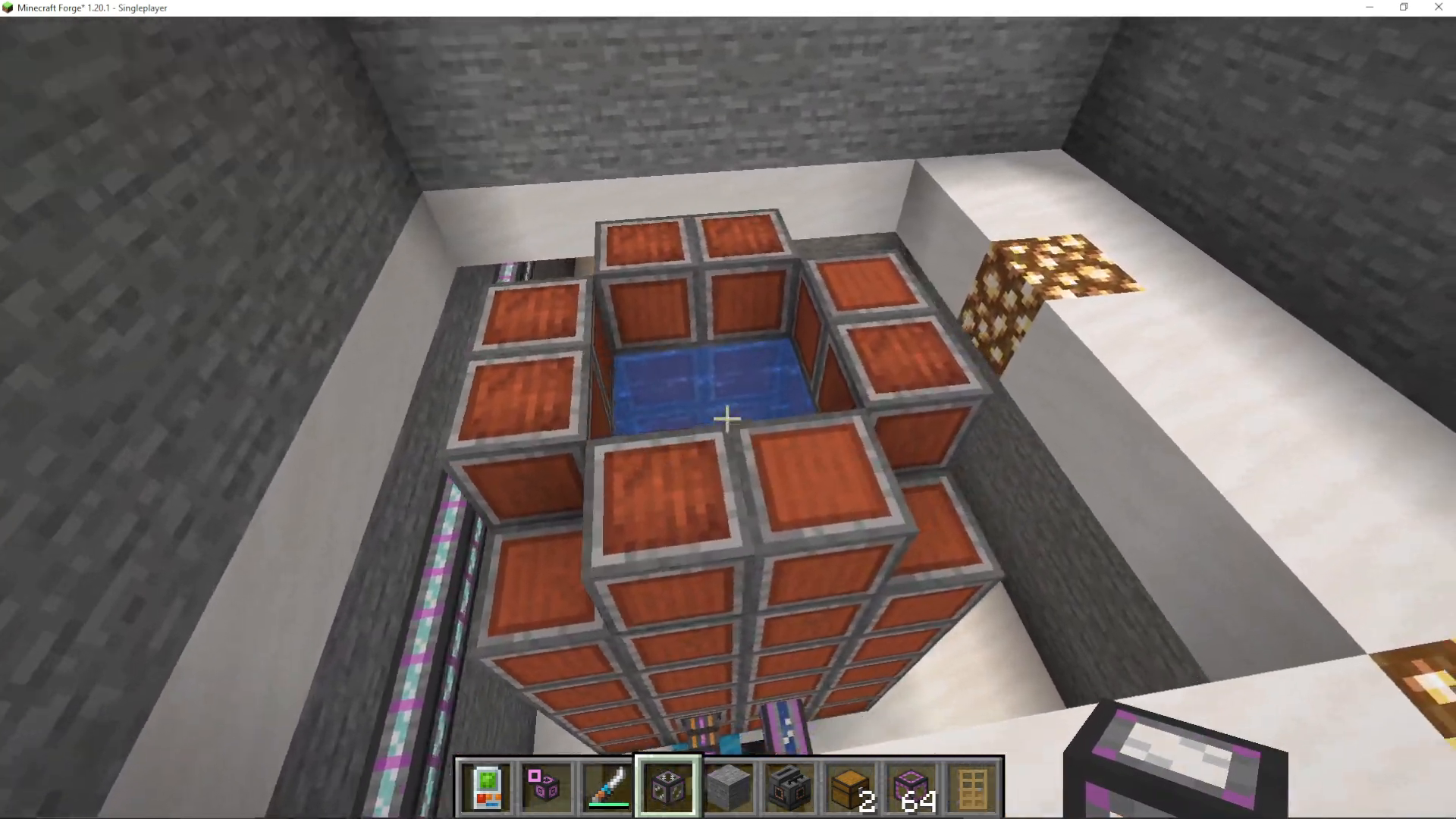
Start by laying out a four by four block formation of thermal evaporation blocks. In the standard setup, these blocks are made of steel and copper. You’ll also need one thermal evaporation controller and at least two thermal evaporation valves (though there are basic and advanced versions available).
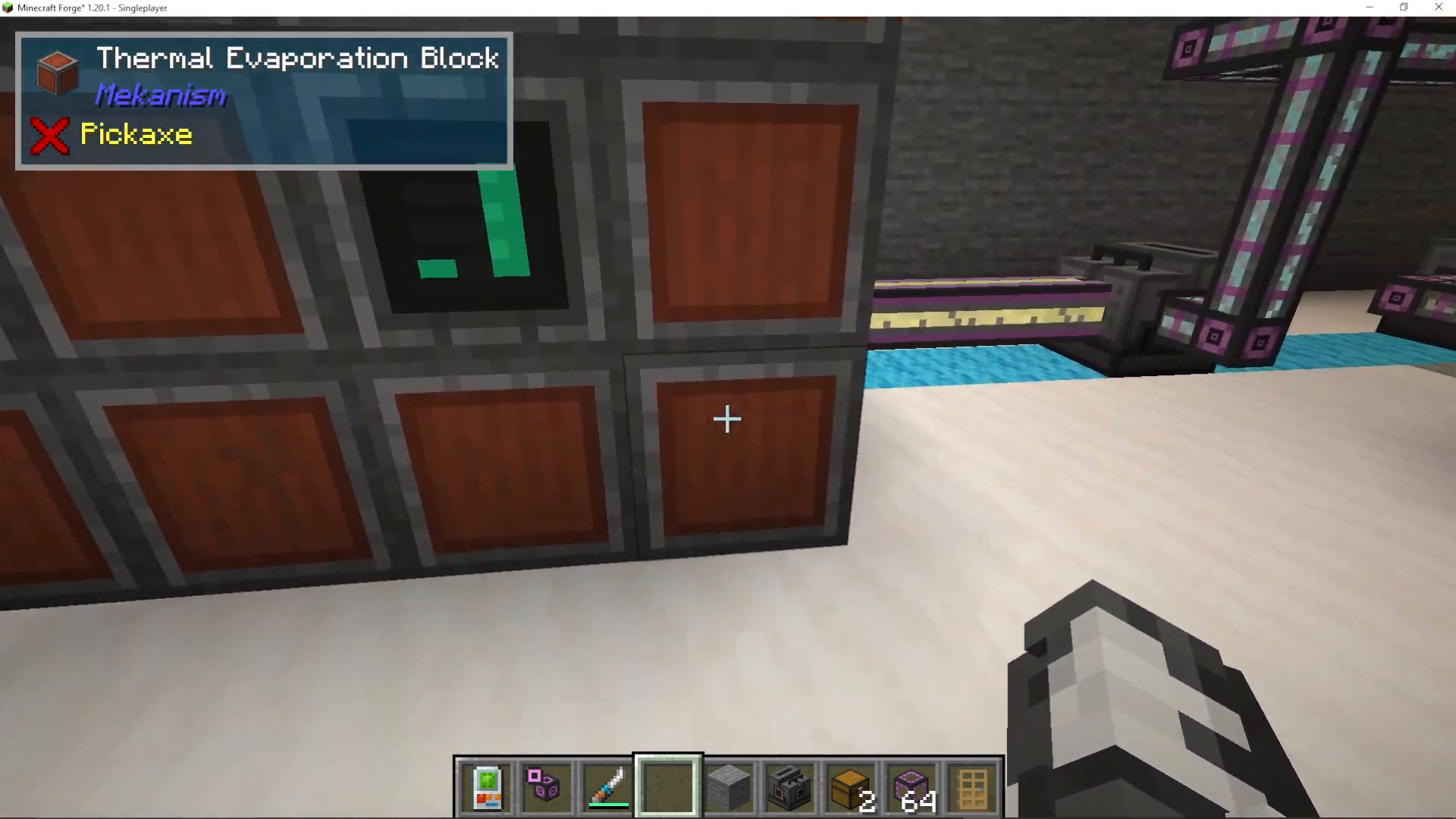
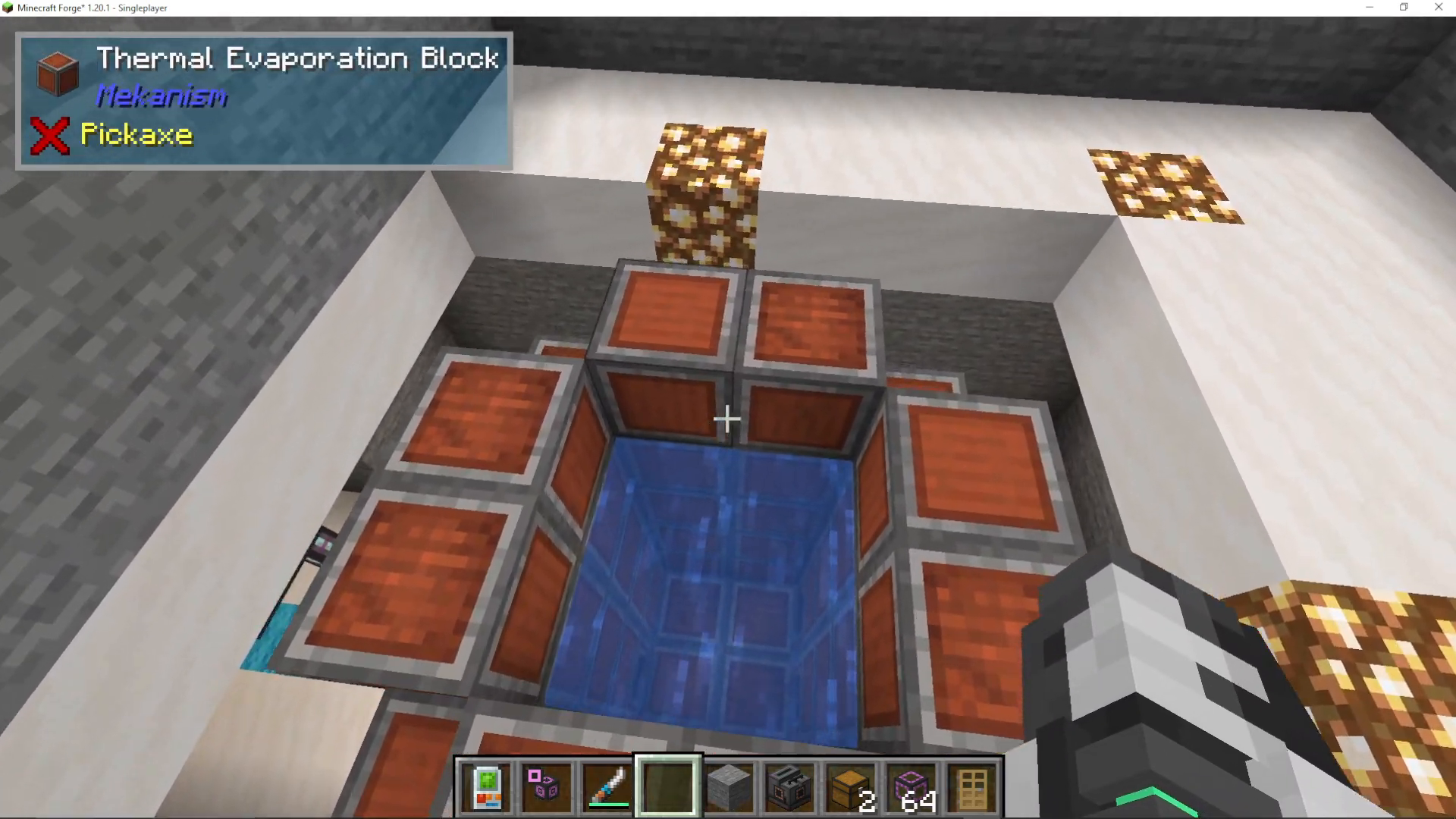
Build the structure upward with your four by four thermal evaporation blocks. The tank can reach a height of up to 17 blocks. Leave the corners off at the top, and also leave the top open to allow sky access. This open-top design is important for the system to function properly.
Water and Valve Configuration
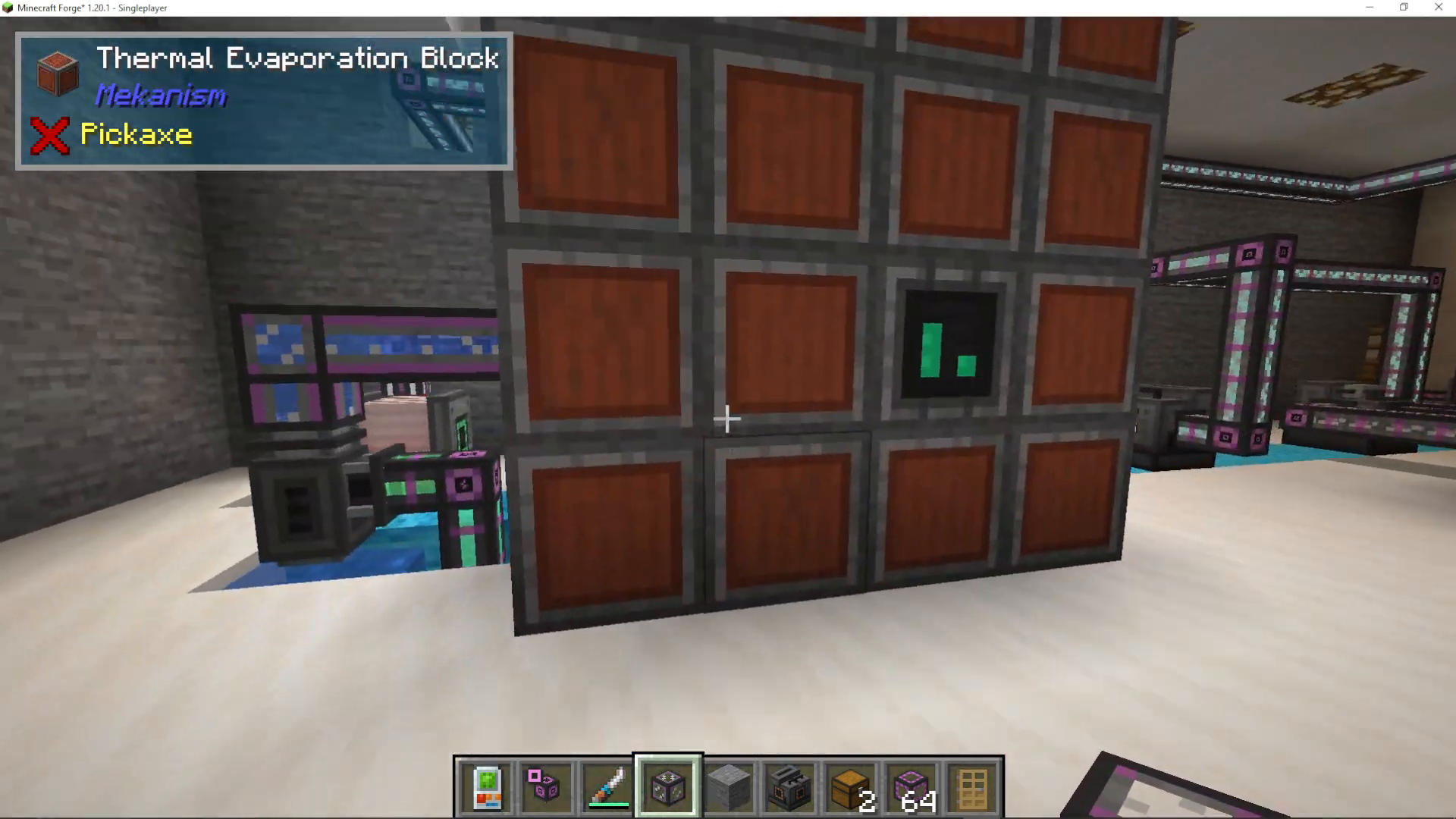
Place two valves on one side of your structure: one for water input and one for heat input. You’ll need another valve on the opposite side to output the brine. The controller will read the interface and manage the tank’s operations.
Adding Heat to Your System
The Resistive Heater Method
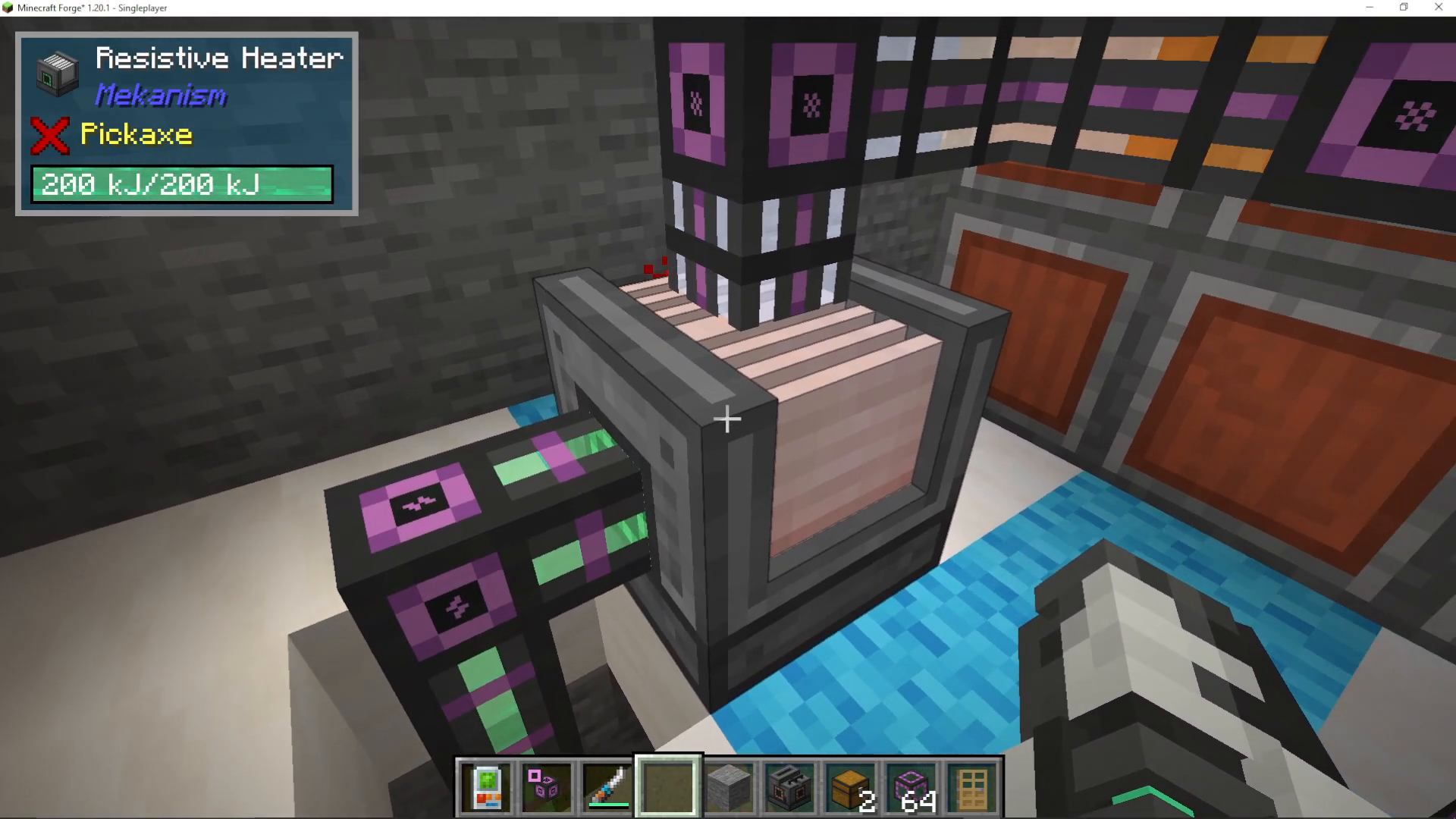
While your thermal evaporation plant can operate using ambient temperature, performance depends heavily on your biome. If your base is in a cold biome, you’ll need an additional heat source. The key component here is the resistive heater—not a heat generator, as many players mistakenly use.
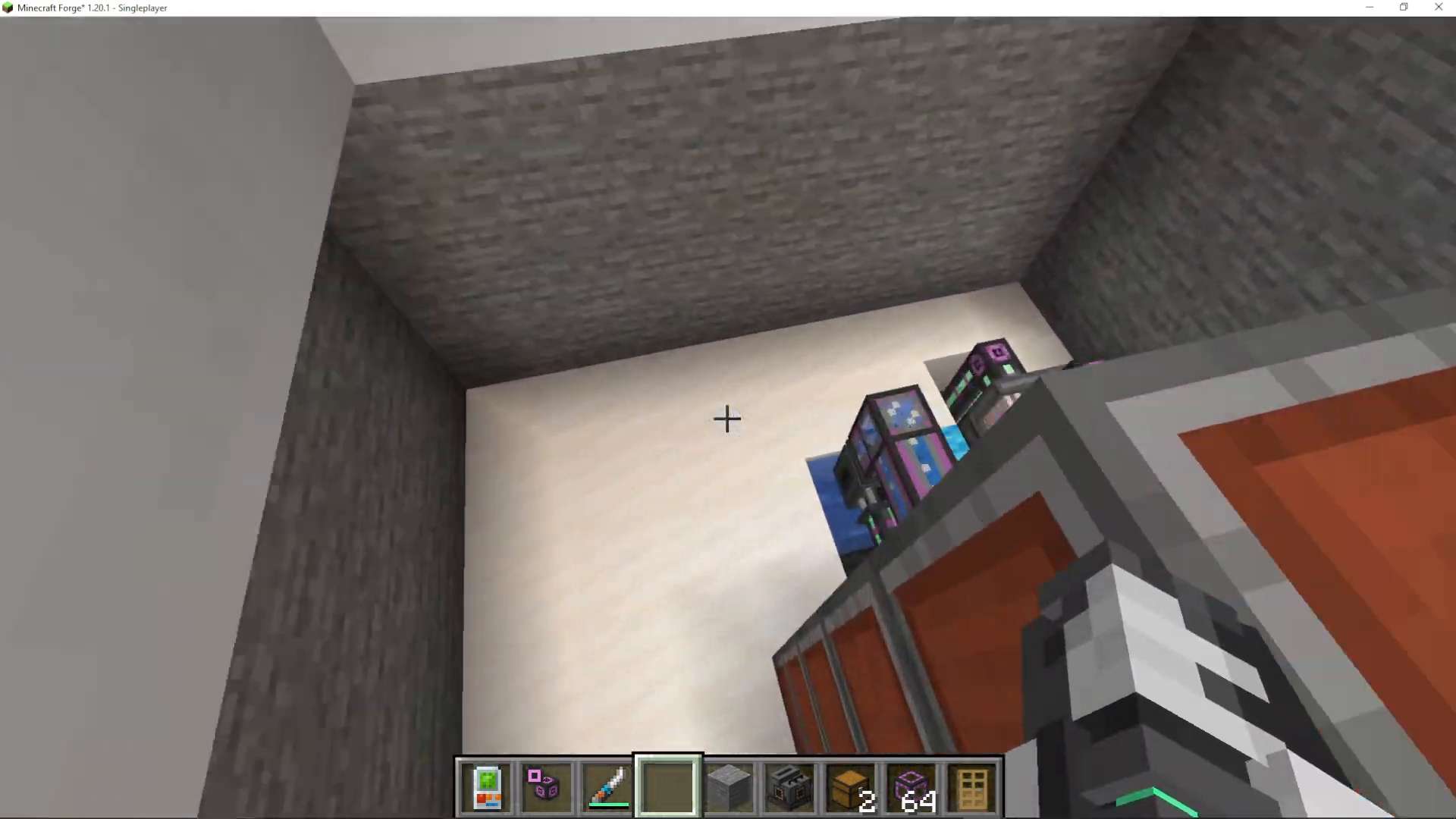
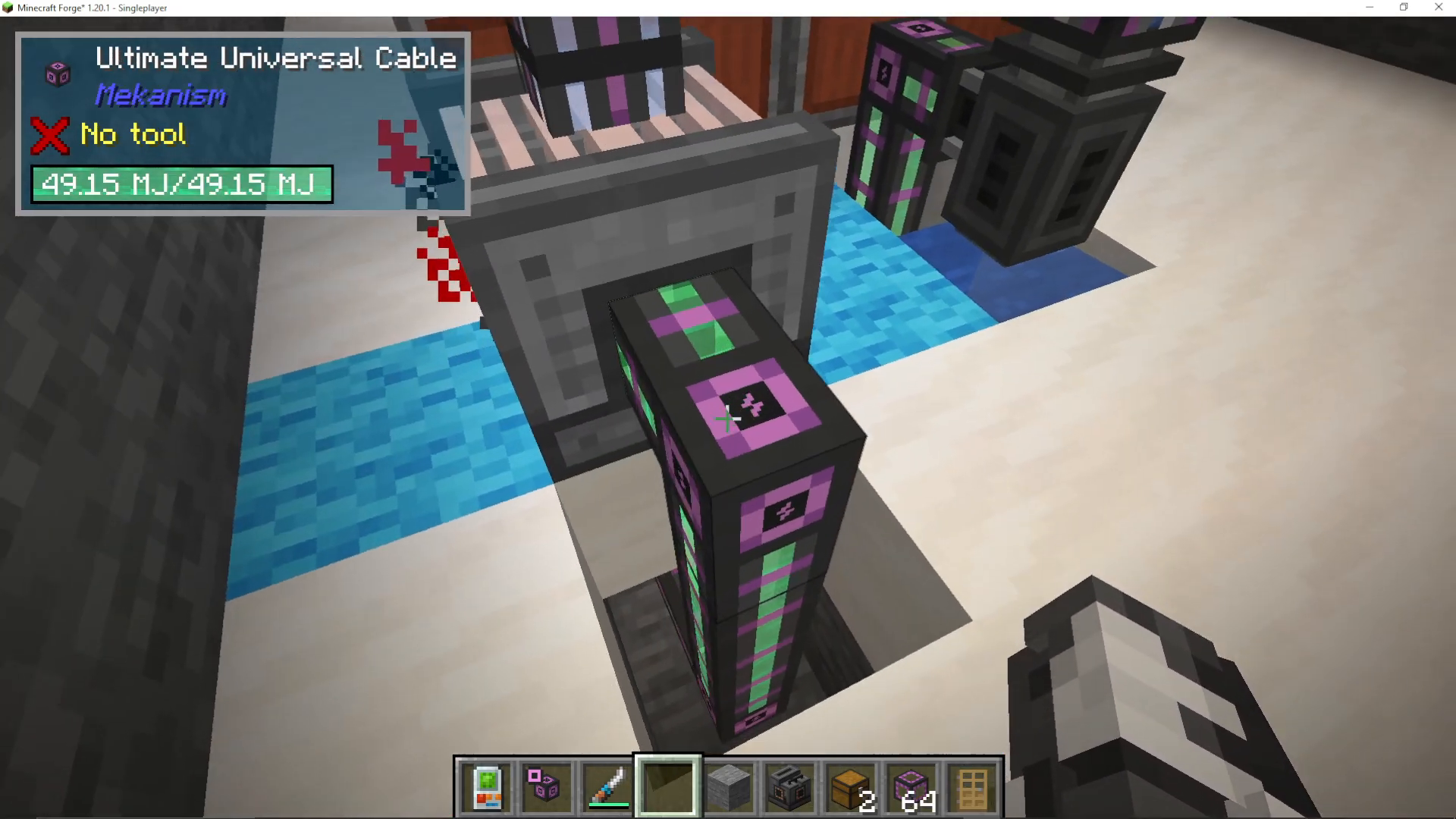
The resistive heater uses power to generate heat. Connect an ultimate universal cable from your power source into the resistive heater. You can set a specific temperature by inputting a value (for example, typing “450” will make the heater try to reach 450 Fahrenheit). Higher temperatures mean faster and more efficient brine production.
Transferring Heat to the Tank
Once your resistive heater is set up, use a thermodynamic conductor to transfer heat from the heater into one of your evaporation valves. You’ll be pumping heat into one valve and water (or brine) into another valve. For water input, use an electric pump if you want to stay within the Mekanism mod ecosystem.
Maximizing Efficiency with Advanced Solar Generators
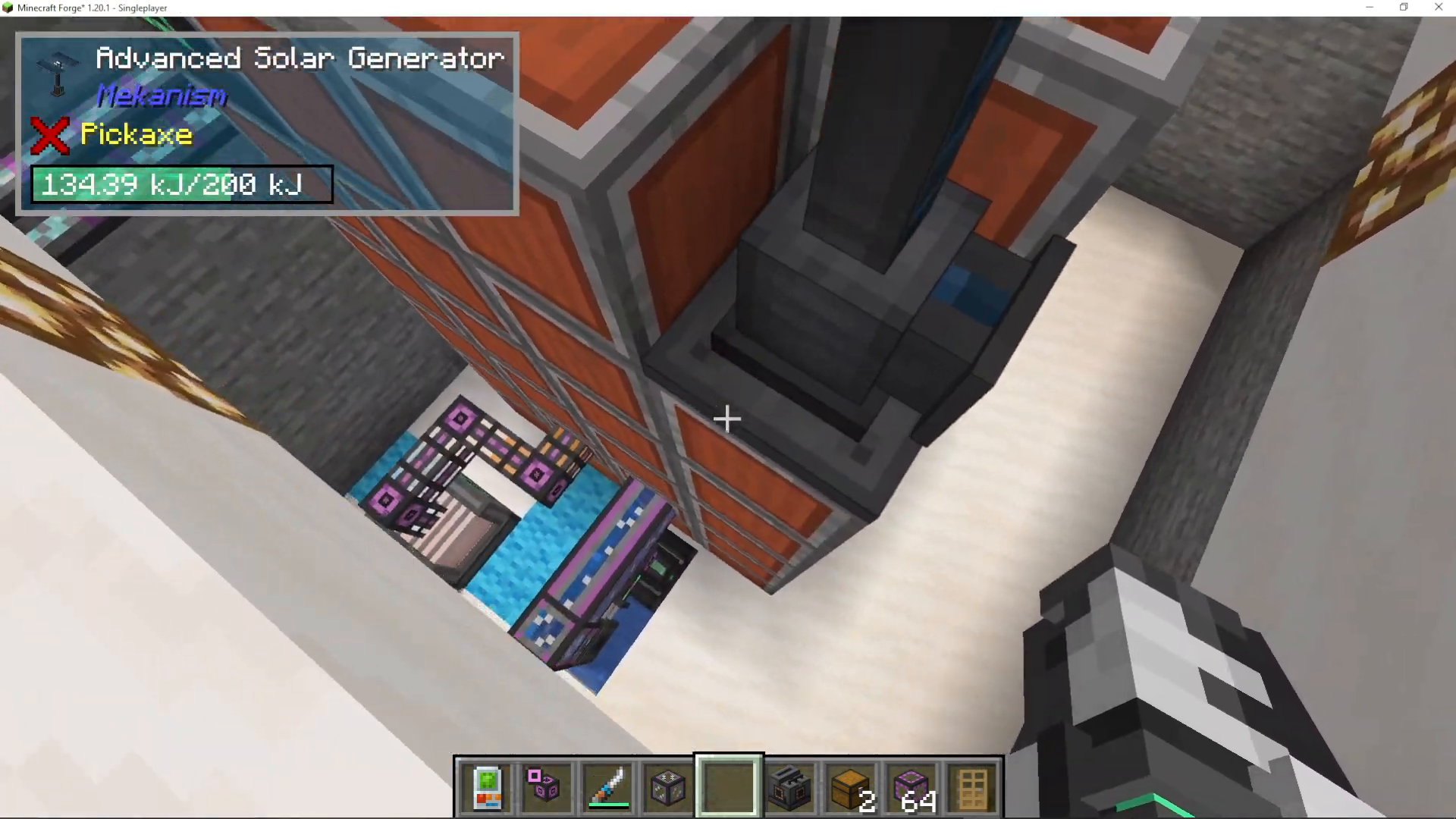
To boost your thermal evaporation plant’s efficiency even further, you can add advanced solar generators on top of the structure. Place one in each corner and one in the center (a total of five generators). This setup will maximize the heat generation and efficiency of your plant.
As you add these solar generators, you’ll notice the temperature climbing higher and higher, which means the system is generating brine at an accelerated rate.
Converting Brine to Lithium
Making lithium is nearly identical to making brine—with one key difference. Instead of pumping in water, you pump in brine as your input material. The thermal evaporation process will then convert the brine into liquid lithium.
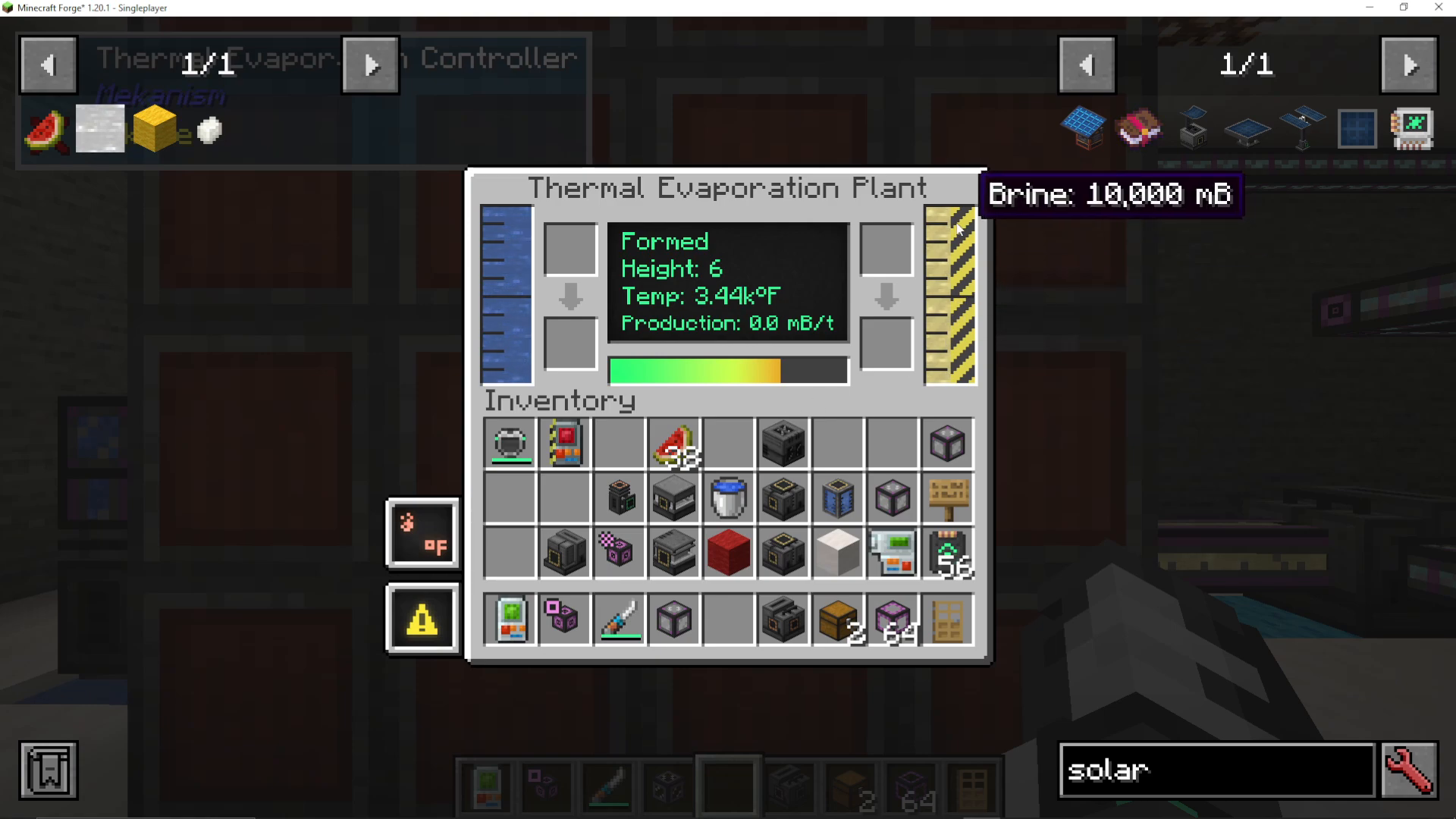
You can verify this recipe in JEI by searching for “lithium” and checking the thermal evaporation controller entry, which clearly shows that brine produces liquid lithium.
Summary
Building and operating a thermal evaporation plant in Mekanism is a manageable process once you break it down into steps. Create a four by four tank structure, add water and heat inputs through separate valves, use a resistive heater to control temperature, and optionally add advanced solar generators for maximum efficiency. Whether you’re producing brine from water or lithium from brine, the method remains consistent. With proper setup and adequate heat, your thermal evaporation plant will become a reliable source of these essential materials.
Want to Support?
If you would like to help us continue making these guides – please consider joining our patreon here – https://www.patreon.com/c/JaviHeals
Alternatively – we host a group of MC Servers you can join here – https://discord.gg/zD7Gjt6MHF