


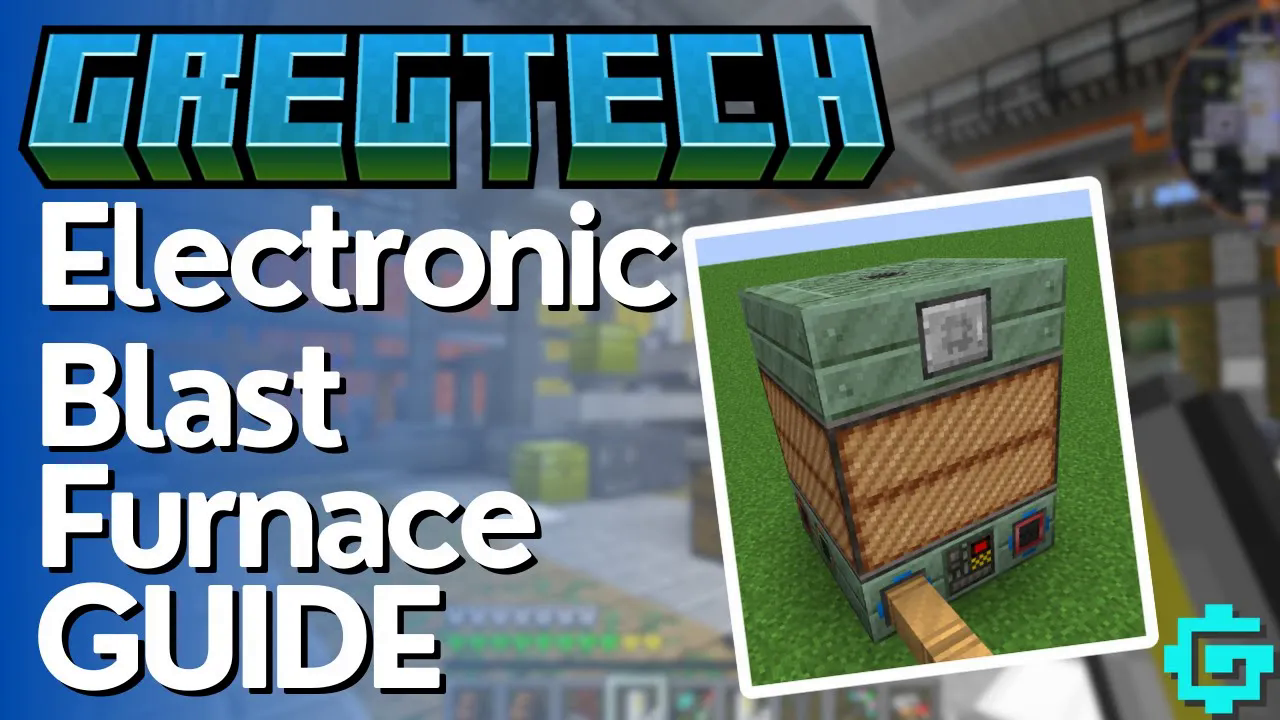
How to Make & Use the Electronic Blast Furnace – Gregtech CEu
How to Make & Use the Electronic Blast Furnace – Gregtech CEu
The Electronic Blast Furnace (EBF) is a powerful upgrade from the primitive brass furnace in Gregtech CEu. Unlike its predecessor, the EBF runs on electricity and offers unique advantages—including the ability to run medium voltage recipes even in low voltage setups. This guide walks you through everything you need to know about building and operating this essential multiblock machine.
Understanding the Electronic Blast Furnace Basics
The Electronic Blast Furnace is an electric multiblock machine that vastly improves upon the primitive brass furnace. What makes the EBF particularly interesting is its flexibility: you can actually process medium voltage recipes using low voltage power if you configure your energy hatches correctly.
To power the EBF in this example, four times tin cables are connected to a creative energy block with an amperage of four (or you can use multiple steam generators). The setup uses two LV energy hatches rated at two amperage each. Because 2 amp + 2 amp combines to create one amp of medium voltage, you can process higher-tier recipes than your voltage tier might otherwise allow.
Creating Cupronickel Coil Blocks
The Electronic Blast Furnace’s coils determine its capabilities. The machine uses cupronickel coil blocks, which are crafted using an LV basic assembler.
To make cupronickel coil blocks, you’ll need:
Bronze foil
Cupronickel wire
Liquid tin alloy
Cupronickel ingots are created in the alloy smelter by combining nickel ingots and copper ingots. Once you have cupronickel ingots, process them into cupronickel wire. Liquid tin alloy is produced in the basic extractor (LV required) using tin ore. Pipe the liquid tin alloy into the assembler along with your bronze foil and cupronickel wire to create the cupronickel coil blocks.
Assembling the Electronic Blast Furnace Multiblock
Machine Structure
The EBF requires heat proof Invar machine casing as its base structure. To create heat proof Invar machine casing, you’ll need:
Nickel ingots
Wrought iron
These are best combined in the alloy smelter. Gregtech offers multiple crafting paths for most items, so explore the machines to find your preferred method.
Required Hatches and Buses
The EBF requires several input and output components. Understanding the difference between hatches and buses is crucial:
Hatches: Used for liquids
Buses: Used for items
For a basic EBF setup, you need:
Two LV energy hatches (for power input)
One ultra-low voltage input hatch (or higher, for liquid input like oxygen gas)
One ultra-low voltage input bus (for solid items like cobaltite)
One LV output bus (for item outputs)
One ultra-low voltage output hatch (for gaseous outputs)
One maintenance hatch (for repairs and maintenance)
One muffler hatch (for waste products like tiny piles of ashes)
Hatch Capacity Considerations
Different voltage tiers of hatches and buses have different capacities. Understanding these differences helps you optimize your machine:
Fluid Capacity:
Ultra-low voltage output hatch: 8 millibuckets (8 buckets)
LV output hatch: 16 buckets
MV output hatch: 32 buckets
Item Slots:
Ultra-low voltage input bus: 1 item slot
LV input bus: 4 item slots
MV input bus: 9 item slots
HV input bus: 16 item slots
You can mix and match hatch voltages to match your recipe requirements. For early game resource efficiency, use lower voltage hatches when recipes don’t require the extra capacity.
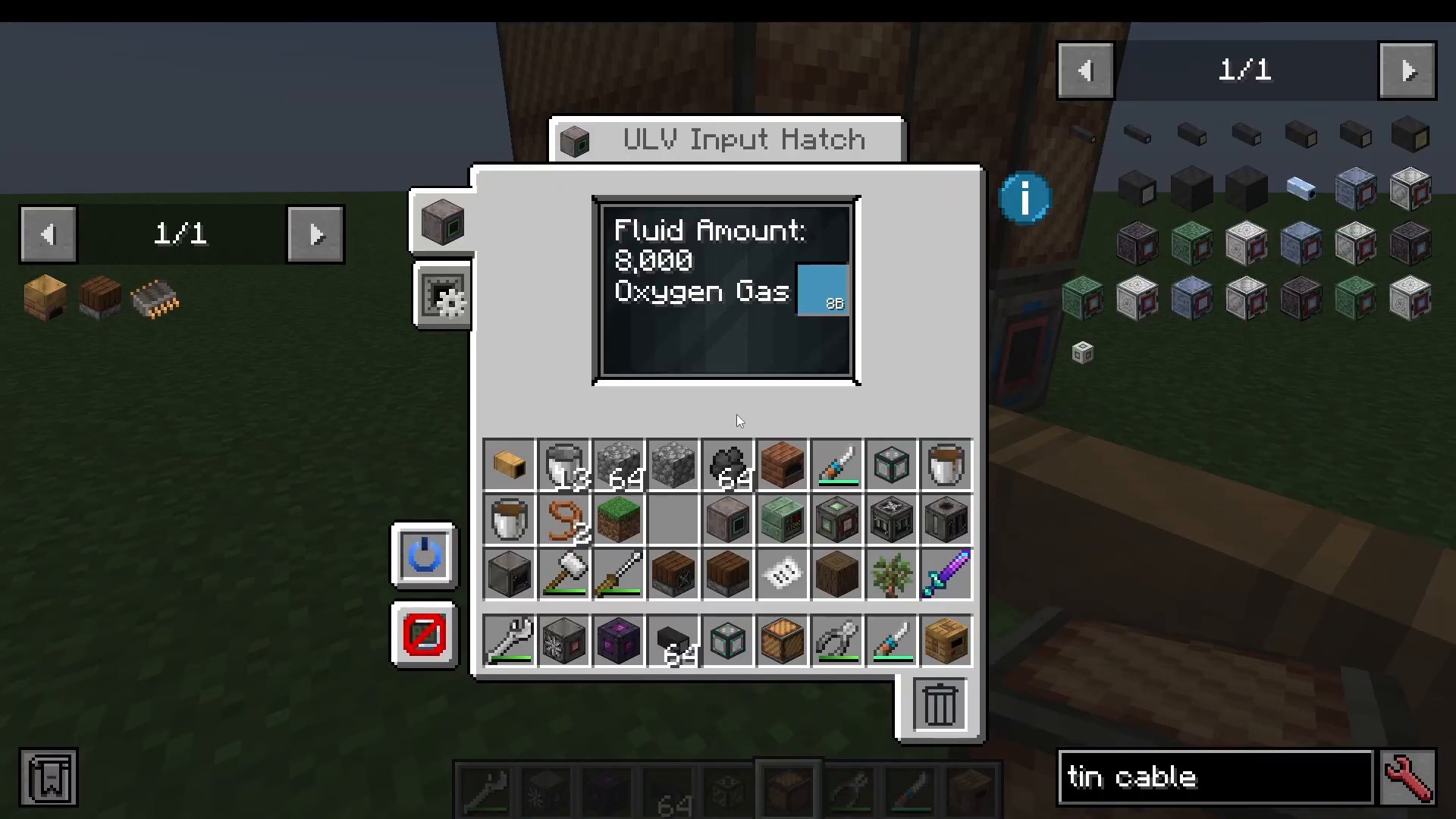
If a recipe requires two item outputs but you only have an ultra-low voltage output bus (1 slot), the machine will idle because it cannot output the required items. For the arsenic trioxide recipe in this example, which outputs sulfur dioxide and cobalt oxide, you must use at least an LV output bus with 4 slots.
Crafting Individual Hatch Components
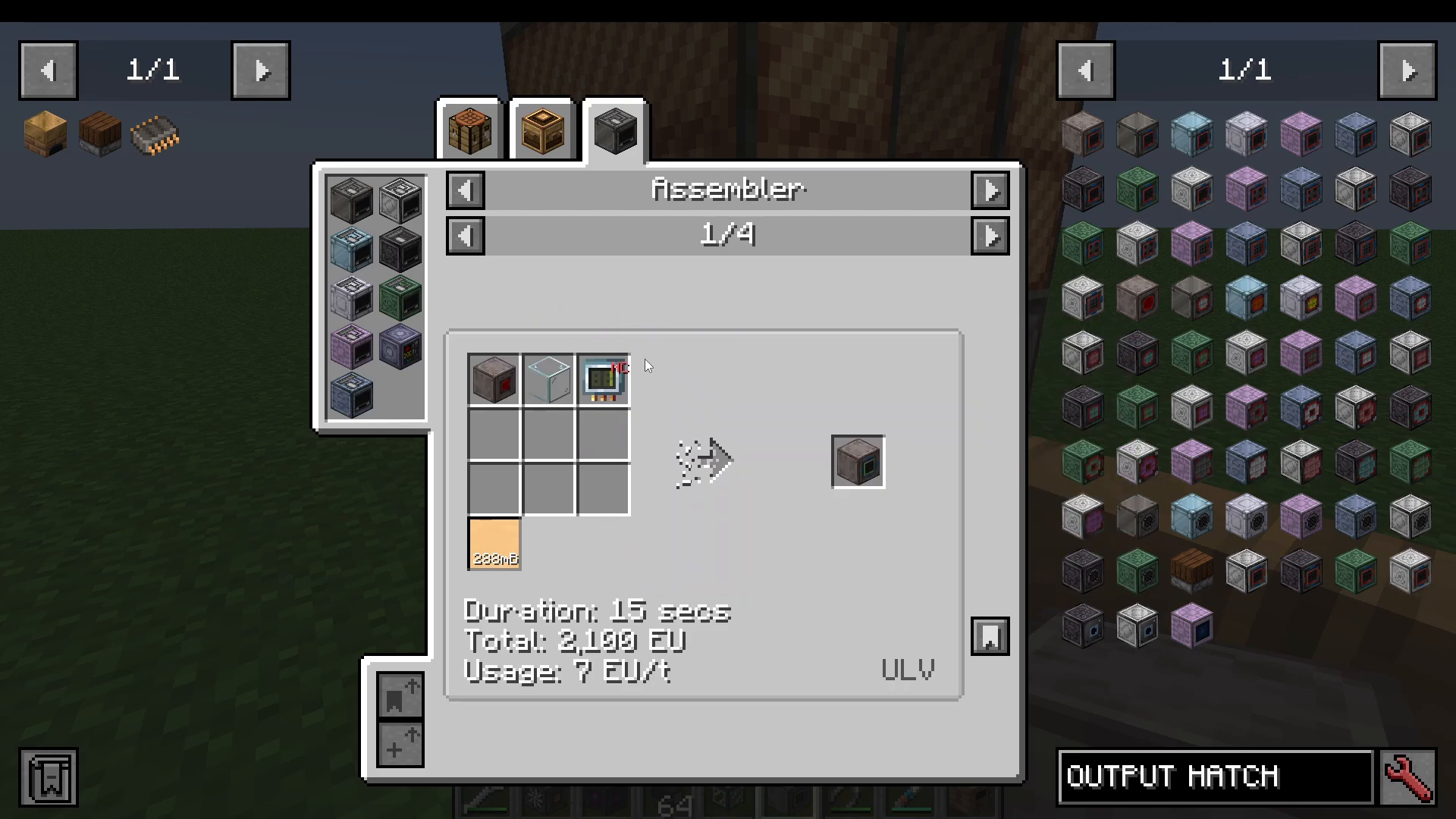
Most hatches can be crafted in the assembler. For example, the ultra-low voltage input hatch requires:
Glue
Glass
Ultra-low voltage machine hull
Program circuit (set to 1)
Operating the Electronic Blast Furnace
The Muffler Hatch and Maintenance
The muffler hatch collects waste products from your recipes. For the arsenic trioxide recipe, tiny piles of ashes accumulate in the muffler hatch. You need to periodically empty it to prevent the machine from idling.
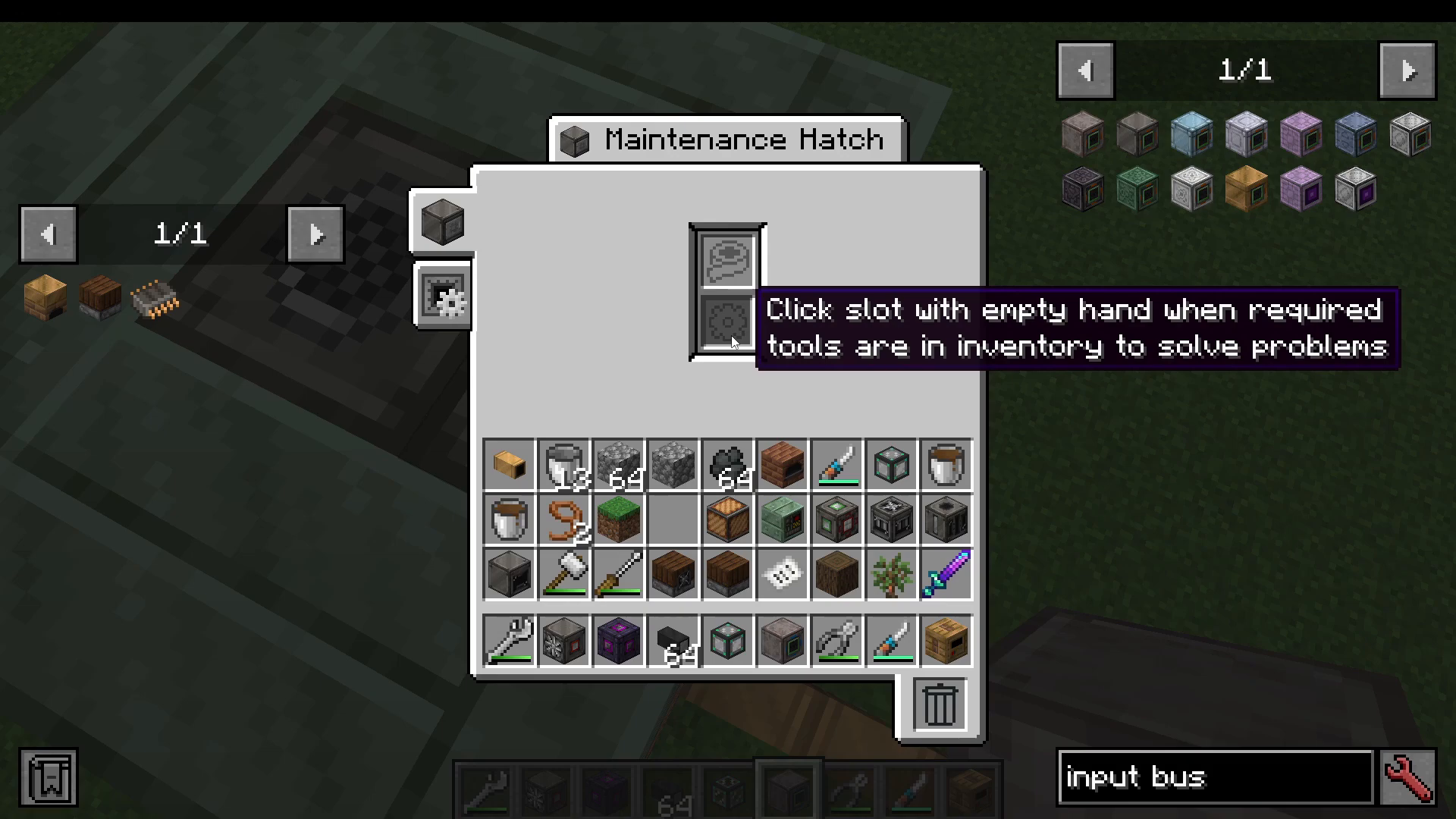
The maintenance hatch manages machine wear. Click the maintenance hatch with an empty hand when the machine requires maintenance. You’ll need the appropriate tool (such as a wrench) in your inventory. As you progress further in the game, you can insert tape into the maintenance hatch to prevent certain problems automatically.
Confirming Your Build
When you’ve correctly assembled your EBF, the machine casing blocks will change color to green, and you’ll see the heat capacity displayed. The example setup shows a heat capacity of 1800. The machine heats up automatically as it processes recipes and consumes power.
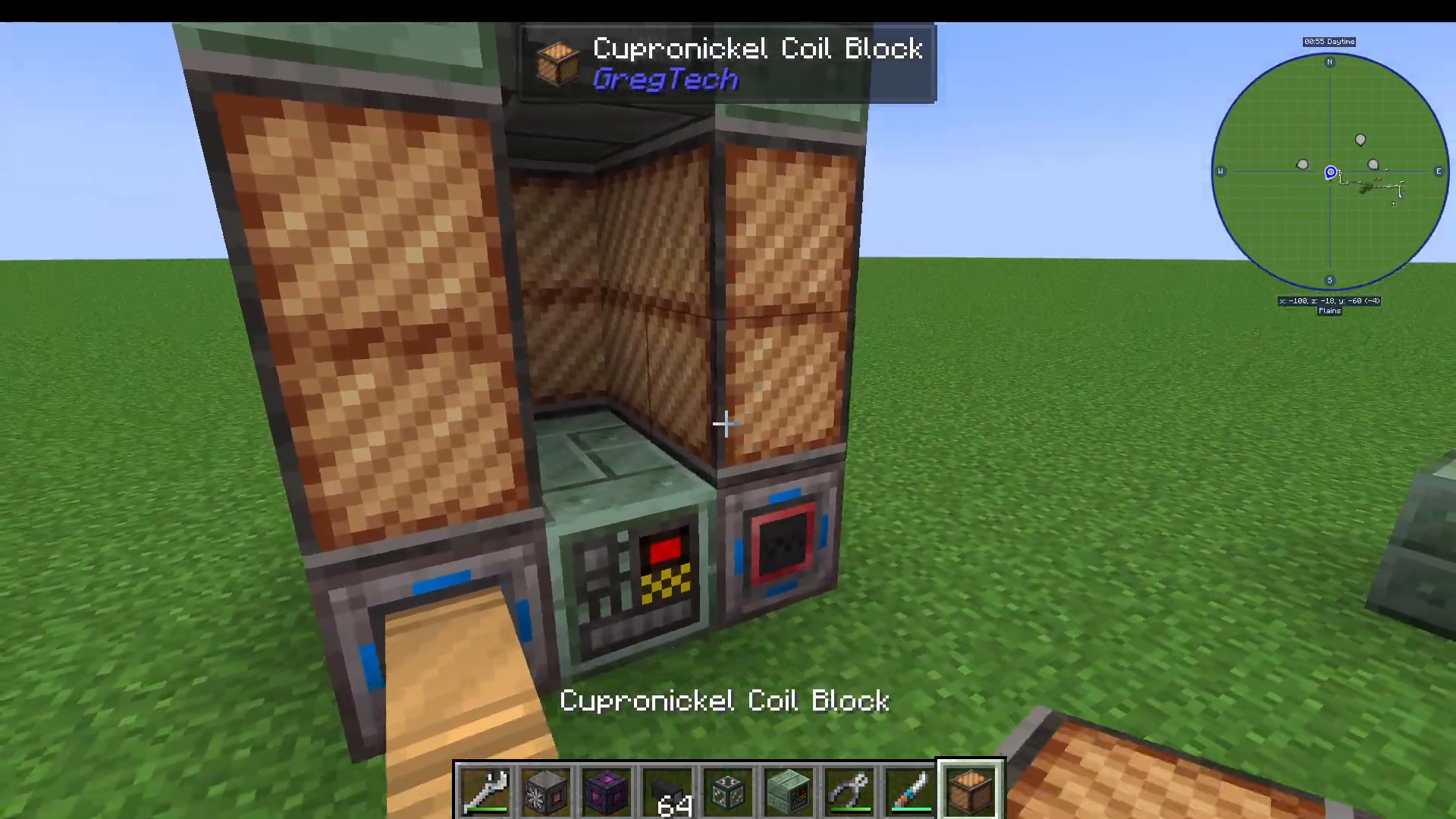
When operating correctly, you’ll see the coil blocks light up and the muffler hatch emit pollution. Your processed items will appear in the output bus and hatches.
Understanding Coil Tiers and Recipe Requirements
Different recipes require different coil types. The EBF displays this information when you check the recipe details. For the arsenic trioxide recipe, cupronickel coils are required. You may use equal or higher-tier coils—for example, if a recipe specifies cupronickel, you can use trinium coils as well, but you cannot use lower tiers.
The machine also shows you the maximum tier of recipes available based on your current setup. A cupronickel coil EBF will display tier 1 capabilities.
Finding and Viewing Recipes
To see what recipes your EBF can run, interact with the Electronic Blast Furnace block and look for the recipe list. Press the appropriate key to access detailed recipe information.
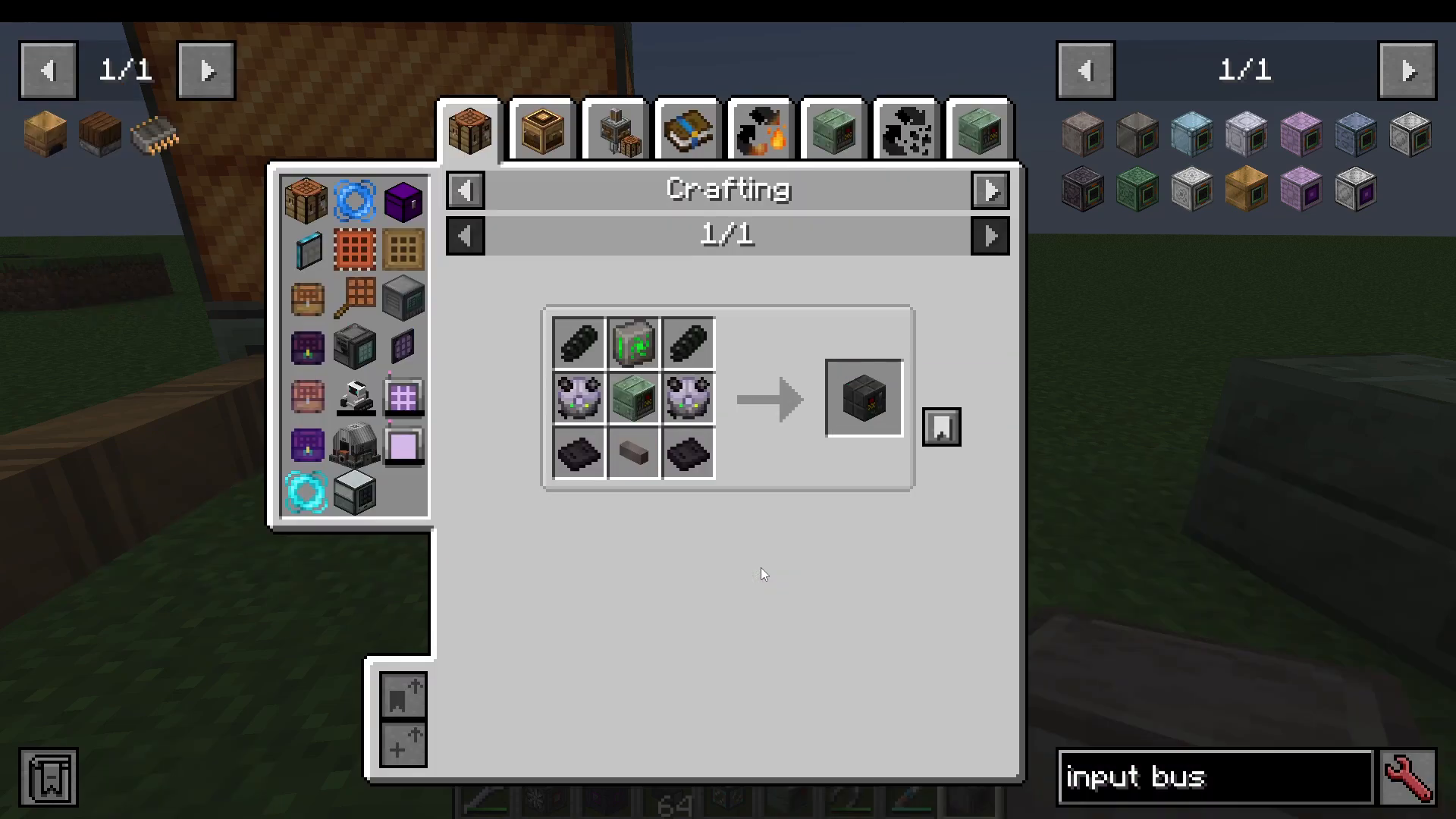
You can also view multiblock information by pressing the designated key. This shows you how to construct the machine layer by layer—from the bottom layer, up one, up again, to the top, and finally all assembled. While this interface can be confusing, it’s invaluable for verifying your build is correct.
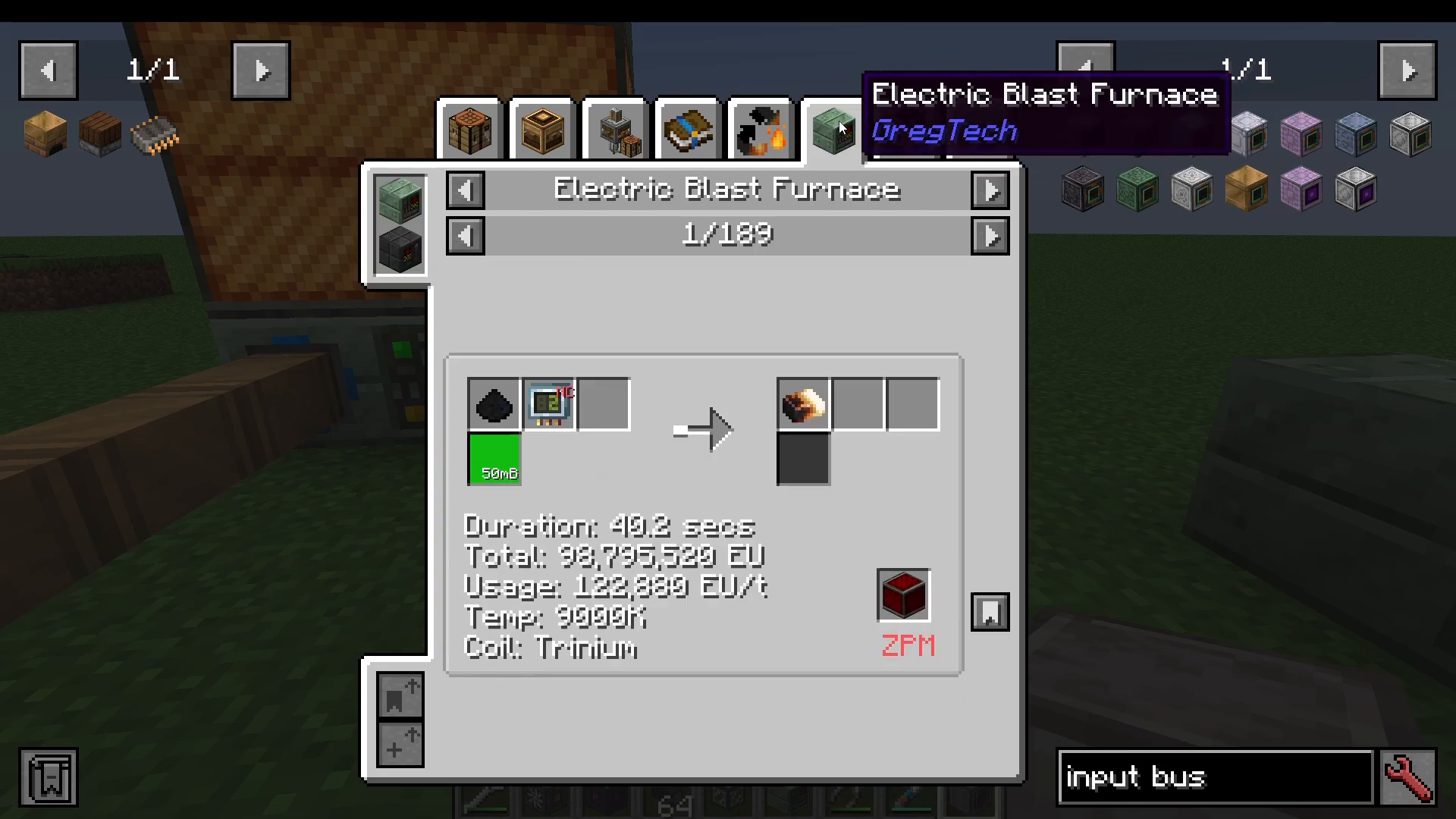
Example Recipe: Arsenic Trioxide
A practical example uses the arsenic trioxide recipe. This recipe is marked as MV (medium voltage), requiring two LV energy hatches for proper operation. It requires:
Inputs: Oxygen gas and cobaltite ore
Outputs: Sulfur dioxide, cobalt oxide, and arsenic trioxide
Coil Requirement: Cupronickel
Since this recipe outputs two items, you must use at least an LV output bus (4 slots) rather than an ultra-low voltage bus (1 slot). However, you can use an ultra-low voltage input bus for cobaltite since only one item is being input.
Exploring Gregtech Crafting Paths
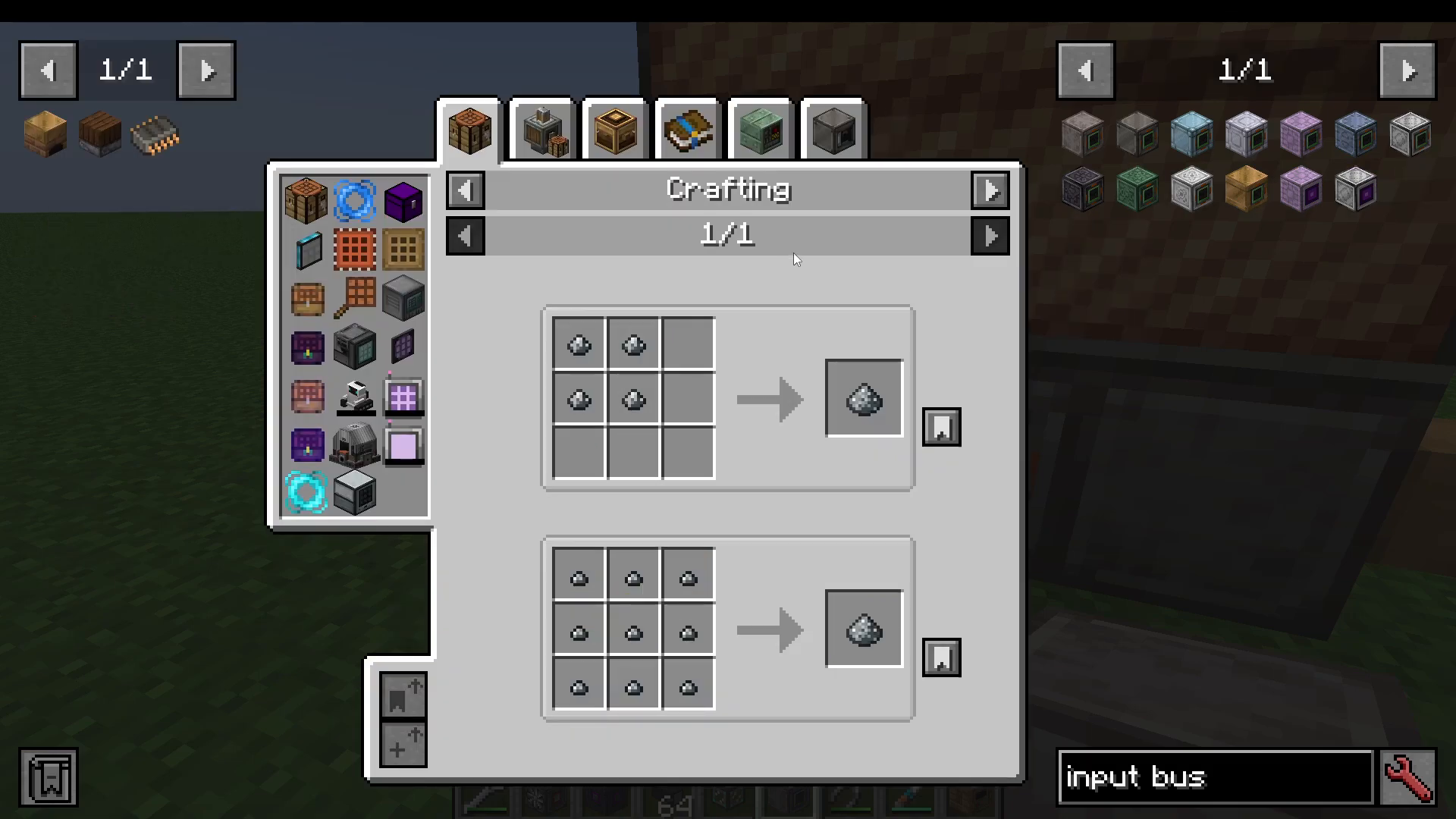
Gregtech CEu intentionally offers multiple crafting paths for components. While this can seem overwhelming at first, it encourages exploration and allows you to tailor your production chains to your playstyle. Take time to browse different machines and see the various ways you can create the materials you need.
Conclusion
The Electronic Blast Furnace is a transformative machine in your Gregtech CEu progression. By understanding how to configure its hatches and buses to match your recipe requirements, manage its heat and maintenance, and optimize your coil setup, you’ll unlock access to more advanced recipes and materials. Remember to empty the muffler hatch regularly, monitor maintenance alerts, and consult the recipe information when in doubt. With this knowledge, you’re ready to build and operate your first EBF successfully.
Want to Support?
If you would like to help us continue making these guides – please consider joining our patreon here – https://www.patreon.com/c/JaviHeals
Alternatively – we host a group of MC Servers you can join here – https://discord.gg/zD7Gjt6MHF