






How to make Aqua Regia in Electrodynamics
How to Make Aqua Regia in Electrodynamics
If you’re looking to push your Electrodynamics mod experience beyond standard 5x ore processing, you’ll want to unlock 20x ore processing capabilities. This advanced feature requires one essential component: Aqua Regia. While the mod description mentions 10x processing, the mod developer has confirmed that 20x processing is currently achievable. This comprehensive guide will walk you through the complex multi-stage process of crafting Aqua Regia from scratch, breaking it down into manageable steps.
Understanding Aqua Regia
Aqua Regia is a powerful chemical compound made by combining two primary ingredients: hydrochloric acid and nitric acid. While the production process is intricate, understanding the workflow and having the right setup will make it manageable. This guide breaks the process into two main sections—one for each acid component.
Making Hydrochloric Acid
Hydrochloric acid is the first component you’ll need to produce. The good news is that when broken down into individual steps, this process is surprisingly straightforward.
Required Components for Hydrochloric Acid
To create hydrochloric acid in a chemical reactor, you’ll need three basic ingredients:
Water – Easy to obtain via pumping
Hydrogen – Generated through an electrolytic separator
Salt – Mined directly from the ground
Step 1: Set Up the Water Pump
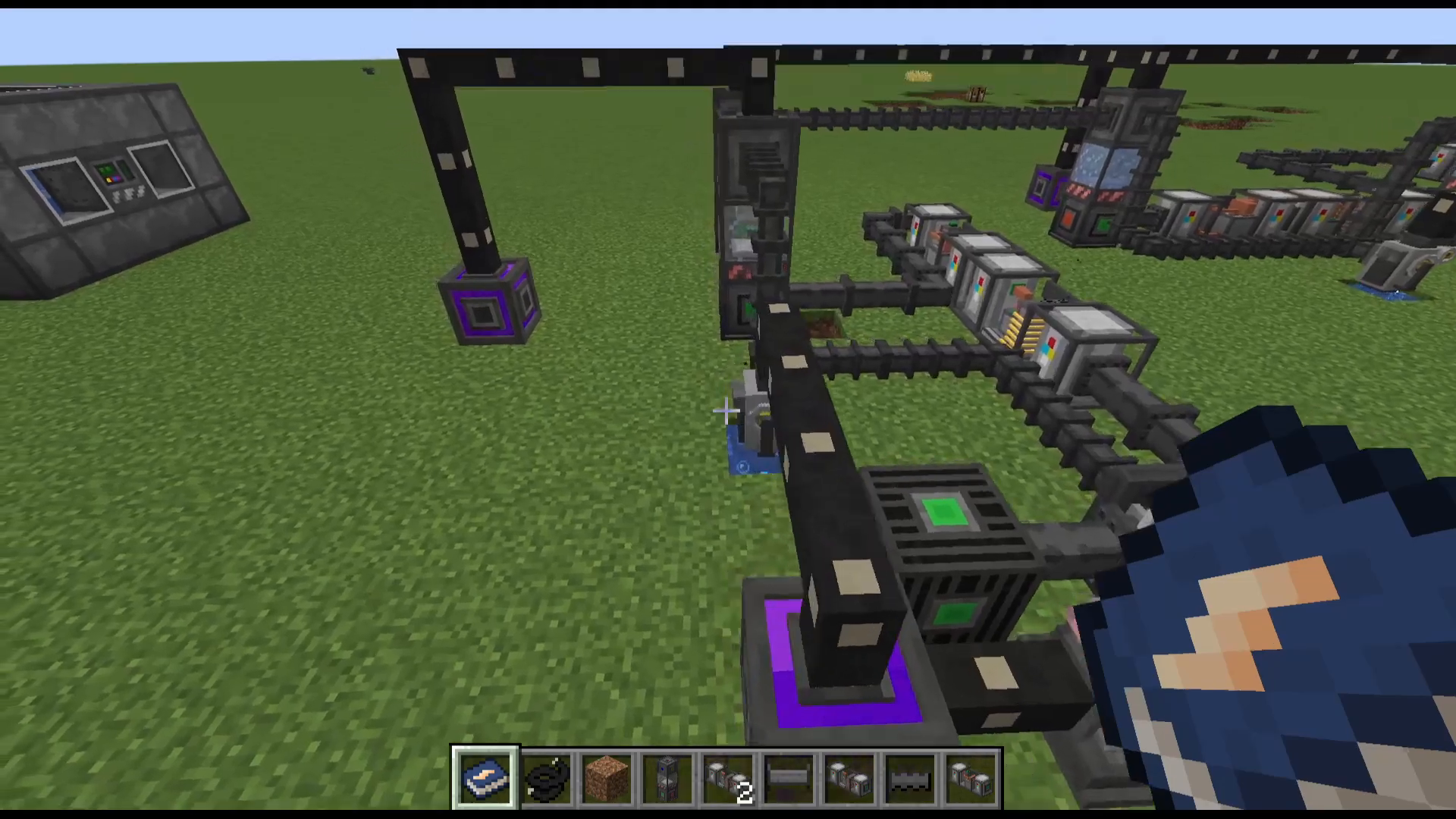
Begin by placing an electric pump operating at 120 volts to extract water. This water will feed into your electrolytic separator for hydrogen generation.
Step 2: Generate Hydrogen via Electrolytic Separator
The electrolytic separator operates at 240 volts, so you may need an upgrade transformer depending on your electricity setup. Place the separator and pump water into it. The separator will produce oxygen on the left outlet and hydrogen on the right outlet.
If you’re not using the oxygen output (as shown in the tutorial), direct it into a gas vent to prevent backup.
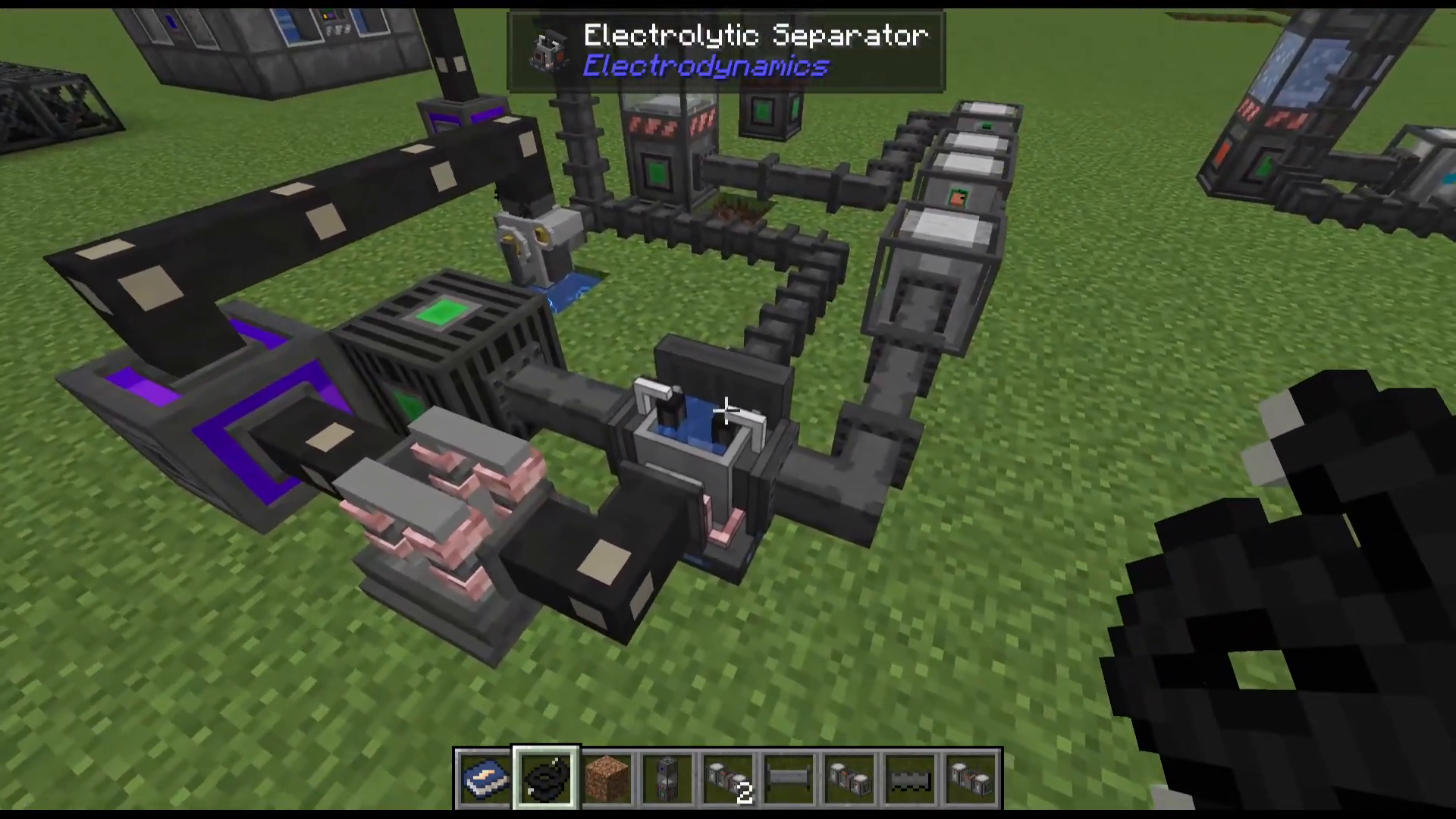
Step 3: Condition the Hydrogen – Critical Temperature and Pressure Settings
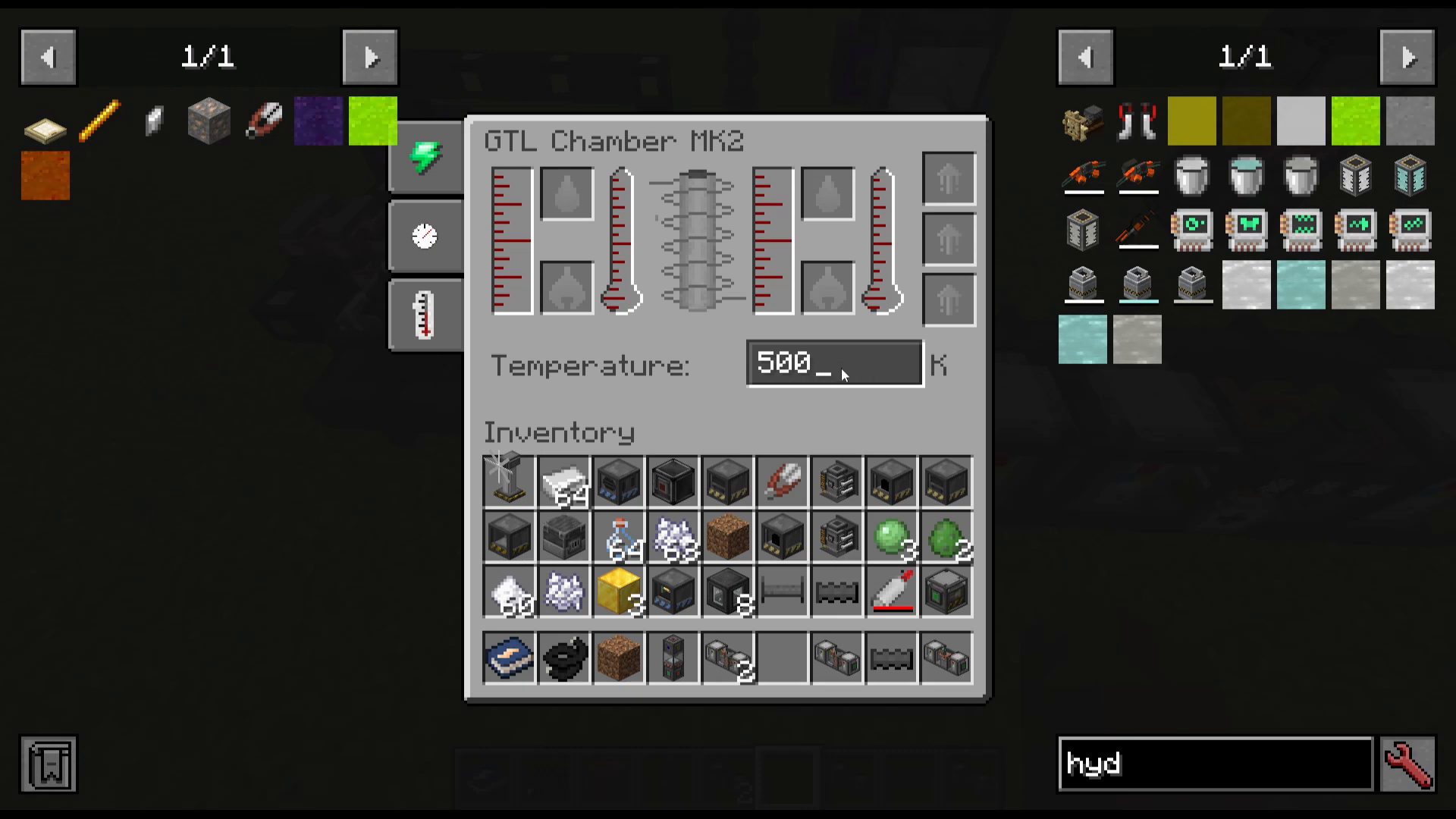
This is where many builders make mistakes. The hydrogen exiting the electrolytic separator is at incorrect temperature and pressure specifications. You must process it through two stages:
First Stage – GTL Chamber: Route the hydrogen into a GTL (Gas Treatment and Liquefaction) chamber and set the temperature to exactly 500 degrees.
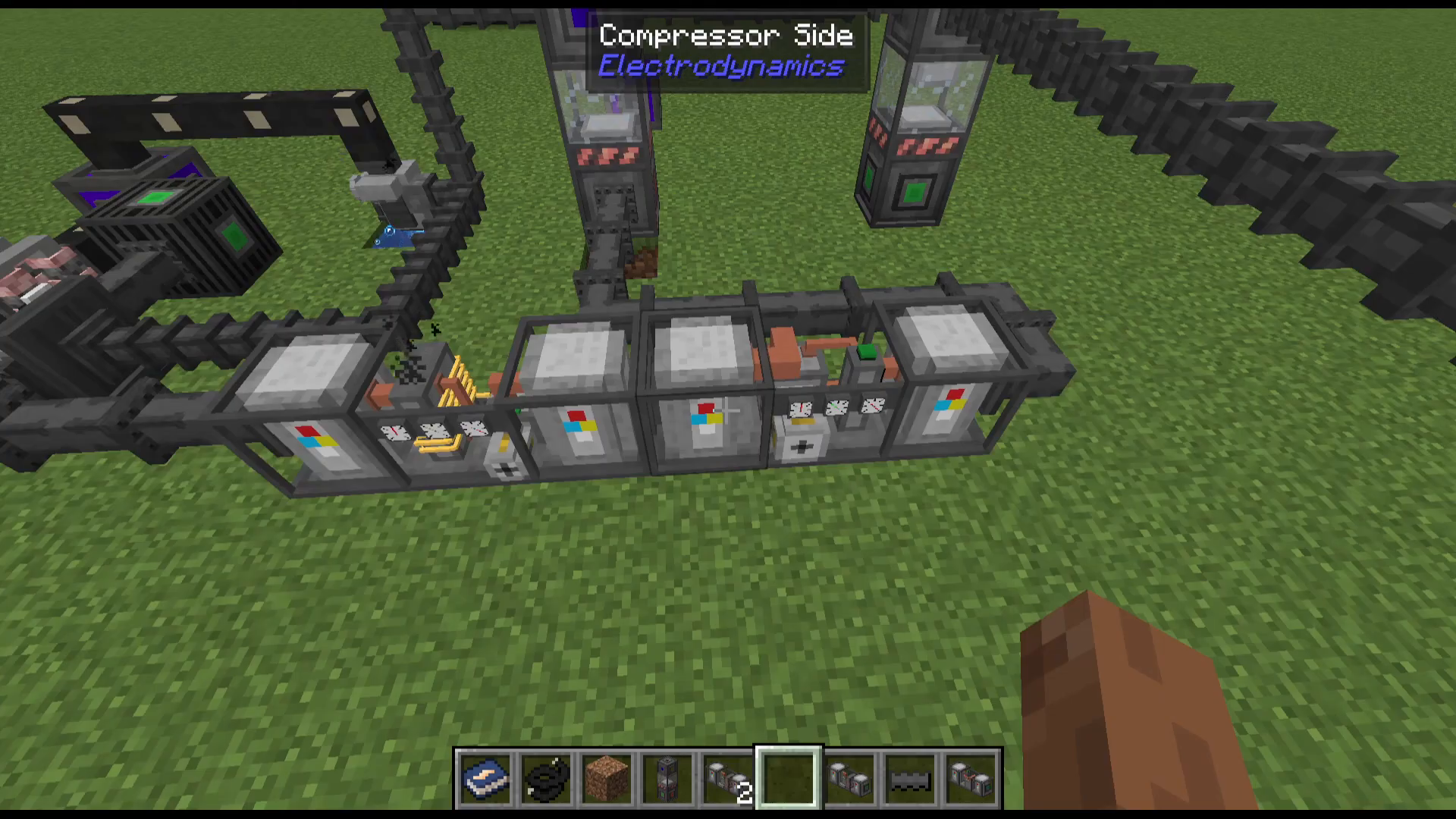
Second Stage – Compressor: After the GTL chamber, pass the hydrogen through a compressor set to an atmospheric pressure of 8. The output goes into the green port of your chemical reactor.
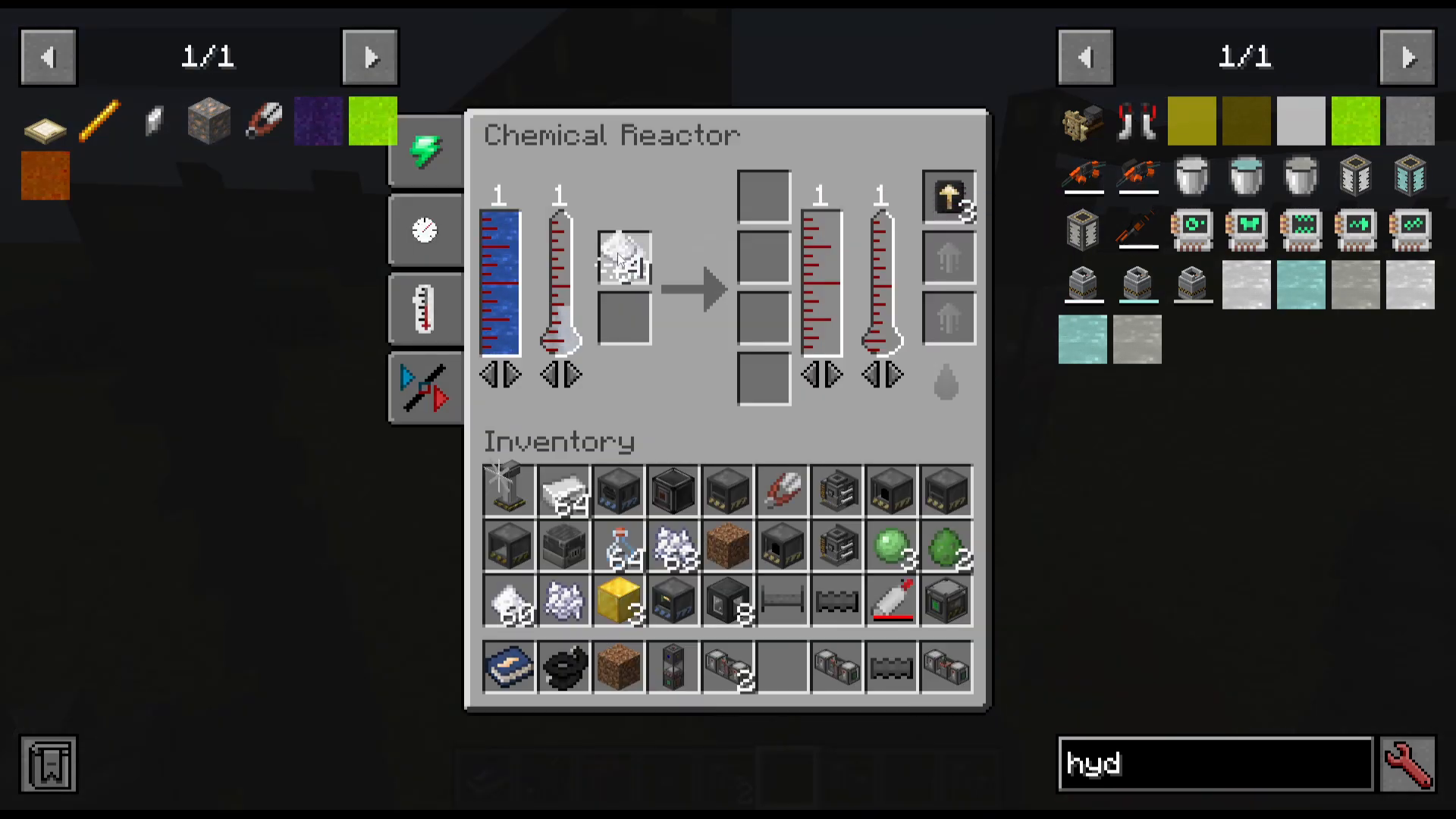
Step 4: Assemble the Chemical Reactor for Hydrochloric Acid
Now you have all three components ready:
Hydrogen at 500° temperature and 8 atmospheric pressure (via green port)
Water at room conditions (via blue port at the top)
Salt (added directly)
The chemical reactor will begin producing hydrochloric acid. If production stops, check your salt supply—you may have run out.
Making Nitric Acid
The second half of the equation requires nitric acid, which involves a more complex production chain. You’ll need ammonia (which itself requires multiple steps) and water at specific conditions.
Step 1: Pump Additional Water
Route another water pump into a dedicated section for nitric acid production. You’ll also need to feed water into an electrolytic separator to generate hydrogen for the ammonia production chain.
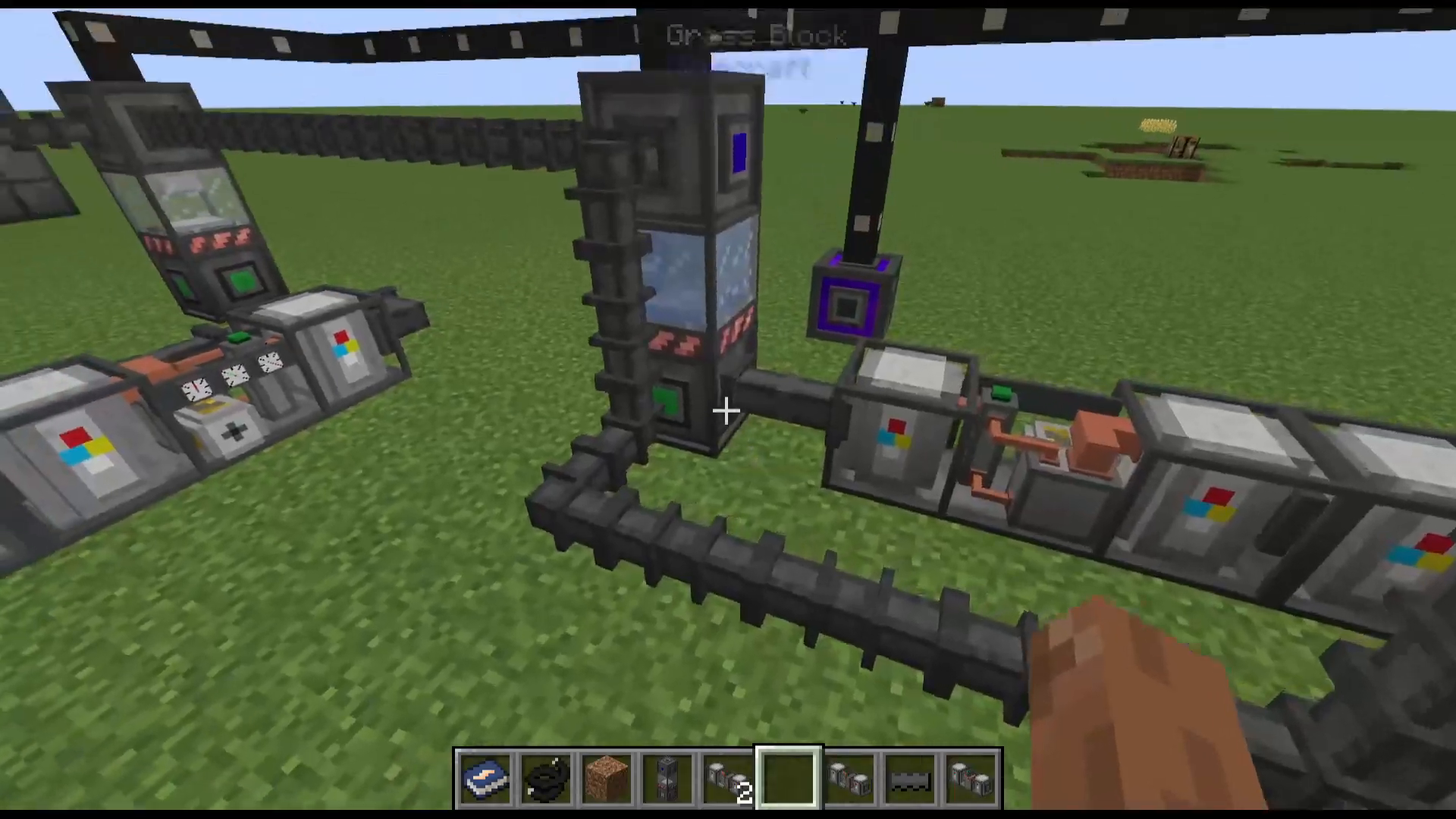
Step 2: Generate Ammonia – Understanding Temperature and Pressure Requirements
Ammonia production requires three components at specific conditions:
Hydrogen at 500° temperature and 4 atmospheric pressure
Nitrogen at 500° temperature and 4 atmospheric pressure
Water (standard conditions)
Important Note: The hydrogen specifications here differ from the hydrochloric acid production (4 atm instead of 8 atm). You’ll need two separate compressors with different pressure settings, or you can route output from a GTL chamber set to 500° into two separate compressors—one set to 4 atm and one set to 8 atm.
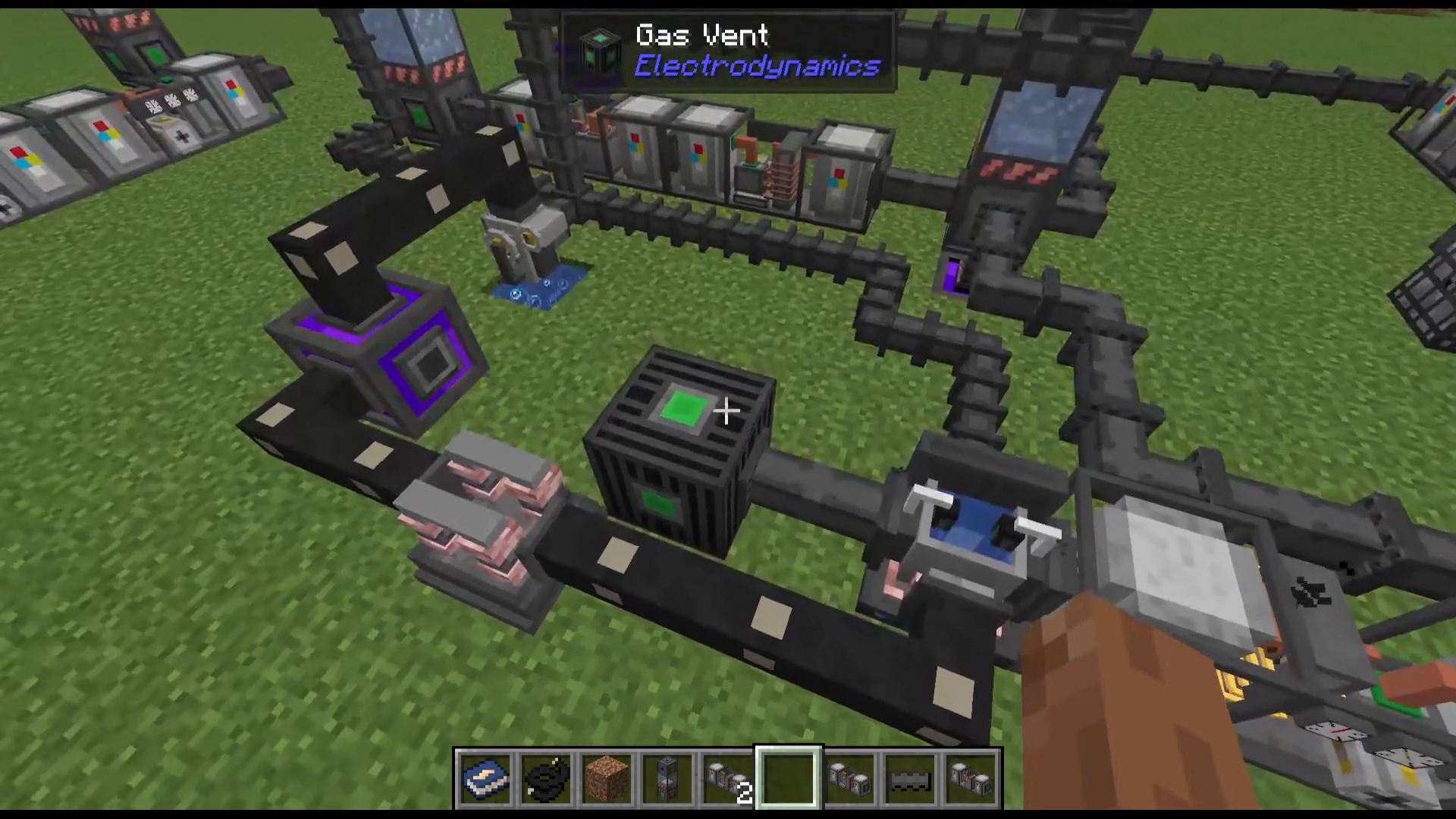
Step 3: Obtain Nitrogen via Gas Collector
Nitrogen is incredibly fast and efficient to obtain. Create a nitrogen chromatography card and place it in a gas collector. The gas collector will harvest nitrogen from the environment in any biome—essentially instantaneously (around 0.1 seconds).
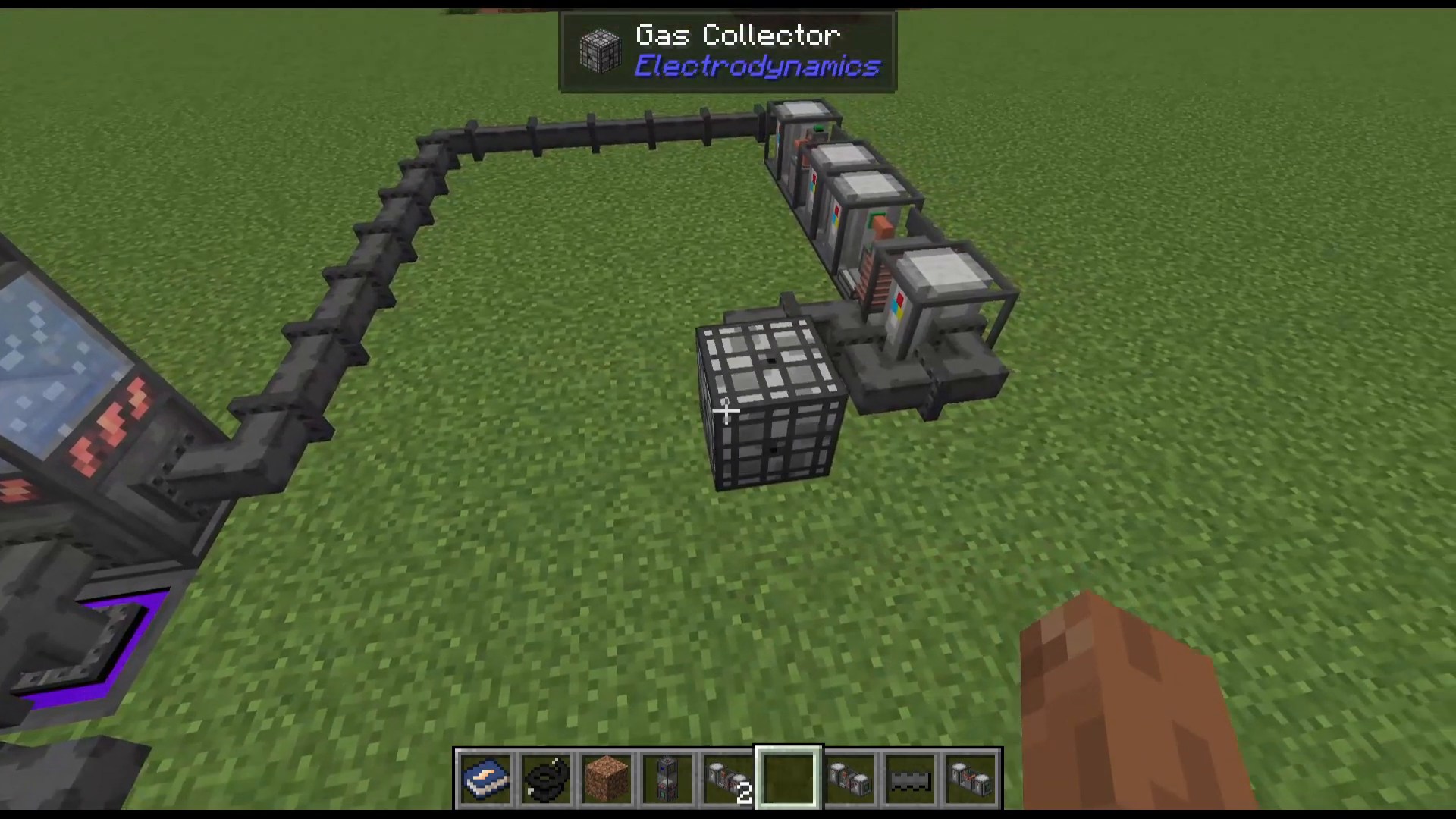
Route this nitrogen into a GTL chamber set to 500° temperature, then into a compressor set to 4 atmospheric pressure, and feed it into your ammonia production chemical reactor.
Step 4: Condition Ammonia for Nitric Acid Production
The ammonia exits the reactor at incorrect specifications. You must condition it by routing it through a GTL chamber set to 700° temperature and through a compressor set to 4 atmospheric pressure.
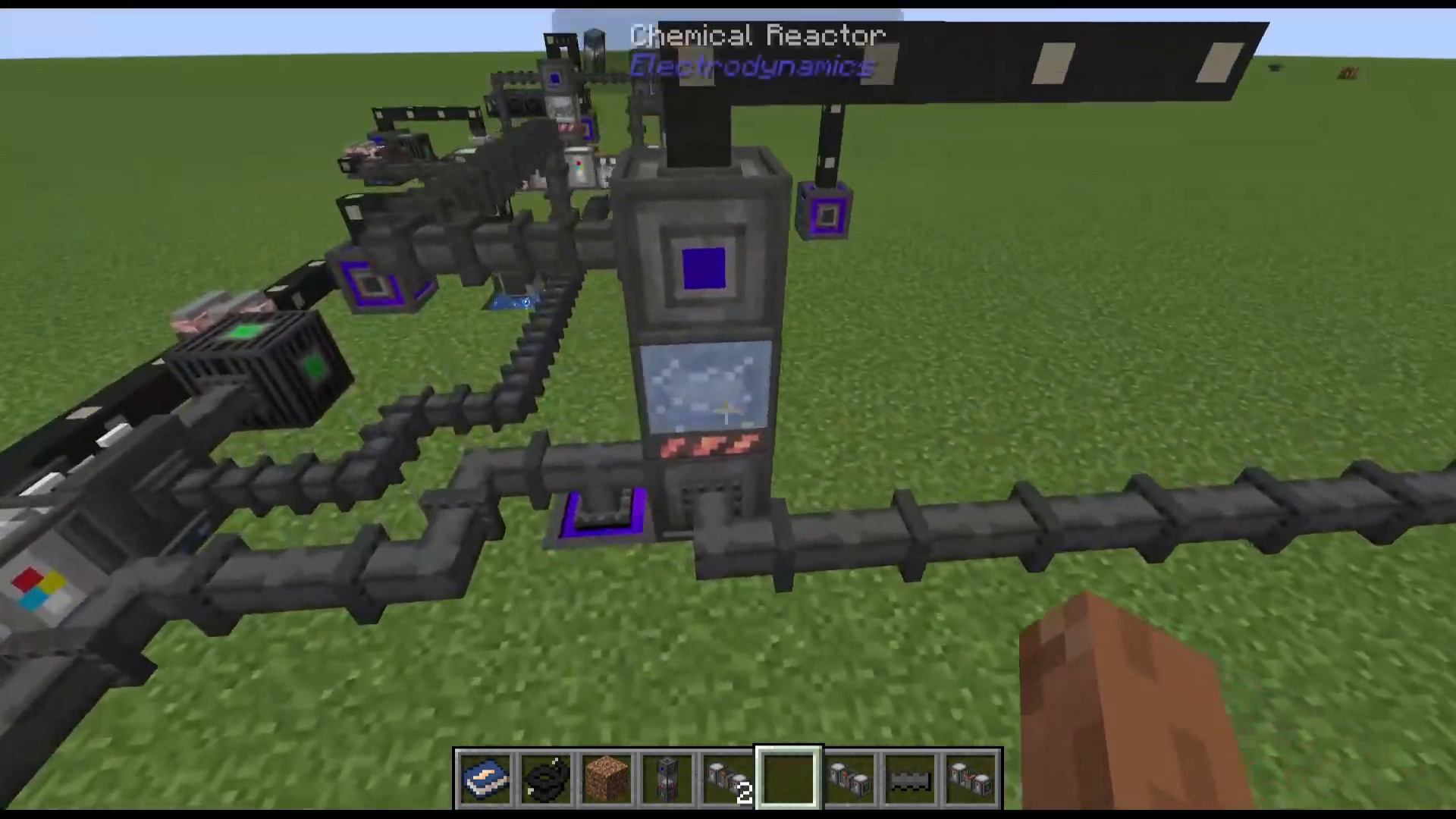
Step 5: Produce Nitric Acid
Feed the conditioned ammonia (700° and 4 atm) into a chemical reactor along with water. This will produce nitric acid.
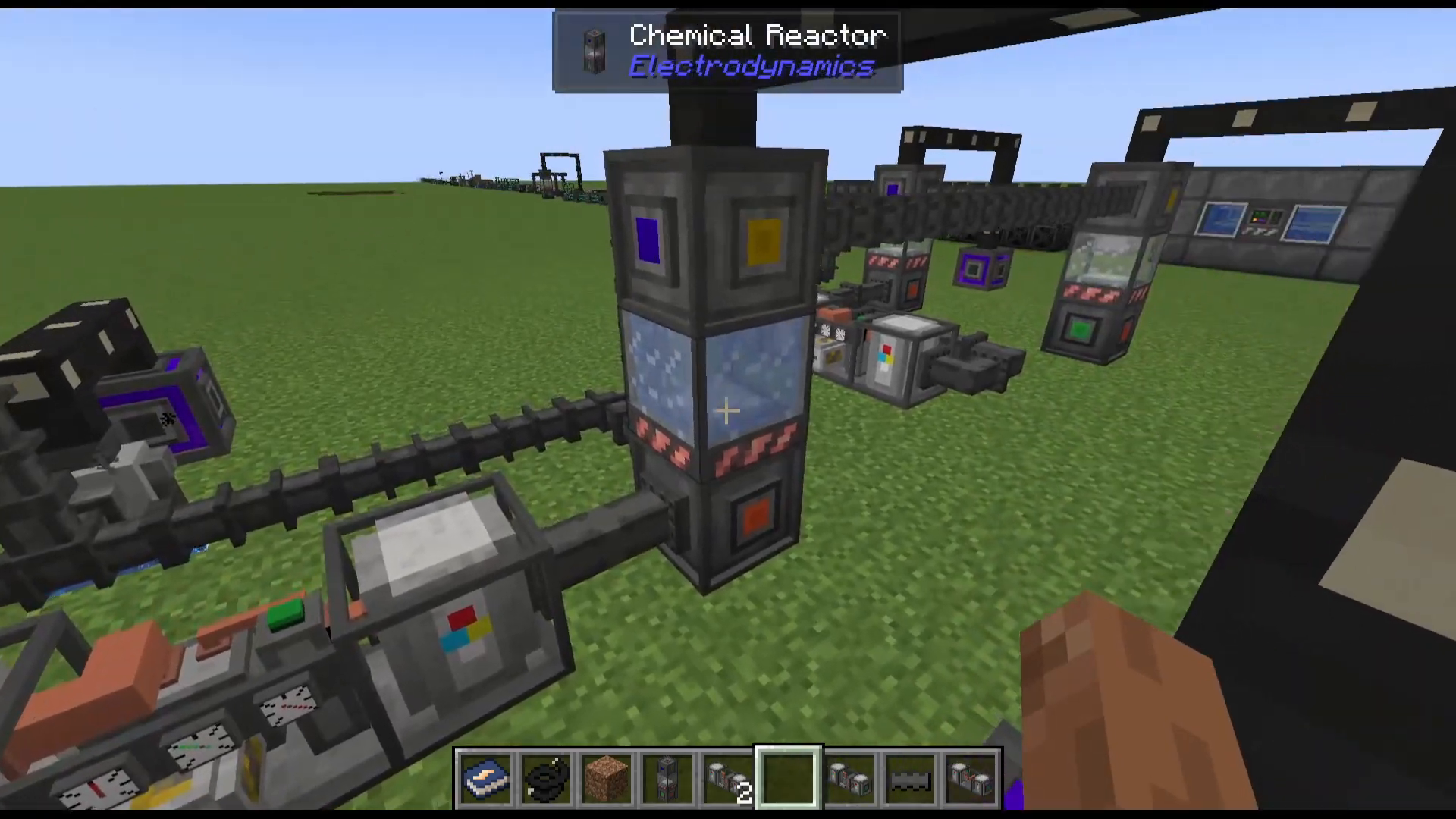
Combining Acids into Aqua Regia
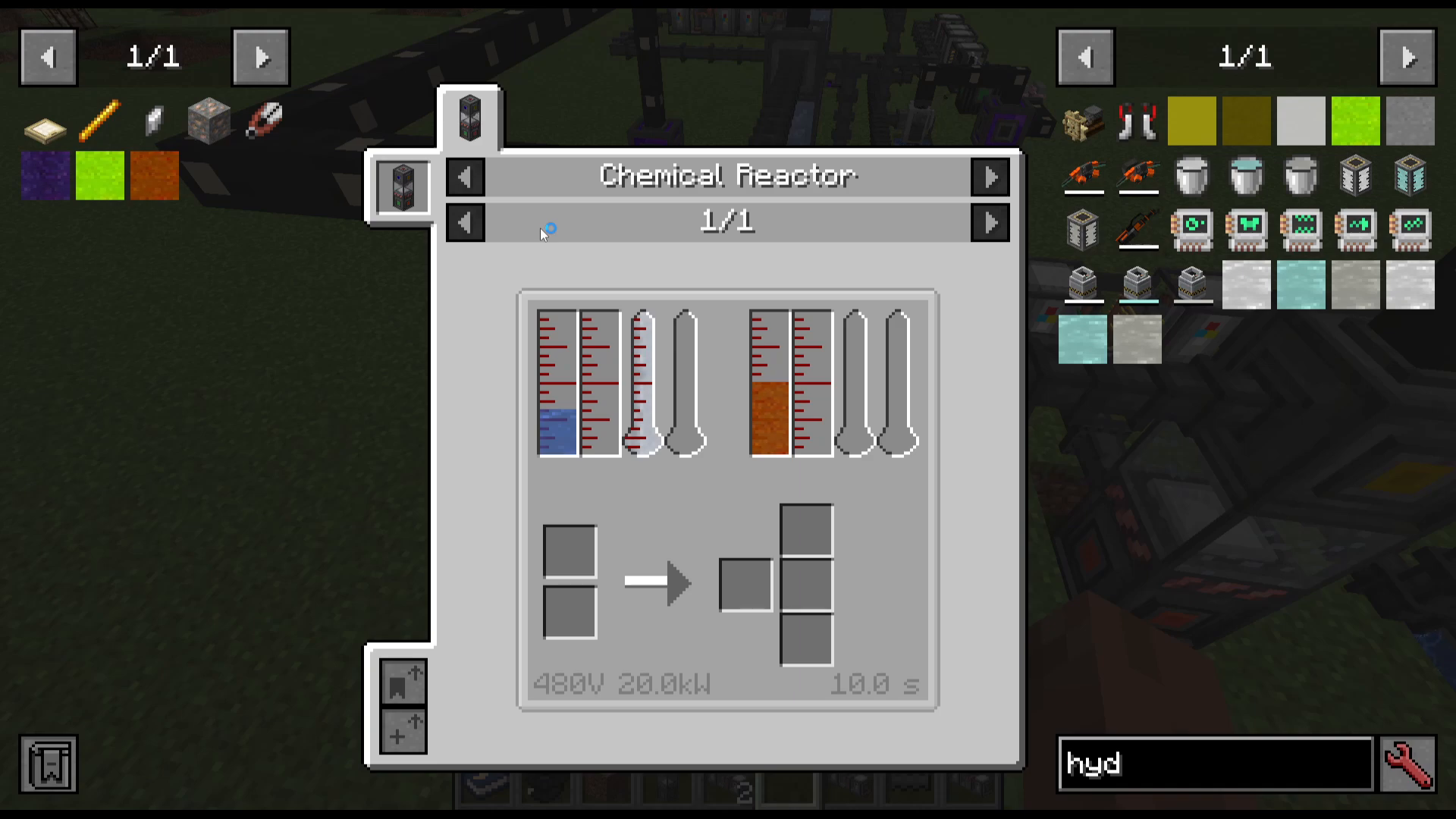
With both hydrochloric acid and nitric acid now in production, combine them in a final chemical reactor to create Aqua Regia. You can navigate between the two acid recipes using the arrow buttons in JEI (Just Enough Items) to keep track of your inputs.
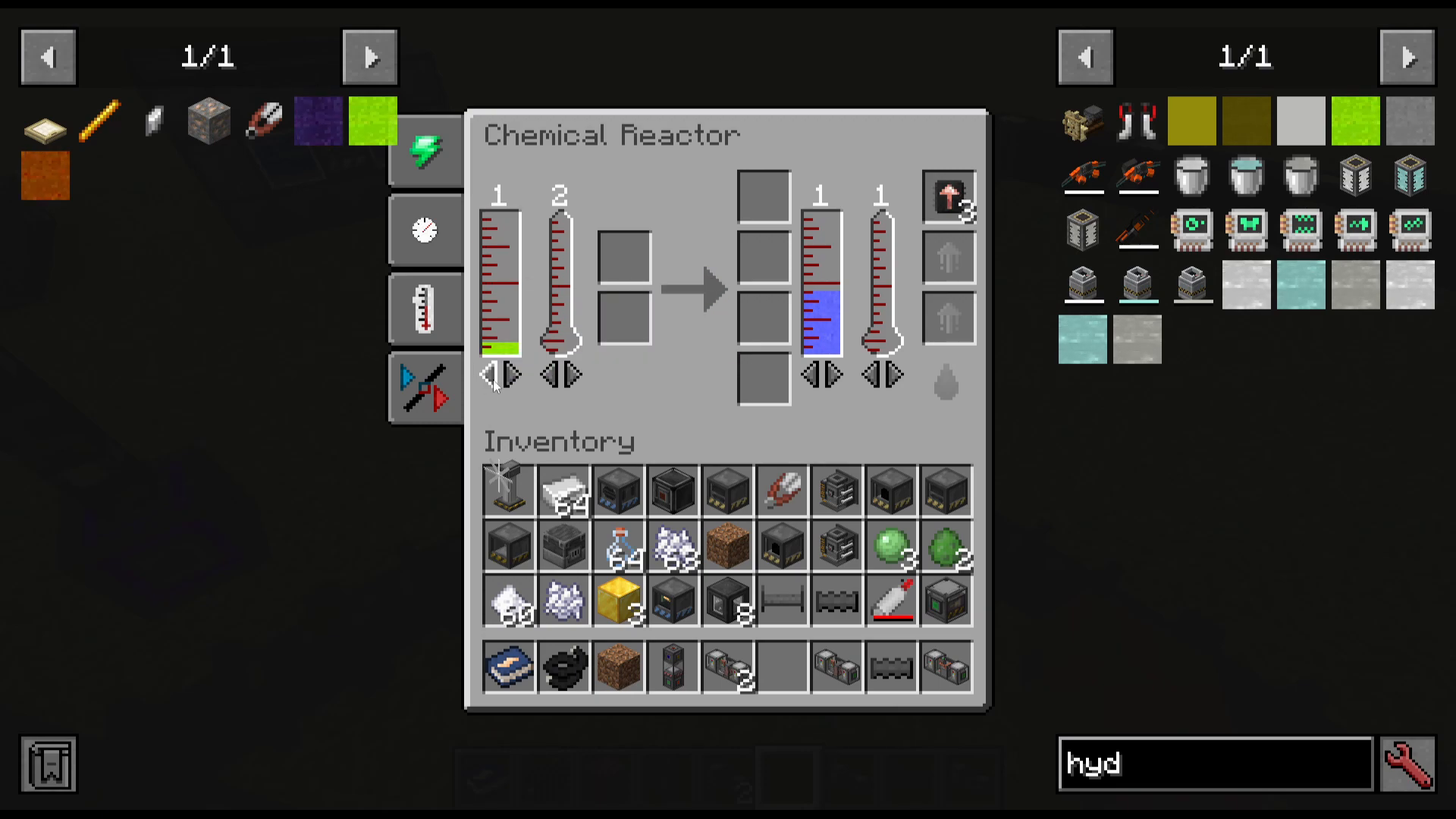
Pro Tips for Building Complex Chemical Setups
Use JEI as Your Roadmap
If you’re struggling to keep up with the process, leverage Just Enough Items (JEI) to systematically work backward from your end goal. Here’s the workflow:
Find Aqua Regia in JEI and press A to favorite it
Press R while hovering to see the recipe
Work backward step by step: “How do I make hydrochloric acid?” → “How do I get hydrogen?” → “I need an electrolytic separator”
Place machines in order and pipe them together
Repeat for nitric acid production
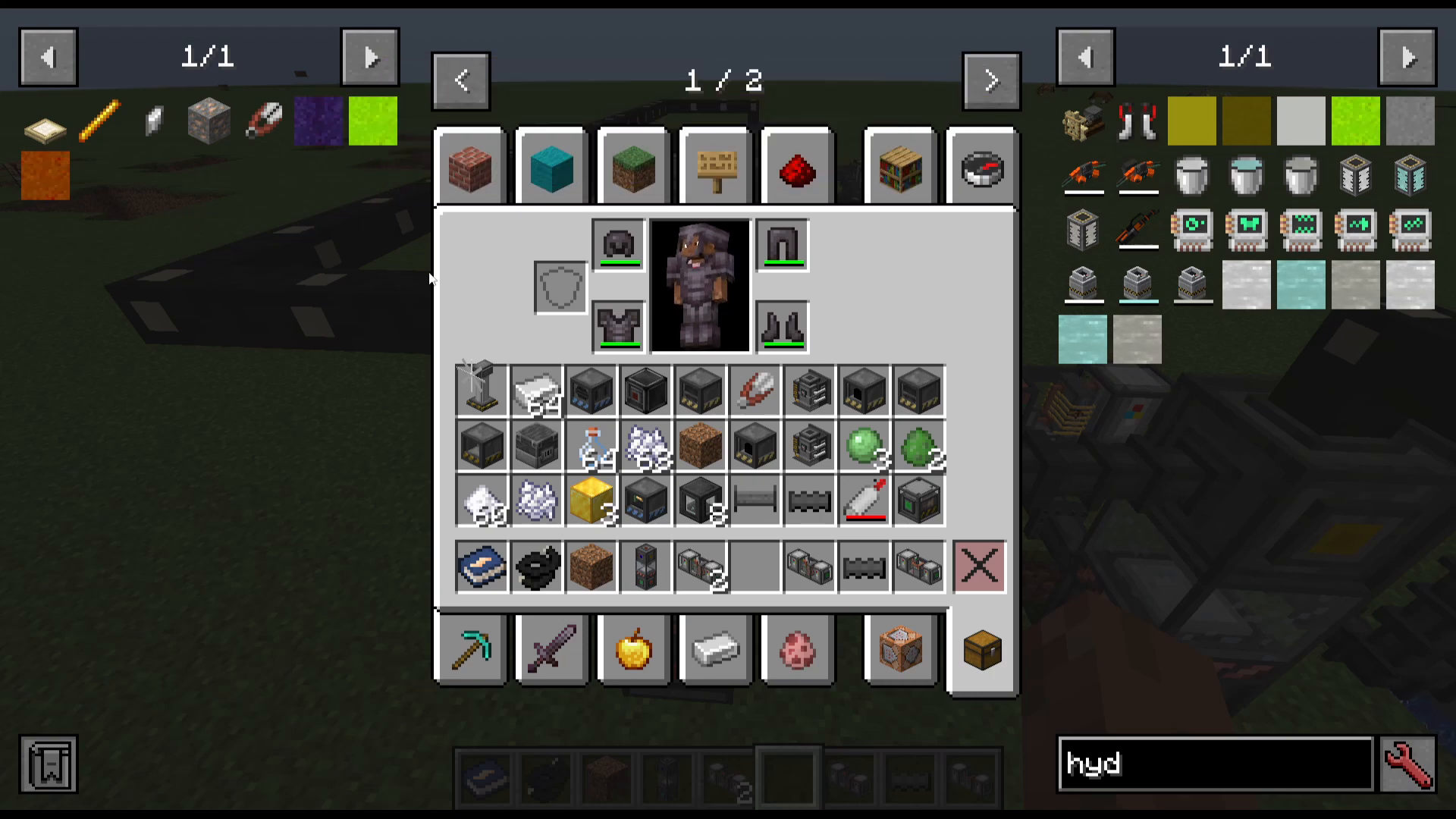
Start from the Finish Line
Rather than trying to figure out where to begin, build backward from your final chemical reactor. Place the main reactor first, then work upstream to add supporting machines. This approach prevents confusion about dependencies and ensures all components flow to the right destination.
Label Your Machines
Consider placing signs on your machines to identify their purpose and specifications (temperature, pressure, output compound). This becomes invaluable when troubleshooting or expanding your setup later.
Plan for Feedback Loops
Once you begin using Aqua Regia for 20x ore processing, it creates a feedback loop—meaning using one bucket of Aqua Regia actually replenishes your supply. This means you may not need as many electrolytic separators as you initially think, since production becomes self-sustaining after the first batch.
Summary
Creating Aqua Regia in Electrodynamics is indeed complex, but breaking it into manageable sections makes it achievable. The process requires careful attention to temperature and pressure specifications, particularly the distinction between 4 and 8 atmospheric pressure settings for different acid components. Once you have your Aqua Regia production running smoothly, you’ll unlock access to 20x ore processing—making the investment in this setup well worth the effort.
The key to success is working backward from your goal using JEI, building your setup step by step, and double-checking all temperature and pressure specifications before assuming something isn’t working.
— Want to Support? —
If you would like to help us continue making these guides – please consider joining our patreon here – https://www.patreon.com/c/JaviHeals
Alternatively – we host a group of MC Servers you can join here – https://discord.gg/zD7Gjt6MHF