




Gregtech CEu Medium Voltage Quick Progression Guide
Gregtech CEu Medium Voltage Quick Progression Guide
Medium voltage in Gregtech CEu marks a critical progression stage where your main objective is advancing from the Good Electronic Circuit to the Advanced Integrated Circuit. This guide will walk you through the essential components you need to craft, with a focus on transistors—the most challenging item in this tier. You’ll also learn valuable techniques for automating item filtering and managing complex multi-step production chains.
Overview: What You Need for Advanced Integrated Circuits
To craft an Advanced Integrated Circuit, you will need the following components:
Wafers (RAM chips, MY sea chips)
Good Integrated Circuits
Annealed Copper
Fine Electrum Wire
Transistors
Liquid Tin
The transistor is by far the most difficult component to produce, so we’ll address that first.
Understanding Transistor Production
Transistor Recipe
Transistors are crafted in an Assembler and require only three ingredients:
Fine Tin Wire
Silicon Plate
Liquid Poly-Ethylene
Fine tin wire is straightforward to produce. Silicon plates and liquid poly-ethylene require more involved processing chains, which we’ll break down below.
Automating Aluminum Production and Learning Item Filters
Before diving into the complex poly-ethylene chain, let’s establish a foundational automation technique using aluminum as an example. You’ll need aluminum in large quantities throughout medium voltage progression.
Setting Up a Passive Aluminum Production Line
Follow this sequence:
Feed diorite into an Advanced Rock Crusher
Pump the output into an Advanced Macerator to create diorite dust
The Macerator outputs mirebellite dust (which you can discard) and clay dust
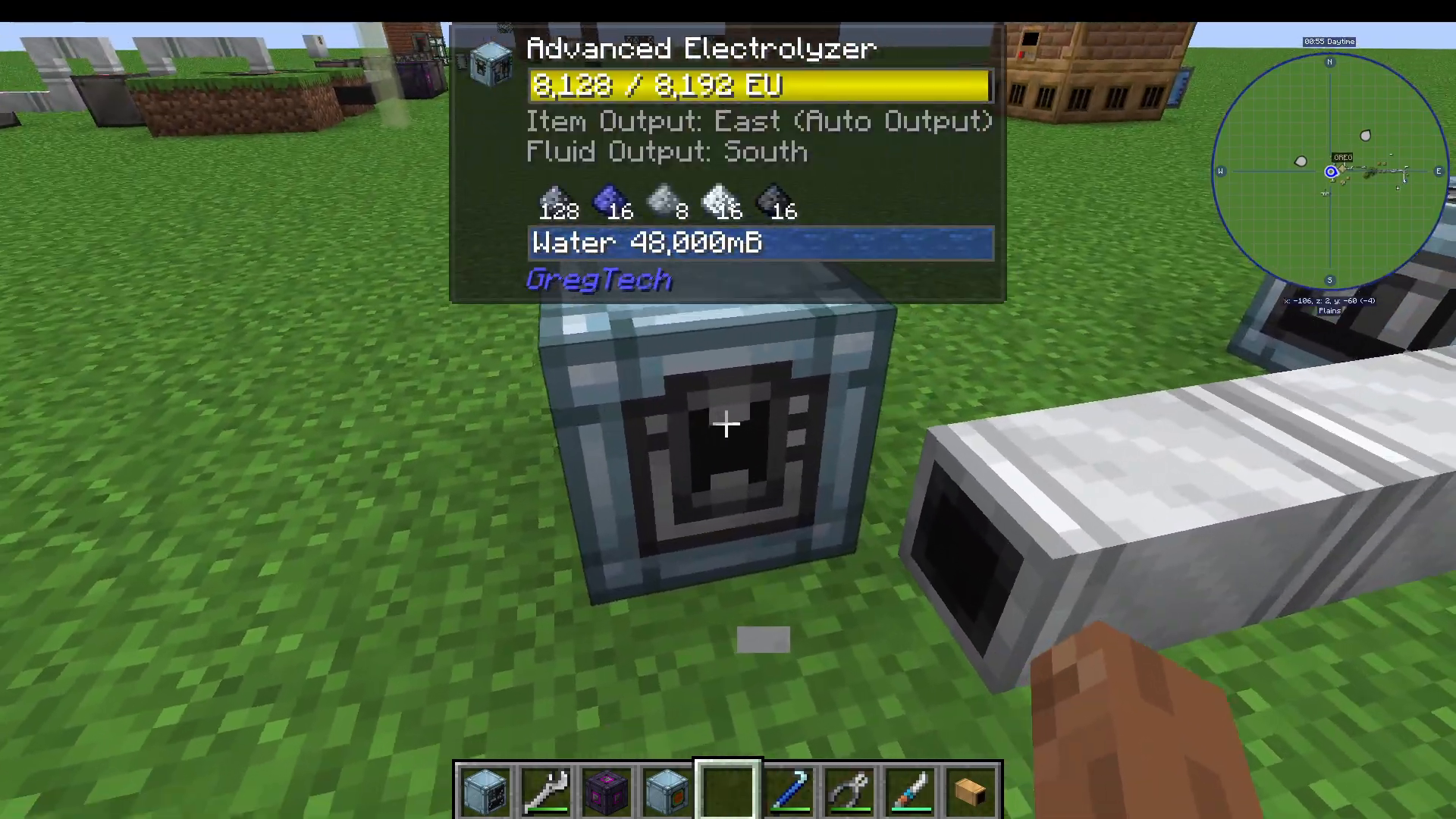
Feed clay dust into an Advanced Electrolyzer
The Electrolyzer produces water, silicon dust, sodium dust, lithium dust, and aluminum
This approach demonstrates that Gregtech often provides multiple pathways to obtain the same materials. You can choose the method that best suits your setup.
Using Robot Arms and Item Filters
When you have multiple outputs from a single machine but only want specific items to be exported, use an item filter with a Robot Arm (which functions as a cover).
To set up item filtering:
Right-click on a Robot Arm to place it as a cover on your machine
Shift-click the Robot Arm with an empty hand to enter configuration mode
Change the mode to “Export” or “Import” as needed
Add an Item Filter to the designated slot
White-list the item you want to filter (in this example, clay dust)
Attach tin item pipes to transport only the filtered item
Use a crowbar to remove covers from machines if you need to adjust your setup.
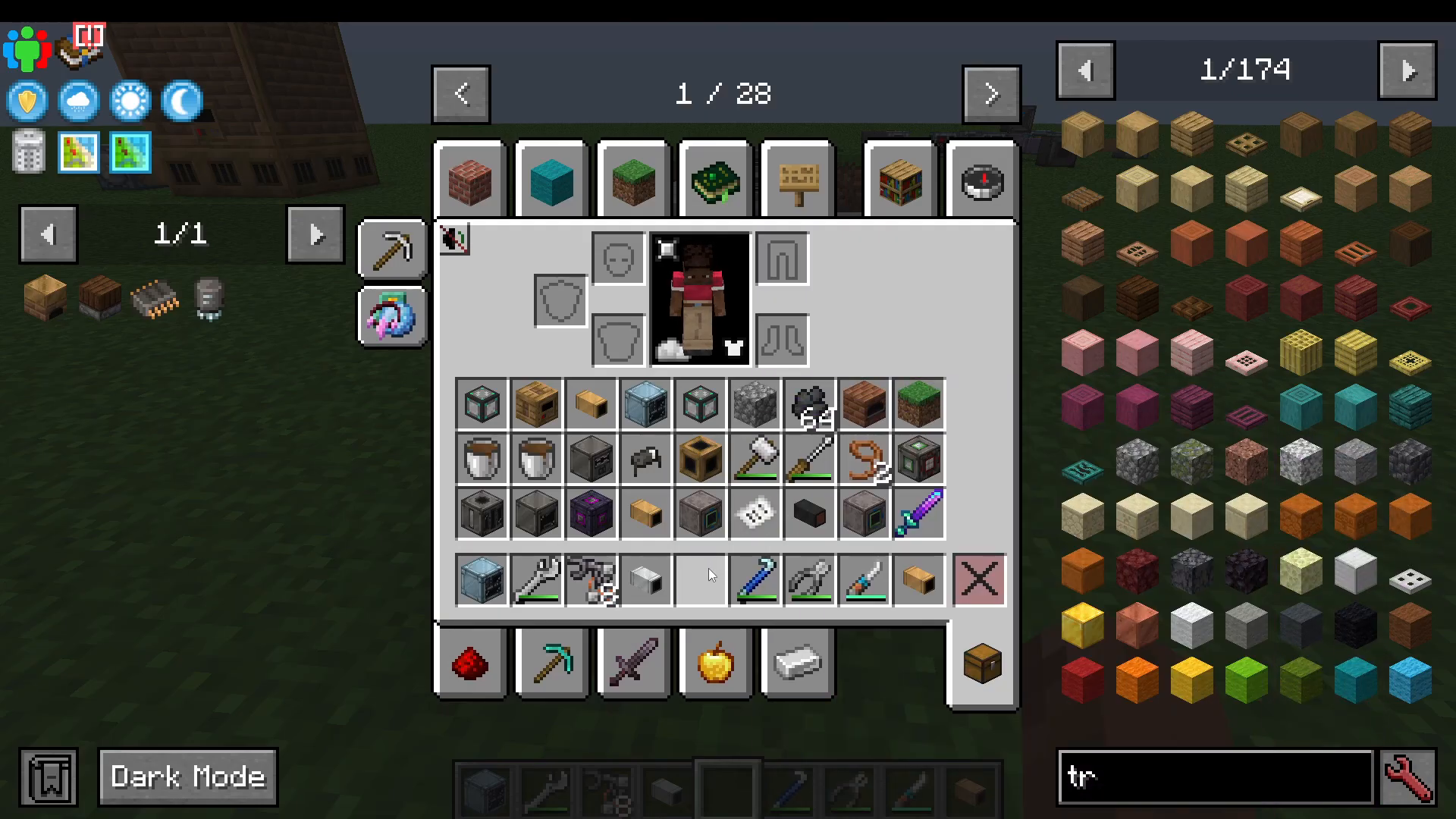
Producing Liquid Poly-Ethylene
Liquid poly-ethylene is critical for transistor production. The chain to create it is lengthy but manageable if you follow the steps carefully.
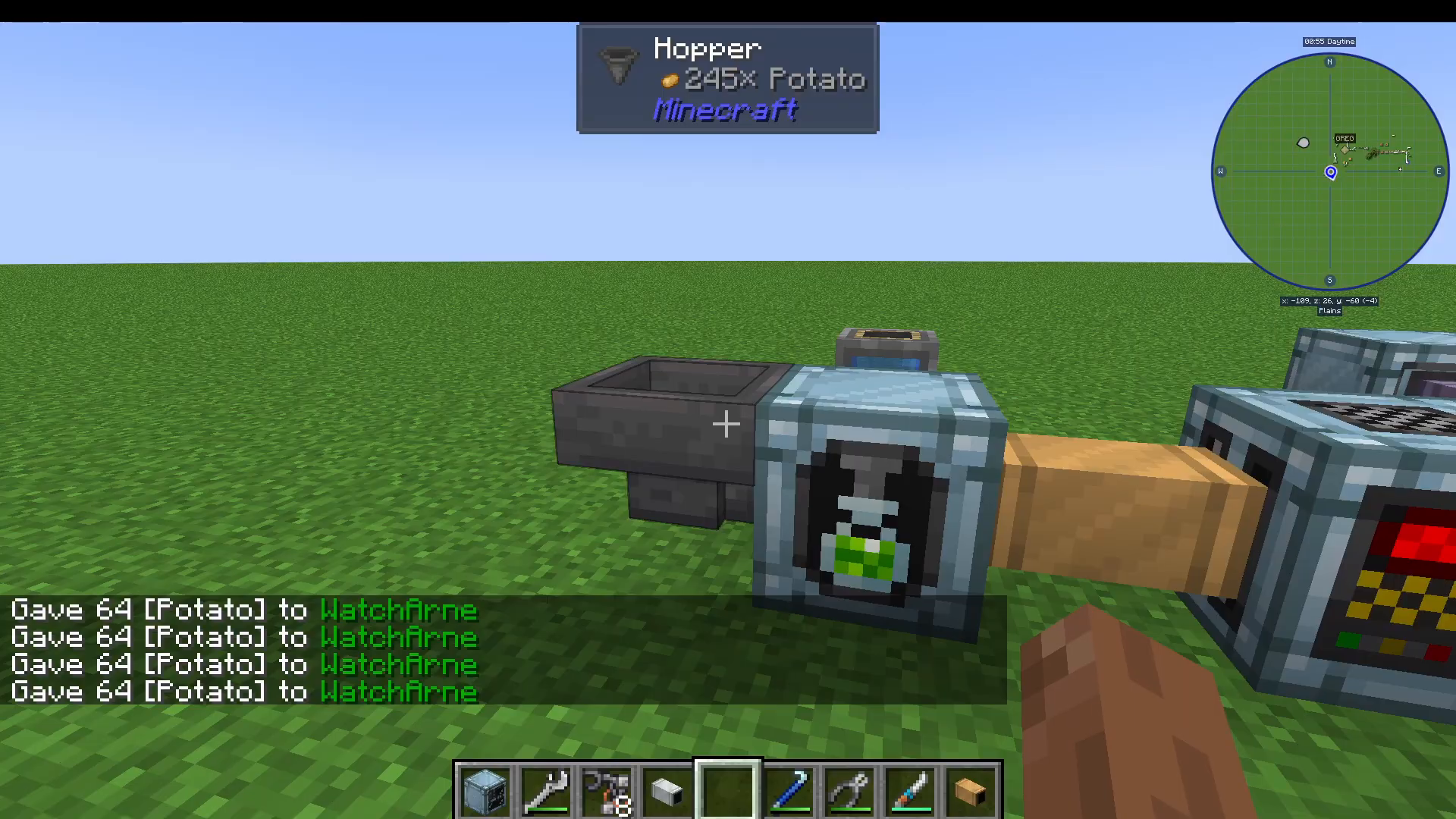
Step 1: Creating Biomass
Start with an Advanced Brewery. Add potatoes (or similar organic material) and water. This produces biomass. Note that you can use standard Minecraft hoppers on Gregtech machines.
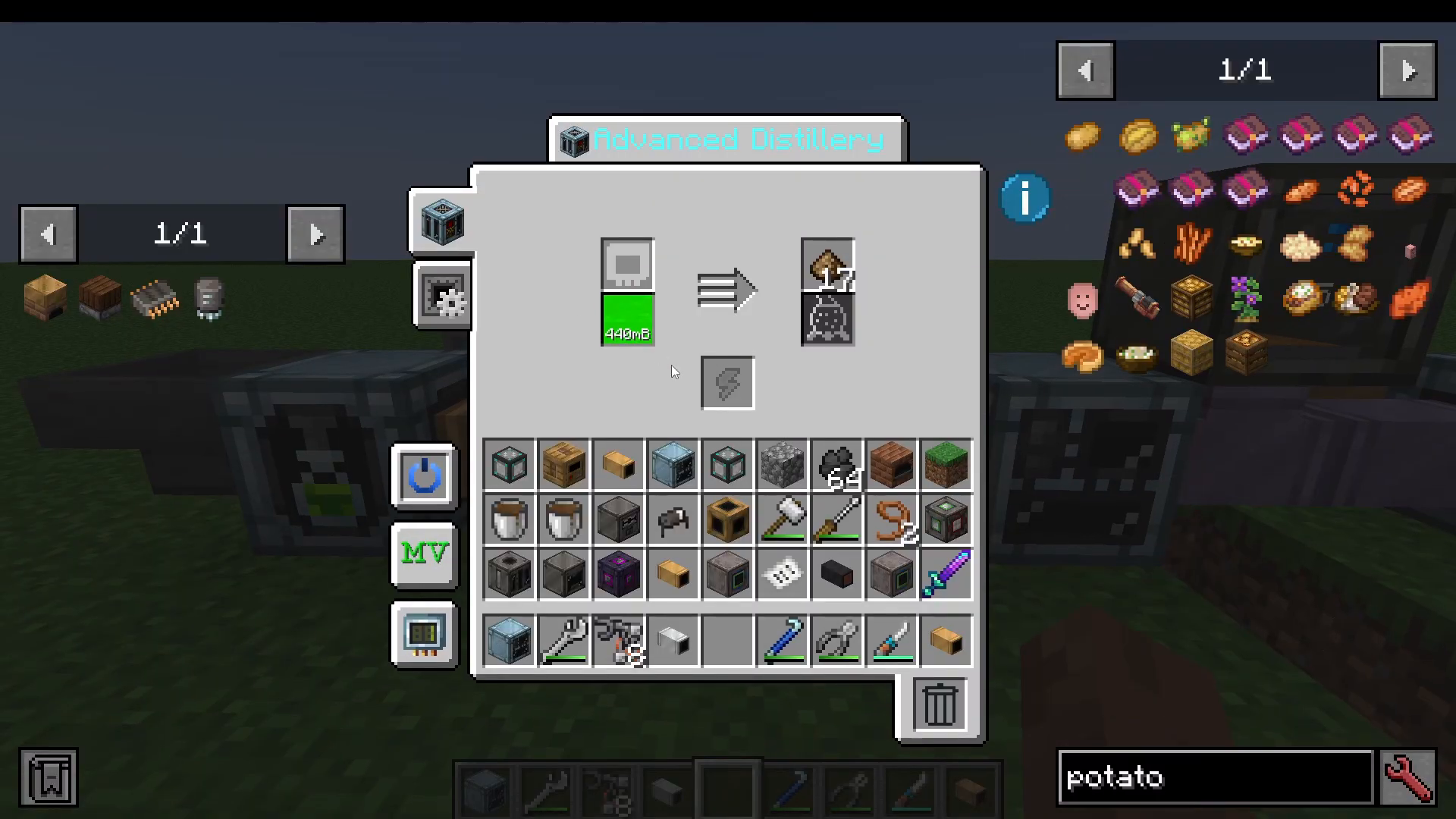
Step 2: Converting Biomass to Ethanol
Transfer the biomass to an Advanced Distillery. This machine will produce wood pulp (which you can discard) and ethanol.
Step 3: Ethanol to E-Filine
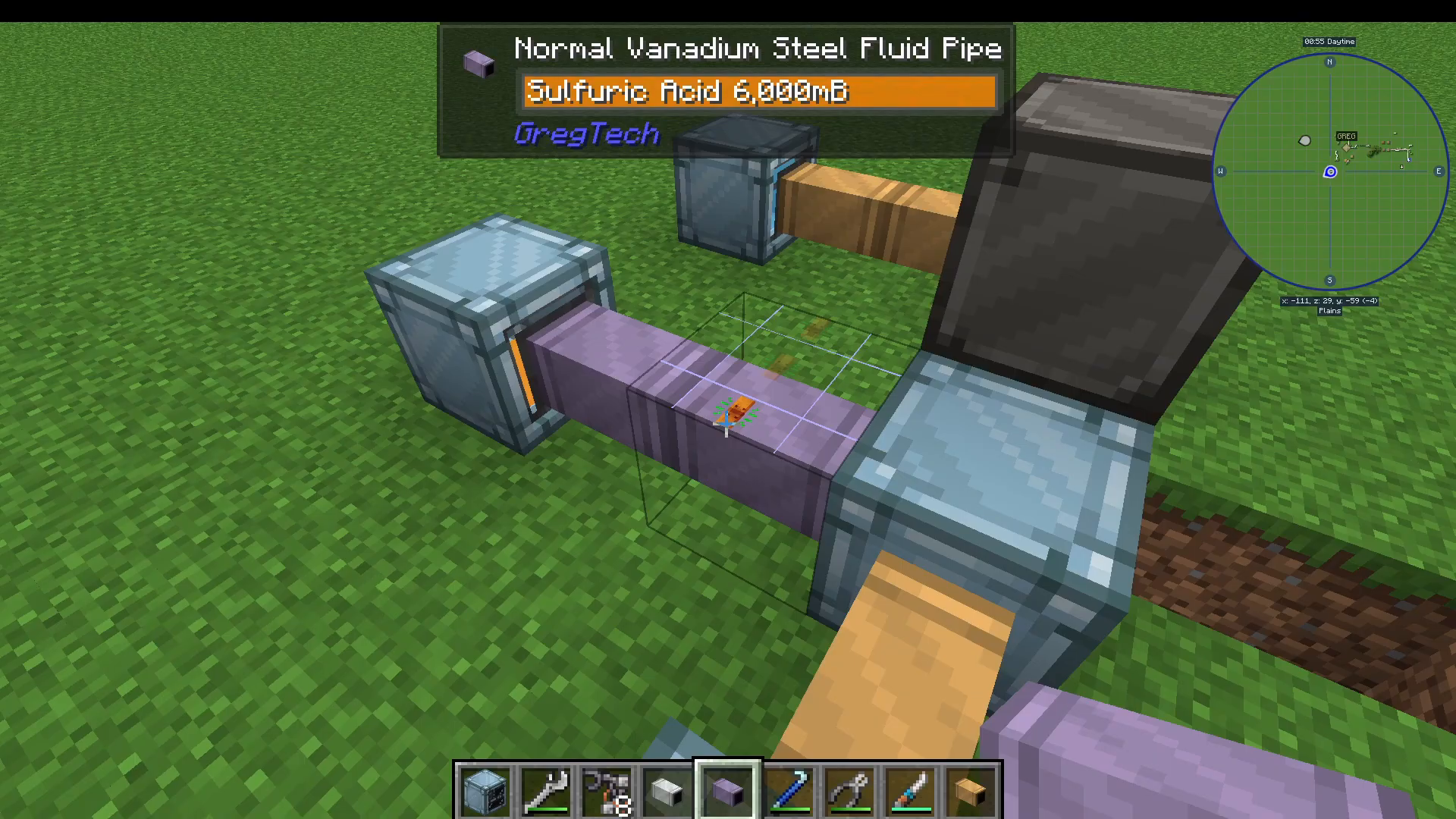
Pump the ethanol into an Advanced Chemical Reactor along with sulfuric acid. The output is E-filine.
Important Note on Sulfuric Acid Transport: Sulfuric acid is corrosive and can only be transported in vanadium steel pipes. Vanadium steel is the earliest material in medium voltage that can safely contain it. You should have already produced sulfuric acid during low voltage progression.
To make vanadium steel pipes, craft vanadium steel dust in a Mixer using chromium, vanadium, and steel. Then process the dust in an Electric Blast Furnace (this requires an earlier vanadium steel recipe). You’ll already have chromium and vanadium from ore processing.
Step 4: Converting E-Filine to Poly-Ethylene
Feed the E-filine into a second Advanced Chemical Reactor along with oxygen (which you’ve been producing throughout low voltage). This creates liquid poly-ethylene.
A byproduct of this reaction is diluted sulfuric acid, which you should filter out and discard.
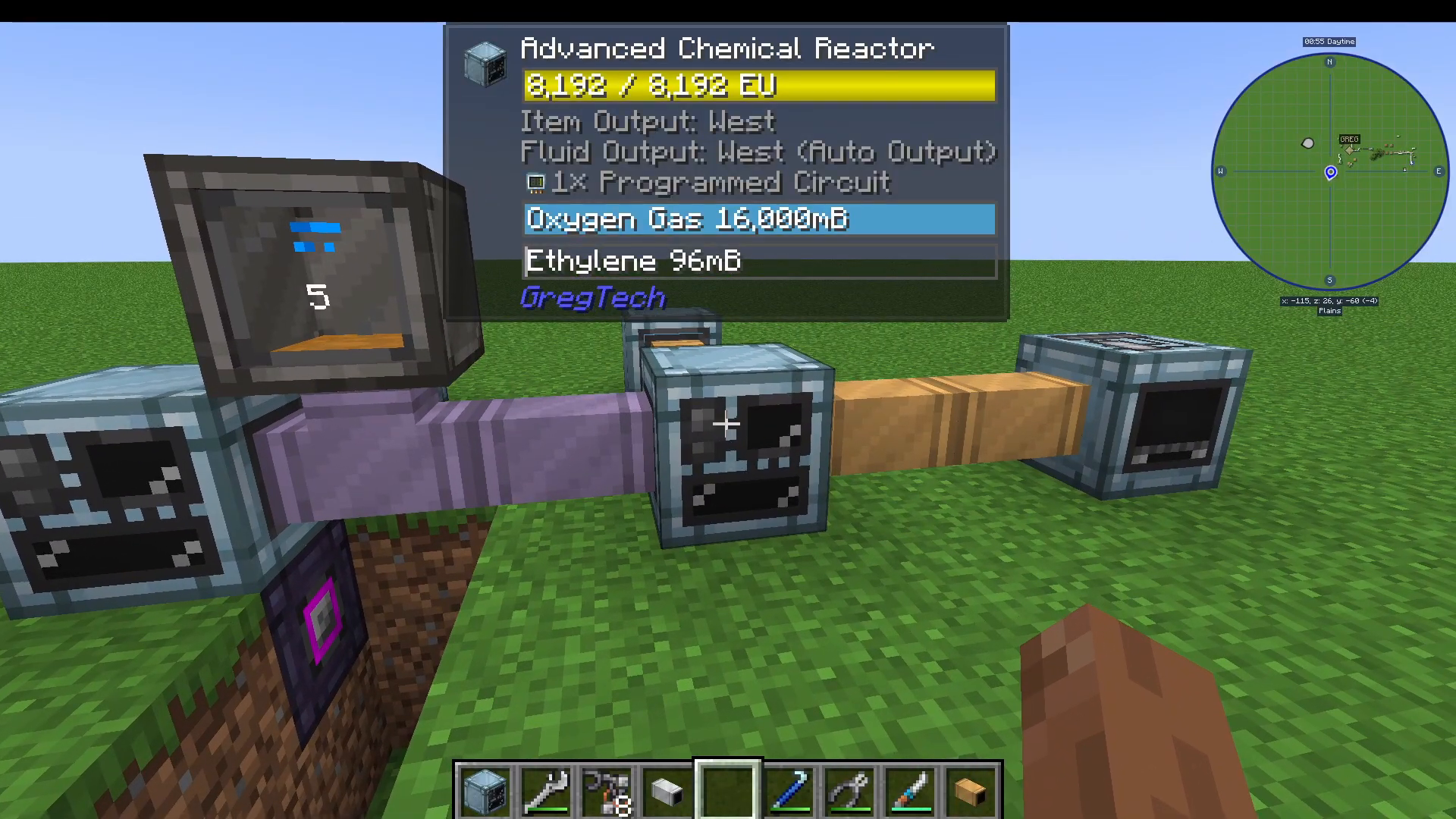
Using Fluid Filters and Super Tank One
Fluid filtering is more limited than item filtering. Use an Electric Pump (the fluid version of the robot arm) to filter fluids at the input of machines.
For output fluid management, a Super Tank One is invaluable because it automatically voids excess fluid when full. To use a Super Tank One, you’ll need a Hermetic Casing, which requires a Large Poly-Ethylene Fluid Pipe. Since you’re only just beginning to make poly-ethylene, you may need to manually bucket out your E-filine and poly-ethylene initially, then craft the pipes once you have enough poly-ethylene.
Fluid Filter Setup:
Place the Electric Pump on the input pipe below the Super Tank One
Shift-click to configure it in “Import” mode
Add a Fluid Filter and white-list the E-filine
Drag the fluid item onto the white-list (you don’t need an actual bucket of it)
The diluted sulfuric acid will be automatically voided by the Super Tank One when the tank fills
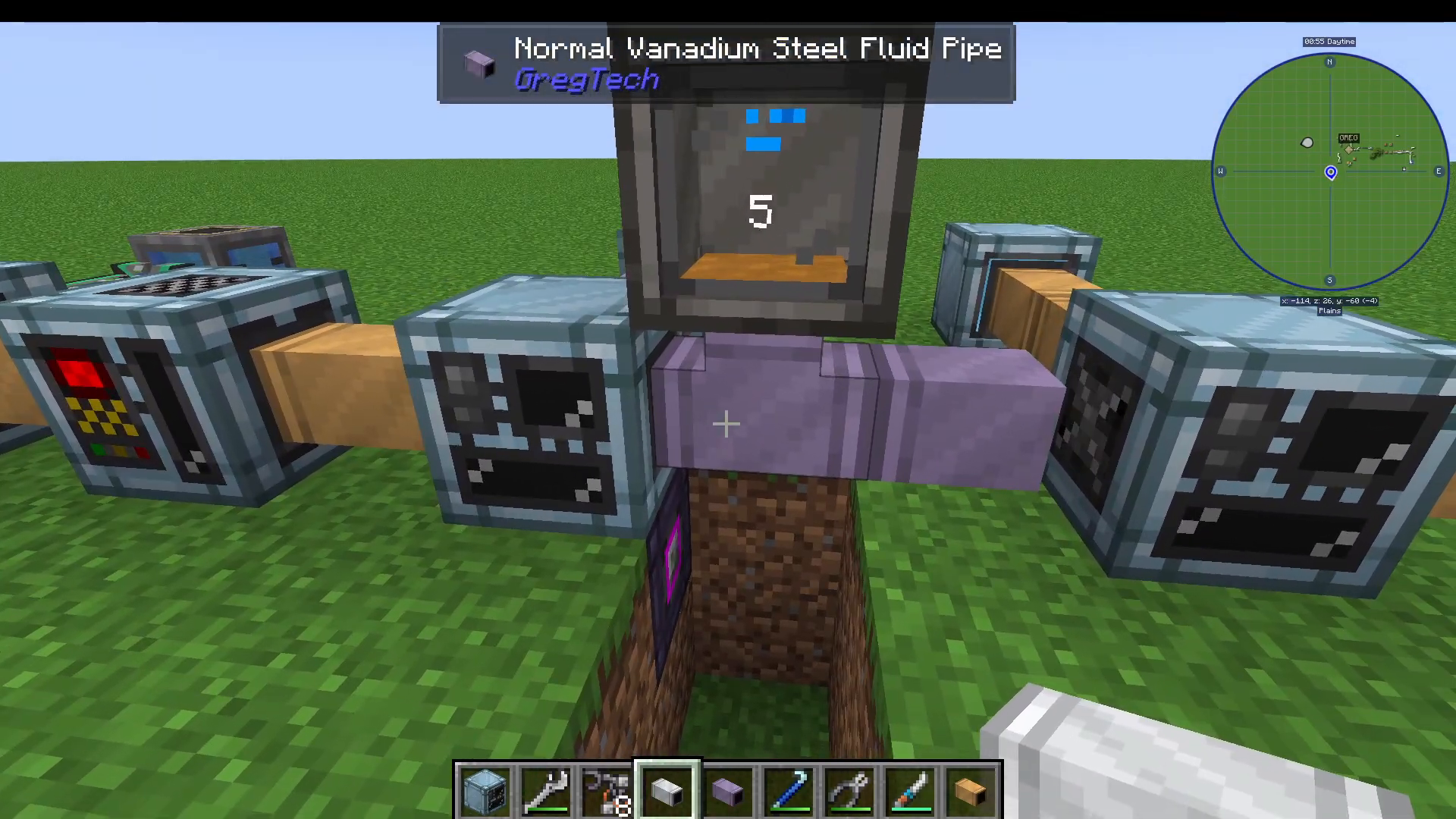
Quick Recap: Poly-Ethylene Production Chain
Advanced Brewery: Potatoes + Water → Biomass
Advanced Distillery: Biomass → Ethanol (+ wood pulp)
Advanced Chemical Reactor #1: Ethanol + Sulfuric Acid → E-Filine (+ diluted sulfuric acid)
Advanced Chemical Reactor #2: E-Filine + Oxygen → Liquid Poly-Ethylene
Feed the liquid poly-ethylene into your Advanced Assembler for transistor crafting
Producing Silicon Plates
Silicon plates are the second critical component for transistors. Creating them requires upgrading your Electric Blast Furnace to use Kanthal Coils.
Understanding Hot Ingots and the Need for Kanthal Coils
At medium voltage, recipes become more complex and require “hot ingots.” This means you need to craft hot silicon in an Electric Blast Furnace, then cool it with water in a Chemical Bath to create normal silicon. To do this, your EBF must be upgraded to Kanthal Coils.
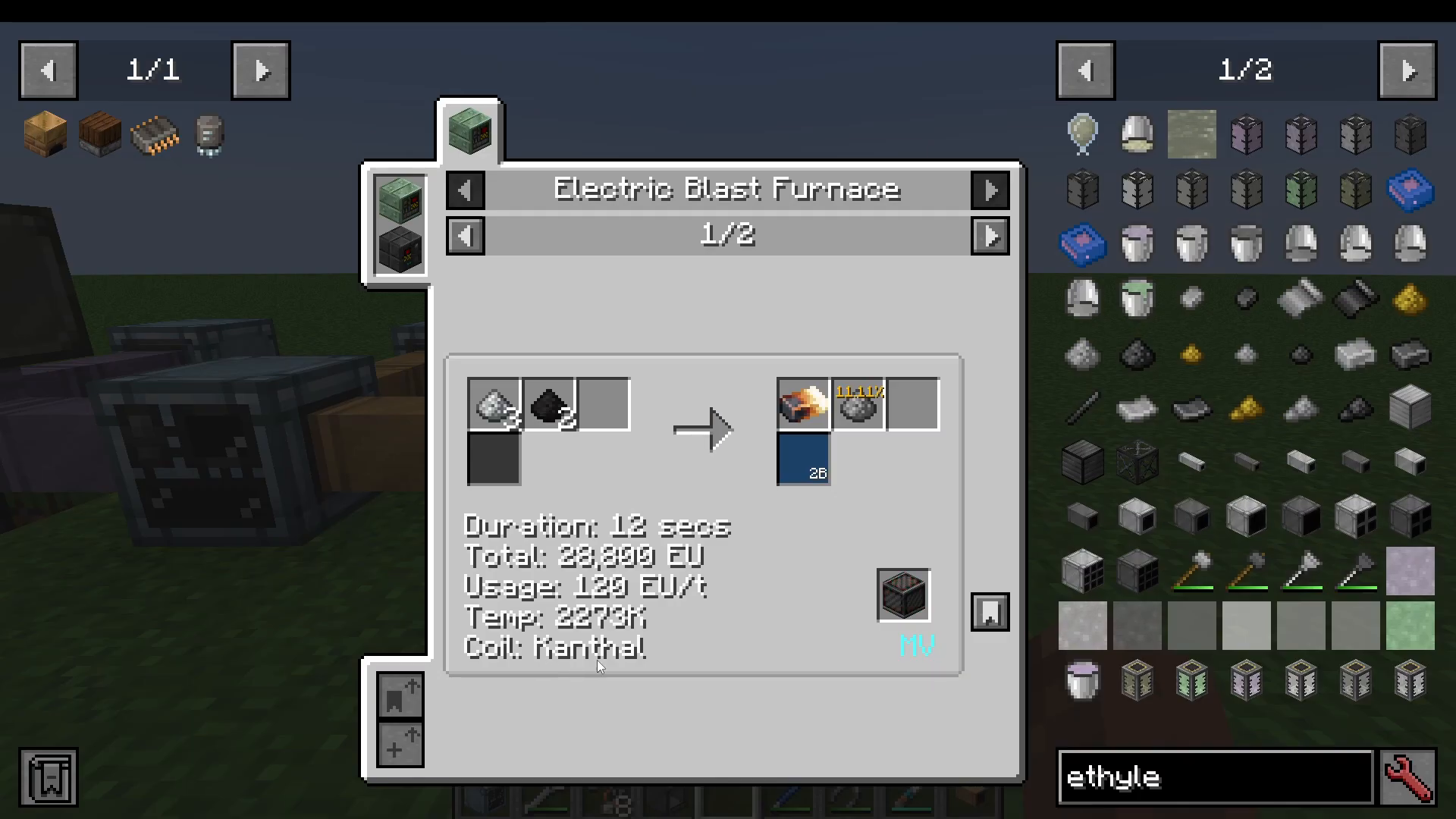
Creating Kanthal Coils
Kanthal coils are crafted from kanthal and liquid copper. To produce kanthal:
Create hot kanthal in an Electric Blast Furnace using cupronickel coils (which you likely already have from low voltage)
Cool the hot kanthal with liquid copper in a Chemical Bath to produce kanthal ingots
Craft kanthal coils and install them in your EBF
The High Voltage Problem: Energy Hatches
Making hot silicon in a Kanthal-coil EBF requires High Voltage energy input, but you’re currently in medium voltage. Solve this by combining two Medium Voltage energy hatches on your EBF—two MV hatches together provide one HV recipe slot. This allows you to run high voltage recipes without jumping tiers entirely.
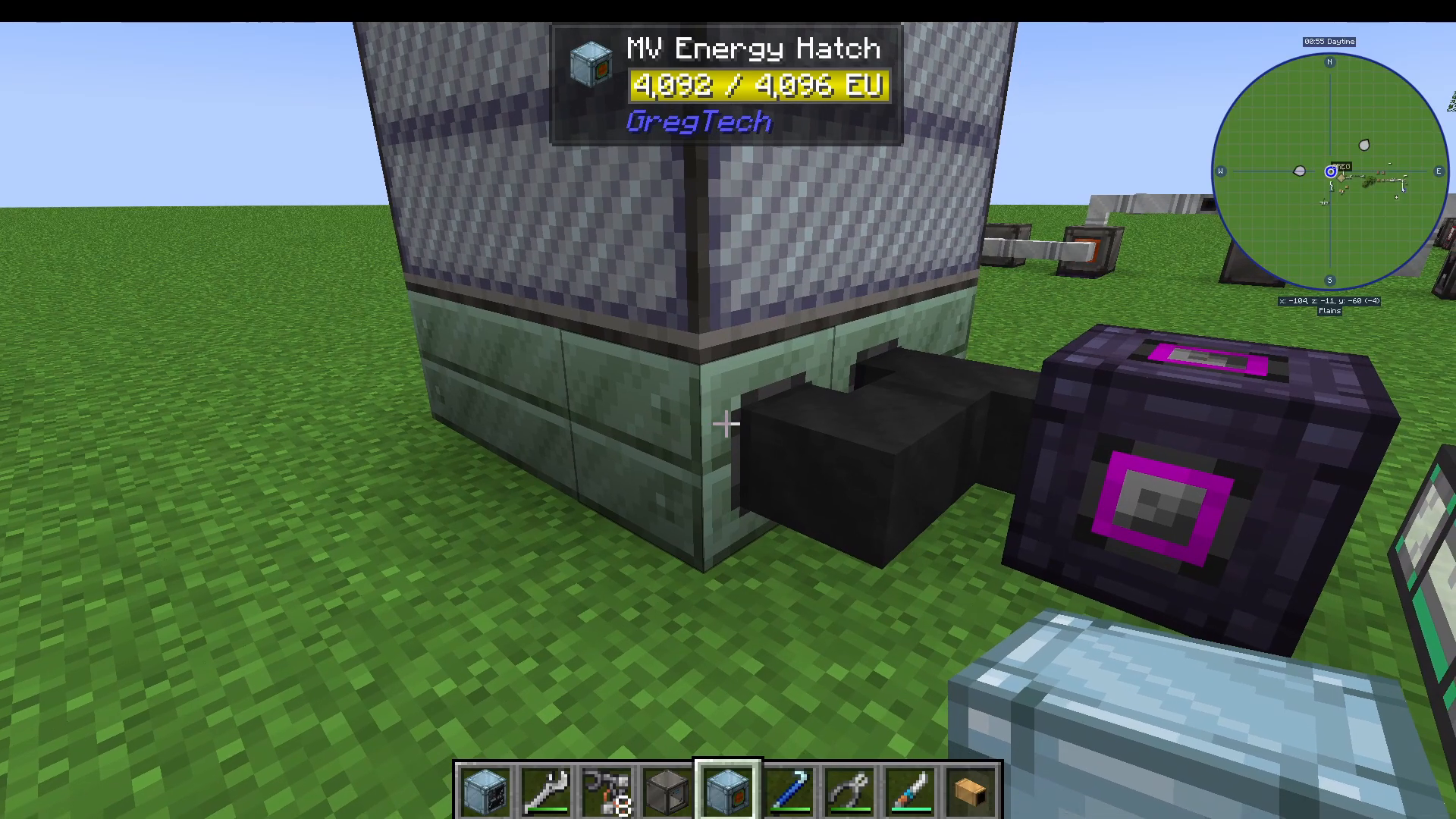
Kanthal-Coil EBF Recipe
The recipe requires:
Cupronickel coils (you already have these)
Medium Voltage energy input (2× MV hatches for HV recipes)
Silicon dust
Obtaining Silicon Dust
Multiple methods exist for obtaining silicon dust. The quickest options are:
Centrifuge: Centrifuge 10 redstone dust in an LV or above centrifuge to get 1 silicon dust
Electrolyzing Silicon Dioxide: Free-electrolize silicon dioxide in an Electrolyzer to produce silicon dust
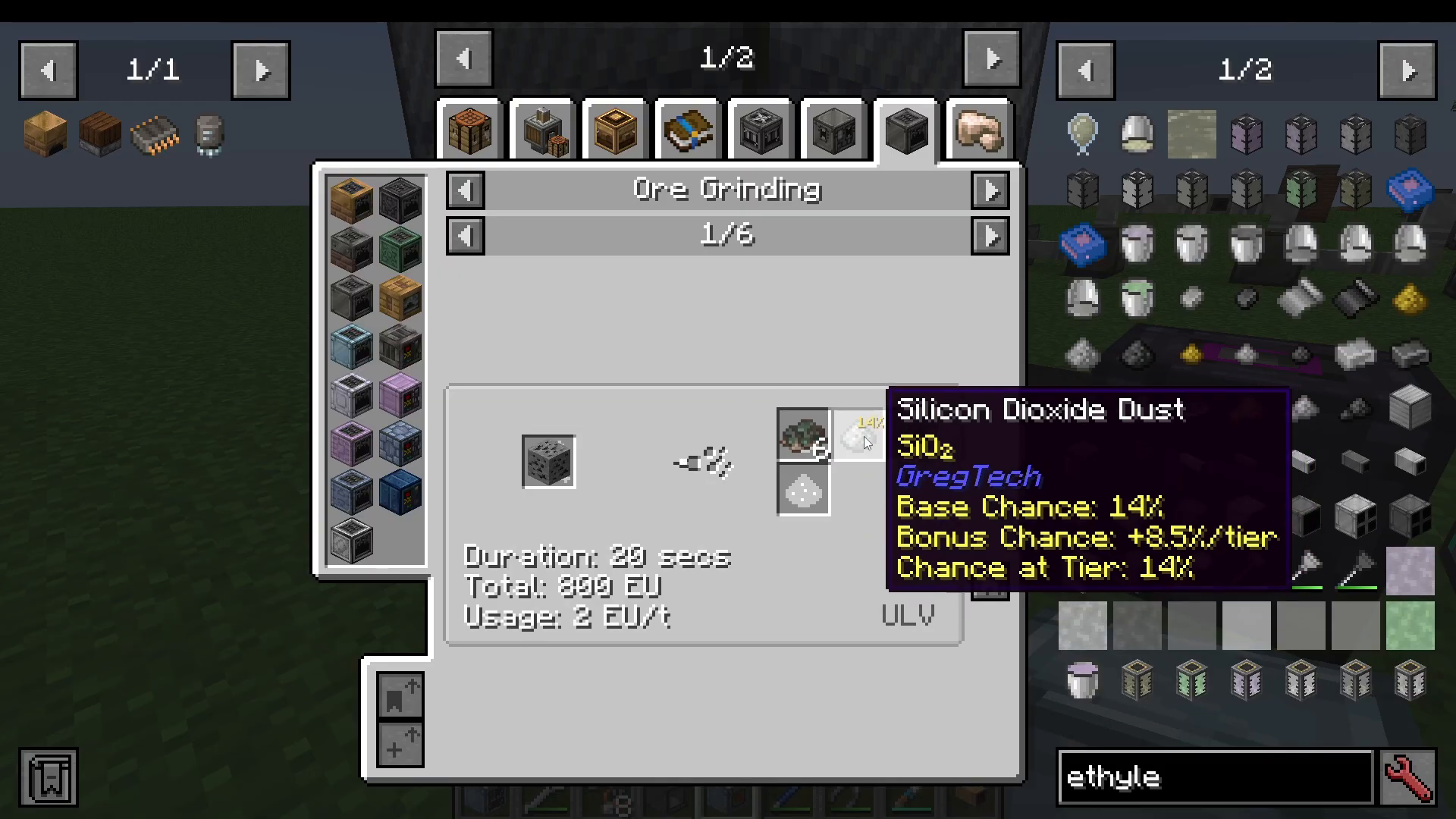
Grinding Soapstone: Grind soapstone for a 14% chance to obtain silicon dioxide dust, which can then be electrolyzed
Hot Silicon Production
In your upgraded Kanthal-coil EBF, combine:
Carbon dust (made by centrifuging coal)
Silicon dioxide
This produces hot silicon. Cool it with water in a Chemical Bath to create regular silicon.
Silicon to Silicon Plates
Use a Cutter with water or lubricant (lubricant is faster) to cut silicon into silicon plates.
📸 [ASSISTANT: TAKE SCREENSHOT AT SCREENSHOT AT TIMESTAMP 10:24]
Creating ULV Chips for Energy Hatches
To make your Medium Voltage energy hatches, you’ll need ULV chips. Here’s the chain:
ULV Chip Production
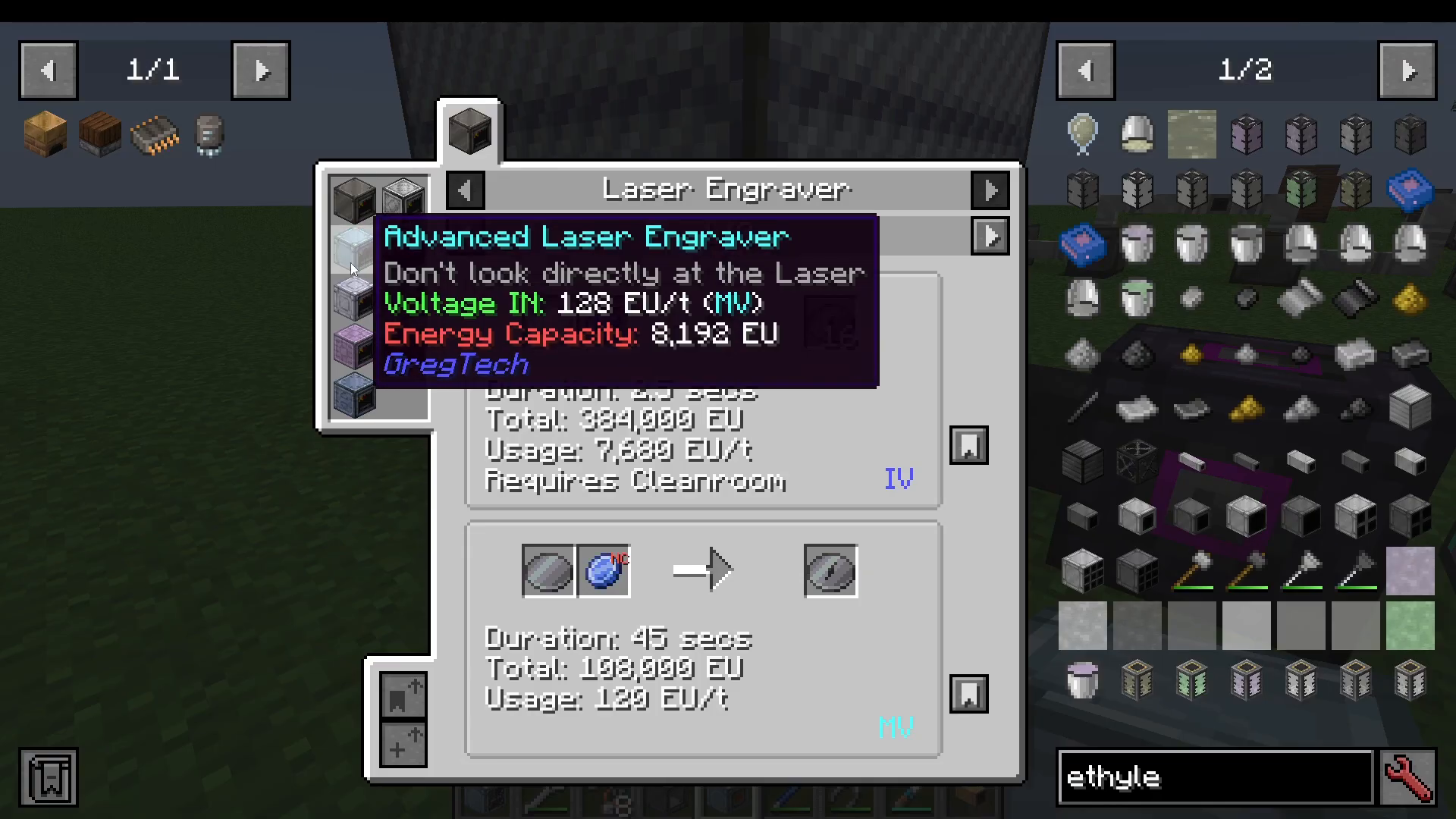
ULPIC Wafer (in a Laser Engraver): ULPIC wafers are cut from silicon wafers using a laser engraver
Silicon Wafer: Cut monocrystalline silicon balls in a Cutter using water
Monocrystalline Silicon Ball: Made in an EBF from a small pile of gallium arsenide dust (which you’ve already produced)
Glass Lens: The laser engraver requires a glass lens, crafted from sapphire in a Cutter. Sapphire blocks can be freely assembled from raw sapphire ore (which you can dig up)
ULV Chips: Cut the ULPIC wafers in a Cutter with water or lubricant. You get 16 chips per wafer
Producing Annealed Copper
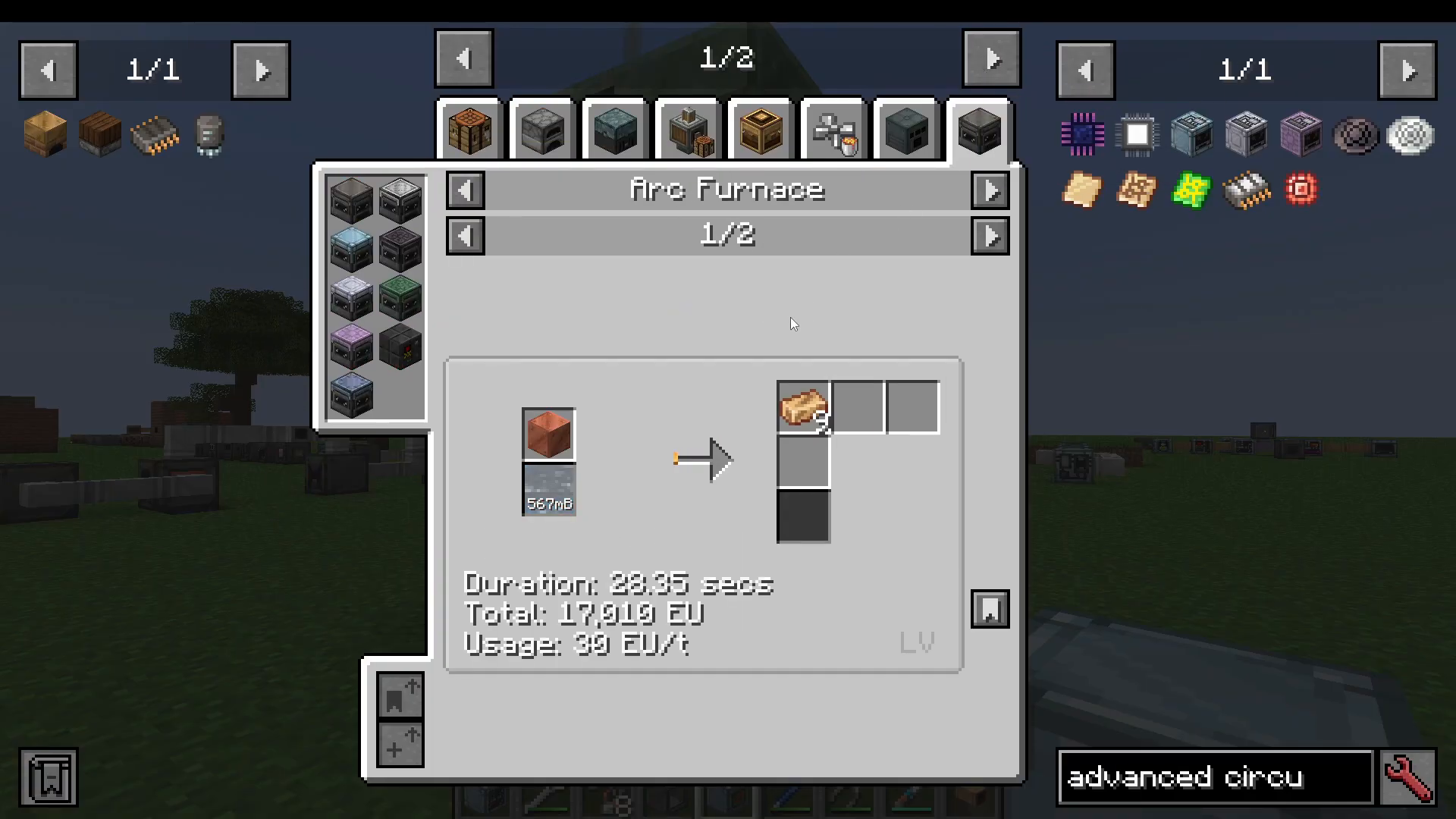
Annealed copper is simple to produce compared to other medium voltage materials. Use an Arc Furnace with oxygen and copper ingots to directly create annealed copper.
Putting It All Together
Now that you’ve prepared all components, assembling the Advanced Integrated Circuit is straightforward:
Transistors (made from fine tin wire, silicon plate, and liquid poly-ethylene)
RAM Chips and IC chips (made using wafers—you already know how to make those from earlier progression)
Good Integrated Circuits (which you can already craft)
Fine Electrum Wire (made from silver and gold lecturm)
Annealed Copper
Liquid Tin
With these components ready, you can assemble your Advanced Integrated Circuit and move forward into high voltage progression.
Conclusion
Medium voltage is a significant milestone in Gregtech CEu progression. While the chains are complex, they introduce essential automation and filtering techniques that you’ll use throughout the rest of your playthrough. Remember that Gregtech frequently offers multiple pathways to obtain materials—experiment with different approaches to find what works best for your playstyle. Now that you’ve mastered medium voltage, high voltage awaits!
Want to Support?
If you would like to help us continue making these guides – please consider joining our patreon here – https://www.patreon.com/c/JaviHeals
Alternatively – we host a group of MC Servers you can join here – https://discord.gg/zD7Gjt6MHF