








Society Sunlit Valley COMPLETE Crop & Farming Guide
Society Sunlit Valley COMPLETE Crop & Farming Guide
This is your ultimate guide to farming with crops in Society’s Sunlit Valley. Whether you’re just starting out or looking to optimize your farming profits, this guide covers everything you need to know about crops, tools, seasonal planting strategies, and recipe crafting to maximize your earnings.
Farming Basics & Tools
Watering Your Crops
To start farming, you need to hold the ground for planting. The game features a weather system: if it’s raining, your crops will automatically water themselves. Otherwise, you’ll need to use a watering can on each piece of farmland you plant.
Greenhouse Glass for Year-Round Growing
You can place greenhouse glass above farmland to allow crops beneath it to grow in any season, all year long. However, this is very expensive and costs 16,000 coins. Keep in mind that greenhouse glass only works on the first piece of farmland it touches—you cannot stack multiple rows of crops beneath it.

Acquiring Seeds from the Marketplace
Visit the marketplace to purchase seeds for different crops. The “Universal Methods of Farming” book costs 81,000 coins and, once purchased and used, will unlock all seasonal seeds in the marketplace’s inventory.
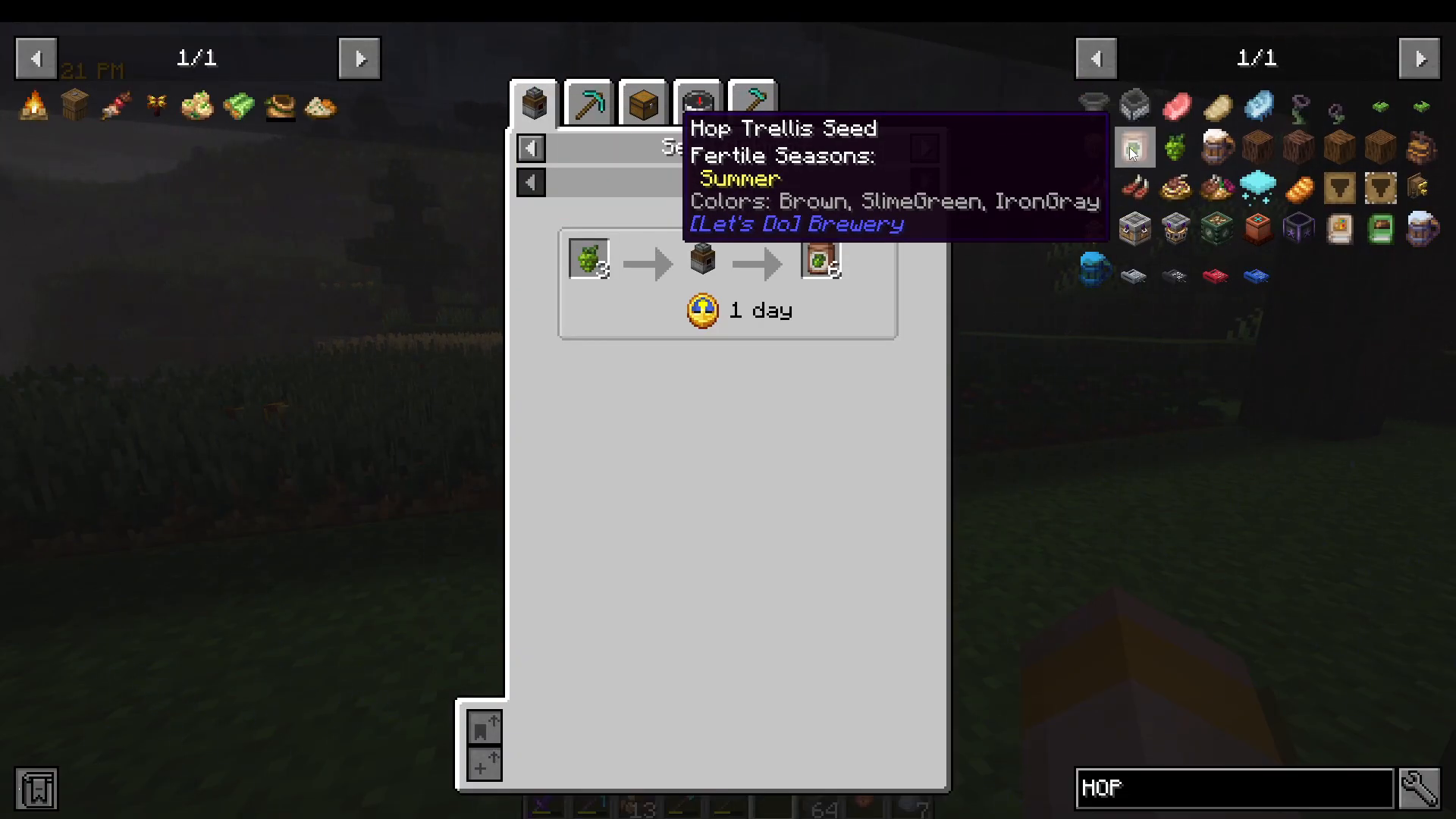
Note: Not every seed is sold by the marketplace. For example, hops (one of the best summer seeds) must be found by breaking grass in the wild or discovered in the Skull Cavern. To locate any seed, use JEI: press R on the item (e.g., “hop trellis seed”), go to “Plant Drops,” and you’ll see all possible sources including wild spawns, mansion chests, and loot crates.
Useful Farming Tools
Sprinklers are invaluable for watering large crop areas. For planting multiple seeds efficiently, use a seed pouch, which can plant seeds in a 3×3 area automatically. Upgrading your hoe improves harvesting efficiency and increases the area you can harvest at once.
Best Crops by Season
Spring Crops
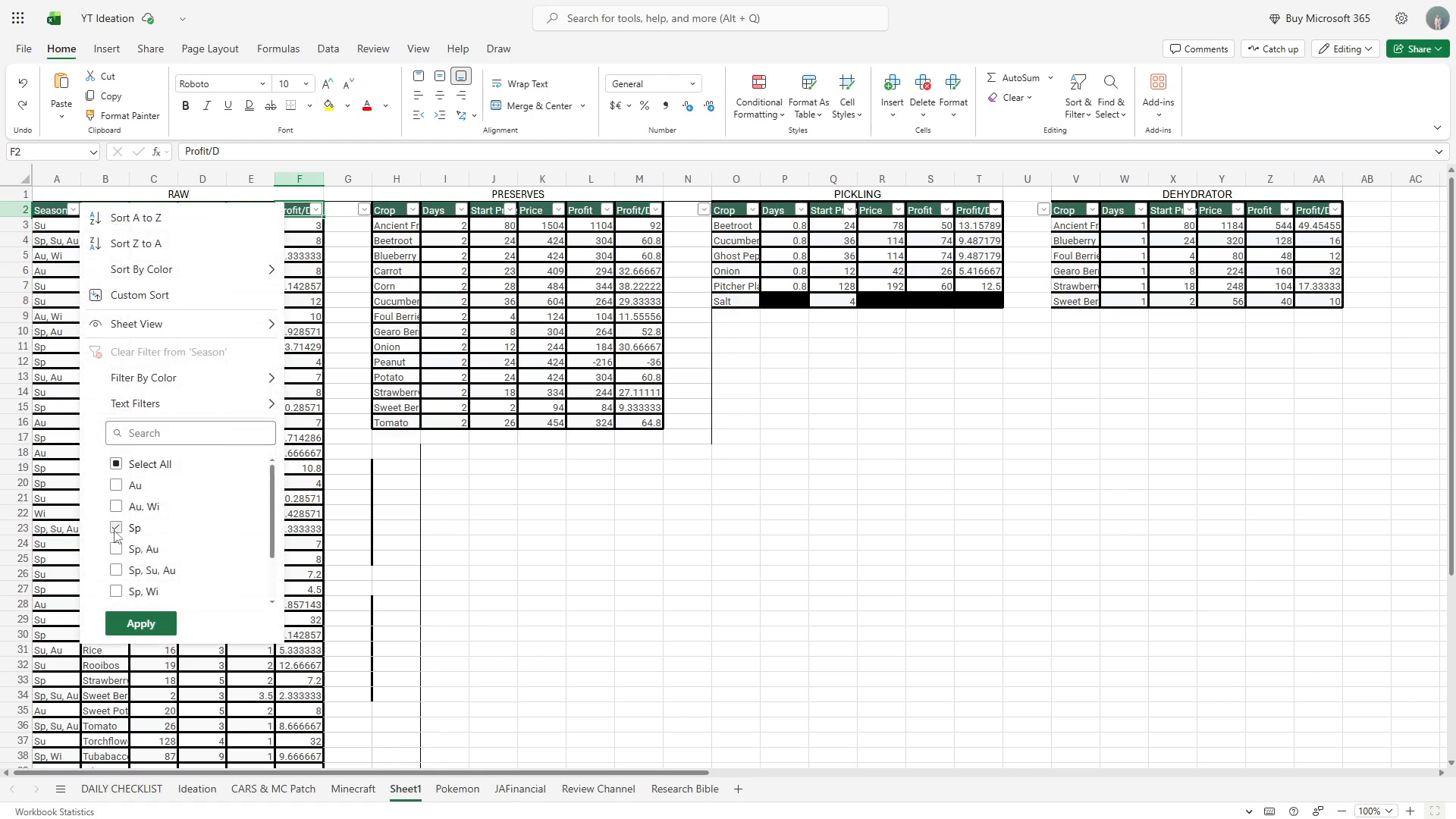
When evaluating crops, prioritize profit per day rather than raw value alone. For example, ancient fruit has a value of 80 but takes 10 days to grow with an average yield of one, resulting in only 8 profit per day.
Cauliflower is the top spring crop with a profit of nearly 14 per day. It costs 48 coins, takes 7 growth days, and has an average yield of 2.
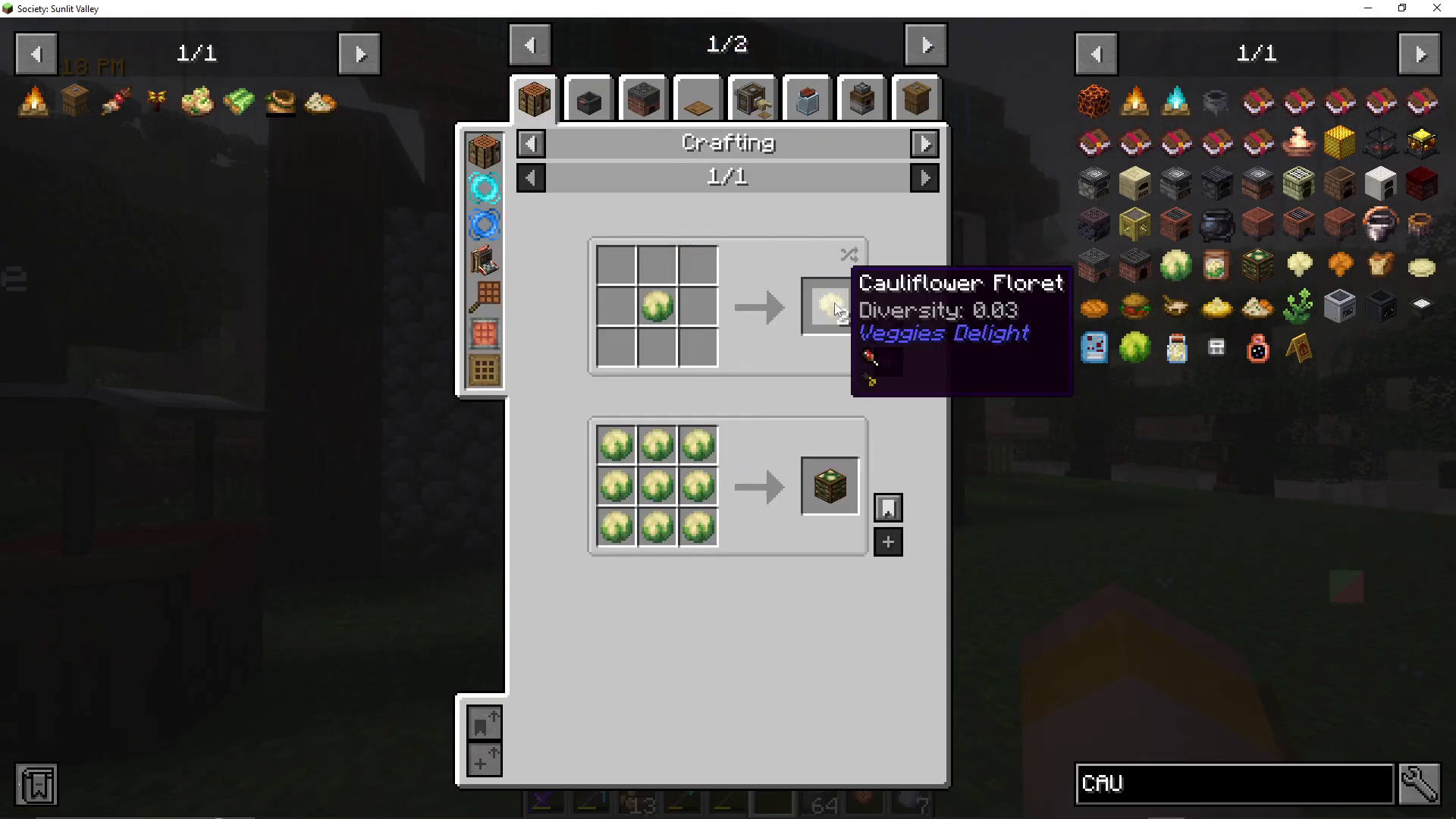
Cauliflower Recipe (Late Game): Craft cauliflower florets (2 florets per cauliflower), roast garlic cloves (1 clove makes 3 roasted cloves), and combine them with cooked rice and a bowl to make Garlic Cauliflower Rice (300 coins each). Note: Rice is only available in summer, so this recipe is better for mid-to-late game.
Early Game Spring Options:
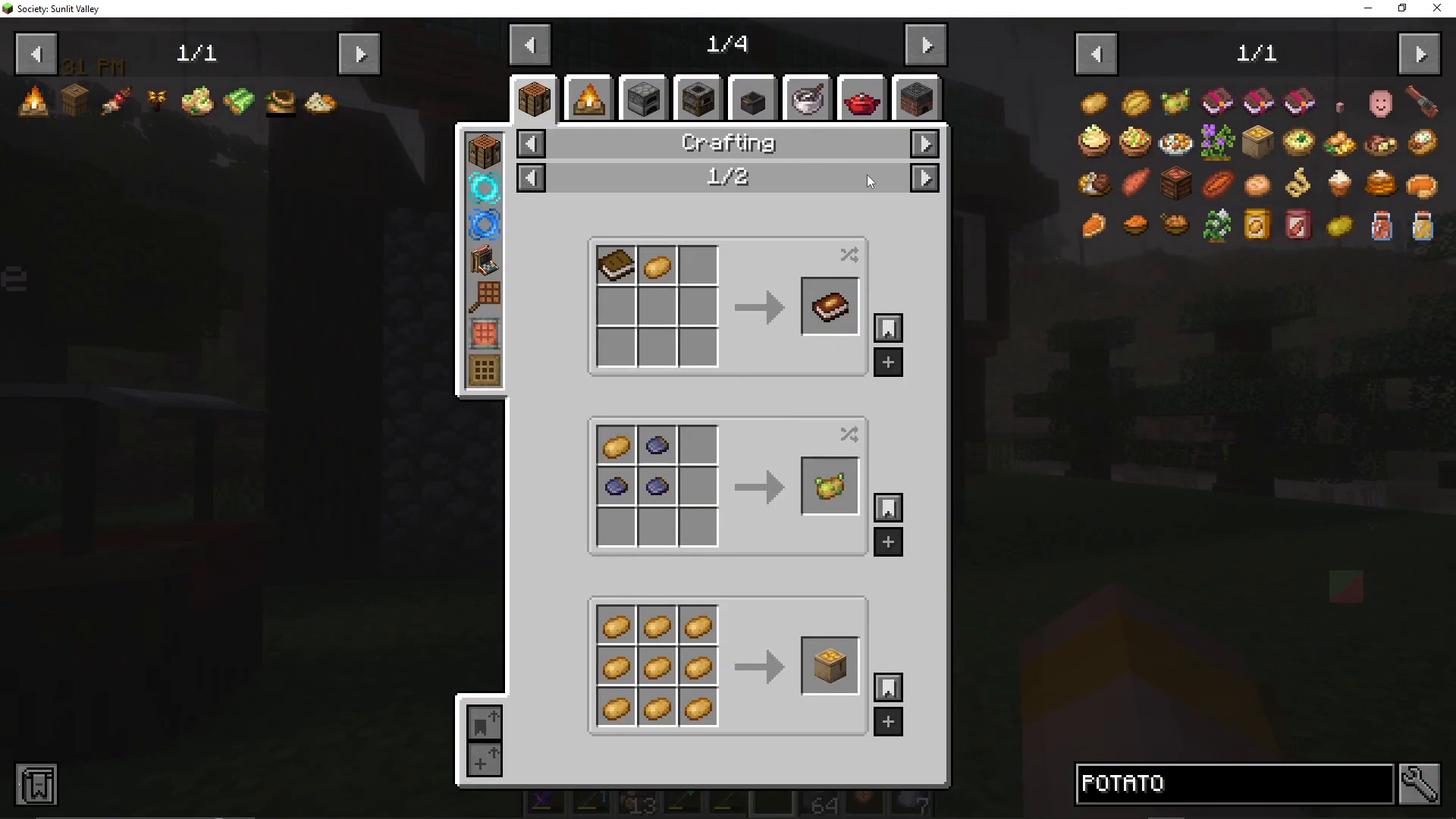
Potatoes: 24 coins raw. Bake them for 36 coins per potato. Combine a baked potato with meat and butter to make Stuffed Potato (128 coins). Meat comes from killing or farming cows; butter is made from milk and earth crystals in a crafting bowl.
Strawberry Tea: Plant strawberries and create water cups by placing a bucket in a crafting grid (yields 8 water cups). In a cooking pot, combine 2 strawberries with water to make Strawberry Tea (80 coins). This also provides attack speed bonuses.
Cabbage Rolls: Combine lettuce and potato (both available in spring) to make Cabbage Rolls (142 coins). Simple and effective for early game.
Summer Crops
Raw summer crops include Picture Plants (32 profit per day), Porch Flowers, Ruba Boss, and Blueberries. However, processing crops through preserves yields higher profits.
Best Summer Profit Options:
Ancient Fruit Preserves: 50 profit per day (if available)
Beetroot Preserves & Dehydrated Beetroot: 60 profit per day
Blueberries (preserved or dehydrated)

Picture Plant Recipe: Picture Plants are raw worth 64 coins. The best use is fermenting: place picture pod seeds with sugar in a fermenting jar to get 5 Pickled Picture Pods (960 coins total). You can cut picture plants to harvest cyan dye and one picture pod, or place 3 picture plants in a crafting grid to get 6 seeds. Sugar is also available in summer (from sugarcane), making this a seamless same-season recipe.

Autumn Crops
Autumn doesn’t have exceptional raw crop profits, but cabbage and tomatoes are decent options. Many crops from spring and summer continue to grow through autumn (wheat, rice, carrots, etc.), providing flexibility.
Recommended Autumn Recipe – Cauliflower Cuckoo (444 coins): By autumn, you should have greenhouse glass set up, allowing you to grow spring crops year-round. Combine:
Free large grain milk (made from corn or barley—both available in summer/autumn)
Cauliflower (from spring, via greenhouse)
Garlic (from spring, via greenhouse)
Onions (from spring, via greenhouse)
A cooking pot and bowl
This dish provides 5 minutes of nourishment with exceptional hunger restoration and saturation.

Other Autumn Recipes:
Mashed Potatoes (224 coins): 2 potatoes or sweet potatoes + any large milk
Broccoli Soup (nearly 400 coins): 2 broccoli + any milk + various vegetables
Pumpkin Slices (4 slices per pumpkin): Use a cutting board and knife on an autumn pumpkin
Winter Crops
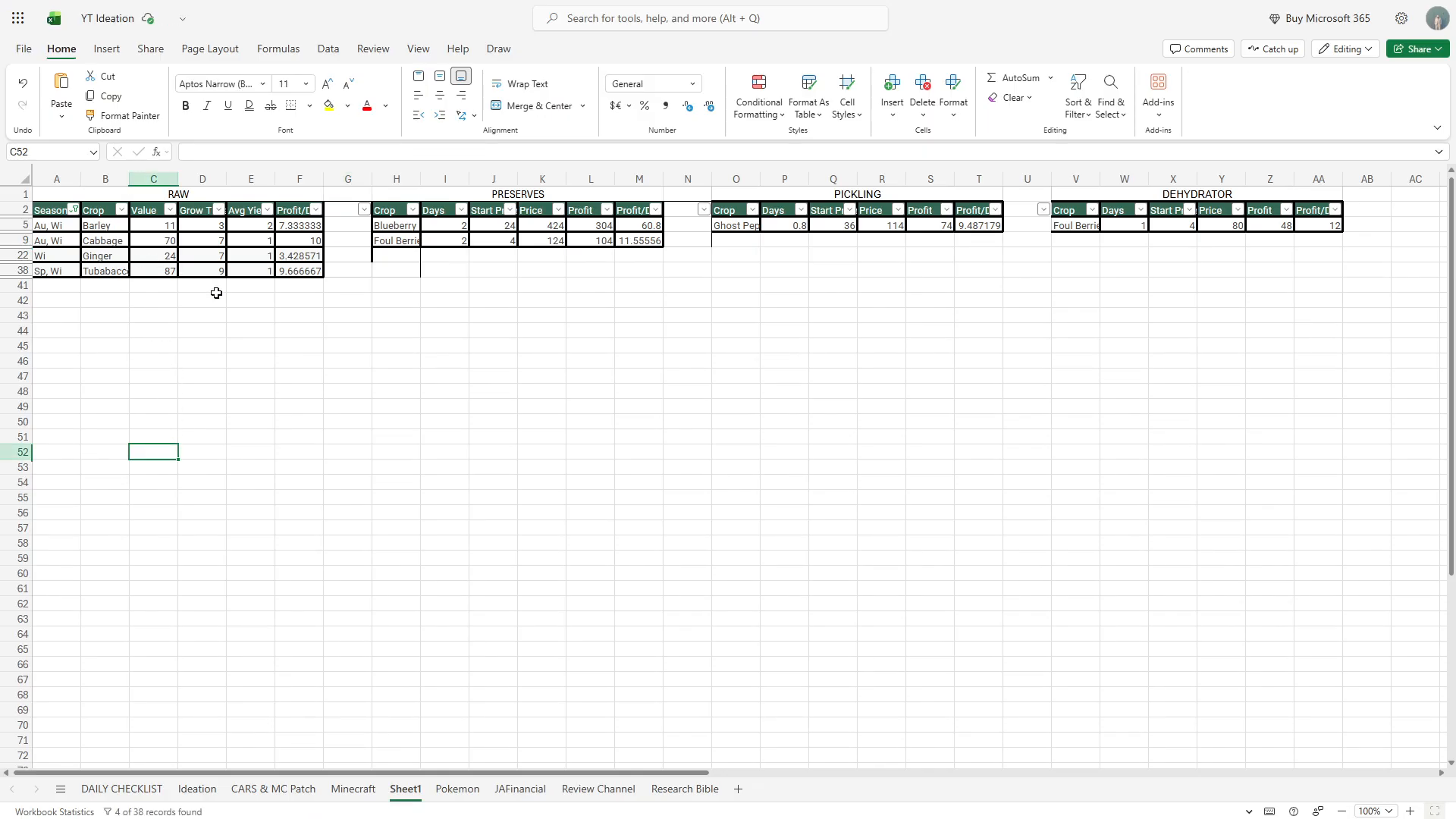
Winter has very limited crop options. Tuber Backhoe yields nearly 10 profit per day, and barley can be made into milk. Most winter crops are poor investments.
Recommendation: Focus on establishing greenhouse glass before winter arrives (by day 60+). This allows you to grow autumn and summer crops without relying on winter crops. By the time winter comes around, you should have sufficient infrastructure to support this strategy.
Fertilizers & Crop Enhancement
Strong Fertilizer (Recommended)
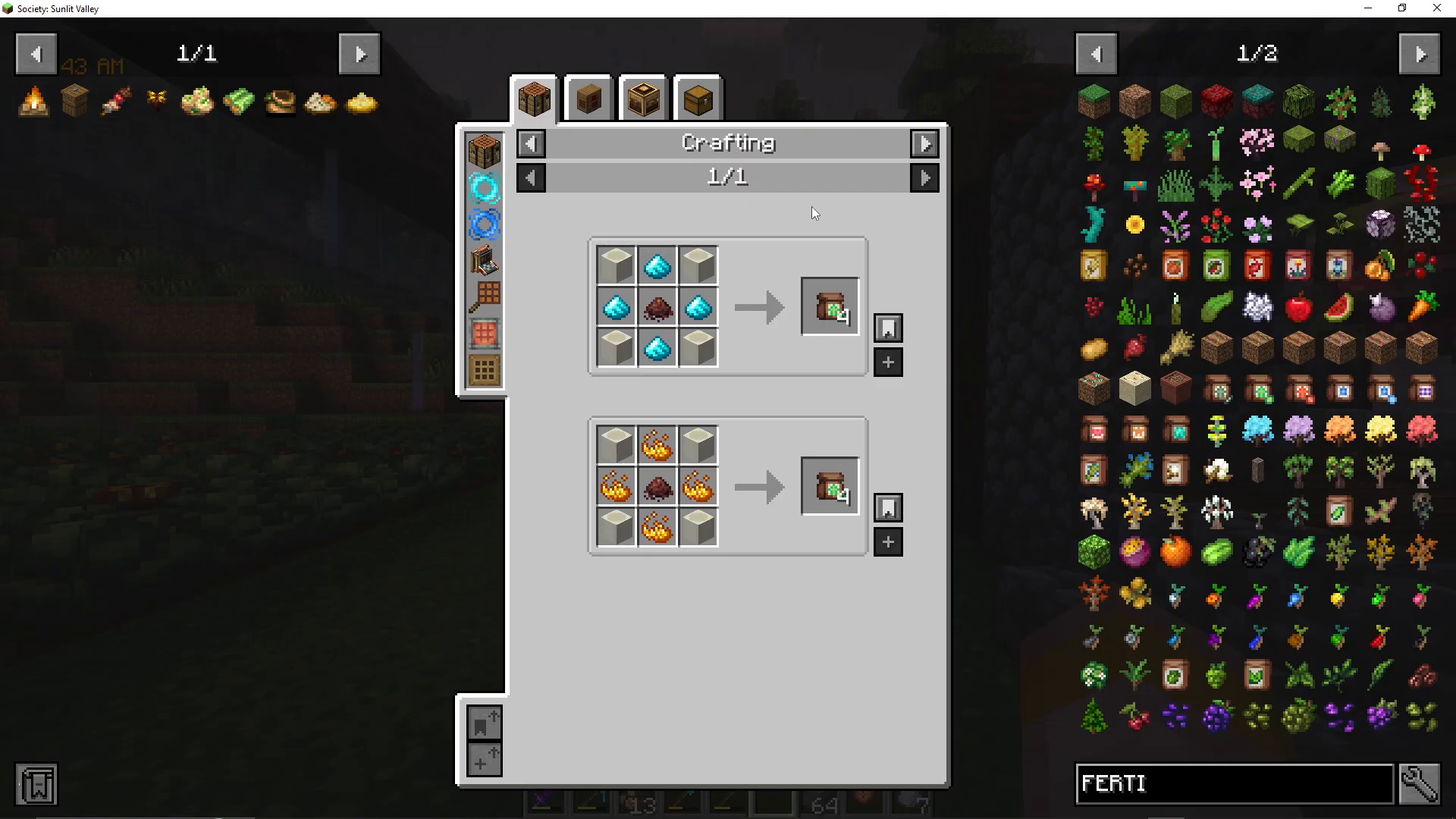
Strong Fertilizer reduces crop maturation time by 2 entire days and is cost-effective. Recipe: 2 Blaze Powder → 4 Strong Fertilizer. Blaze Powder drops easily in the Skull Cavern and the Nether.
Plant Nutrients
A mid-game option made in a wooden silo using weak fertilizer, honey, and pine tar. Honey and pine tar can be purchased from a farmer villager for 64 coins each, making this accessible.
Other Fertilizer Types
Hydrating Fertilizer: Not recommended—sprinklers make this obsolete.
Quality Fertilizer: Most recipes don’t preserve crop quality, so this is less useful.
Bountiful Fertilizer: Very expensive (requires Jade); save for late game only.
Bound to Full: Useful if you want to avoid quality variations; removes quality but guarantees consistent harvests.
Oak Resin & Advanced Techniques
Oak Resin comes from drying out weak fertilizer and bone blocks (easily obtained from the Nether or Skull Cavern). Use Bountiful Fertilizer to maximize crop yields in late game.
Advanced Technique: Fruit Trees Under Greenhouse Glass
While greenhouse glass only affects the first farmland layer below it, you can use leaves beneath the glass with fruit tree fruit growing on them. Place leaves under greenhouse glass, use shears on a fruit tree to obtain a fruit node, and attach it to the leaves. The greenhouse glass will work through the leaves and onto crops below, allowing you to grow seasonal fruits year-round alongside your crops.

Summary
Successful farming in Society’s Sunlit Valley requires understanding seasonal crop availability, processing recipes for maximum profit, and strategic use of tools and fertilizers. Early game focuses on simple recipes like Strawberry Tea and Stuffed Potatoes, while mid-to-late game allows for more complex dishes like Garlic Cauliflower Rice and Cauliflower Cuckoo. Invest in greenhouse glass by autumn to unlock year-round growing of spring crops, and always prioritize profit per day over raw crop value. Don’t forget to use strong fertilizers to accelerate growth, and check JEI whenever you need to locate a specific seed or resource.
Want to Support?
If you would like to help us continue making these guides – please consider joining our patreon here – https://www.patreon.com/c/JaviHeals
Alternatively – we host a group of MC Servers you can join here – https://discord.gg/zD7Gjt6MHF