






Railcraft Reborn Steam Power & Production Tutorial
Railcraft Reborn Steam Power & Production Tutorial
Once you’ve mastered the basic machines in Railcraft, the next step is learning to harness steam power through solid and liquid fire boxes combined with steam boilers. This tutorial walks you through building efficient steam generation systems, converting that steam into useful energy, and optimizing your production setup for maximum output.
Understanding Fire Boxes and Steam Boilers
The Basics: Solid-Fueled Fire Box Setup
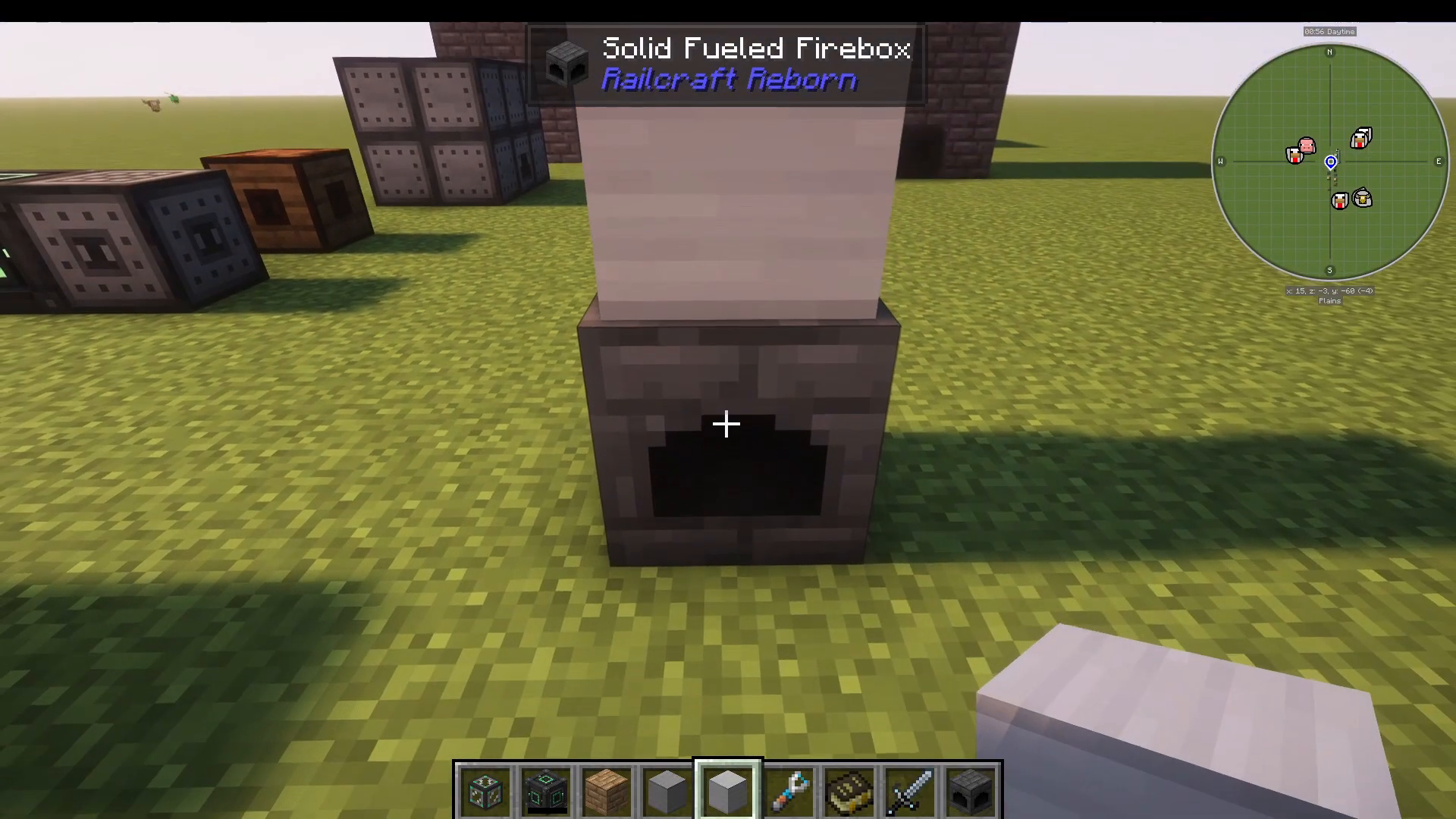
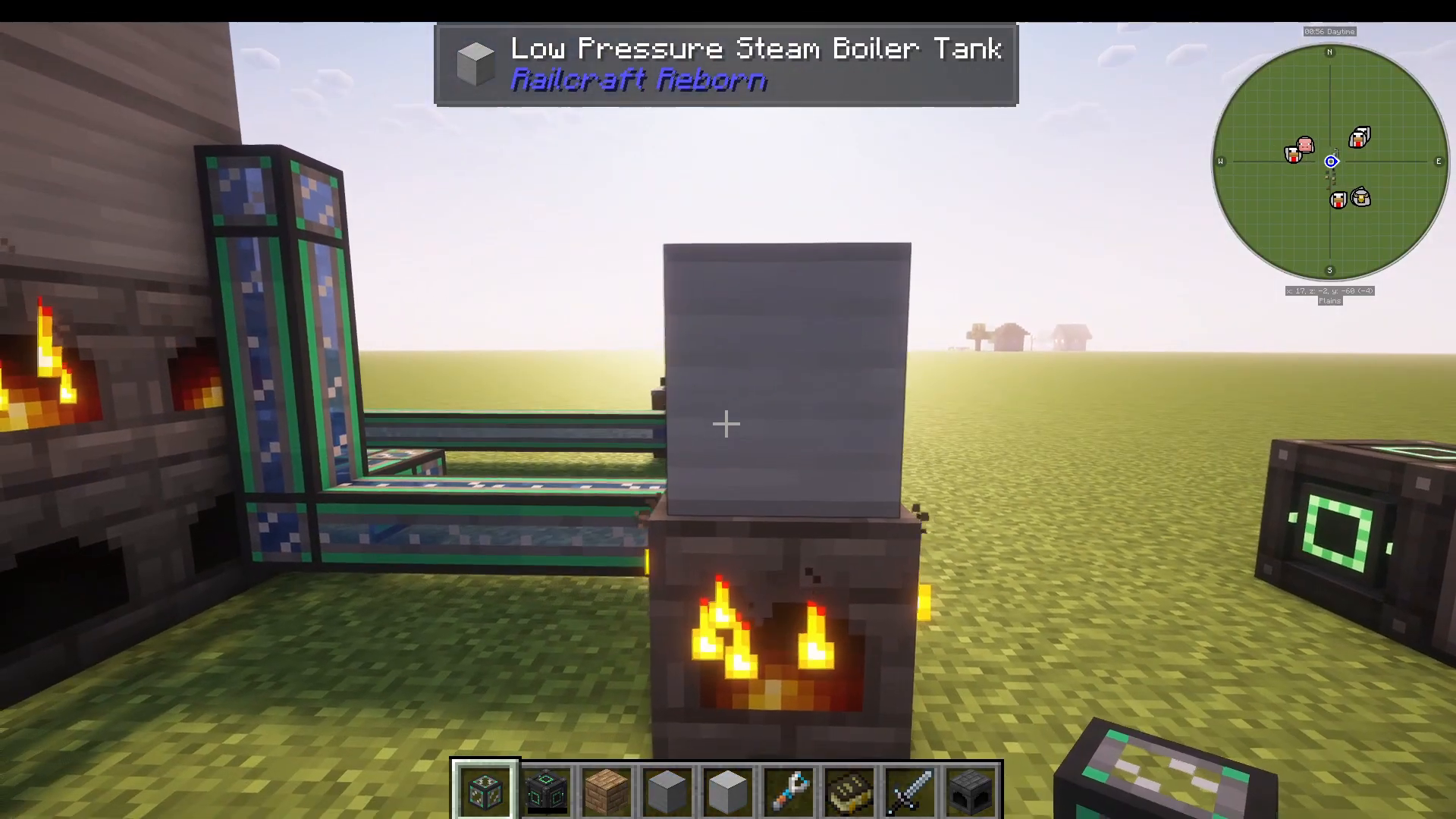
The most fundamental steam generation system consists of a solid-fueled fire box paired with a low-pressure steam boiler tank. This basic configuration uses a 1×1 fire box on the bottom with a low-pressure steam boiler positioned on top.
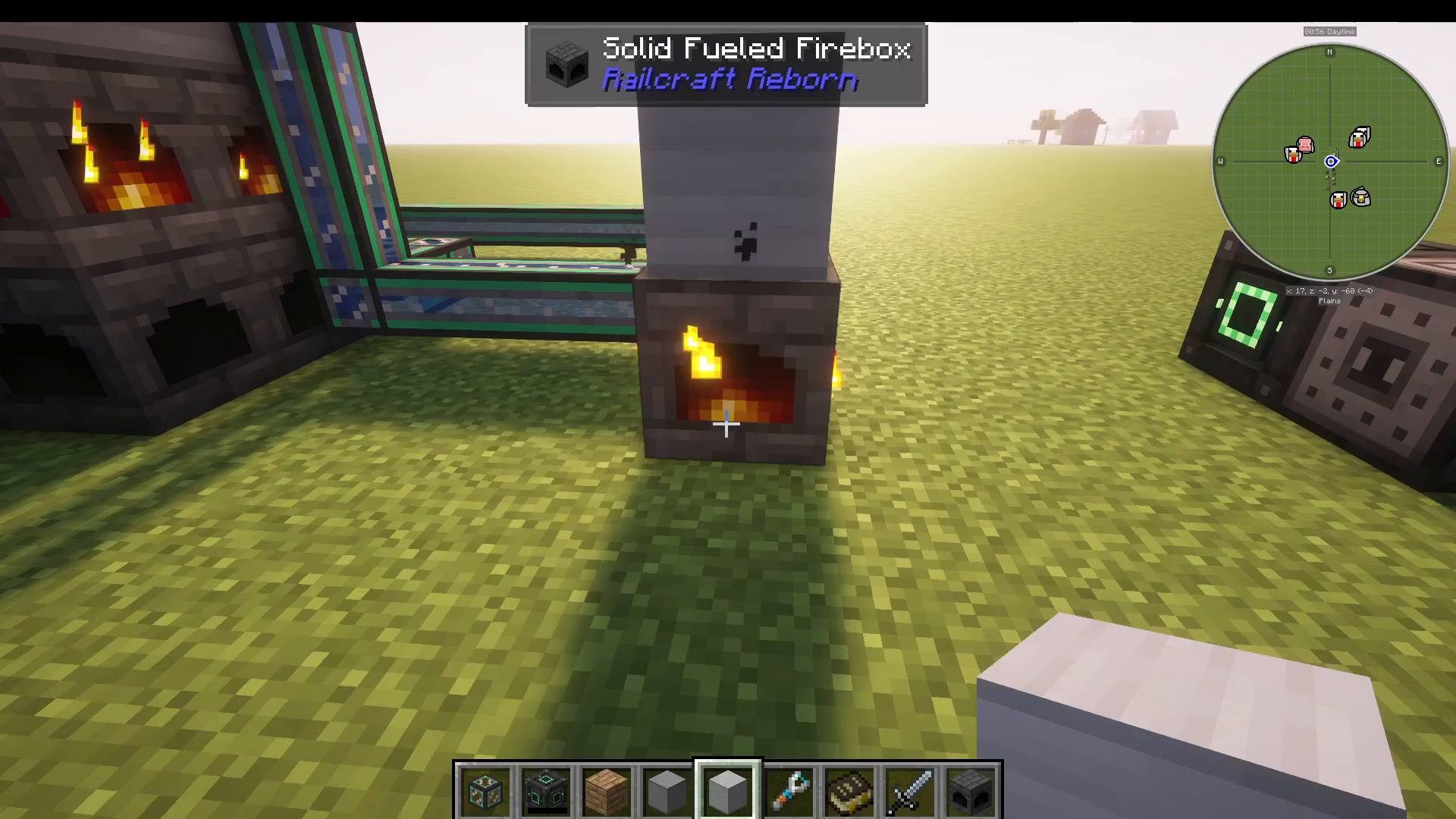
To understand how this system works, right-click the fire box to open its interface. The mechanics are straightforward: water is pumped into the boiler tank, coal is burned in the fire box below, and the resulting heat generates steam. The temperature rises over time as the system operates.
When pumping water into your system, remember this critical detail: water must be pumped into the boiler tank at the top, never directly into the fire box itself. Use mechanism pipes to transfer the water efficiently.
Pressure Levels: Low vs. High
Railcraft offers two pressure tiers for steam boilers, each with different output rates and material costs:
Low-Pressure Boilers: Produce 10 millibuckets of steam per tick, constructed using iron plates
High-Pressure Boilers: Produce 20 millibuckets of steam per tick, constructed using steel plates
The choice between them depends on your modpack’s resource availability and your power needs. Low-pressure boilers are the more economical choice early game, while high-pressure boilers offer double the output for increased material investment. Keep in mind that modpack progression may vary.
Water Supply Solutions
Infinite water generation is essential for sustained steam production. If your modpack includes Cooking for Blockhead’s mod, use it—it’s the most efficient method available in most modpacks for obtaining water. Otherwise, you’ll need to rely on other mods bundled with Railcraft to establish a reliable water supply.
Scaling Your Fire Box and Boiler Tank
Multi-Block Fire Box Configurations
Beyond the basic 1×1 fire box, you can construct larger multi-block fire boxes to increase steam production capacity. The fire box size directly determines the maximum boiler tank size you can attach:
1×1 Fire Box: Supports up to a 1×1 boiler tank
2×2 Fire Box: Supports up to a 2×3 boiler tank (or 2×2 if you prefer)
3×3 Fire Box: Supports up to a 3×4 boiler tank
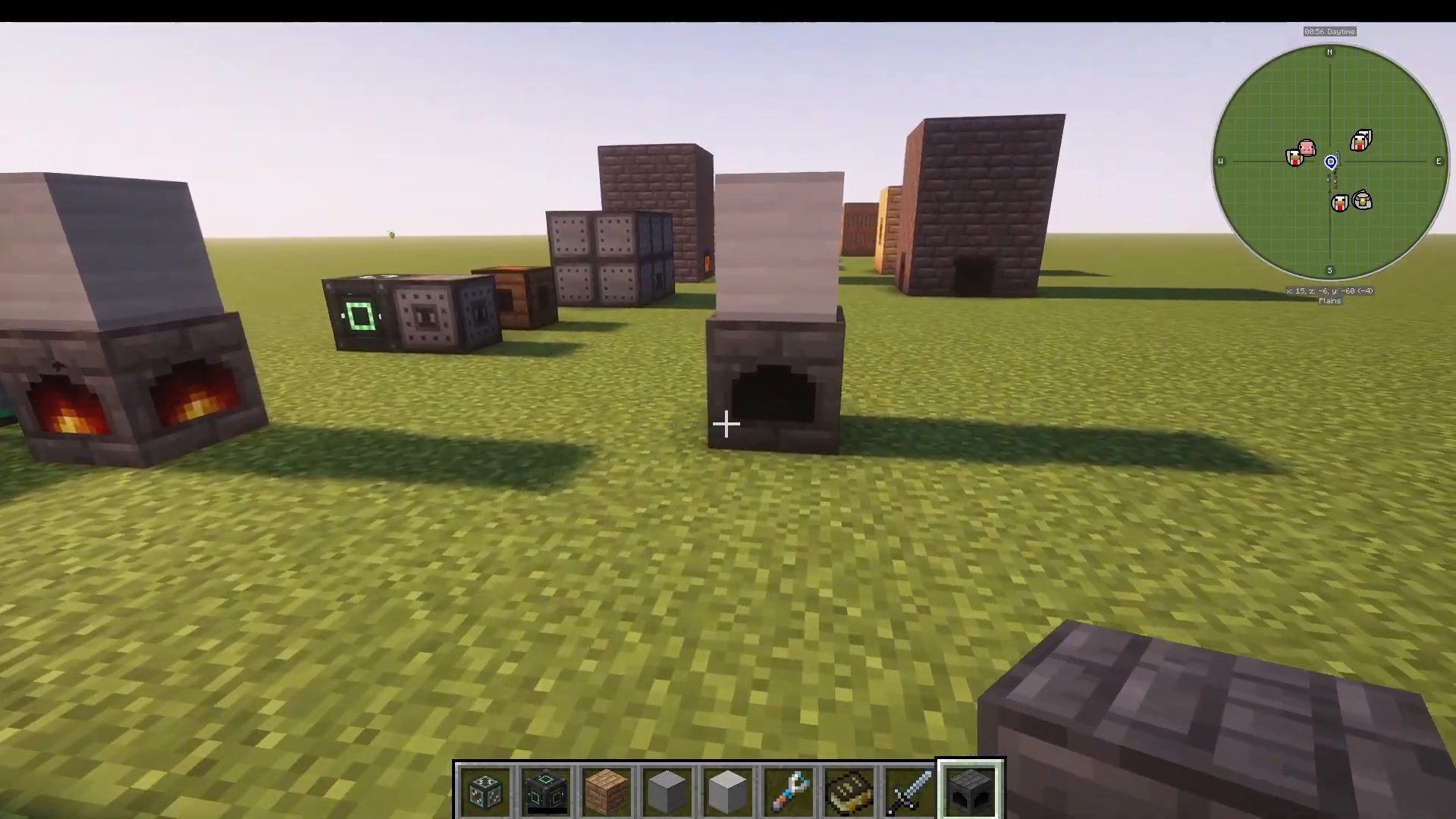
Larger boiler tanks store significantly more steam, allowing your system to maintain consistent power output and handle demand spikes without stalling.
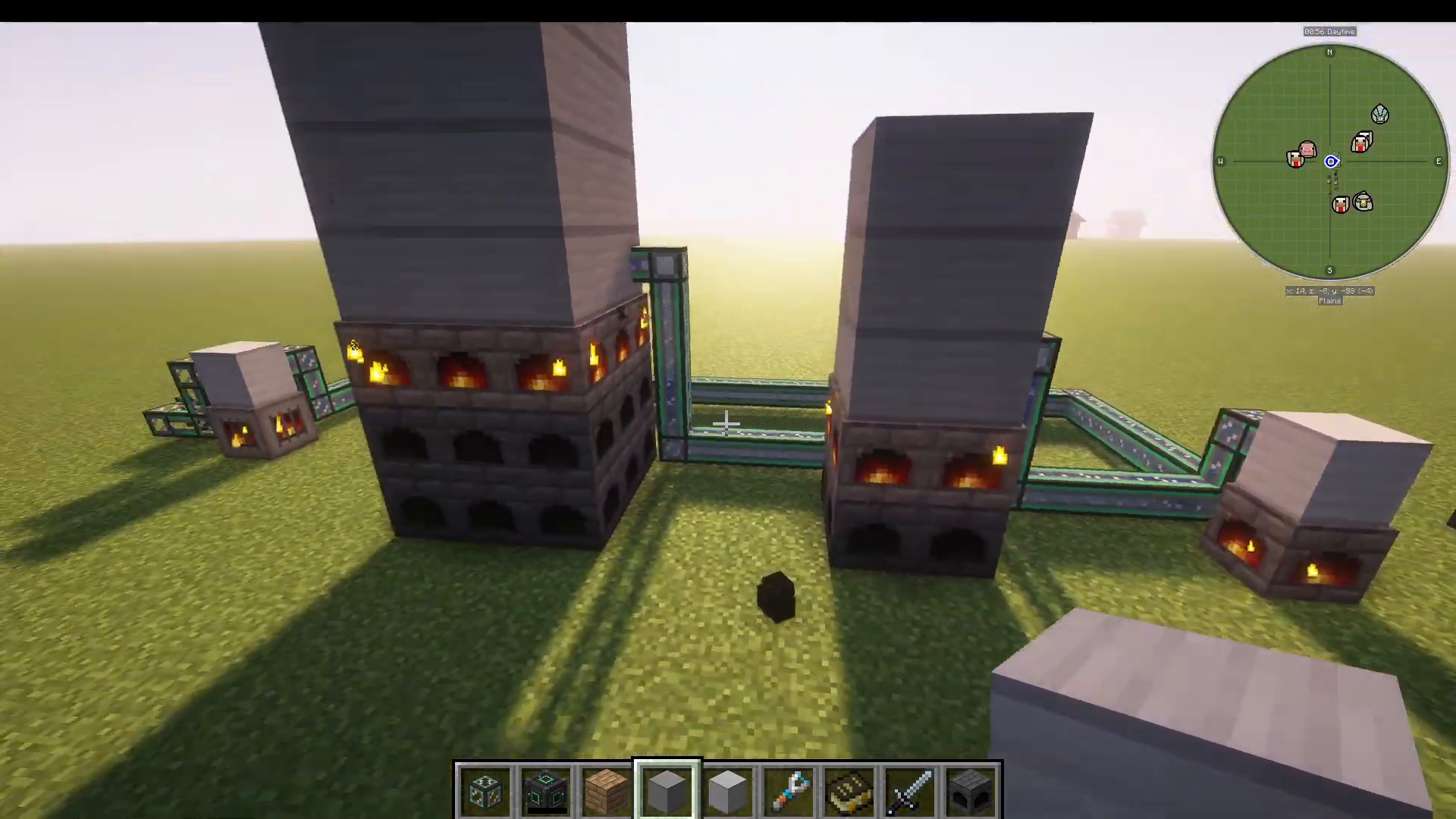
Liquid-Fueled Fire Boxes
For advanced setups, Railcraft offers liquid-fueled fire boxes that burn creosote instead of coal. These fire boxes function identically to solid-fueled variants—pump in water via the boiler tank and creosote fuel via pipes—and the creosote burns to heat the water into steam.
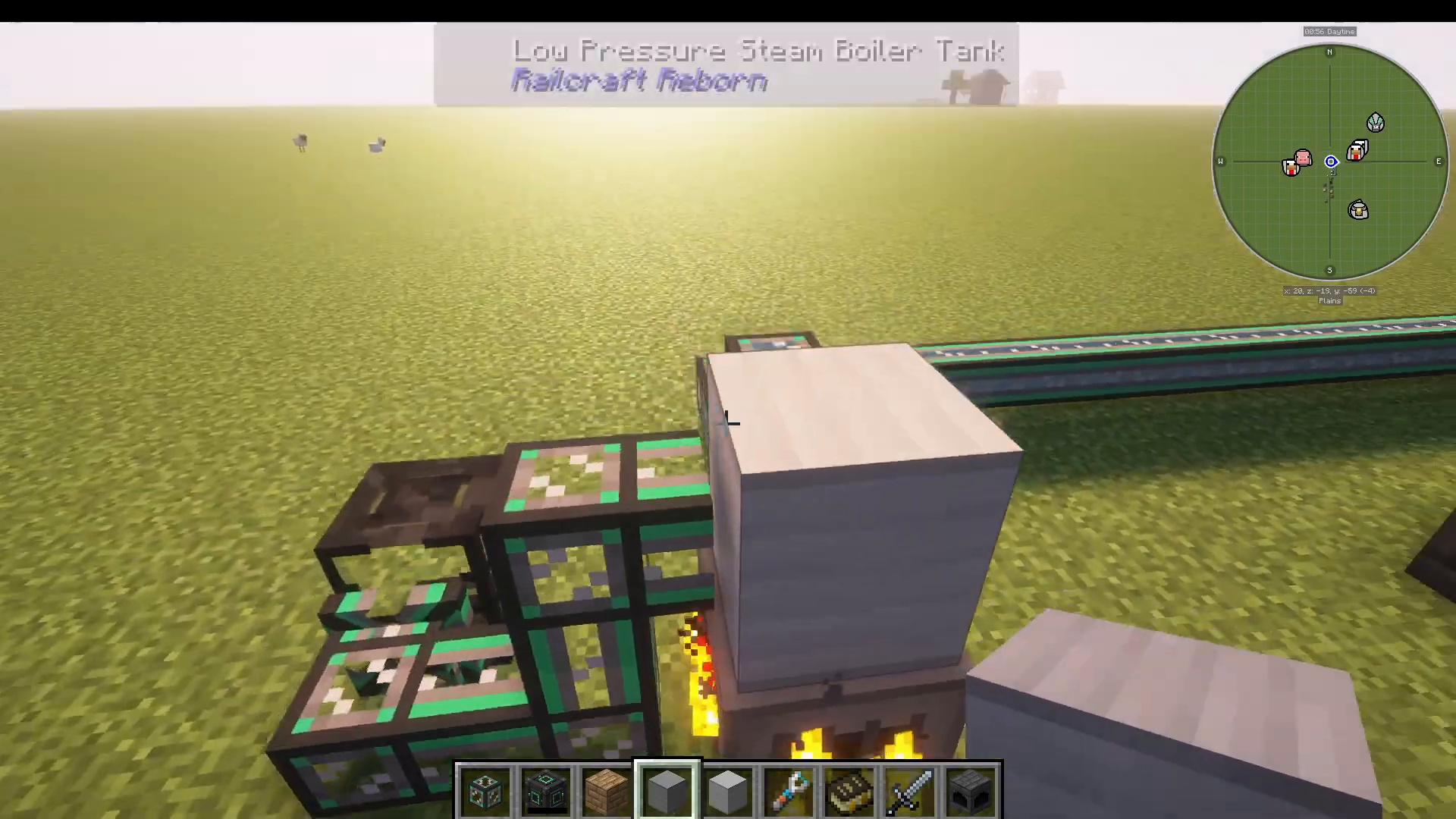
Choose between solid and liquid-fueled fire boxes based on your available fuel sources and production goals.
Converting Steam Into Energy
The Steam Oven: Cooking at Scale
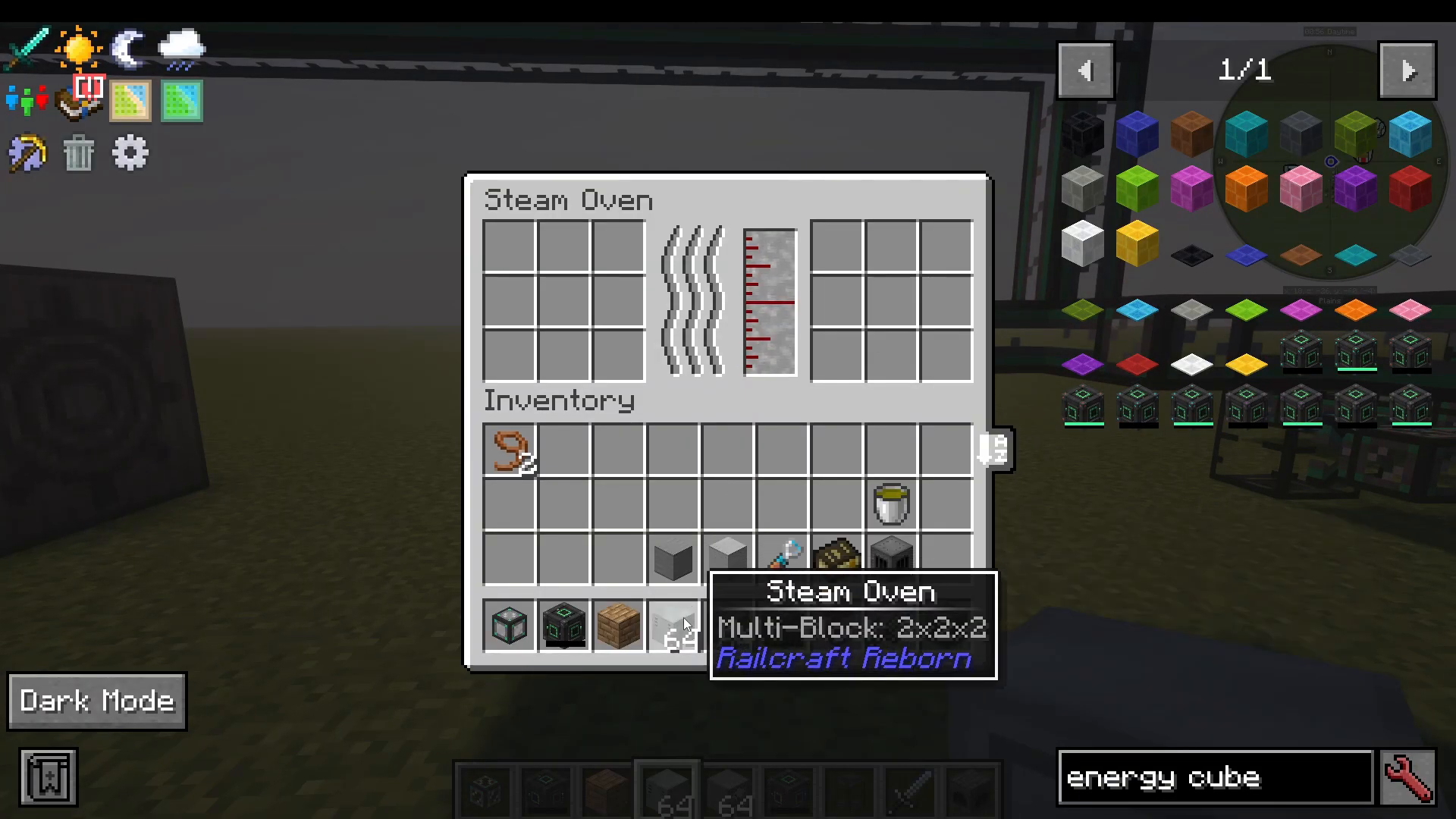
Once you’re generating steam, the steam oven provides an excellent early-game use case for mass ore processing. Construct it using steam oven bricks in a 2×2 configuration.
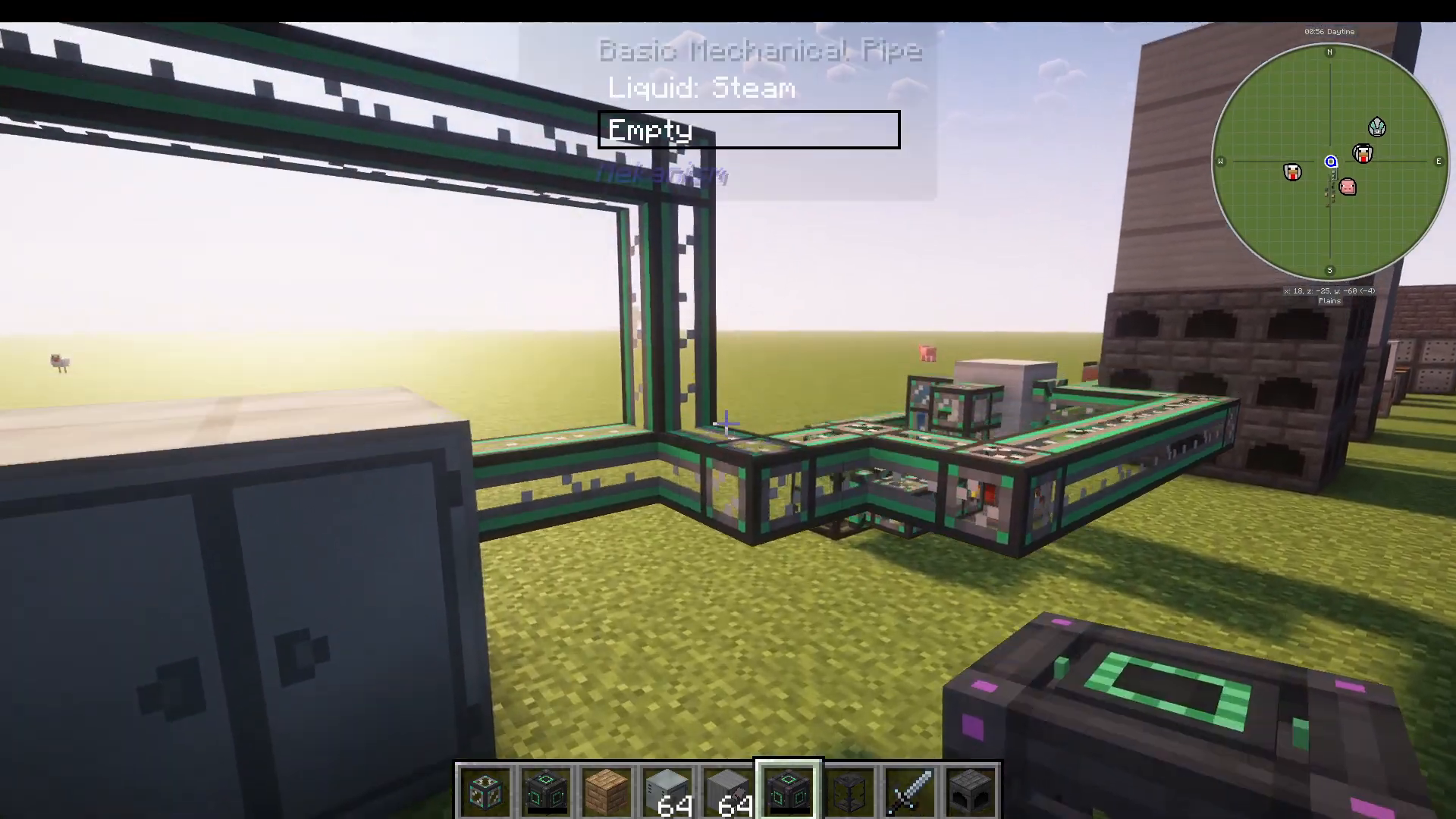
Place items like dusts and ores into the steam oven’s massive input inventory, and it will cook them into ingots. This setup allows you to process huge quantities of ore simultaneously—a far more efficient approach than smelting items one at a time.
The Steam Turbine: Generating Electricity
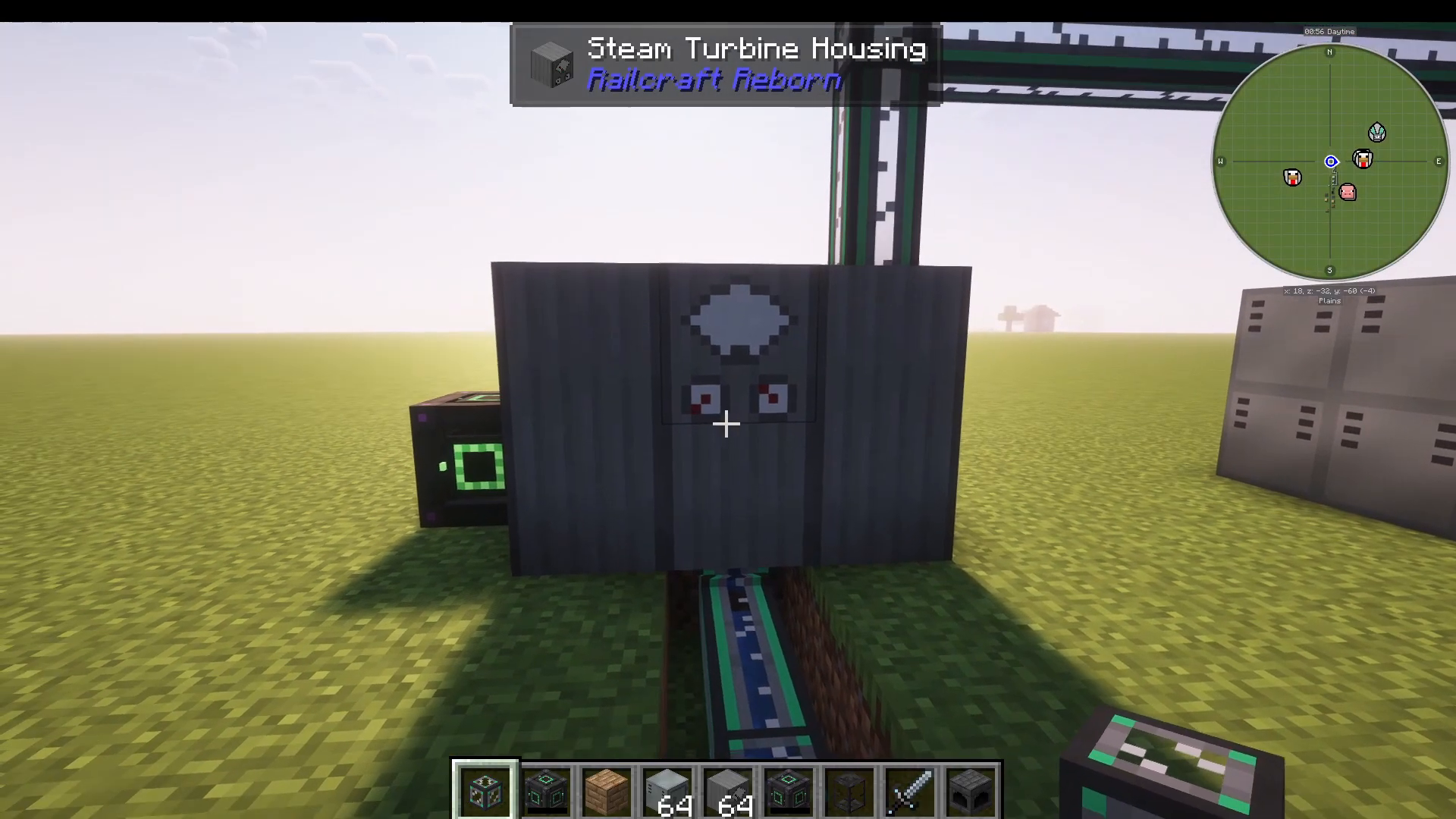
The steam turbine converts steam directly into electrical energy. Build the turbine housing using a 2×3 configuration (three blocks tall, two blocks wide).
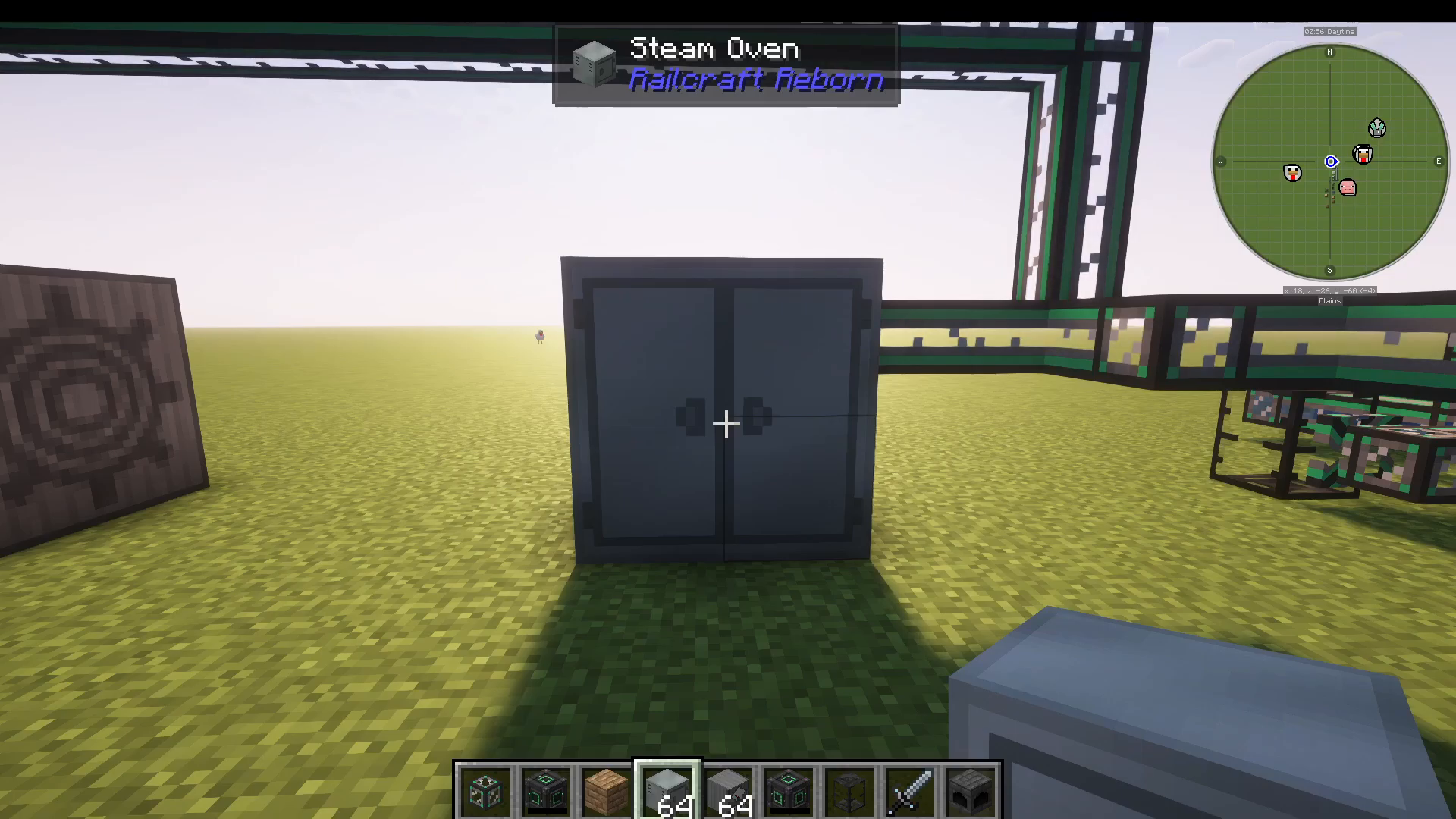
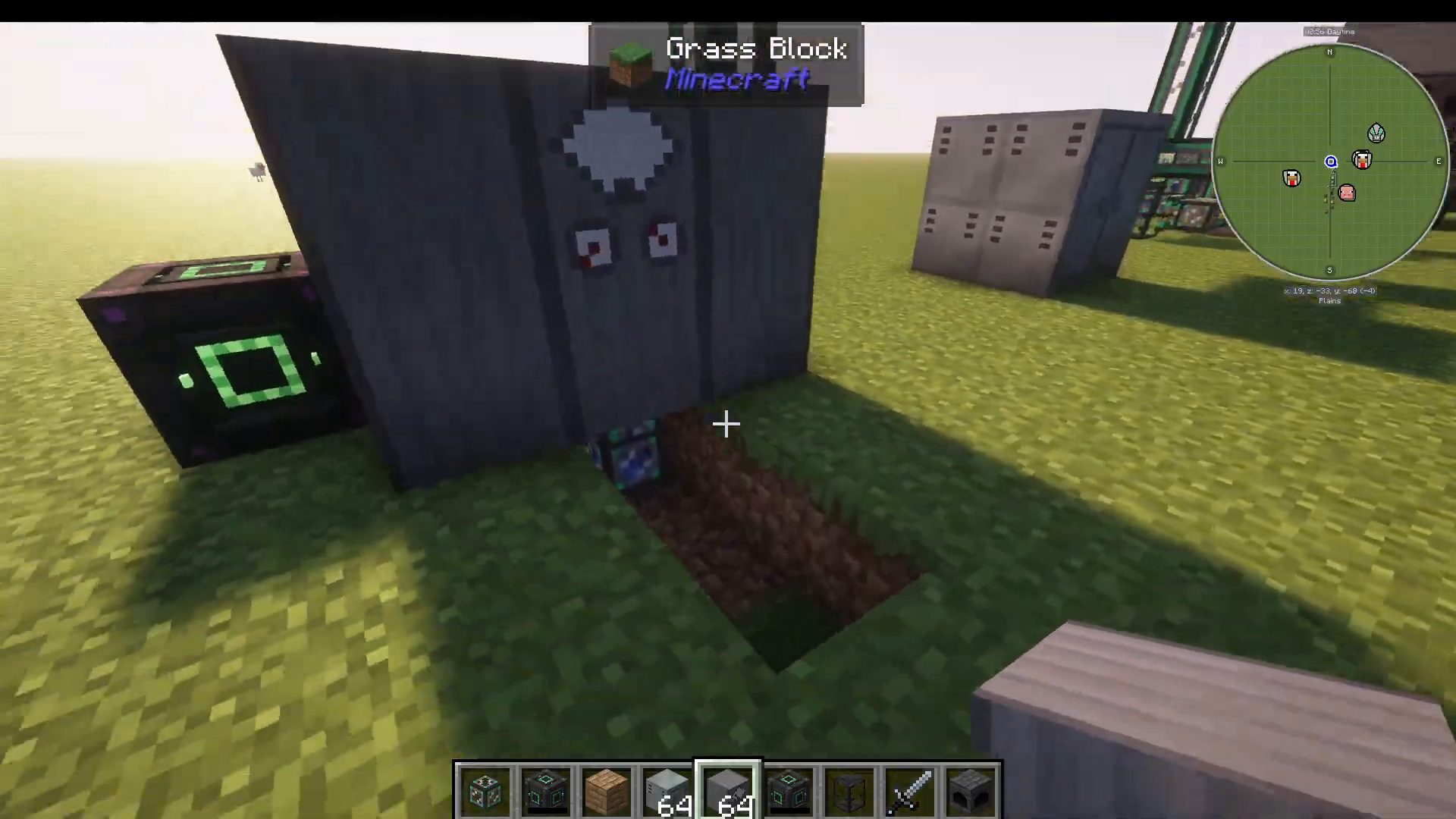
Right-click the steam turbine to access its interface. You’ll need to insert a turbine rotor into the rotor slot. The interface displays two critical metrics:
Steam Usage: How much steam the turbine consumes per operation
Output: How much electrical energy the turbine generates
Water Recovery and Efficiency
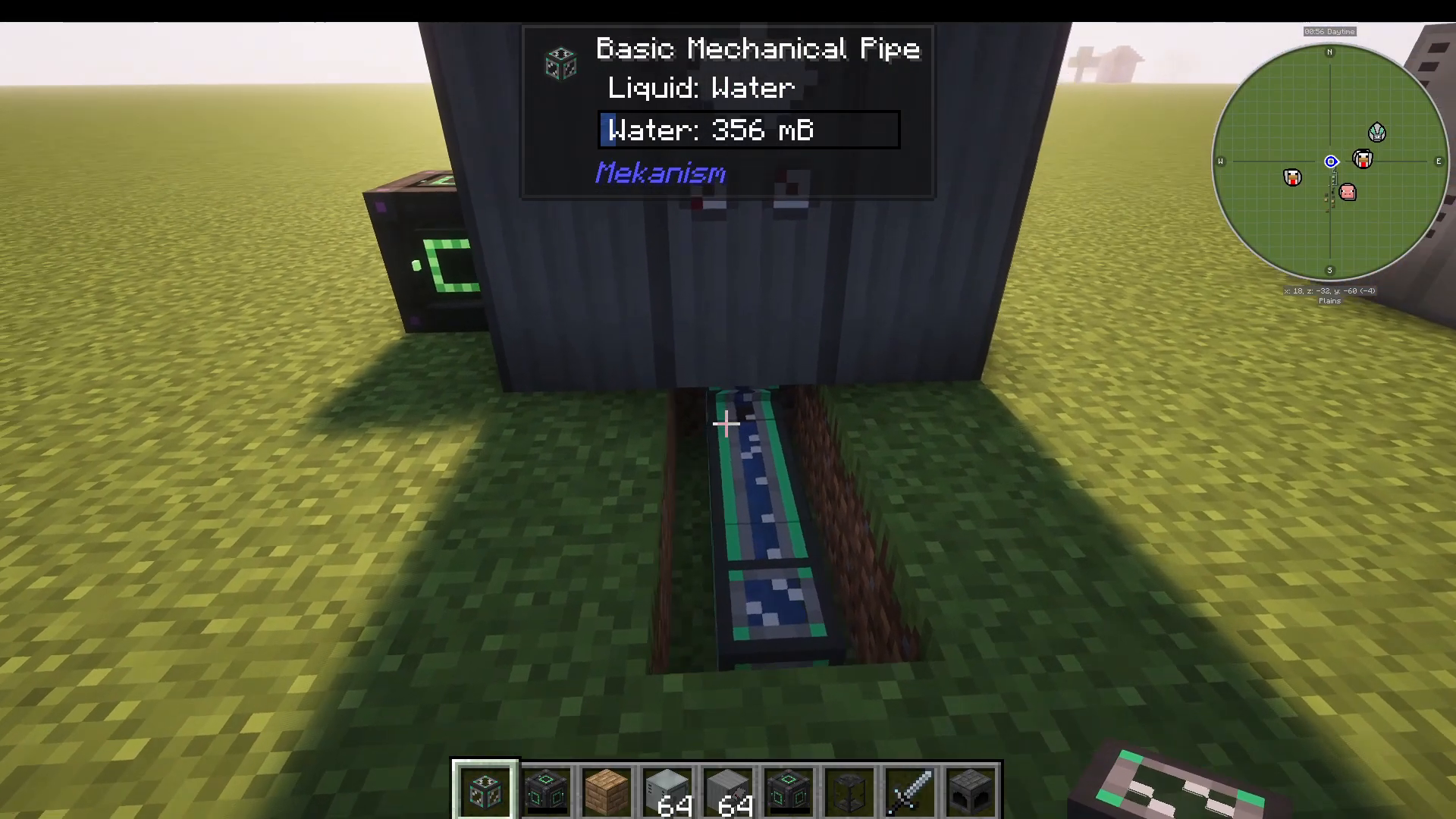
A beneficial feature of steam turbines is that they output water at the bottom of the housing as a byproduct. While this isn’t a one-to-one conversion ratio, piping the water back into your boiler system partially recycles your water supply and reduces the demand on external water generation.
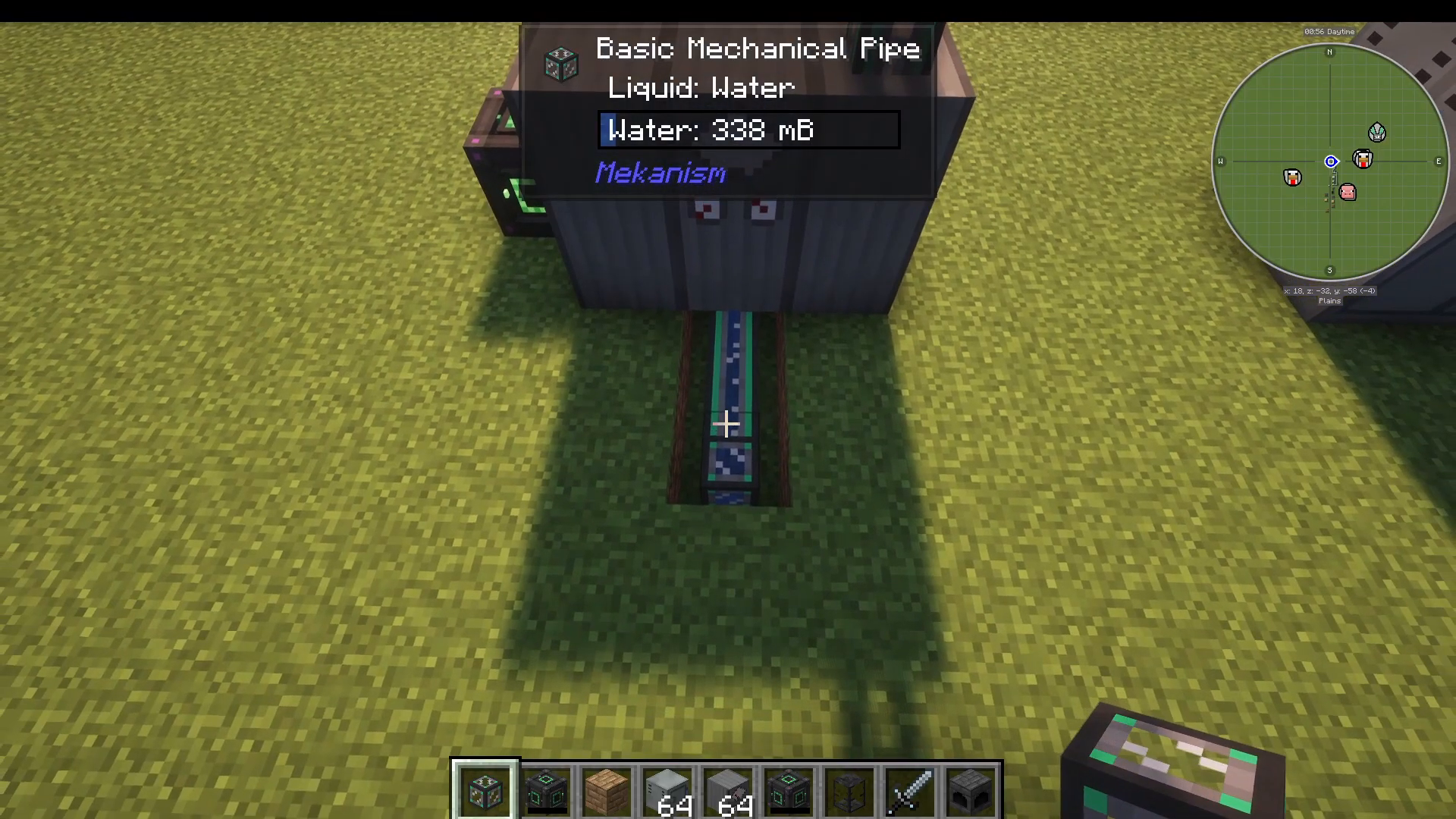
Always extract water from the bottom of the turbine tank using pipes. This approach won’t achieve perfect water recycling—you’ll still need additional water from other sources—but it meaningfully extends your water supply and improves overall efficiency.
Connecting to Your Power Network
Attach any compatible energy storage block (such as a mechanism energy cube) adjacent to the steam turbine to collect the generated electricity.
Summary
Railcraft’s steam power system provides a comprehensive path from basic fuel combustion to electrical generation. Start with a simple 1×1 solid-fueled fire box and low-pressure boiler, scale up to multi-block configurations as your needs grow, and use steam turbines to power your operations. With proper water recycling and system optimization, you’ll have a reliable, sustainable power infrastructure ready to support advanced machinery.
Want to Support?
If you would like to help us continue making these guides – please consider joining our patreon here – https://www.patreon.com/c/JaviHeals
Alternatively – we host a group of MC Servers you can join here – https://discord.gg/zD7Gjt6MHF