







Mekanism Dynamic Tank Tutorial
Mekanism Dynamic Tank Tutorial: Store Unlimited Liquids
If you’re looking to store vast amounts of liquid in Mekanism, the dynamic tank is the perfect solution. This versatile machine offers incredible storage capacity and flexible configuration options, making it essential for any serious modded Minecraft player. In this guide, we’ll walk you through everything you need to know about building and using dynamic tanks.
Understanding Dynamic Tank Basics
The dynamic tank is a multiblock structure that allows you to store massive quantities of liquids. The minimum size for a functional dynamic tank is 3×3, but you can scale it up to an impressive 18×18 if you need even more storage capacity.
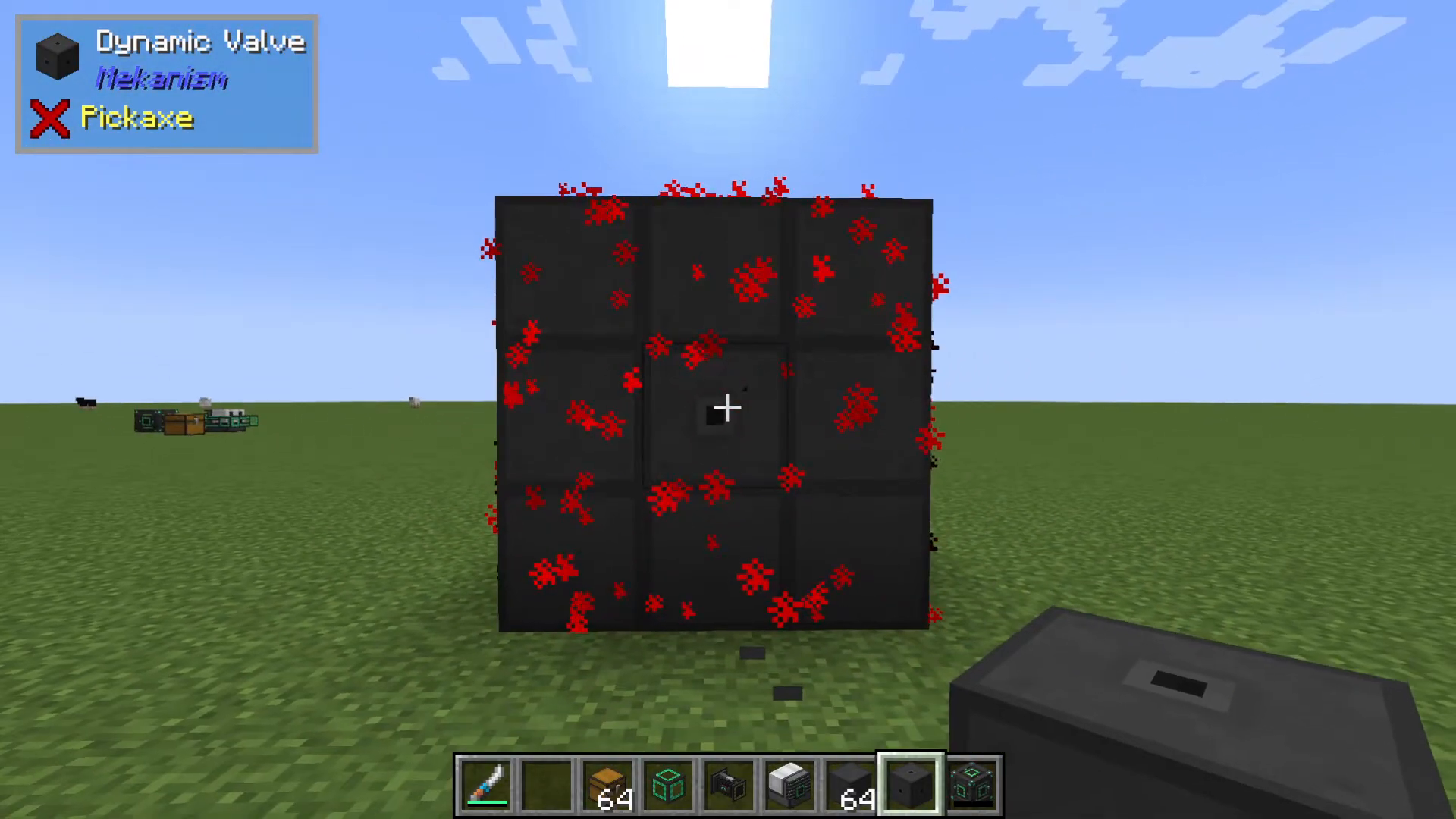
You’ll know your dynamic tank is complete and operational when you see redstone particles flashing across the structure. This visual indicator confirms that the multiblock is properly formed and ready to use.

Dynamic Tank Components & Crafting
Required Materials
To build a dynamic tank, you’ll need the following components:
4 Dynamic Tanks (the basic block)
1 Basic Control Circuit
Steel (for tank construction)
A Bucket
The Dynamic Valve
A key component of the dynamic tank system is the dynamic valve. This special block serves as the control point for your multiblock structure and determines how liquids enter and exit your tank system.
Operating Your Dynamic Tank
Accessing Tank Interface
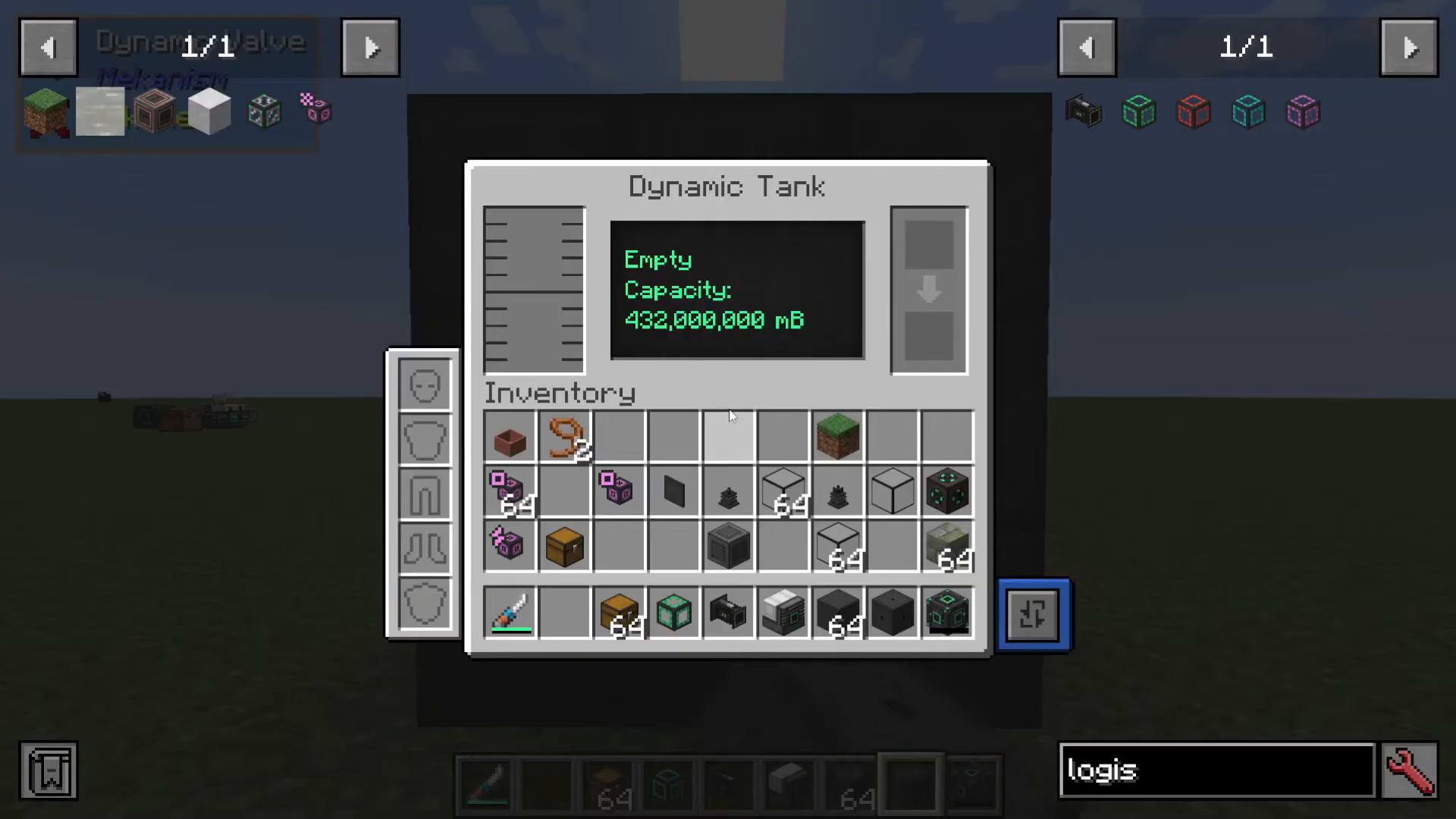
To view what’s stored inside your dynamic tank and manage its settings, simply right-click on the completed structure. This opens an interface showing your current inventory and available options.
Fill and Empty Modes
The blue bar in the tank interface allows you to configure how the tank handles liquid transfer. You have three options:
Fill and Emptying (accept and dispense liquids)
Filling Only (accept liquids only)
Emptying Only (dispense liquids only)
Storage Capacity
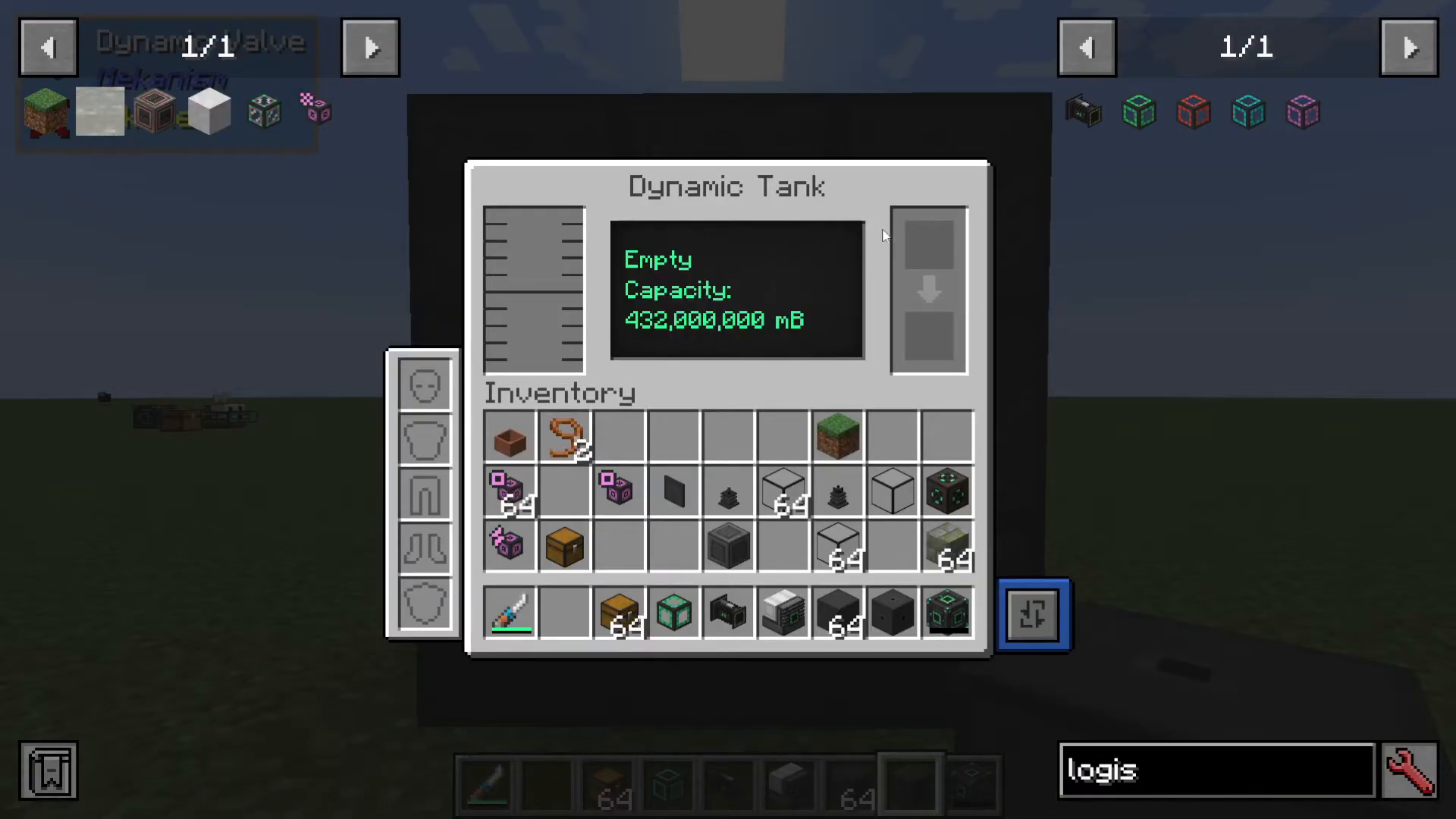
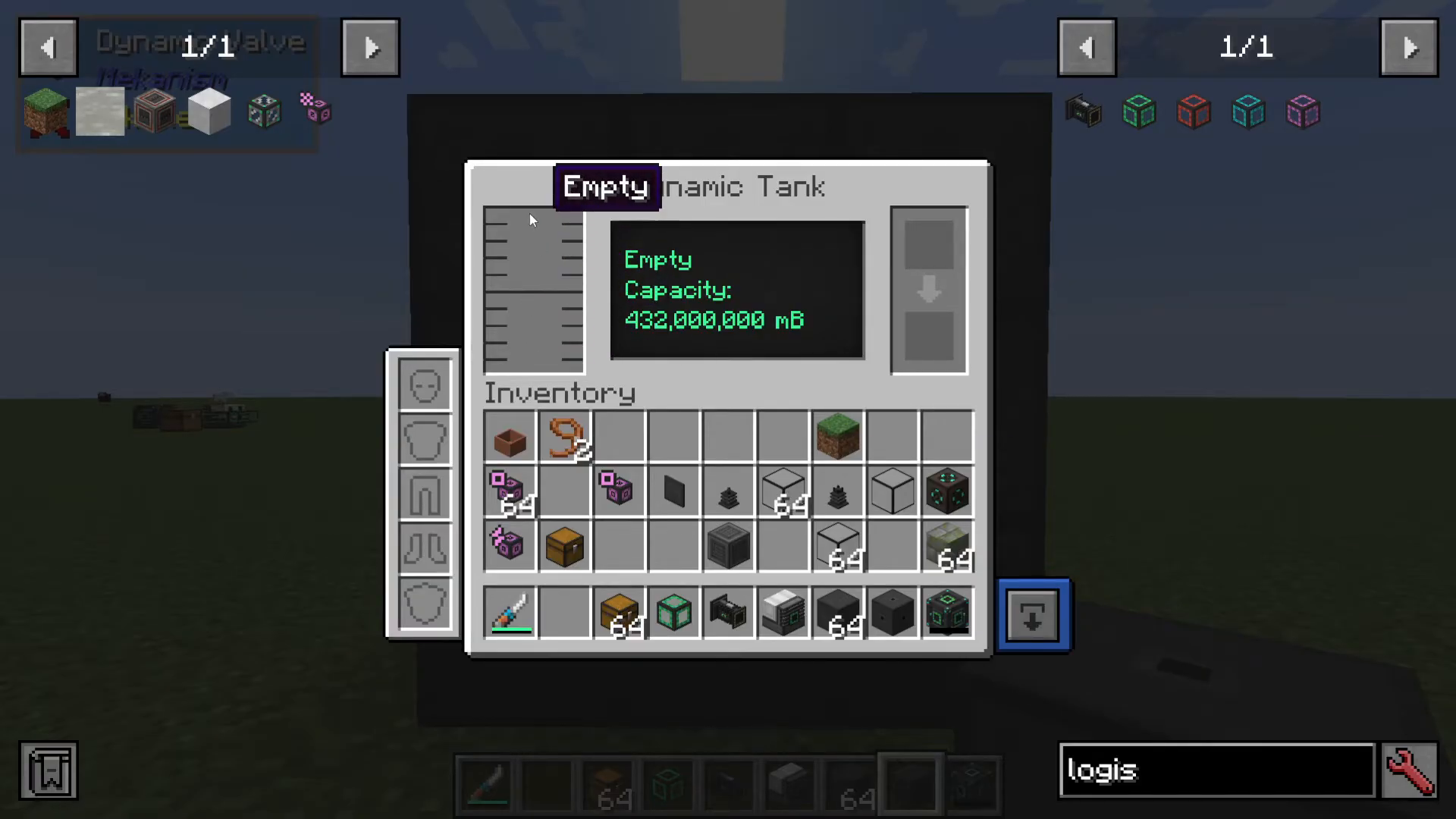
A standard 3×3 dynamic tank provides a capacity of 432 million mega buckets—an enormous amount of liquid storage. However, if you expand your tank to larger dimensions, you can increase this capacity significantly. For example, scaling up to a much larger structure increases storage exponentially, allowing you to store practically unlimited quantities of liquid.
Filling Your Dynamic Tank with Liquids
Using Mechanical Pipes
If you’re using Mekanism, the primary method for transferring liquids into and out of your dynamic tank is through mechanical pipes. Here’s how to set it up:
Place a bucket of liquid (for example, water) adjacent to your dynamic tank
Connect mechanical pipes from your liquid source to the tank
Hold Shift and right-click on the tank with a mechanical pipe to establish the connection and pull from the tank into Mekanism’s piping system
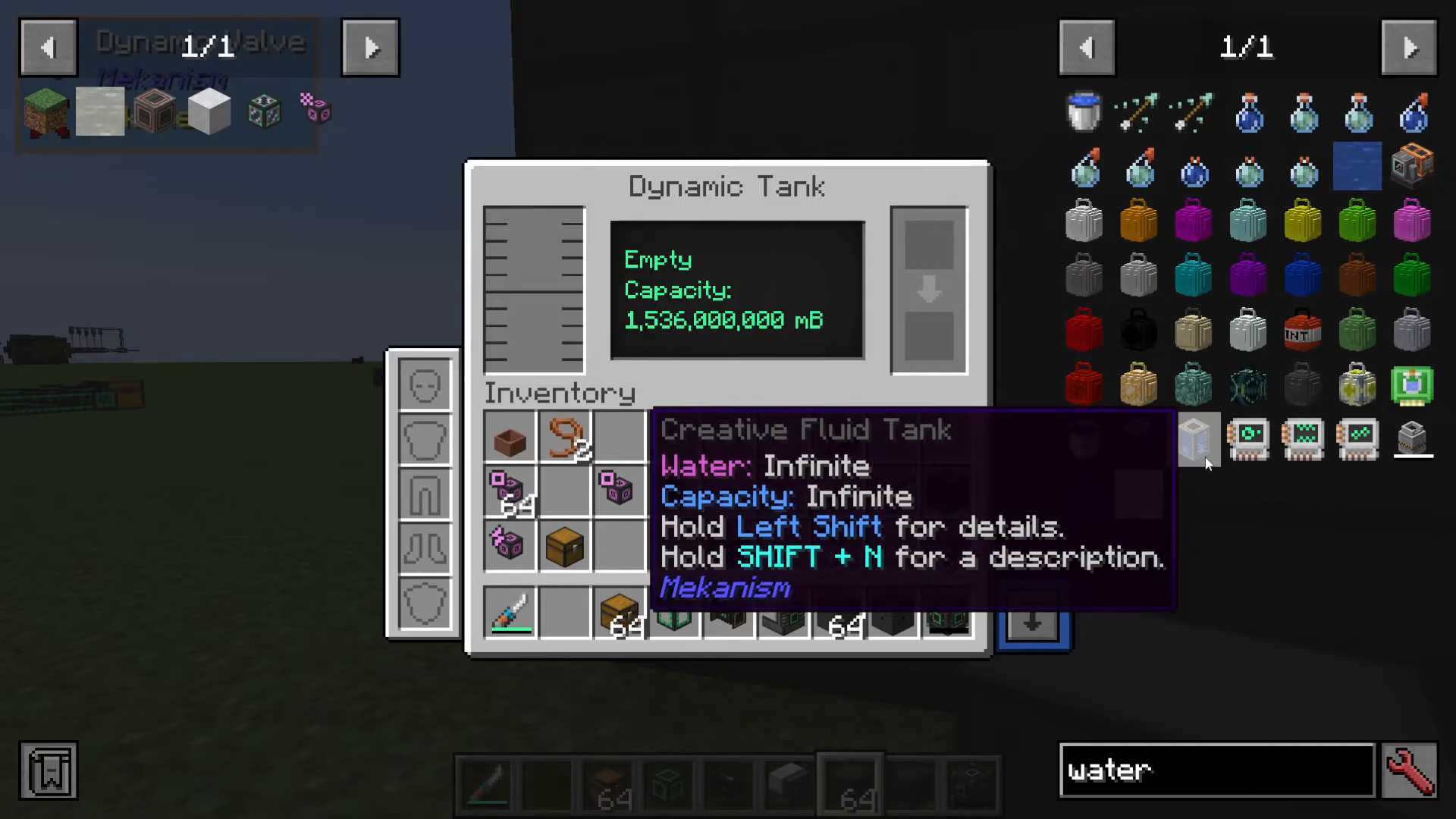
Once connected, the liquid will begin flowing automatically. In this example, you can see the water filling up into the dynamic tank in real-time.
Scaling Up Your Dynamic Tank
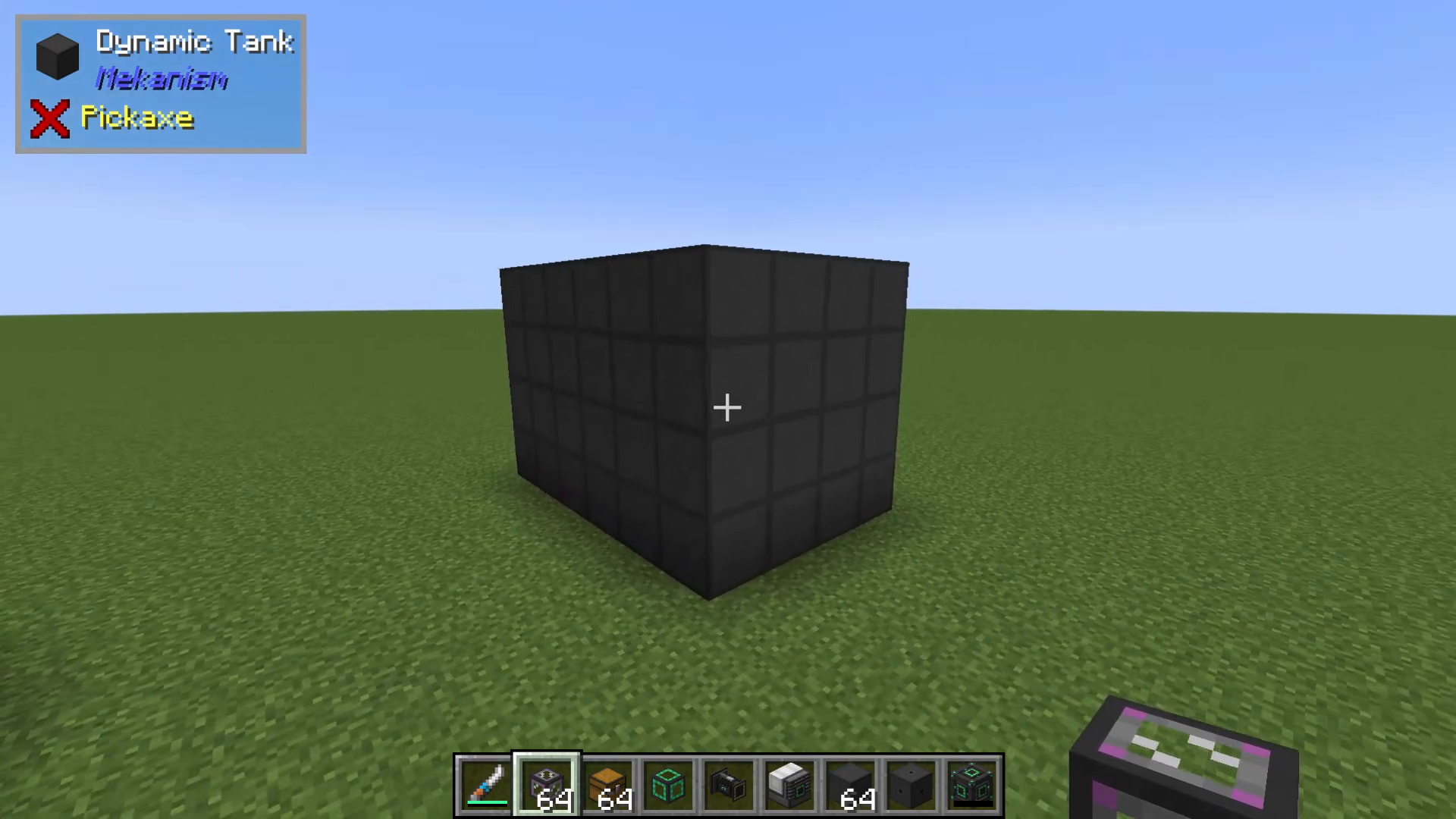
Remember that dynamic tanks aren’t limited to small sizes. You can construct tanks up to 18x18x18, creating absolutely massive storage structures. The larger you build, the more liquid you can store, making this an excellent long-term investment for your Mekanism infrastructure.
Conclusion
The dynamic tank is an incredibly useful Mekanism machine for any player dealing with large quantities of liquids. Whether you’re building a modest 3×3 setup or an enormous 18×18 structure, the dynamic tank delivers reliable, efficient storage. With its straightforward interface and flexible configuration options, it’s a staple of any advanced Mekanism factory.
For more comprehensive Mekanism tutorials, check out our complete mod guide series, which covers over 30 to 40 different videos exploring every aspect of Mekanism.
Want to Support?
If you would like to help us continue making these guides – please consider joining our patreon here – https://www.patreon.com/c/JaviHeals
Alternatively – we host a group of MC Servers you can join here – https://discord.gg/zD7Gjt6MHF