






How to Make Stainless Steel in Modern Industrialization
How to Make Stainless Steel in Modern Industrialization
Welcome to the mid-game of Modern Industrialization! In this comprehensive guide, you’ll learn how to craft stainless steel—one of the most important materials in the mod’s progression. This tutorial builds on your existing knowledge of diesel production and assumes you’re familiar with multi-block machine assembly. Let’s dive in.
Prerequisites
Before you begin this guide, make sure you have already completed the diesel production tutorial, as you’ll need sulfuric acid for this process. If you’re following the ultimate guide series, you’ll have all the foundational knowledge required.
Stainless Steel Production Overview
The core process is straightforward: collect four essential dusts (iron, manganese, nickel, and chromium), combine them in an electric mixer, then process the resulting stainless steel dust in an electric blast furnace, and finally cool the hot ingots in a vacuum freezer.
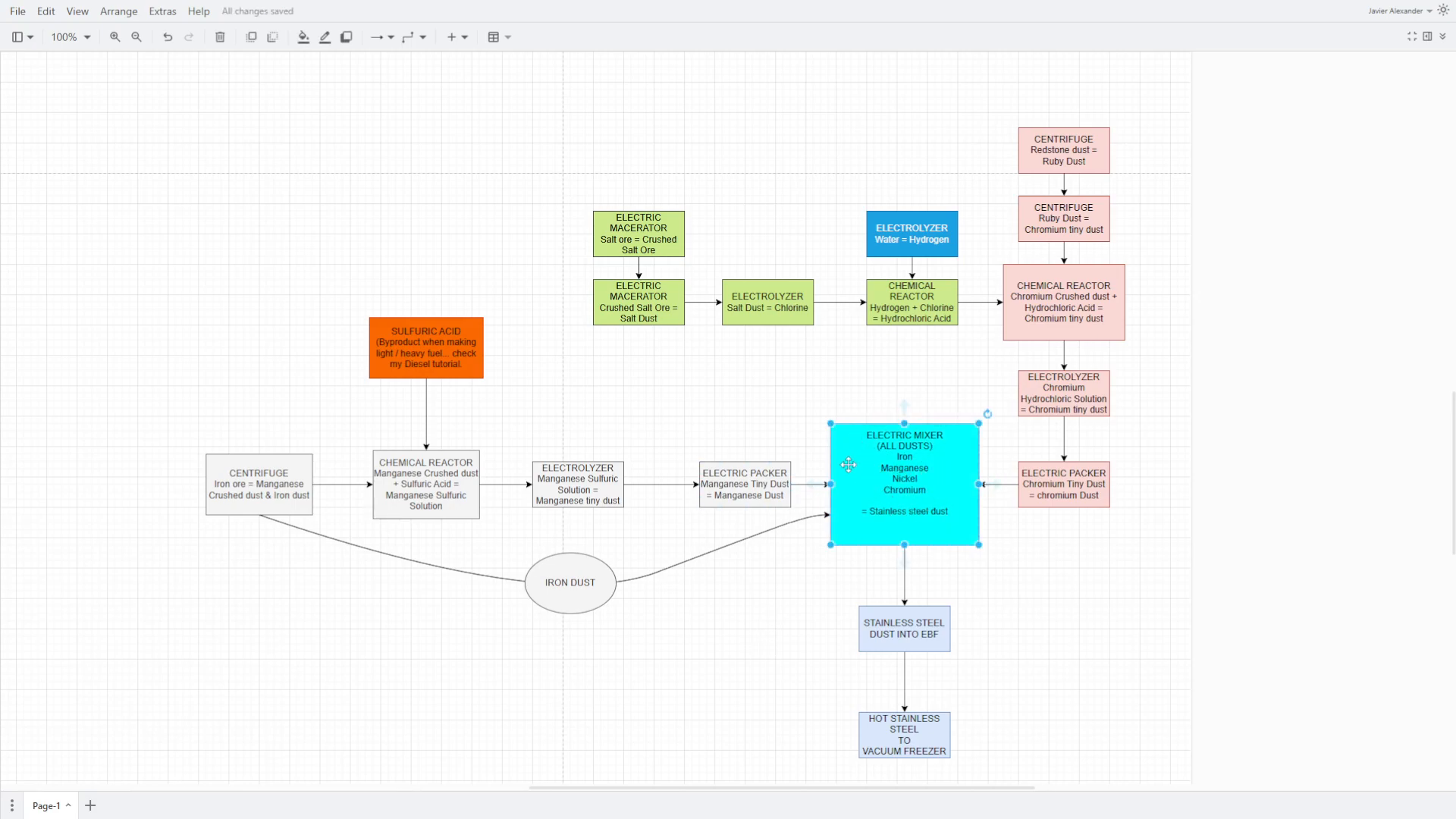
To help visualize this complex process, a color-coded flow chart is provided later in this guide:
Gray: Iron dust and manganese dust
Pink: Chromium dust
Green: Hydrochloric acid
Step 1: Creating Iron Dust and Manganese Dust
Iron Dust Production
Start by placing raw iron into a centrifuge. This will output both iron dust and manganese crushed dust. Export the iron dust directly into your electric mixer—this is your first of four components.
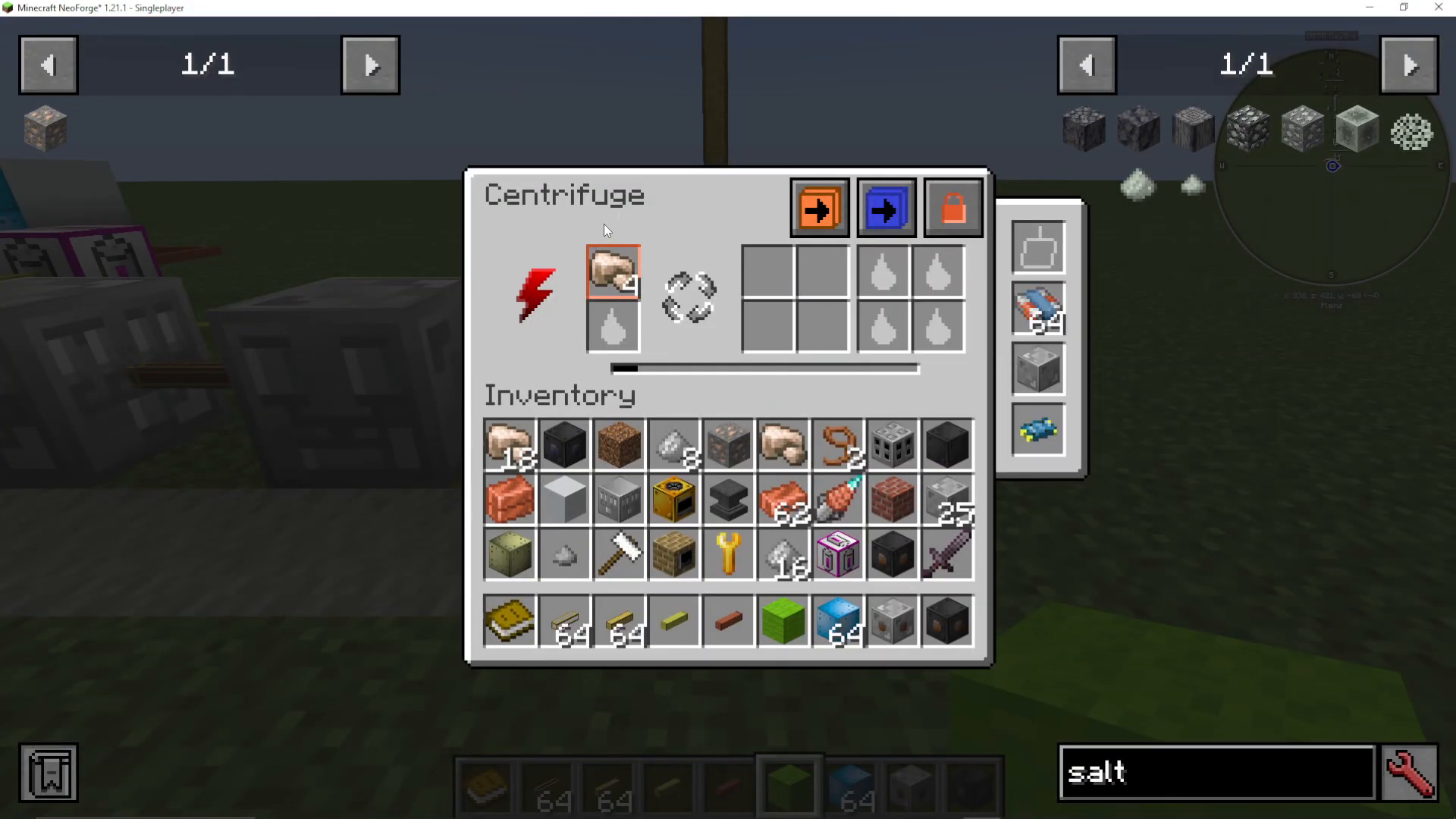
Manganese Dust Production
Take the manganese crushed dust from the centrifuge output and pipe it into a chemical reactor. In the chemical reactor, combine the manganese crushed dust with sulfuric acid to create manganese sulfuric solution.
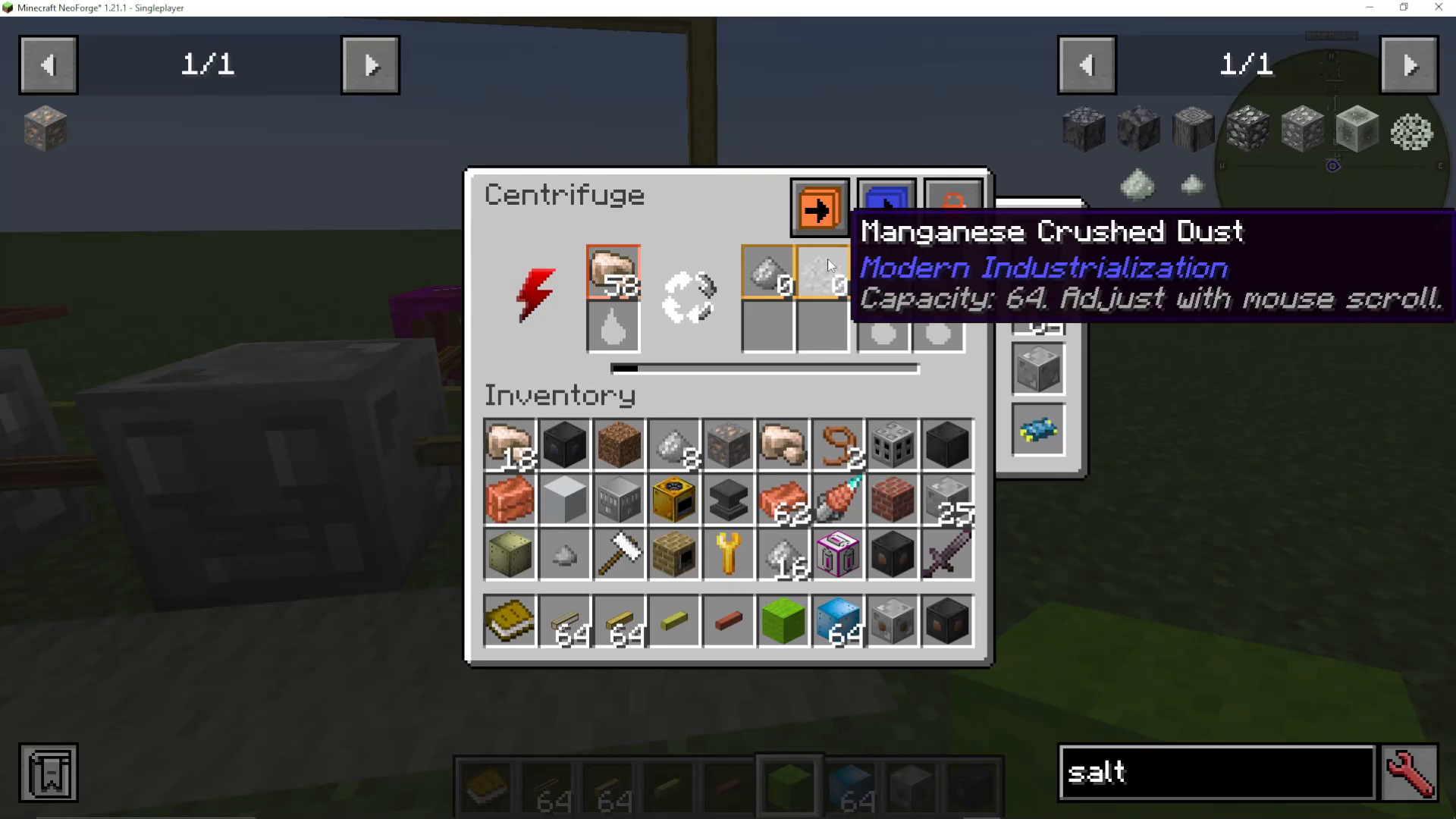
Next, output the manganese sulfuric solution into an electrolyzer. This will produce manganese tiny dust as the primary output. Note: sulfuric acid will be released as a byproduct—bin it or recycle it to avoid clogging your machines.
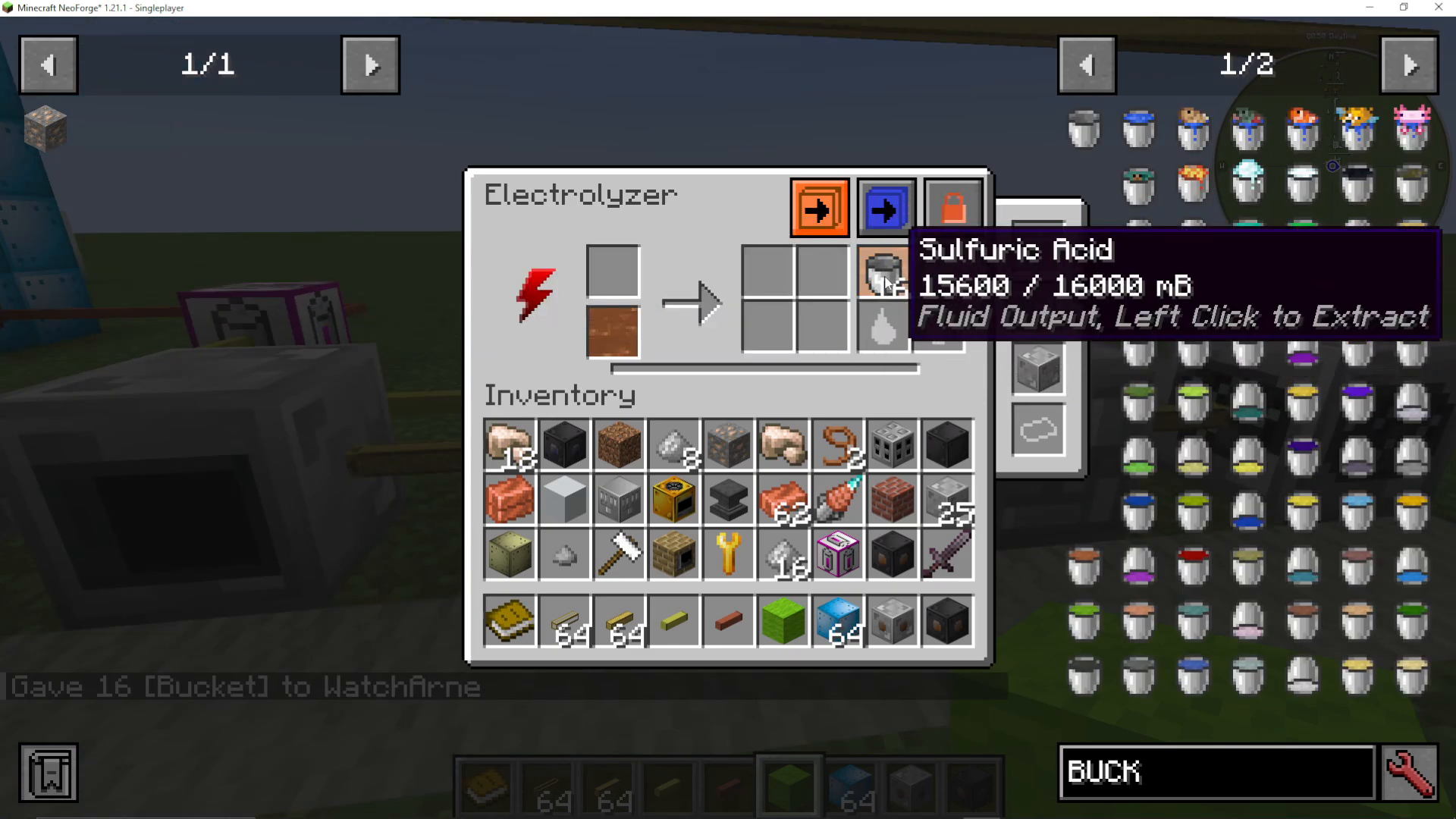
Since manually crafting nine manganese tiny dusts into one manganese dust would be tedious, automate this step using an electric packer. Configure it to combine nine manganese tiny dusts into one manganese dust, then pipe that into your electric mixer.
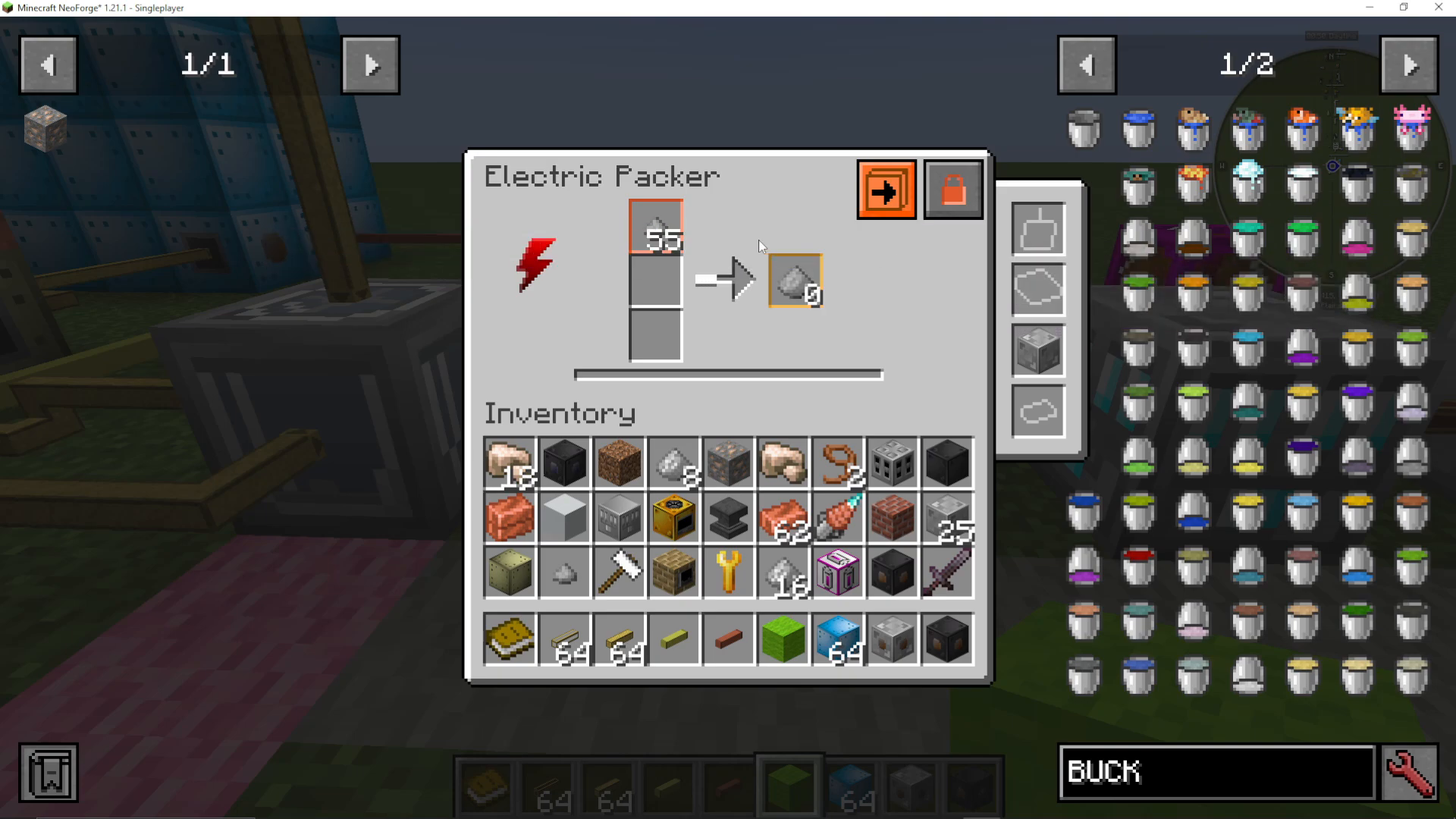
Quick Summary for Iron & Manganese:
Centrifuge raw iron → iron dust + manganese crushed dust
Iron dust → directly to mixer
Manganese crushed dust + sulfuric acid in chemical reactor → manganese sulfuric solution
Manganese sulfuric solution in electrolyzer → manganese tiny dust
Pack nine manganese tiny dusts → one manganese dust → to mixer
Step 2: Nickel Dust
Nickel dust is the simplest component—simply mine it from the ground. No complex processing required. Once collected, pipe it directly into your electric mixer.
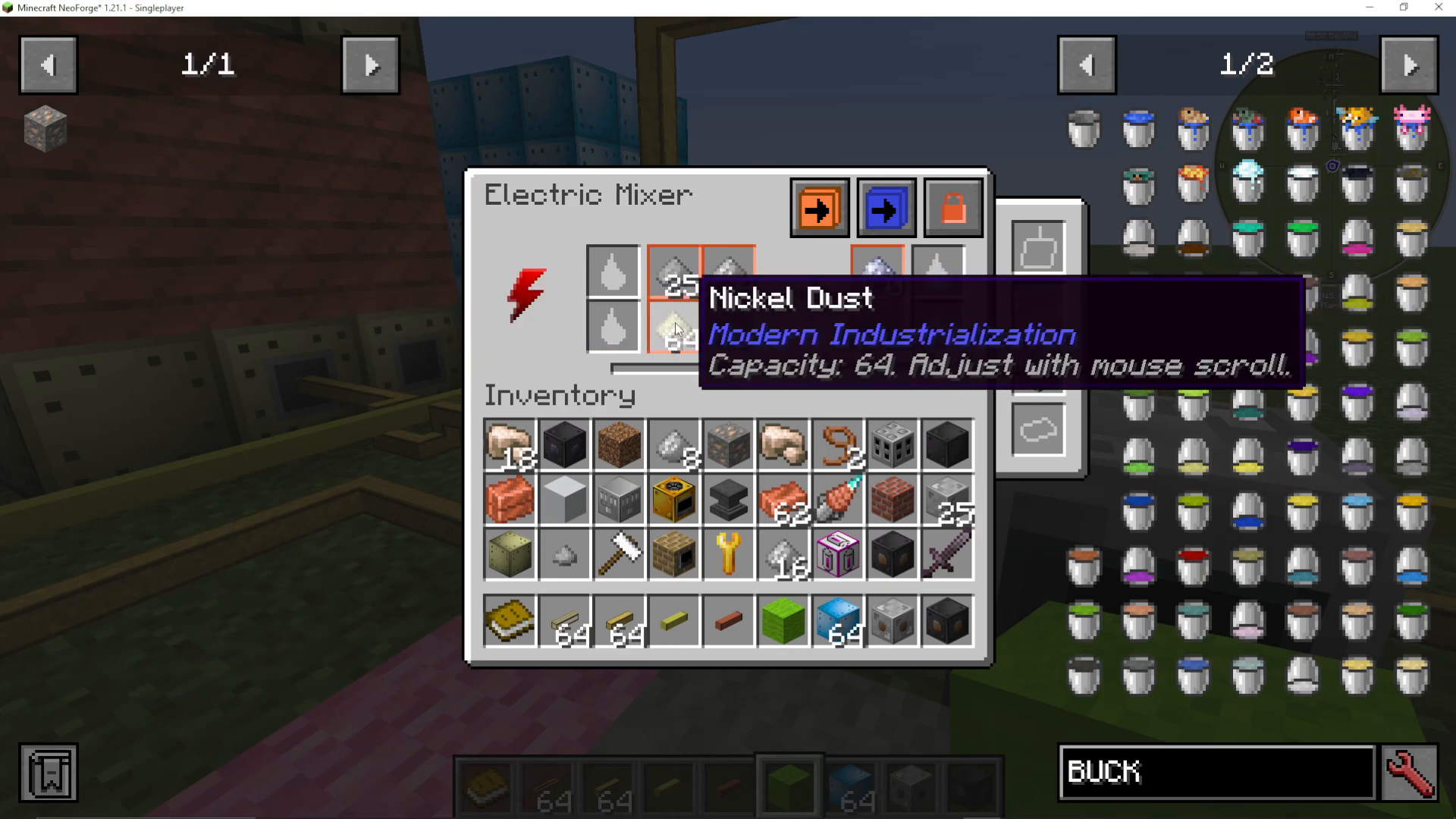
Step 3: Chromium Dust (Pink Route)
Obtaining Chromium Crushed Dust
The chromium production line requires a two-stage centrifuge process. First, place redstone dust into a centrifuge. This will output iron dust (which you can recycle into your mixer) and ruby dust.
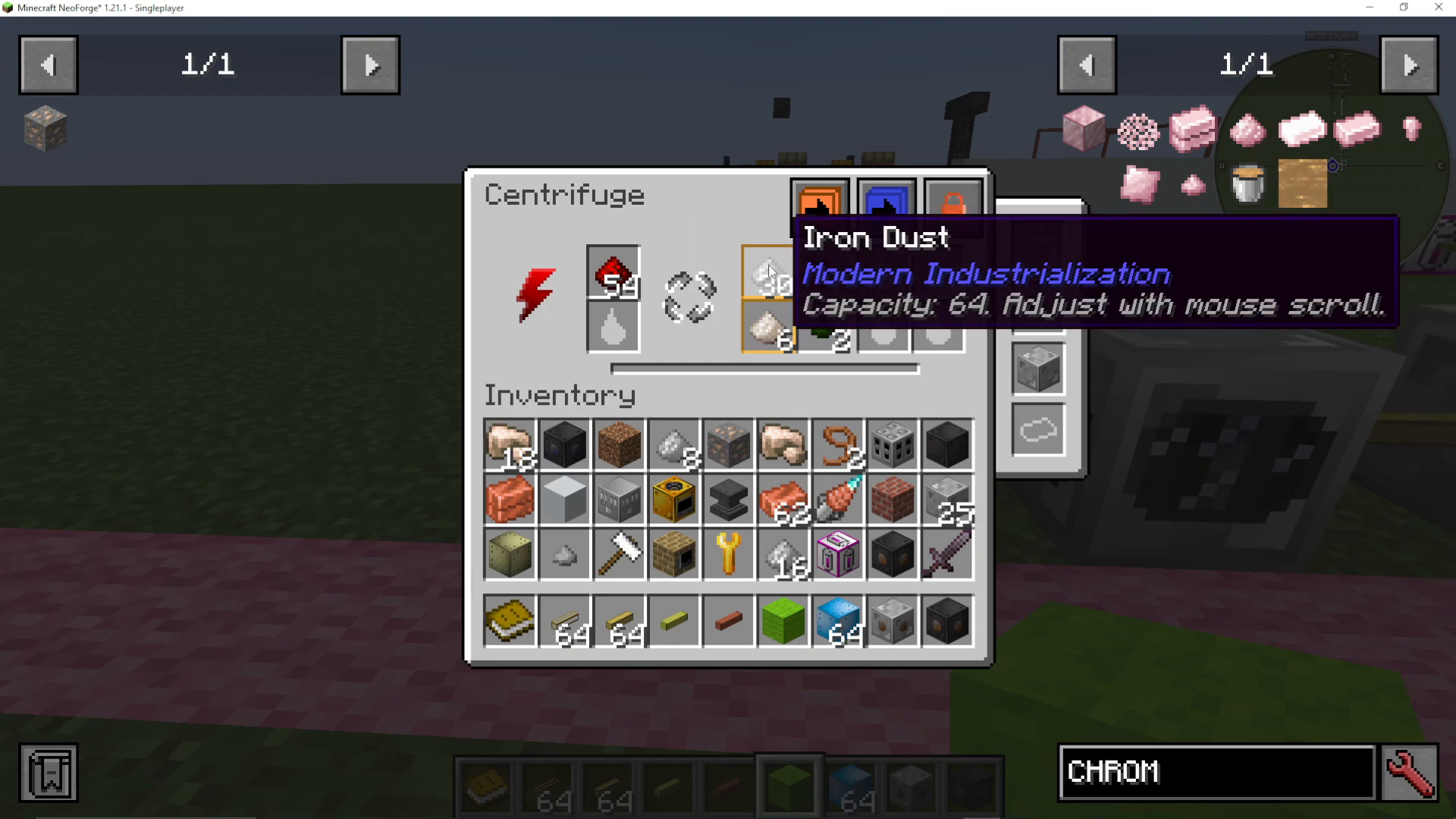
Next, take the ruby dust and centrifuge it again. This second centrifuge will produce chromium crushed dust and aluminum dust as a byproduct. The aluminum dust is a useful material for other recipes.
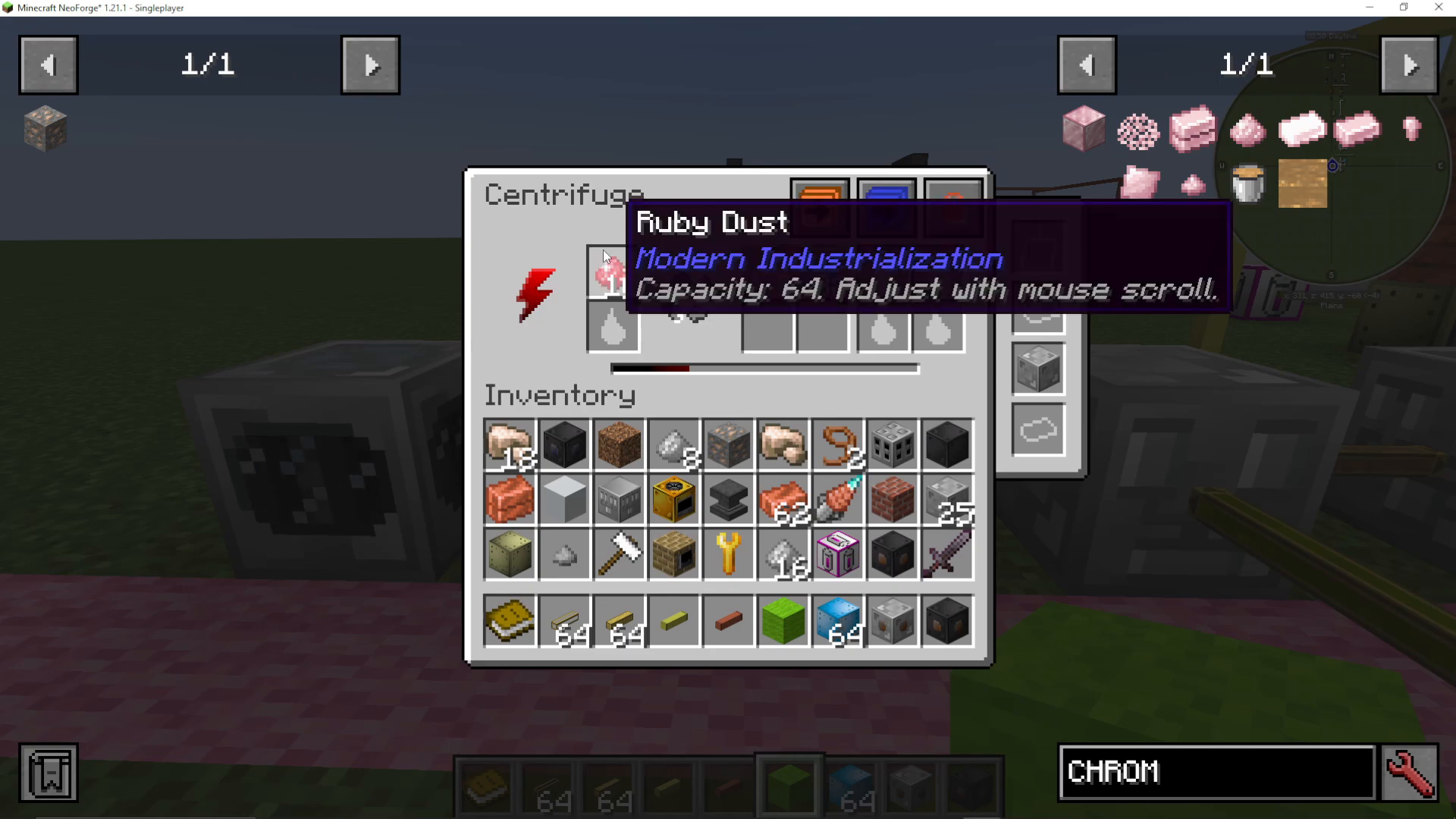
Converting Chromium to Solution
Place the chromium crushed dust into a chemical reactor along with hydrochloric acid (detailed production below). This creates chromium hydrochloric solution.
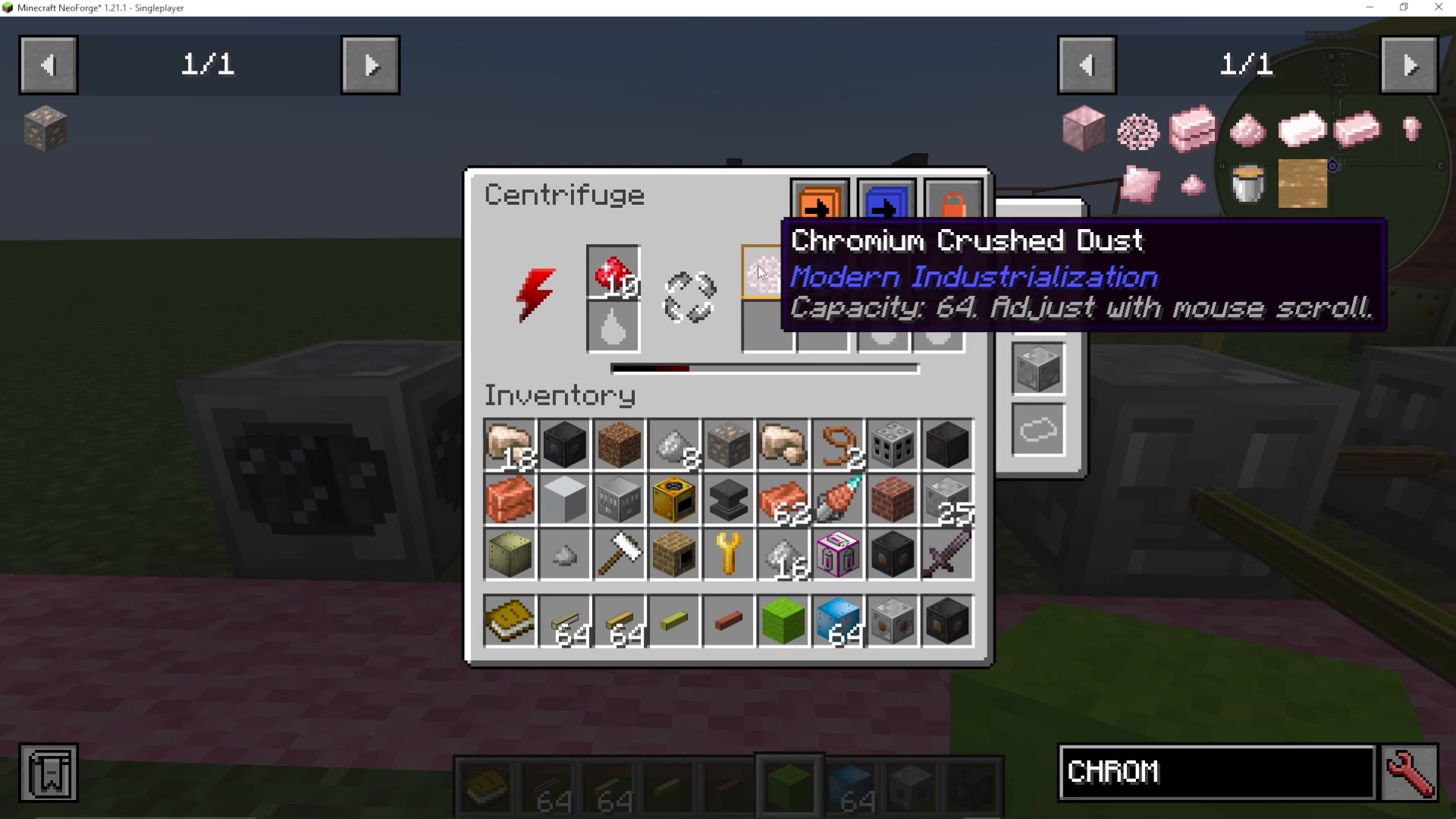
Electrolyzing Chromium
Output the chromium hydrochloric solution into an electrolyzer. This produces chromium tiny dust with hydrogen and chlorine as byproducts.
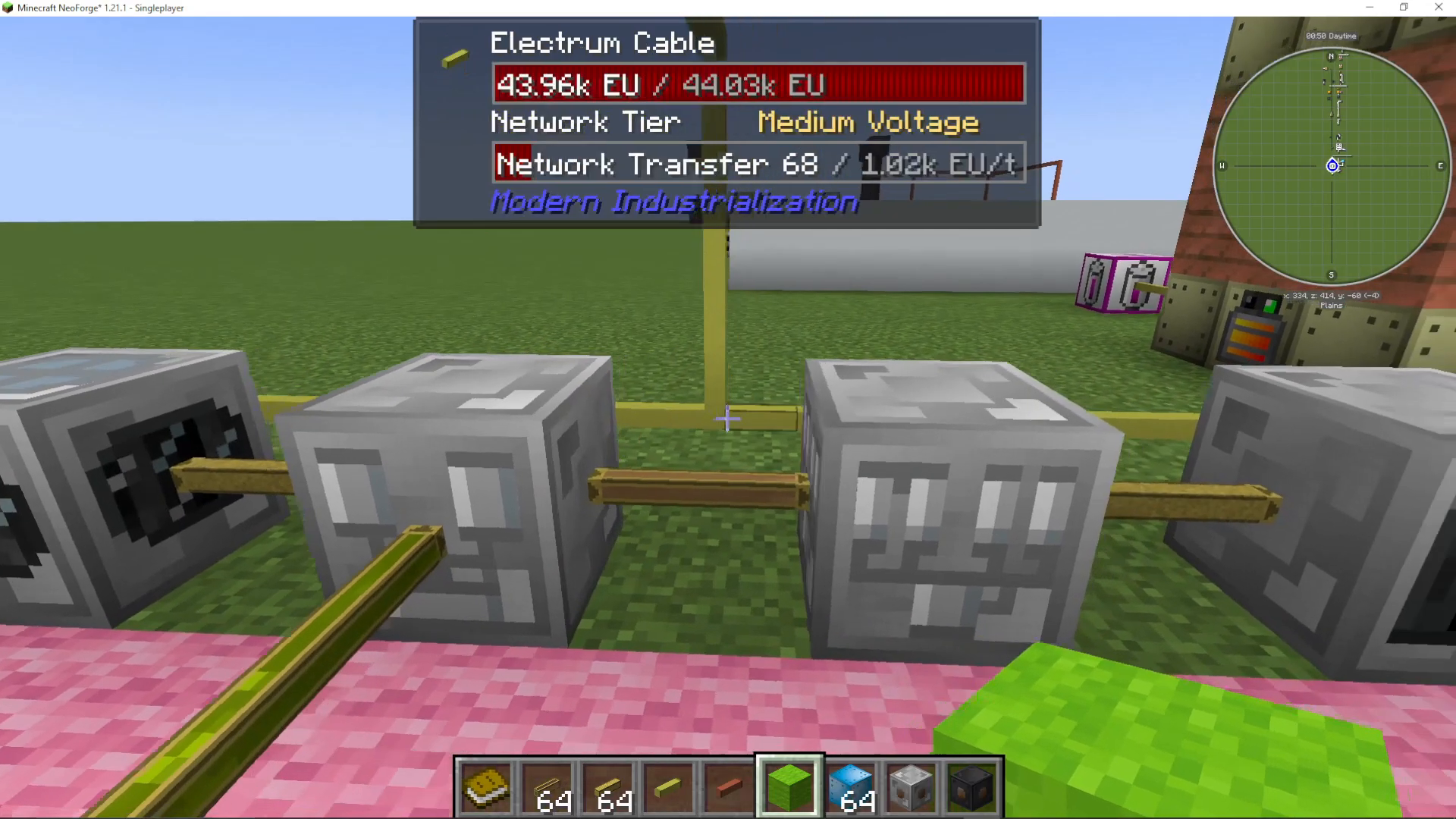
Use an electric packer to combine nine chromium tiny dusts into one chromium dust, then send it to your electric mixer.
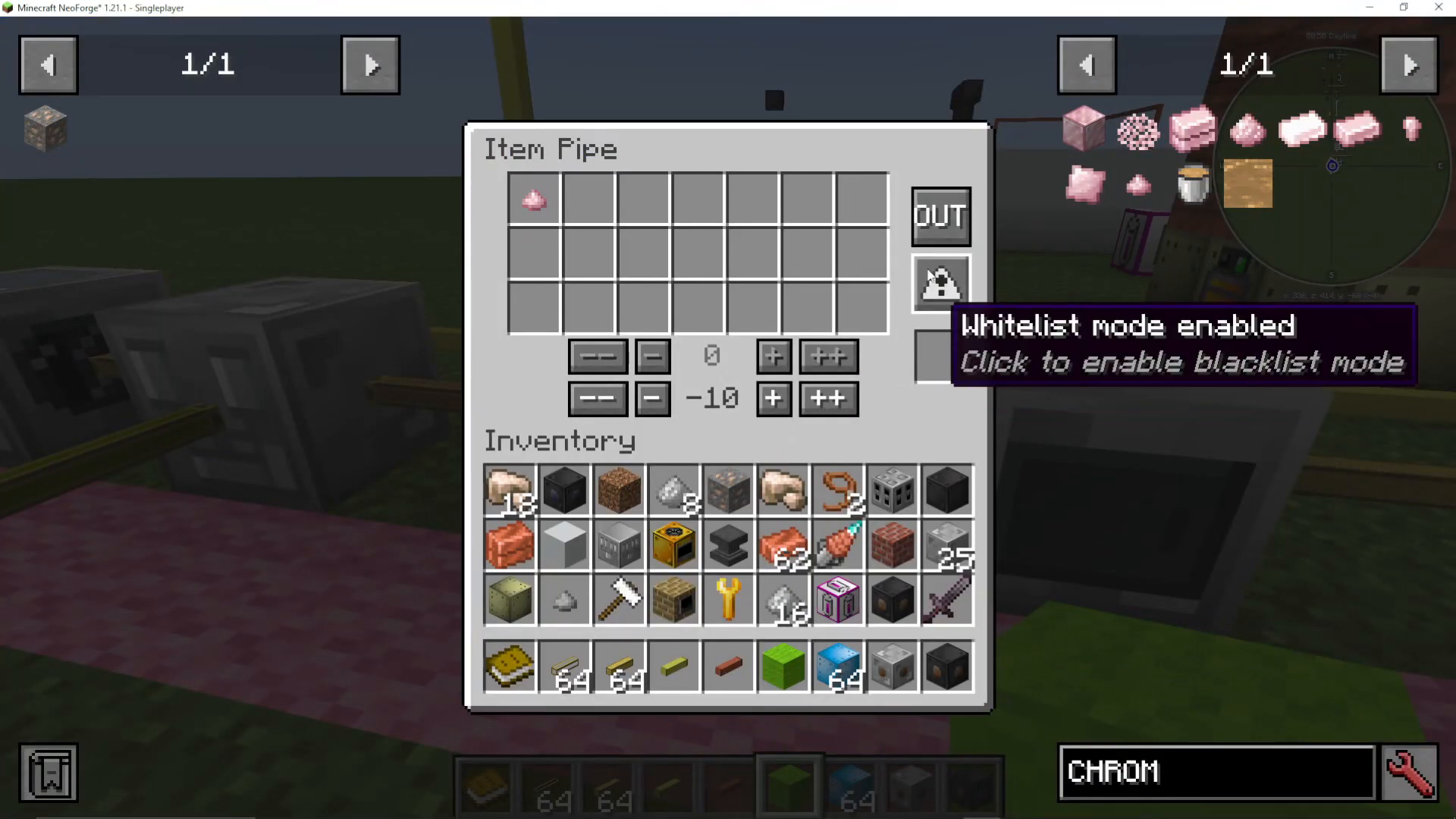
Quick Summary for Chromium:
Centrifuge redstone dust → ruby dust + iron dust
Centrifuge ruby dust → chromium crushed dust + aluminum dust
Chromium crushed dust + hydrochloric acid in chemical reactor → chromium hydrochloric solution
Chromium hydrochloric solution in electrolyzer → chromium tiny dust
Pack nine chromium tiny dusts → one chromium dust → to mixer
Step 4: Hydrochloric Acid Production (Green Route)
Processing Salt
To create hydrochloric acid, you’ll need salt and water. Start by placing salt into an electric macerator to produce crushed salt dust.
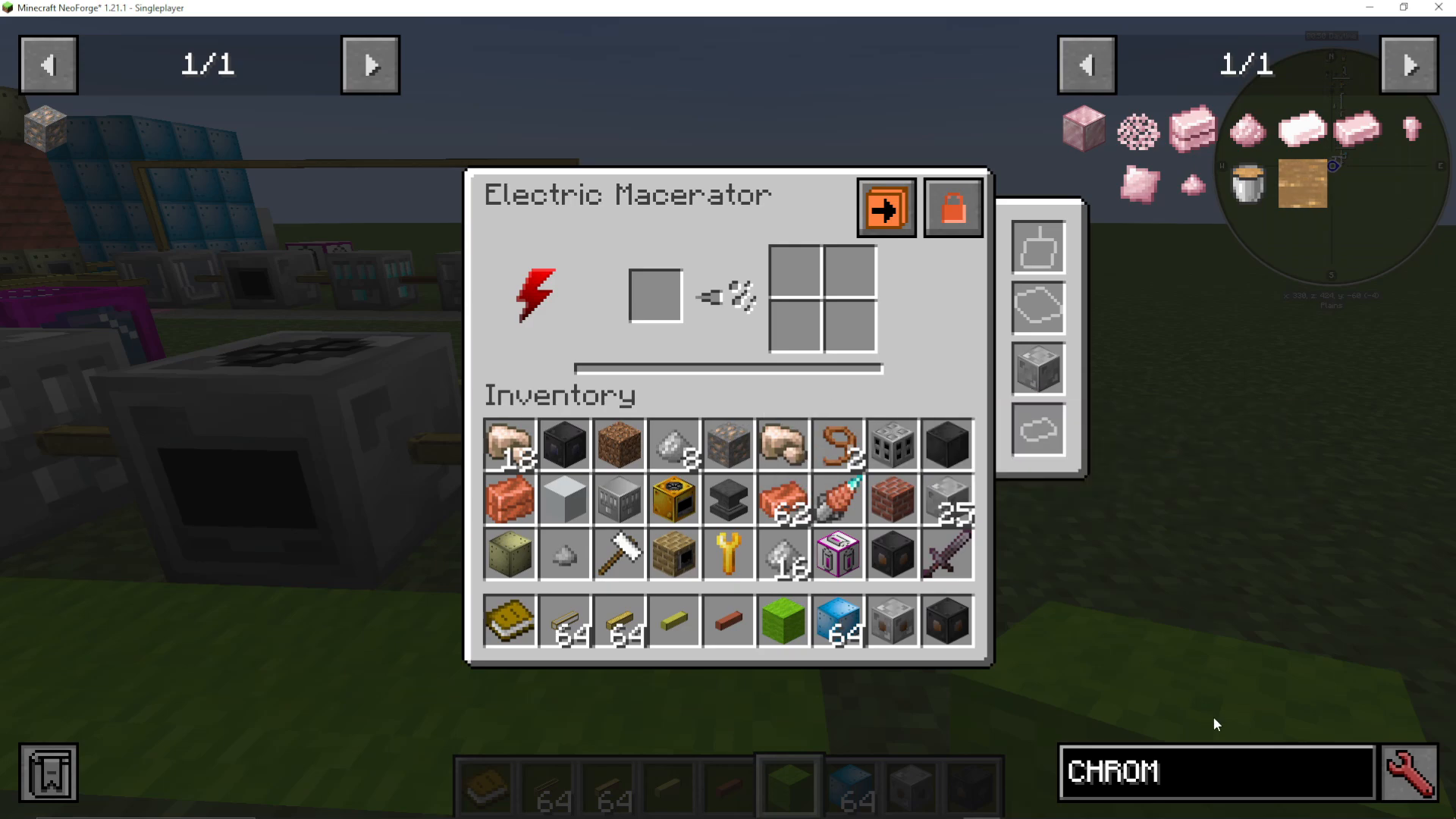
Place the crushed salt dust into another electric macerator to create salt dust.
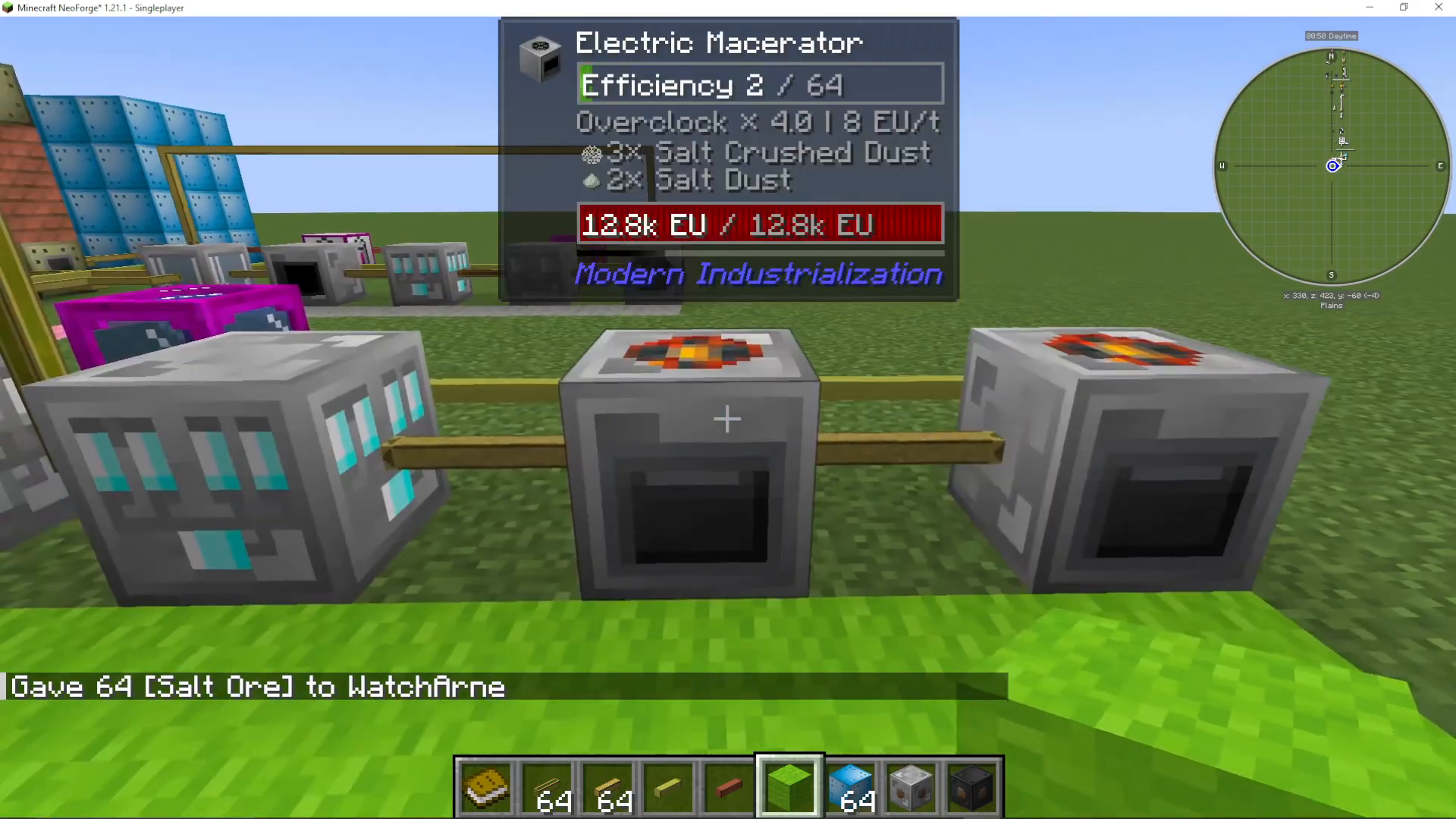
Electrolyzing Salt
Put the salt dust into an electrolyzer. This will produce sodium dust and chlorine gas. You can use the sodium dust in other recipes.
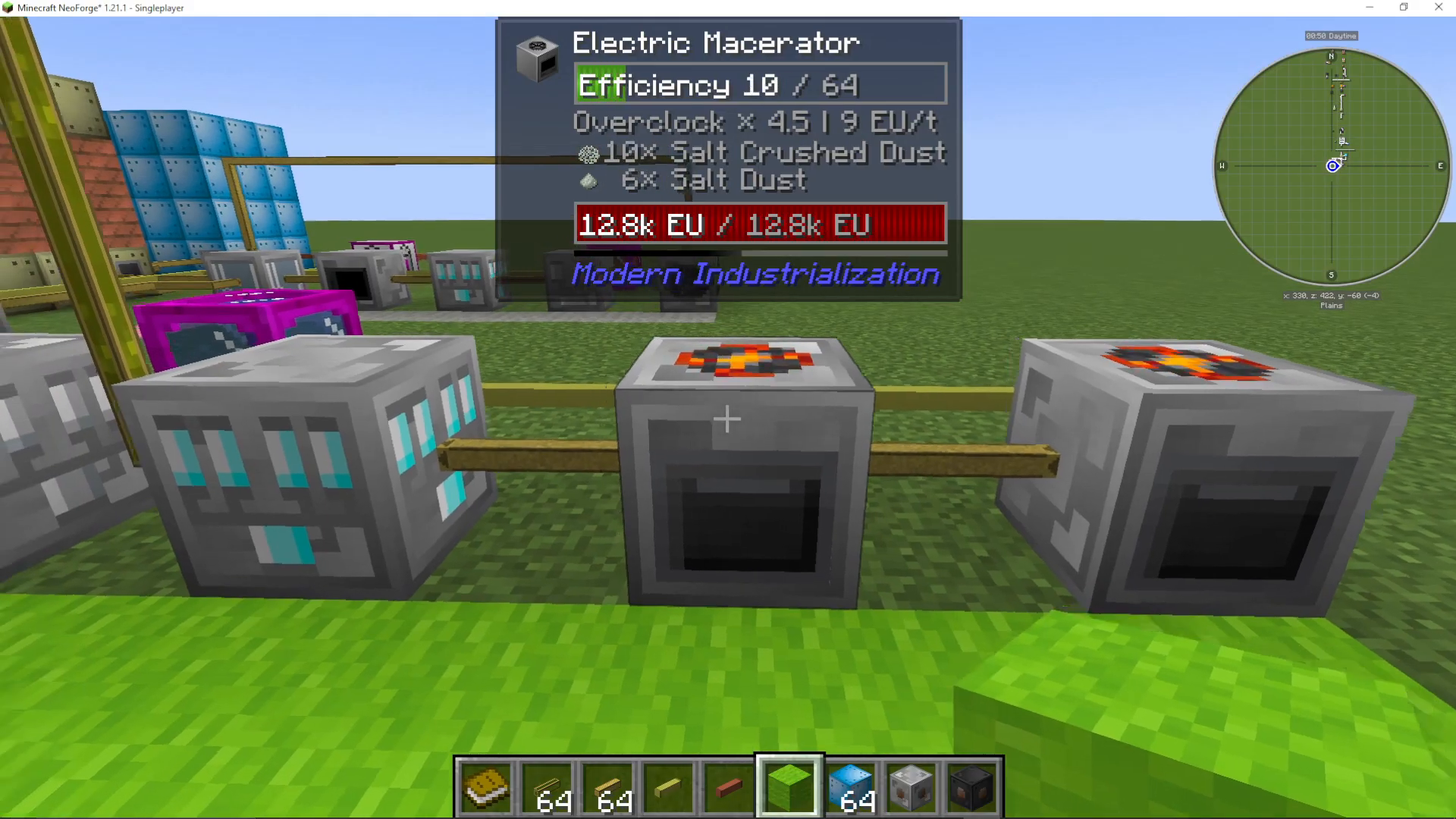
Producing Hydrogen
Electrolyze water in a separate electrolyzer to obtain hydrogen. The oxygen byproduct can be vented into a void tank or other disposal method.
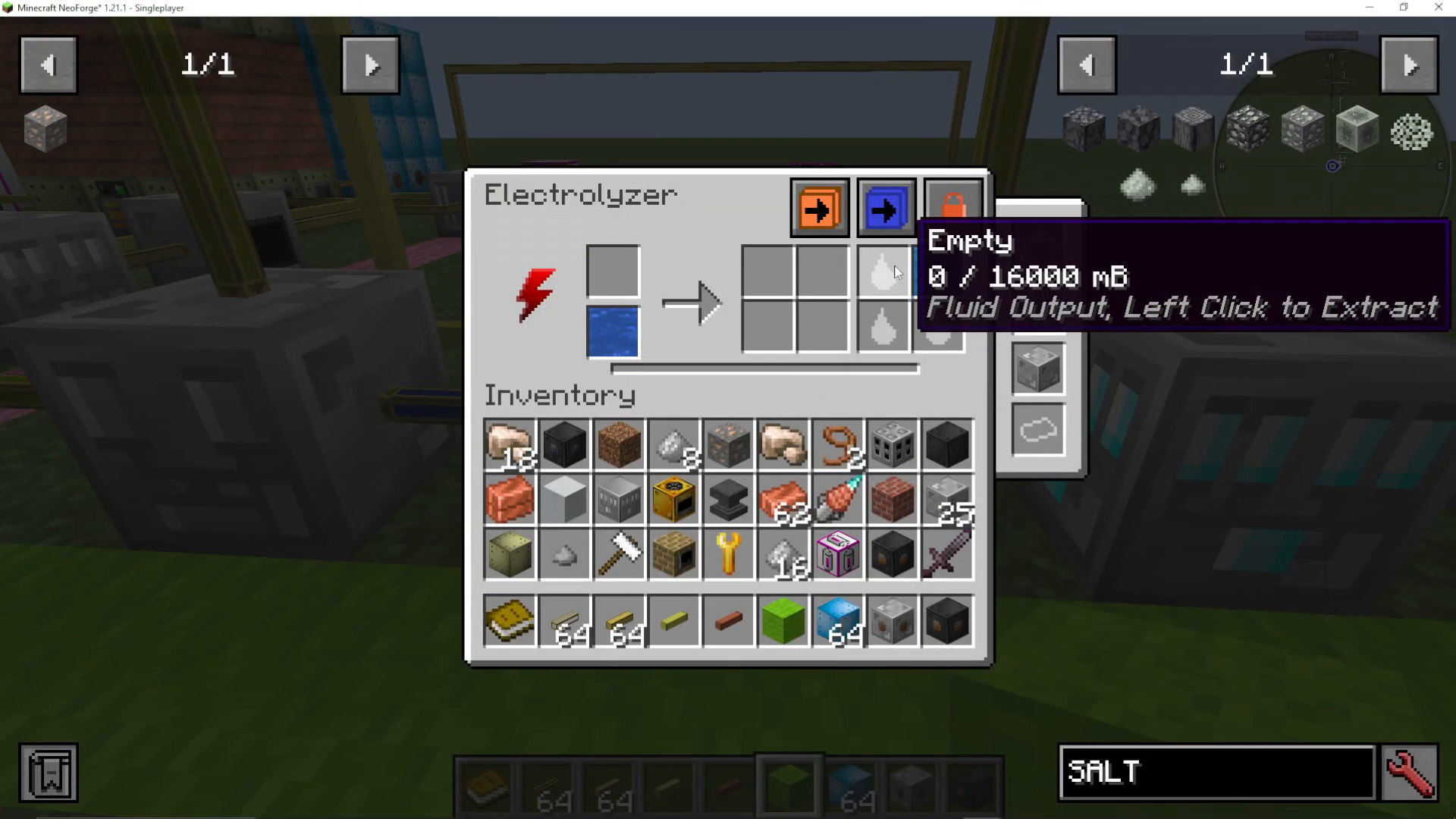
Combining Hydrogen and Chlorine
Place the hydrogen and chlorine into a chemical reactor together. They will combine to form hydrochloric acid. To prevent slot congestion, lock empty input slots so they don’t clog with unwanted materials.
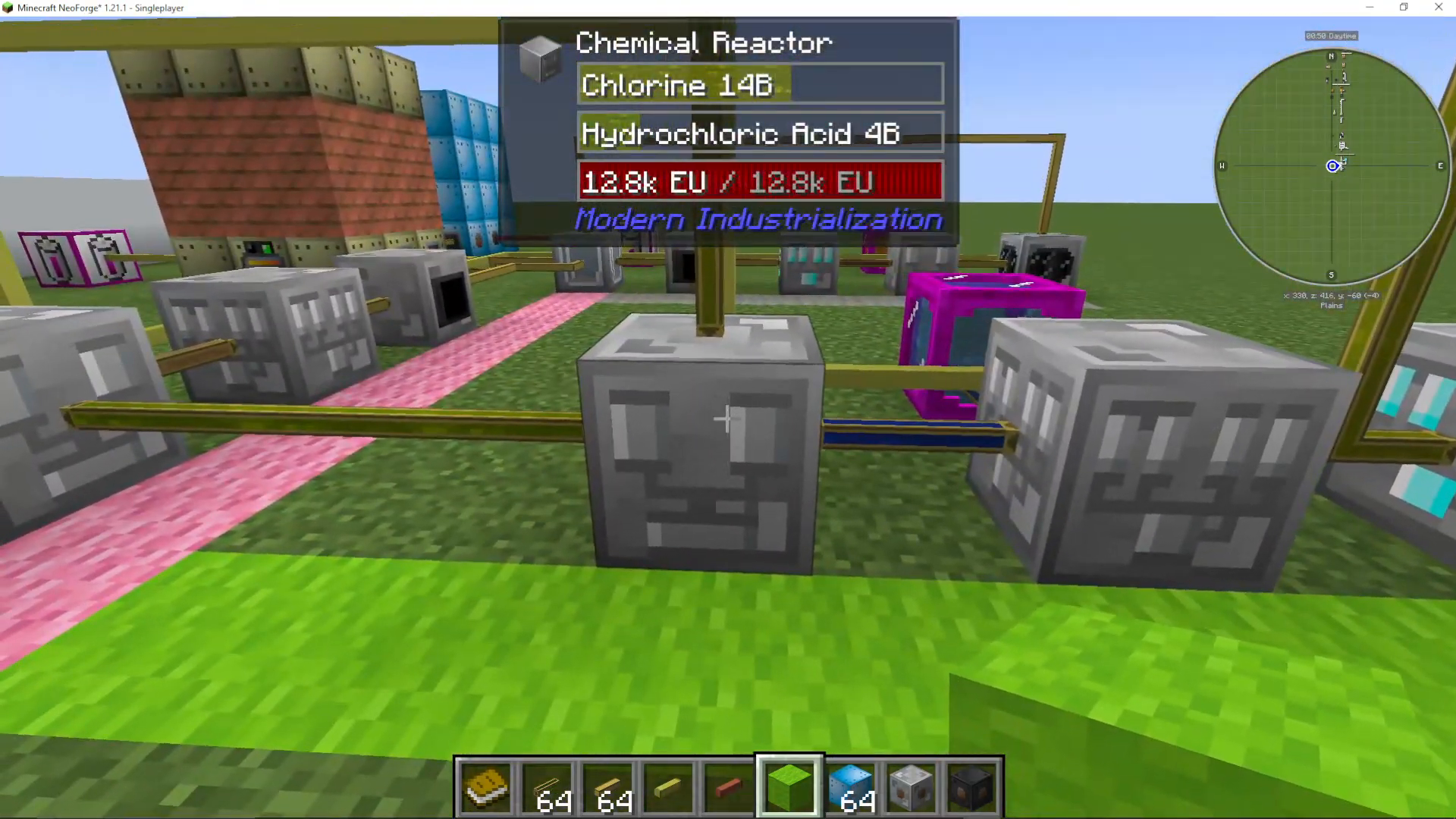
Quick Summary for Hydrochloric Acid:
Salt in electric macerator → crushed salt dust
Crushed salt dust in electric macerator → salt dust
Salt dust in electrolyzer → sodium dust + chlorine
Water in electrolyzer → hydrogen (+ oxygen to void)
Hydrogen + chlorine in chemical reactor → hydrochloric acid
Complete Production Chain Visualization
At this point, you have all four dusts ready. The following visual flow chart summarizes the entire process with color-coding:
Centrifuge: Raw iron, redstone, and ruby dust processing
Chemical Reactors: Combining dusts with acids to create solutions
Electrolyzers: Converting solutions into tiny dusts
Electric Packers: Consolidating nine tiny dusts into one dust
Electric Mixer: Combining all four dusts into stainless steel dust
Step 5: Mixing and Smelting
Electric Mixer
Once all four dusts are ready (iron, manganese, nickel, and chromium), pipe them into your electric mixer. The output will be stainless steel dust.
Electric Blast Furnace
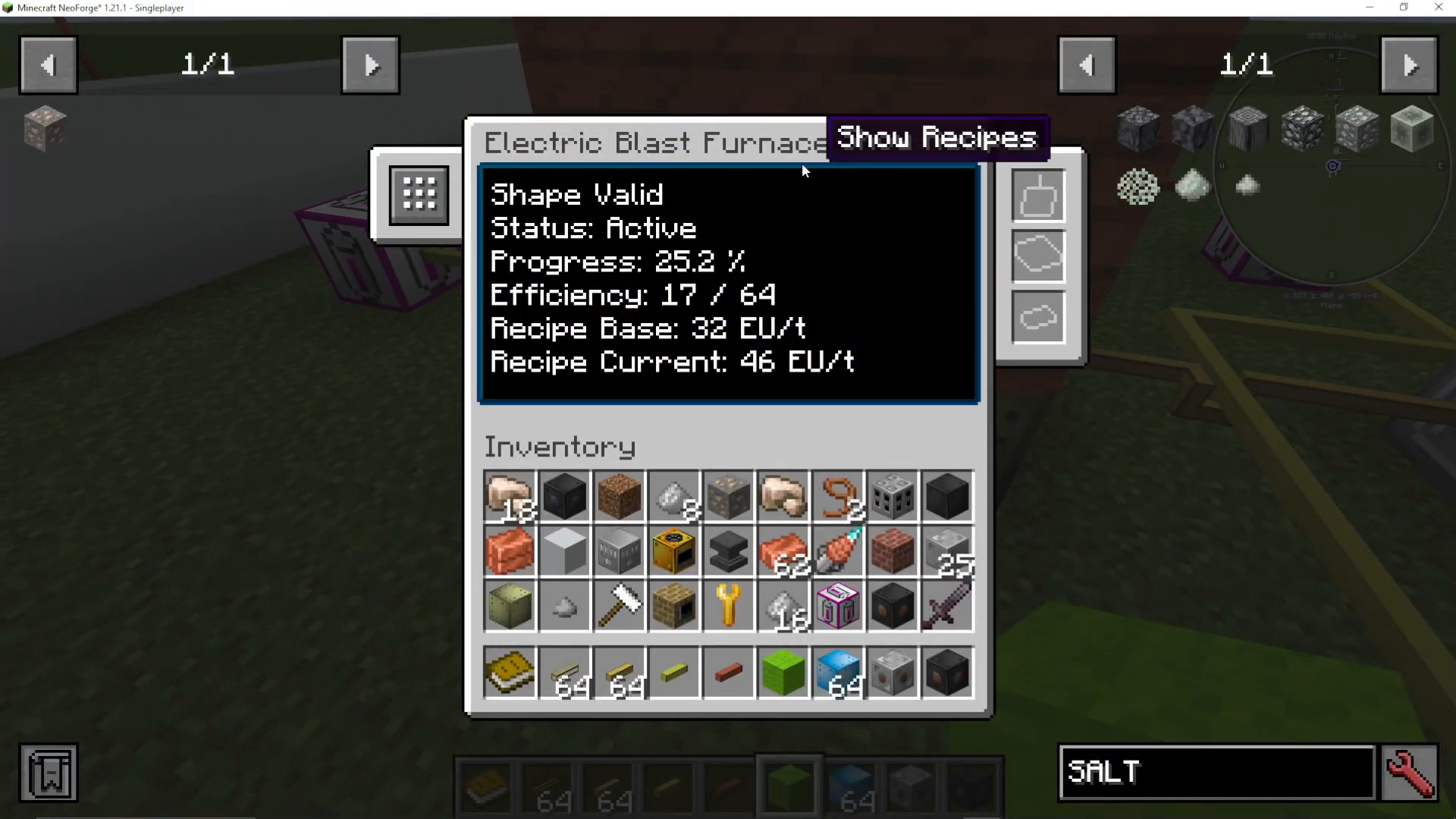
Transfer the stainless steel dust into an electric blast furnace. This machine will heat the dust into stainless steel hot ingots.
Vacuum Freezer
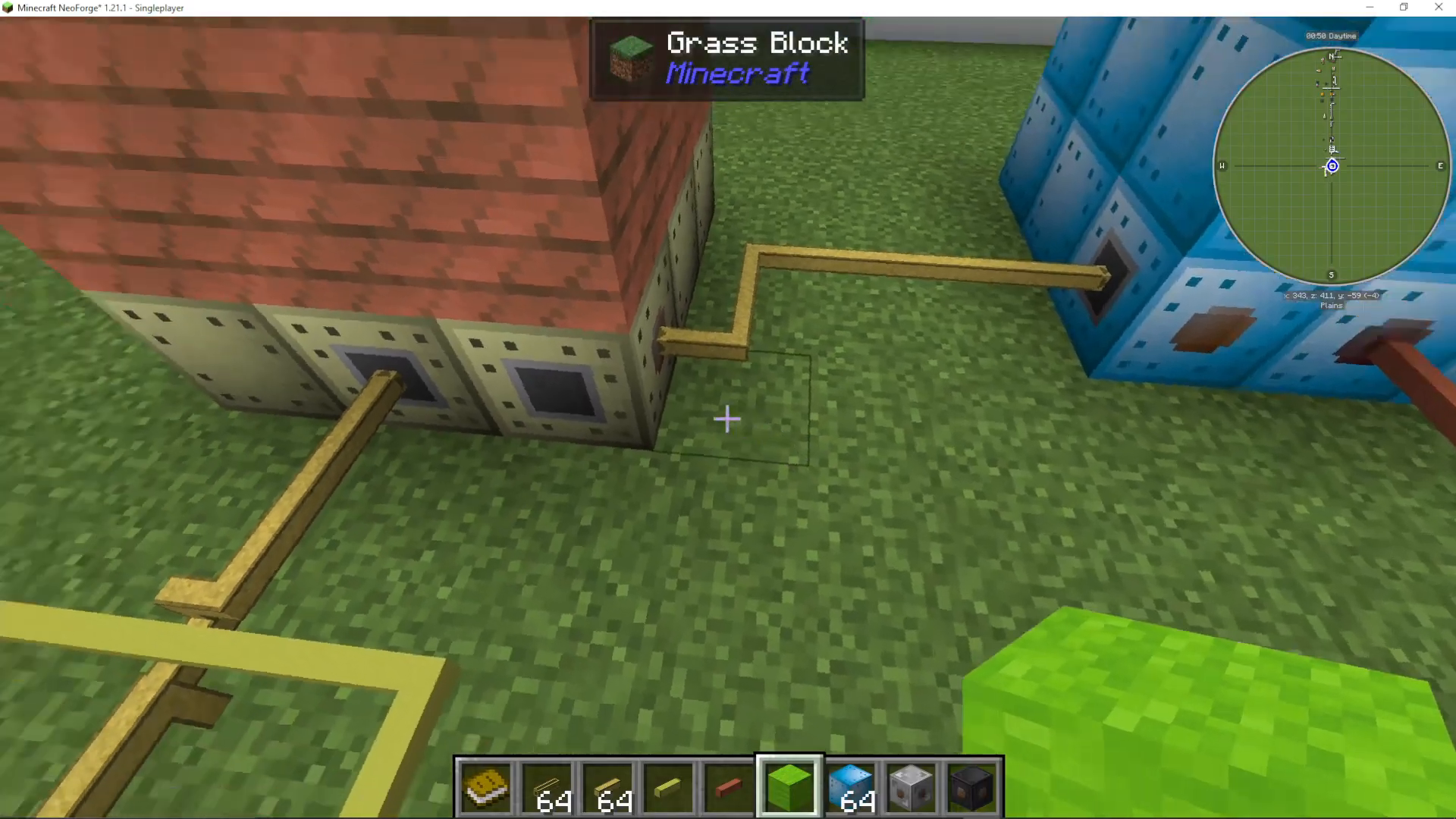
Finally, pipe the stainless steel hot ingots from the electric blast furnace into a vacuum freezer’s input hatch. The output will be your finished stainless steel ingots.
Conclusion
Congratulations! You’ve now mastered stainless steel production in Modern Industrialization. This mid-game material opens the door to more advanced recipes and machinery. The process is complex but manageable once you understand each individual chain. With proper automation and organization, you’ll have a steady supply of stainless steel ingots for your future projects.
Modern Industrialization continues to challenge players, and there’s much more to discover. If you found this tutorial helpful, be sure to explore other guides on the channel for additional mod content including tech mods and magic mods.
Want to Support?
If you would like to help us continue making these guides – please consider joining our patreon here – https://www.patreon.com/c/JaviHeals
Alternatively – we host a group of MC Servers you can join here – https://discord.gg/zD7Gjt6MHF