






Mekanism – How to make Fissile Fuel
Mekanism – How to Make Fissile Fuel
Once you start getting into the end game of Mekanism, you’ll want to power your fission reactors with fuel. Fissile fuel is the answer, and it’s created using an isotopic centrifuge. While the process is complex, this guide breaks it down into digestible sections so you can build your own fissile fuel production line step by step.
Understanding Fissile Fuel
Fissile fuel is made in an isotopic centrifuge and is the primary fuel source for your fission reactors. The creation process involves converting uranium hexafluoride into fissile fuel. When building this system, it helps to work backwards from your fission reactor location rather than building from start to finish—this approach makes the setup much easier to understand and construct.
Color-Coded Setup Overview
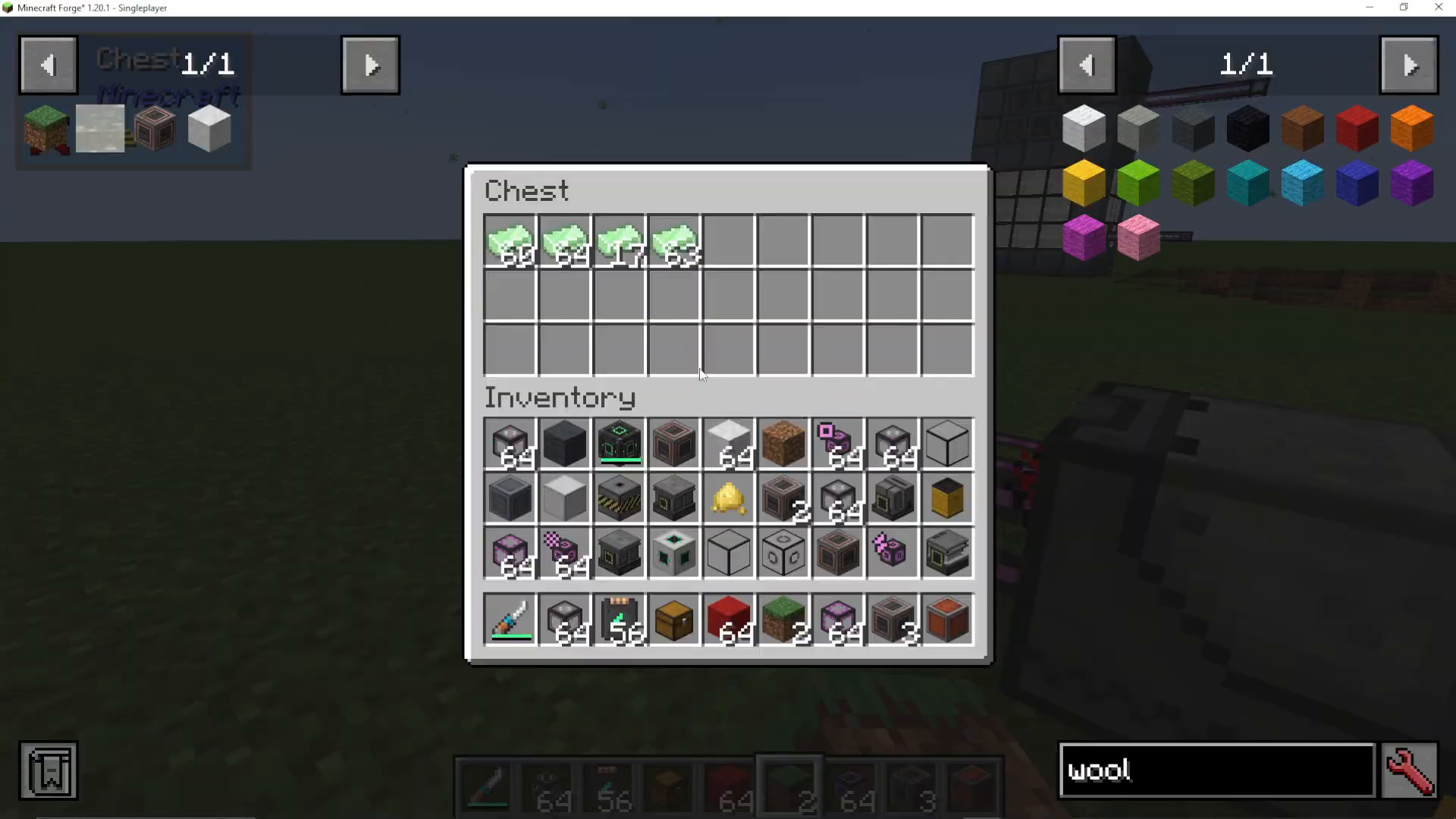
To make this process clearer, consider using wool to color-code your production line:
Green: Fissile fuel (final product)
Yellow: Uranium oxide
Dark Gray: Hydrofluoric acid
Light Gray: Water vapor
Red: Sulfur trioxide
Part 1: Making Uranium Oxide
The first major component needed for fissile fuel is uranium oxide. This part of the process is relatively straightforward.
Step 1: Uranium Ingots to Yellow Cake Uranium
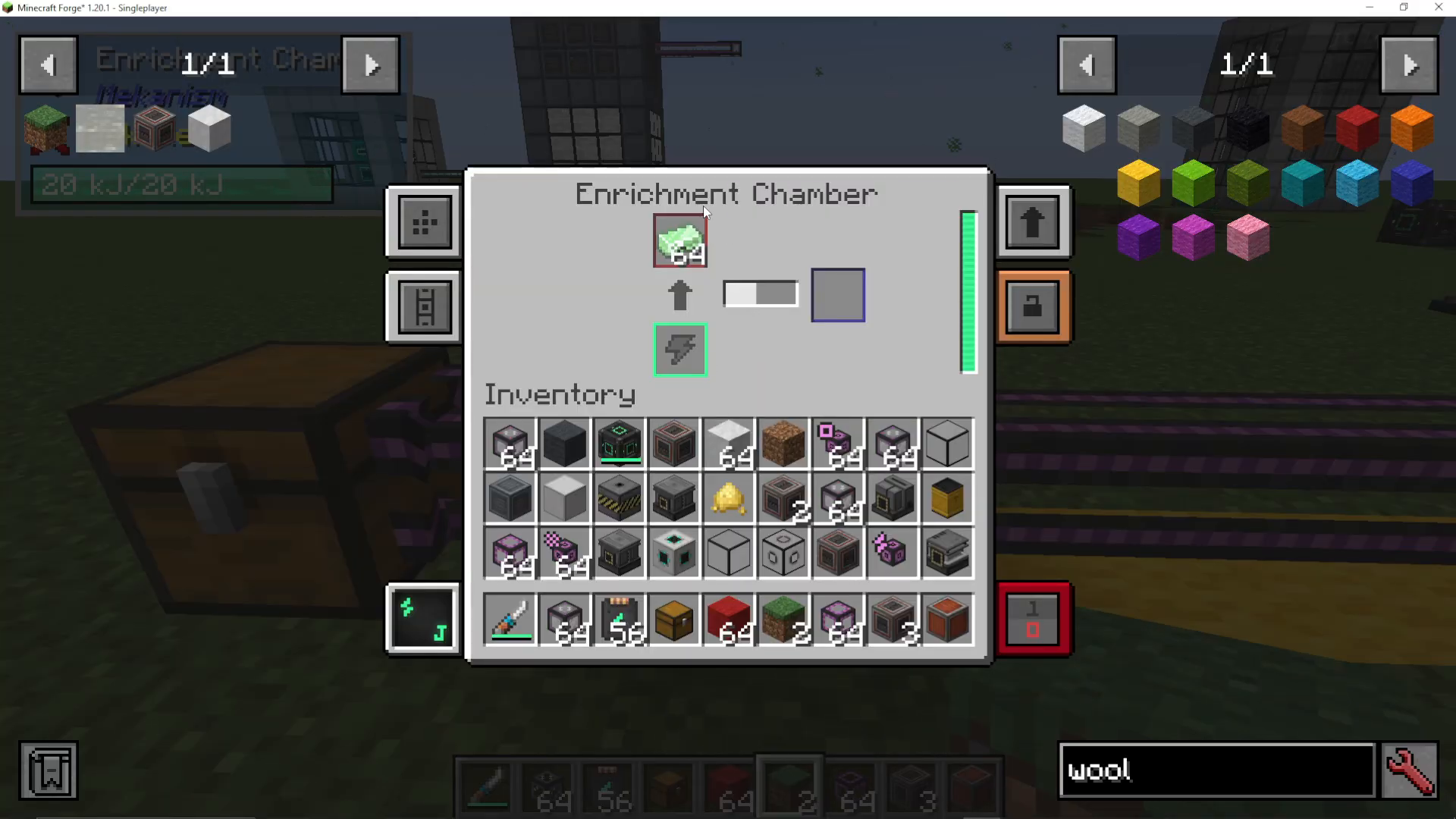
Pump uranium ingots into an enrichment chamber. This will convert the uranium ingots into yellow cake uranium.
Step 2: Yellow Cake Uranium to Uranium Oxide
Take the yellow cake uranium and place it into a chemical oxidizer. The chemical oxidizer will chemically oxidize the yellow cake uranium into uranium oxide.
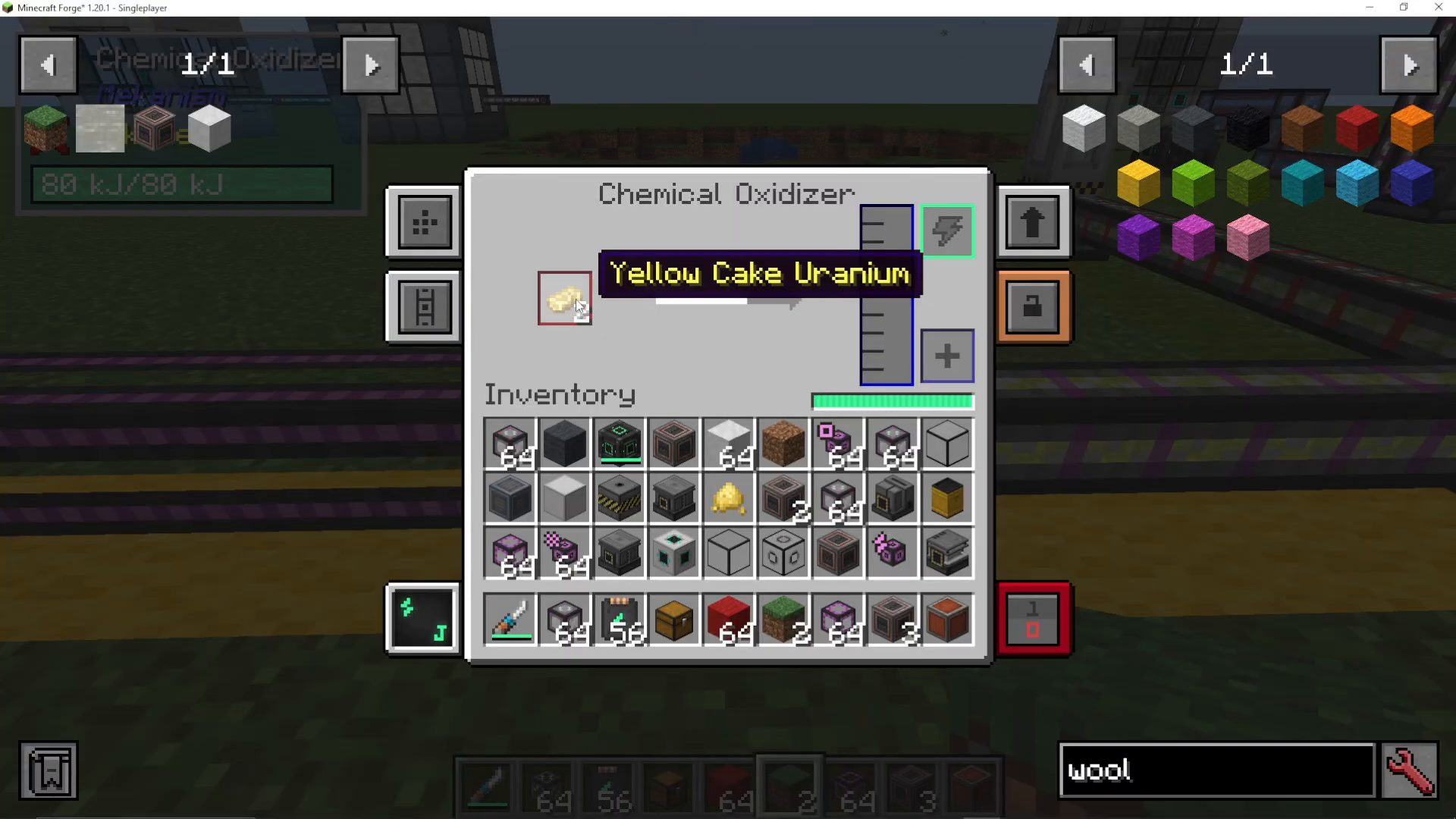
This completes the uranium oxide production line—one half of your fissile fuel setup is now done.
Part 2: Making Hydrofluoric Acid (The Complex Part)
Creating hydrofluoric acid is the more involved portion of this guide. It requires multiple steps and several different machines. Follow this chain carefully.
Step 1: Create Brine
Start by making brine using a thermal evaporation block. If you’re unfamiliar with this process, refer to the Mekanism playlist linked in the description for a full thermal evaporation tutorial. The basic process turns water into brine, which you’ll then pump into the next stage.
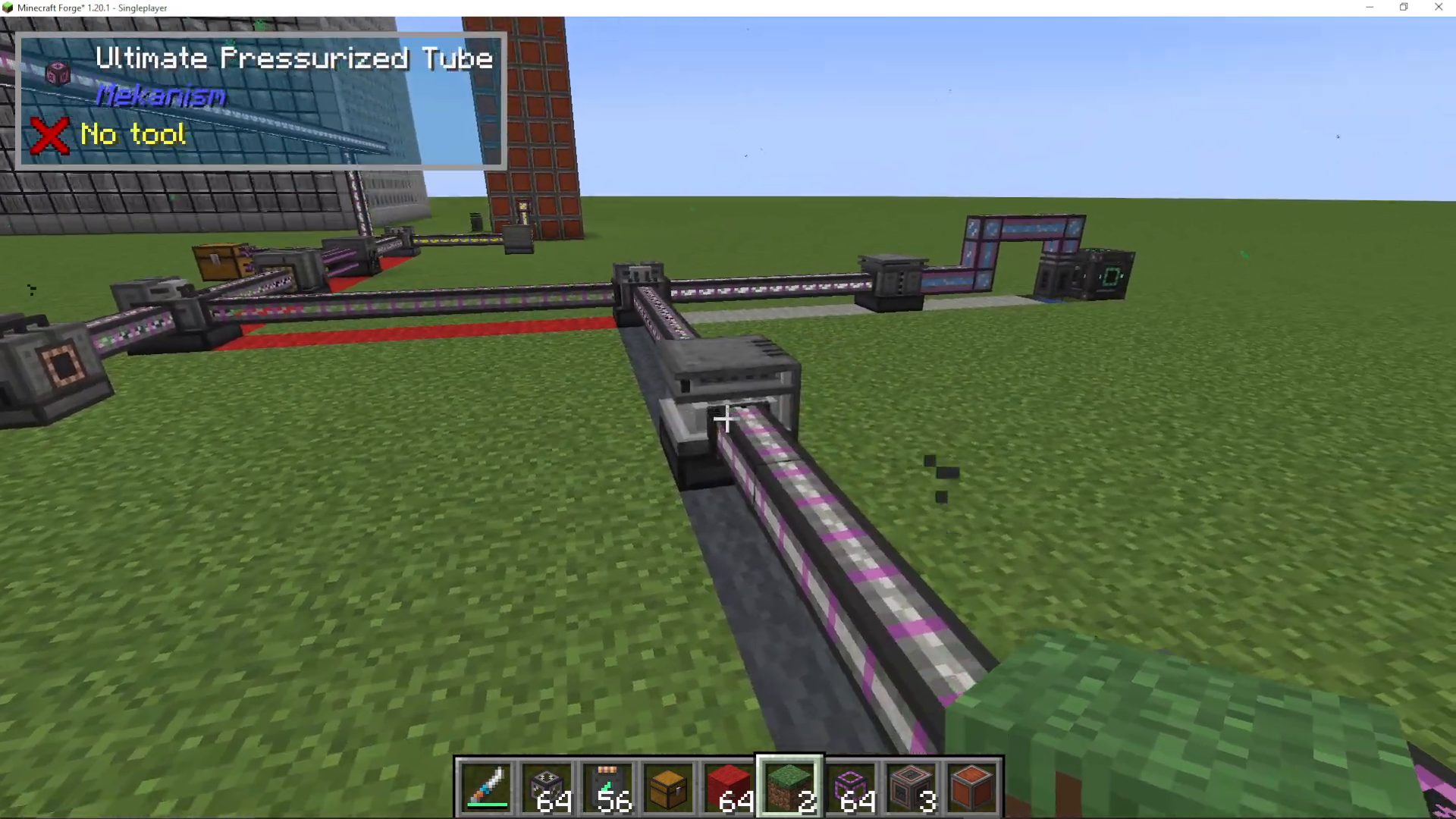
Step 2: Separate Brine into Chlorine
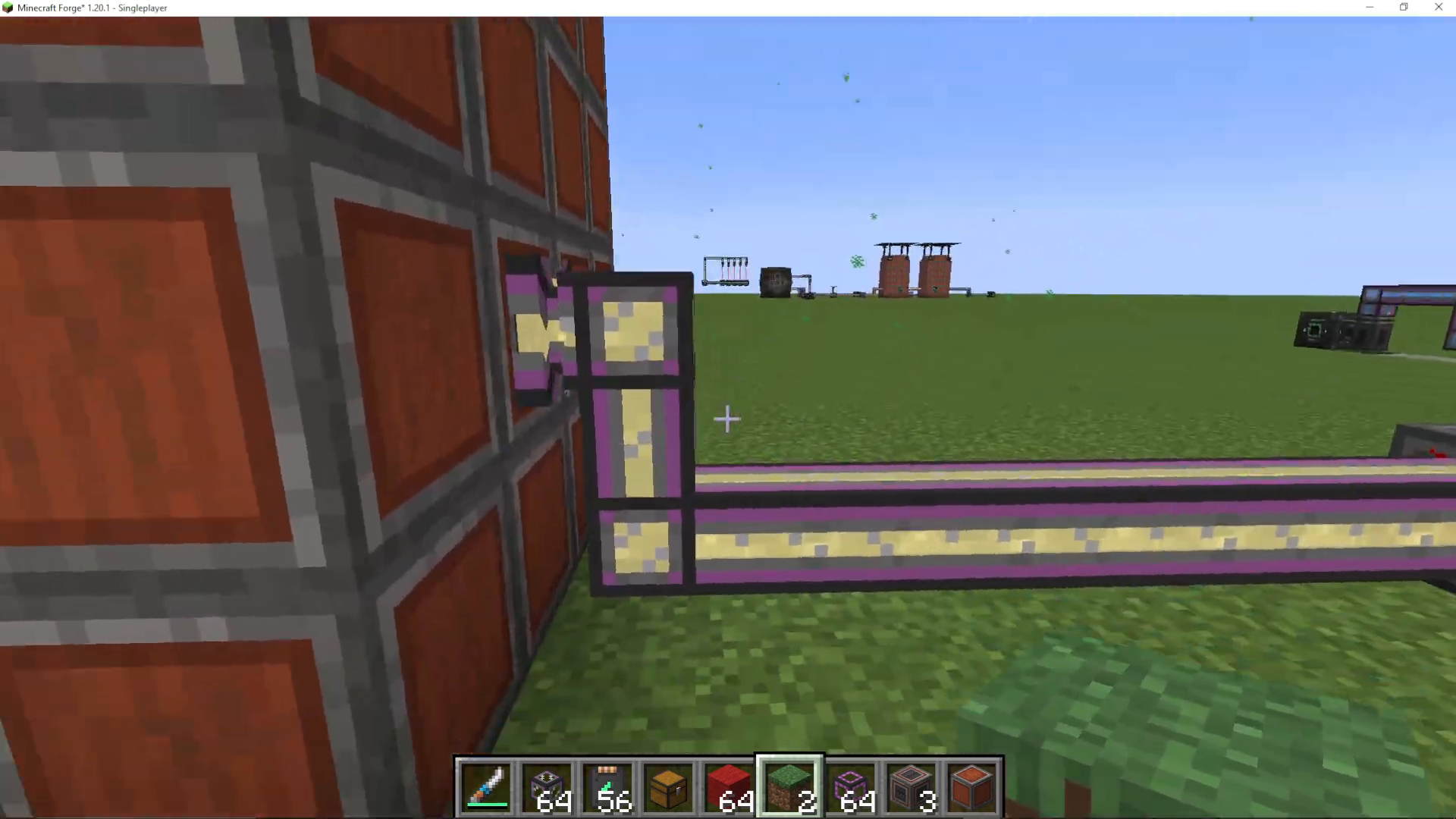
Pump the brine into an electrolytic separator. This will separate the brine into two parts: sodium (which you can discard) and chlorine. Extract the chlorine from the right side of the electrolytic separator.
Step 3: Create Hydrogen from Water
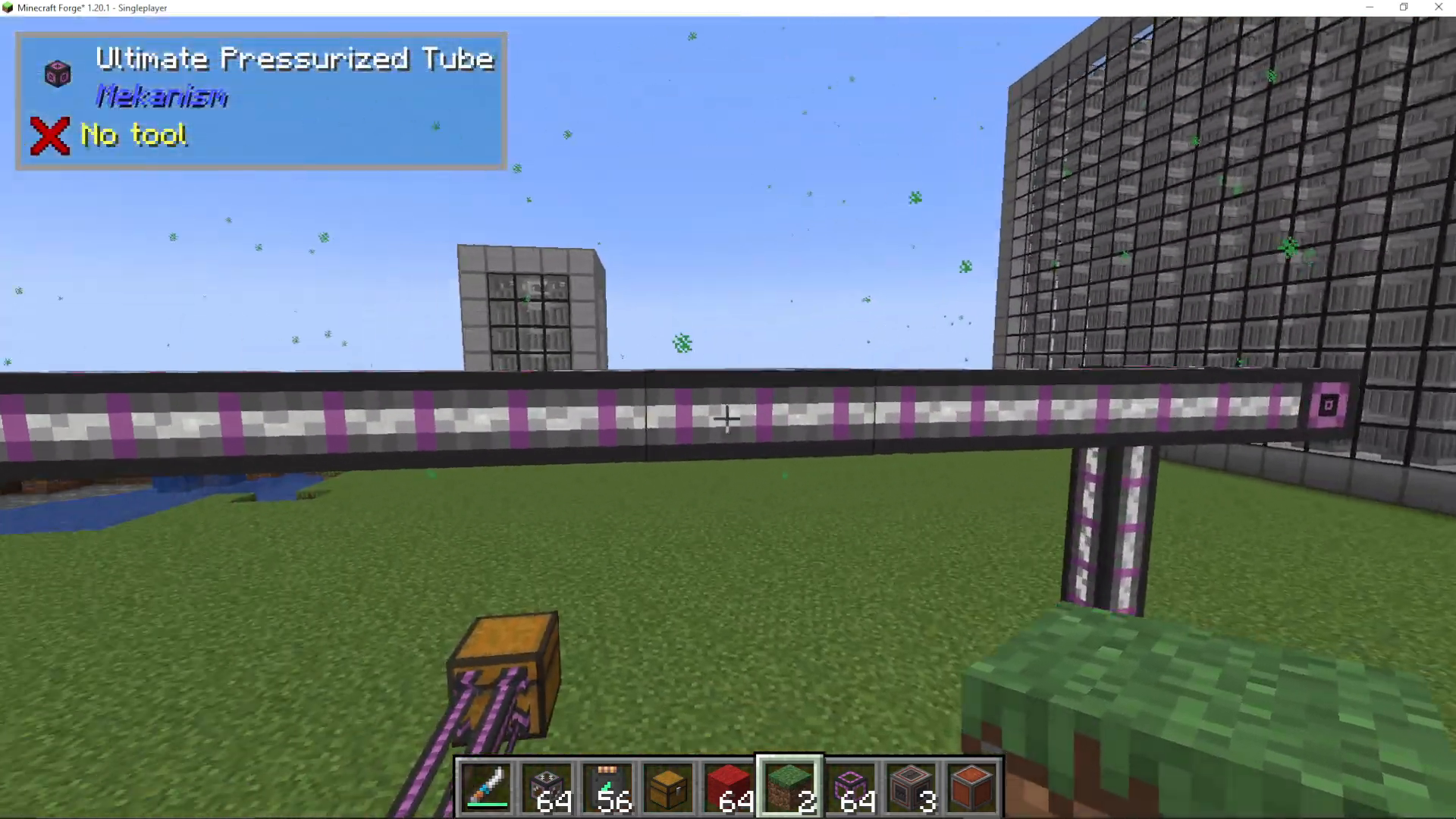
Set up a second electrolytic separator to break down water into hydrogen and oxygen. You’ll need the hydrogen for the next step, but save the oxygen as well—you’ll use it later in the process.
Step 4: Make Hydrogen Chloride
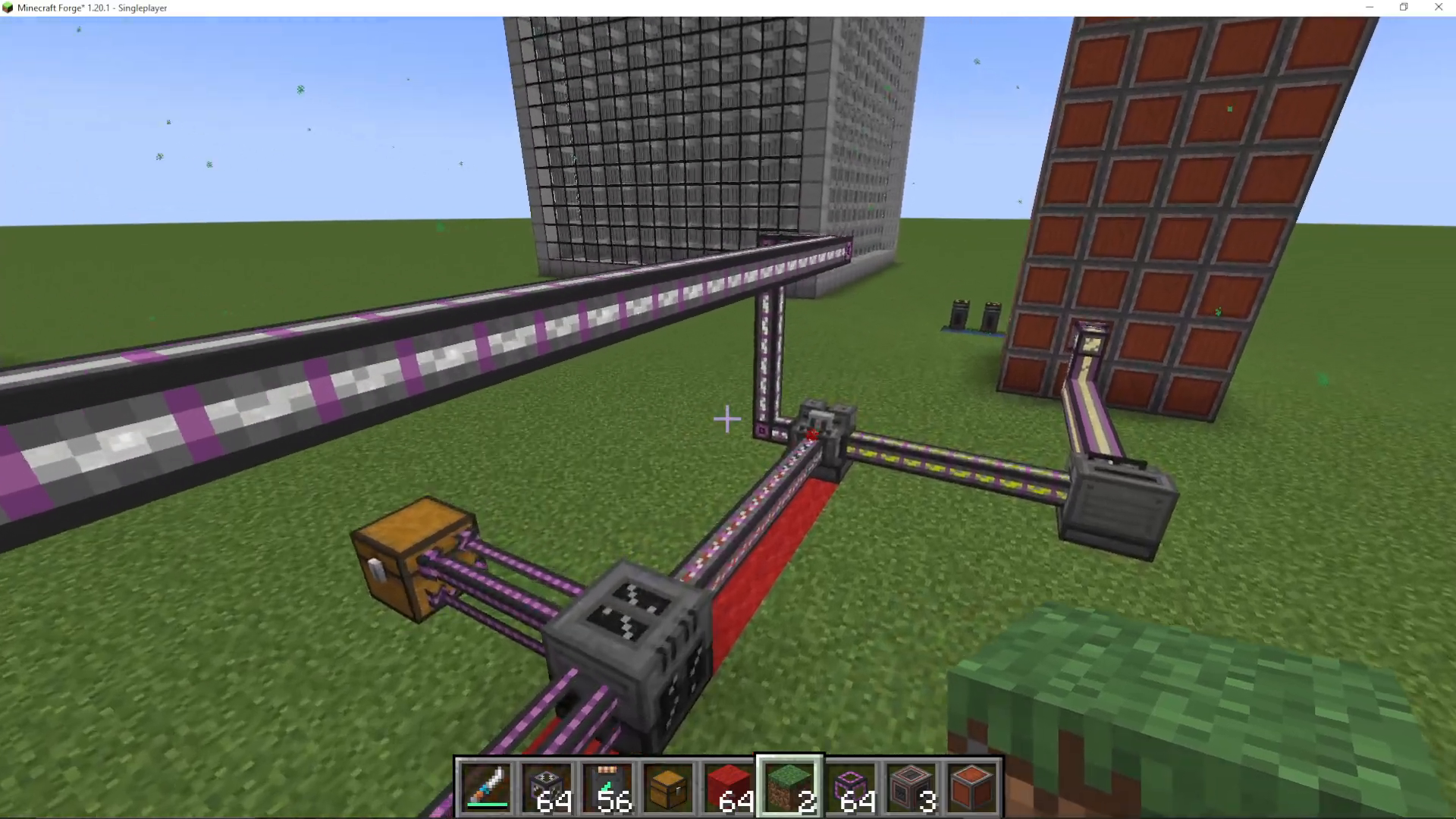
Put the chlorine and hydrogen together into a chemical infuser. This will create hydrogen chloride. Note: If you’re already running 5x ore processing, you may already be producing hydrogen chloride and can skip this step.
Step 5: Convert Gunpowder to Sulfur Dust
Take your hydrogen chloride and put it into a chemical injection chamber along with gunpowder. This will convert the gunpowder into sulfur dust. Again, if you’re running 5x ore processing, you may already have this setup.
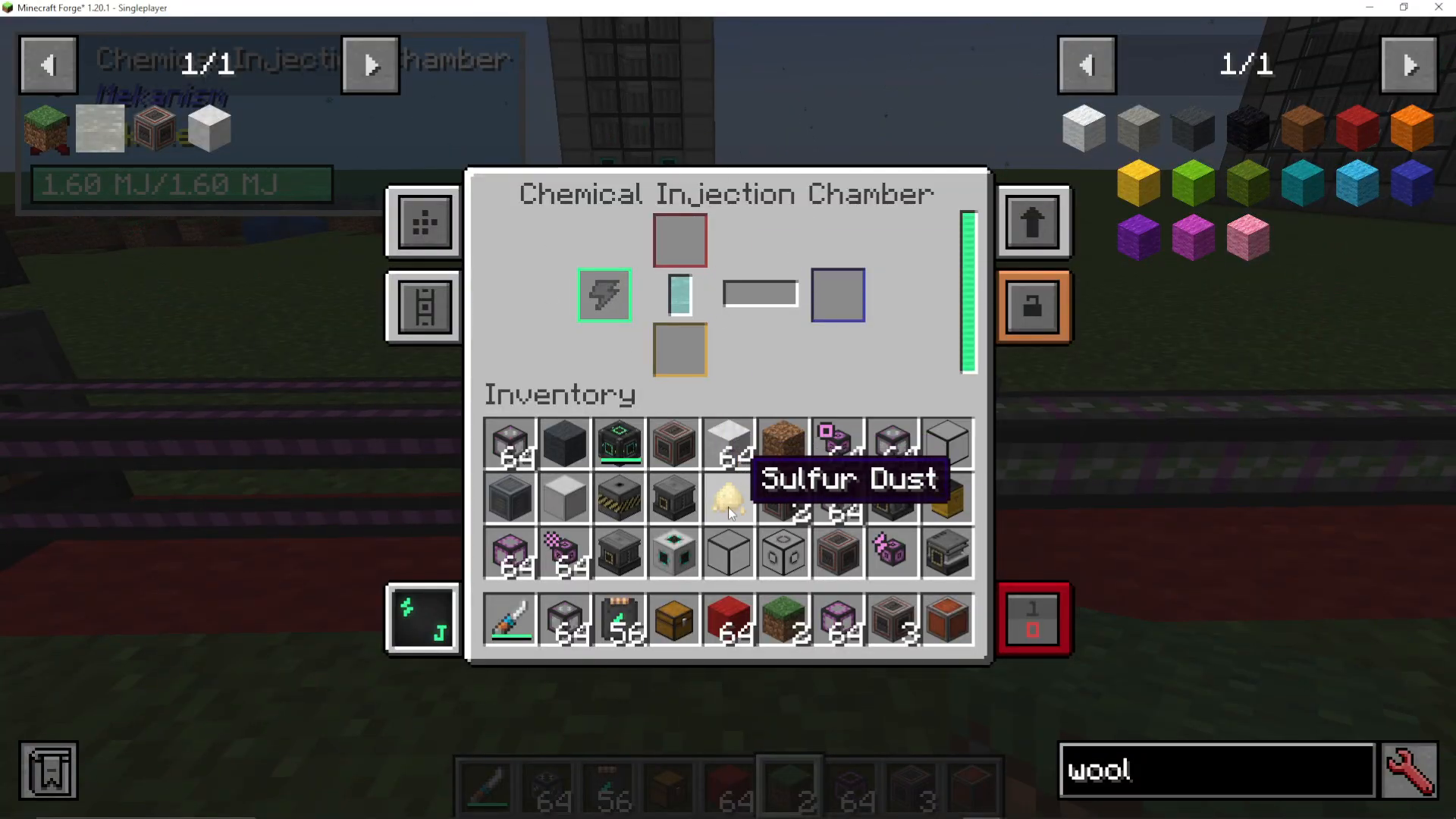
Step 6: Oxidize Sulfur into Sulfur Dioxide
Put the sulfur into a chemical oxidizer. This will convert it into sulfur dioxide.
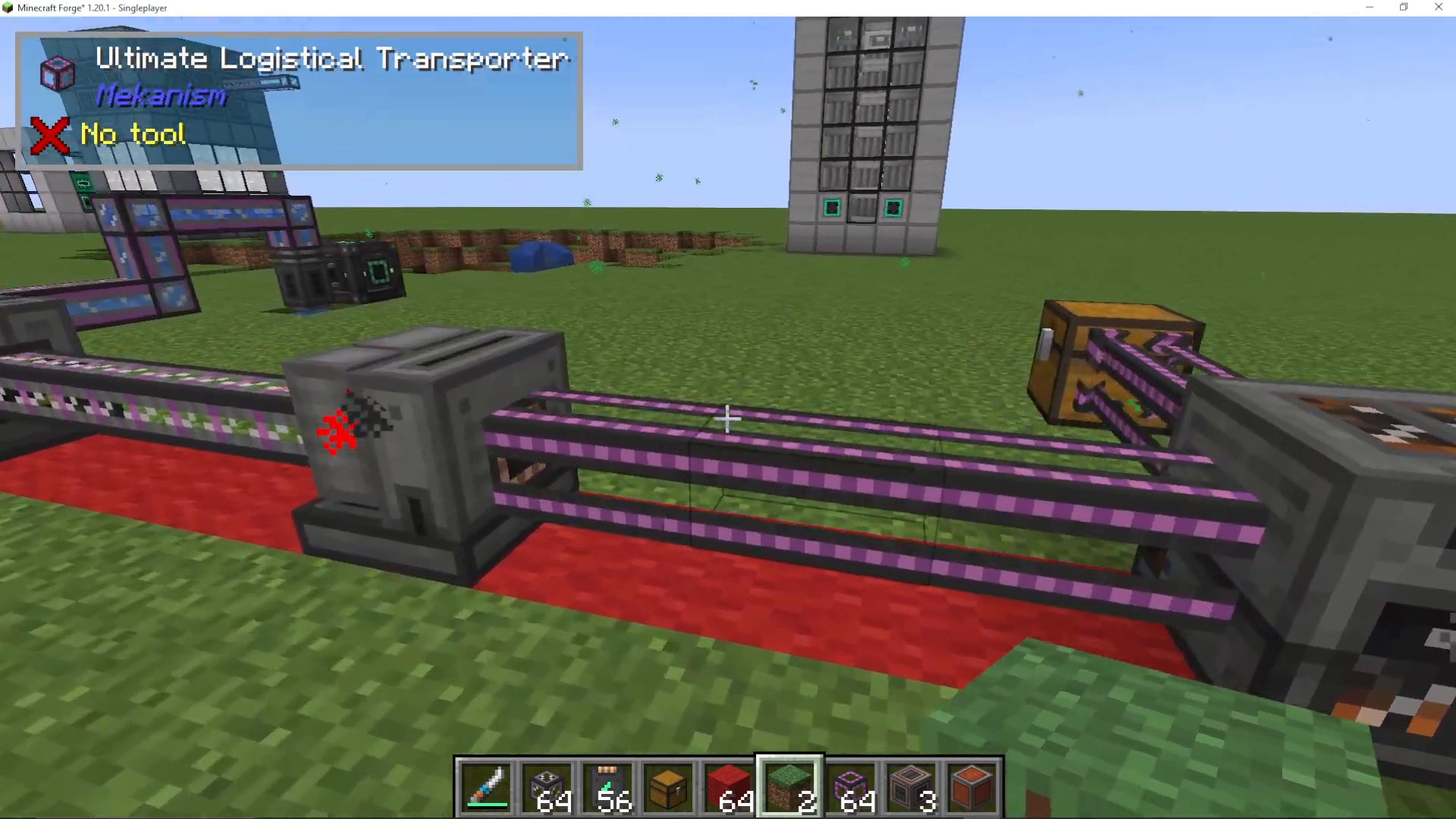
Step 7: Make Sulfur Trioxide
Place the sulfur dioxide into a chemical infuser along with oxygen (the oxygen you saved from your water electrolytic separator). This will create sulfur trioxide. If you’re running 5x ore processing, you may already have sulfur dioxide available from that line.
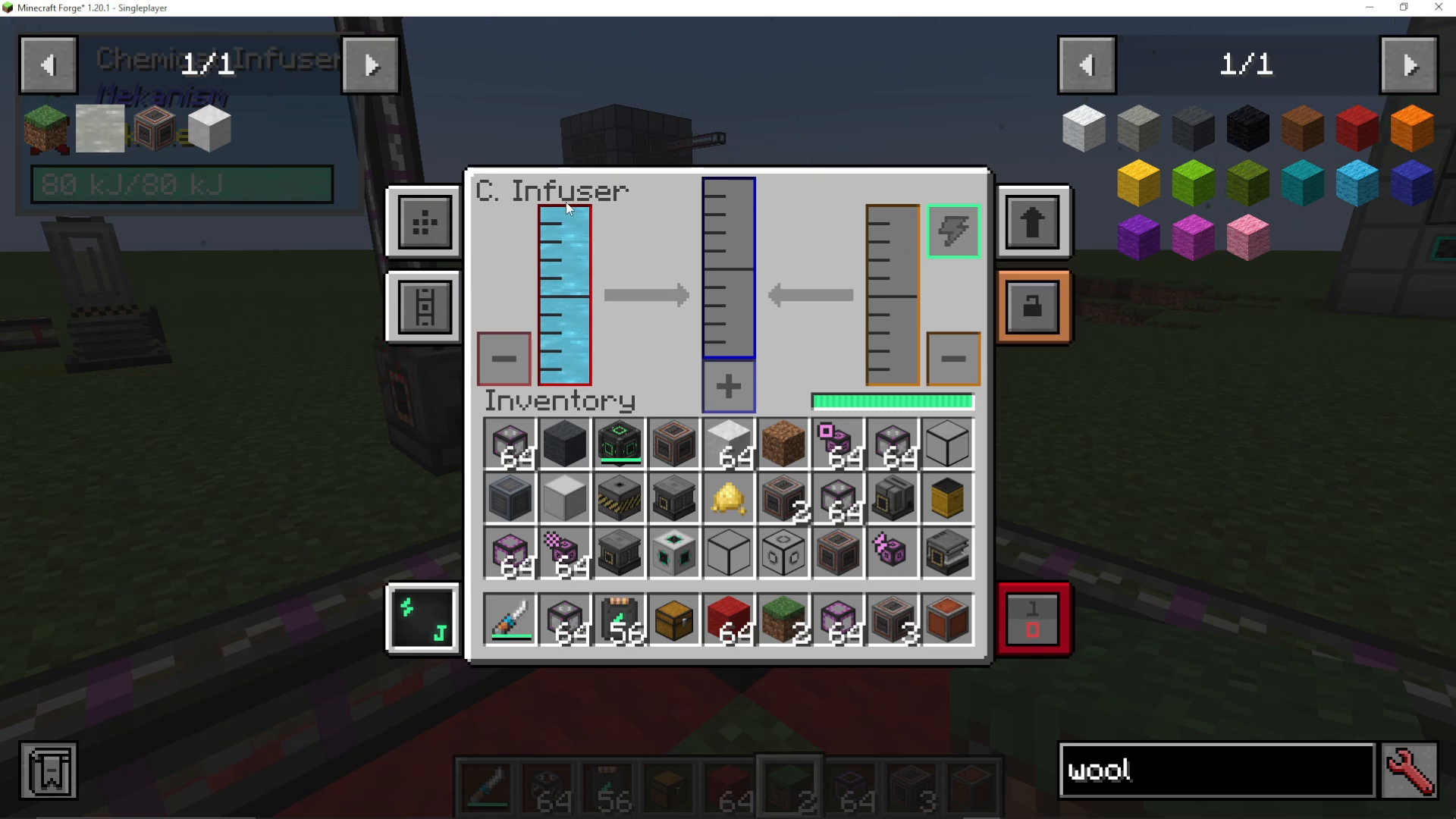
Step 8: Create Water Vapor
To make water vapor, pump water into a rotary condenser and traitor. This simple process will give you the water vapor needed for the next step.
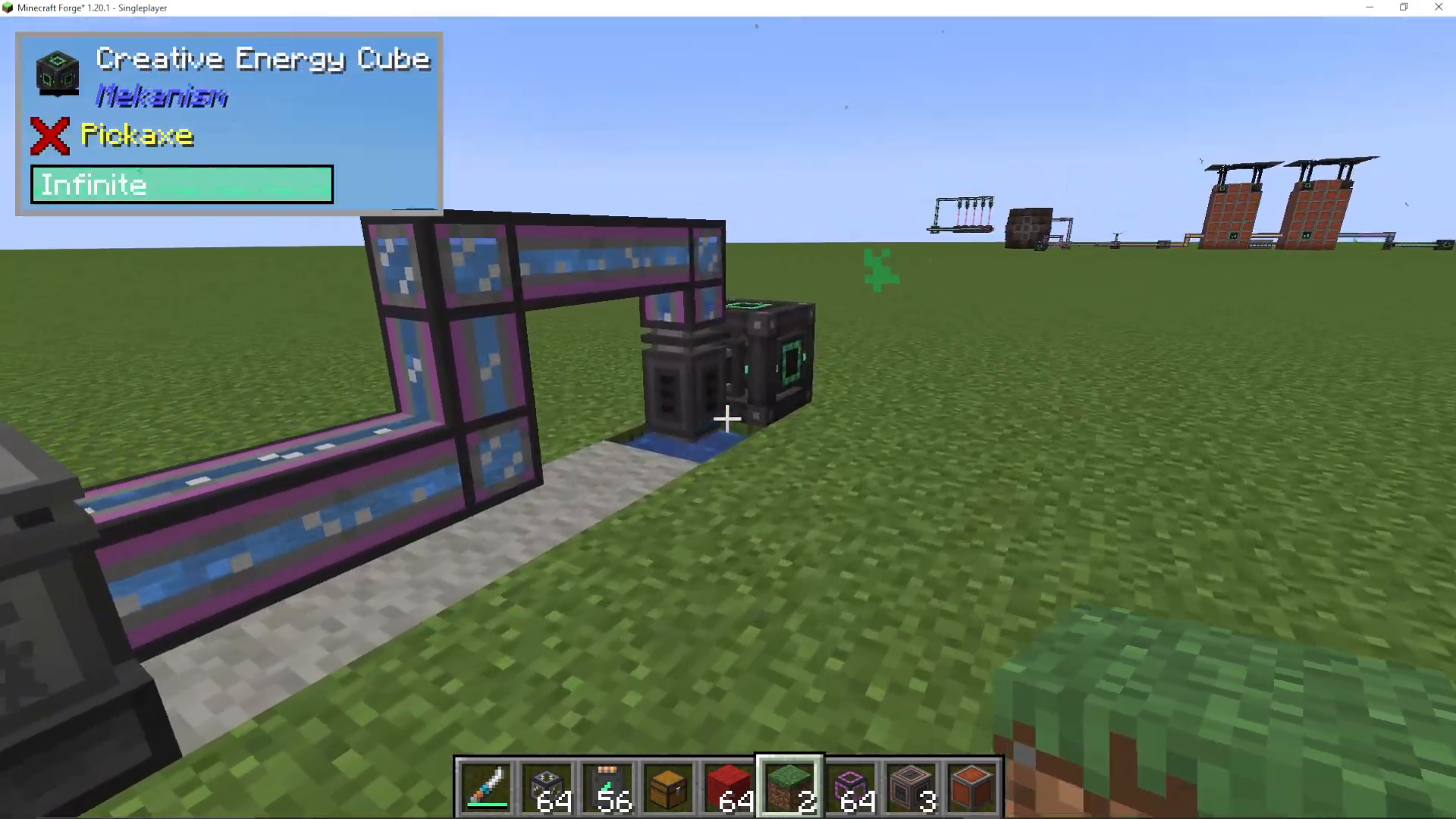
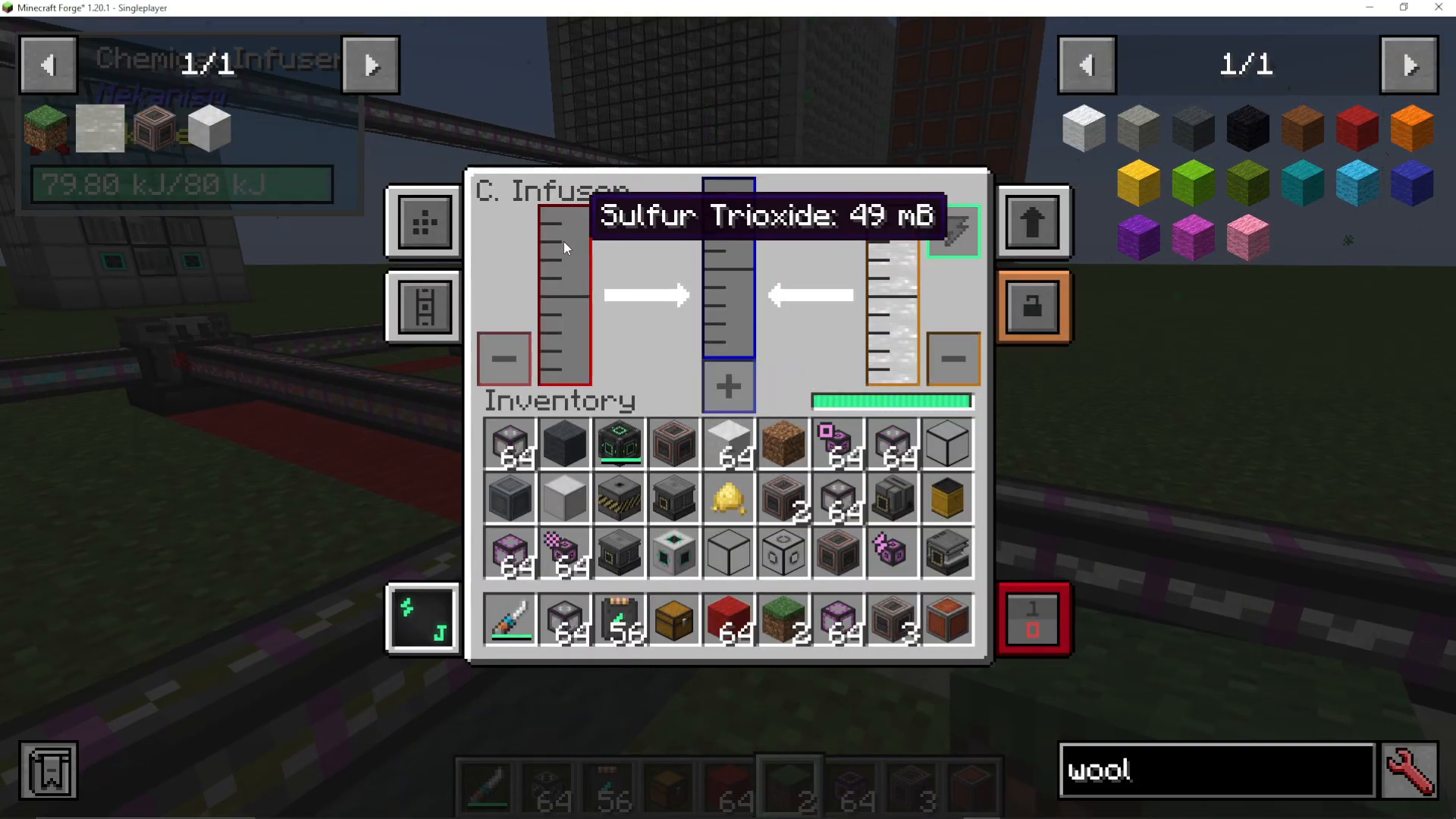
Step 9: Make Sulfuric Acid
Take your sulfur trioxide and put it into a chemical infuser along with the water vapor you just created. This will produce sulfuric acid.
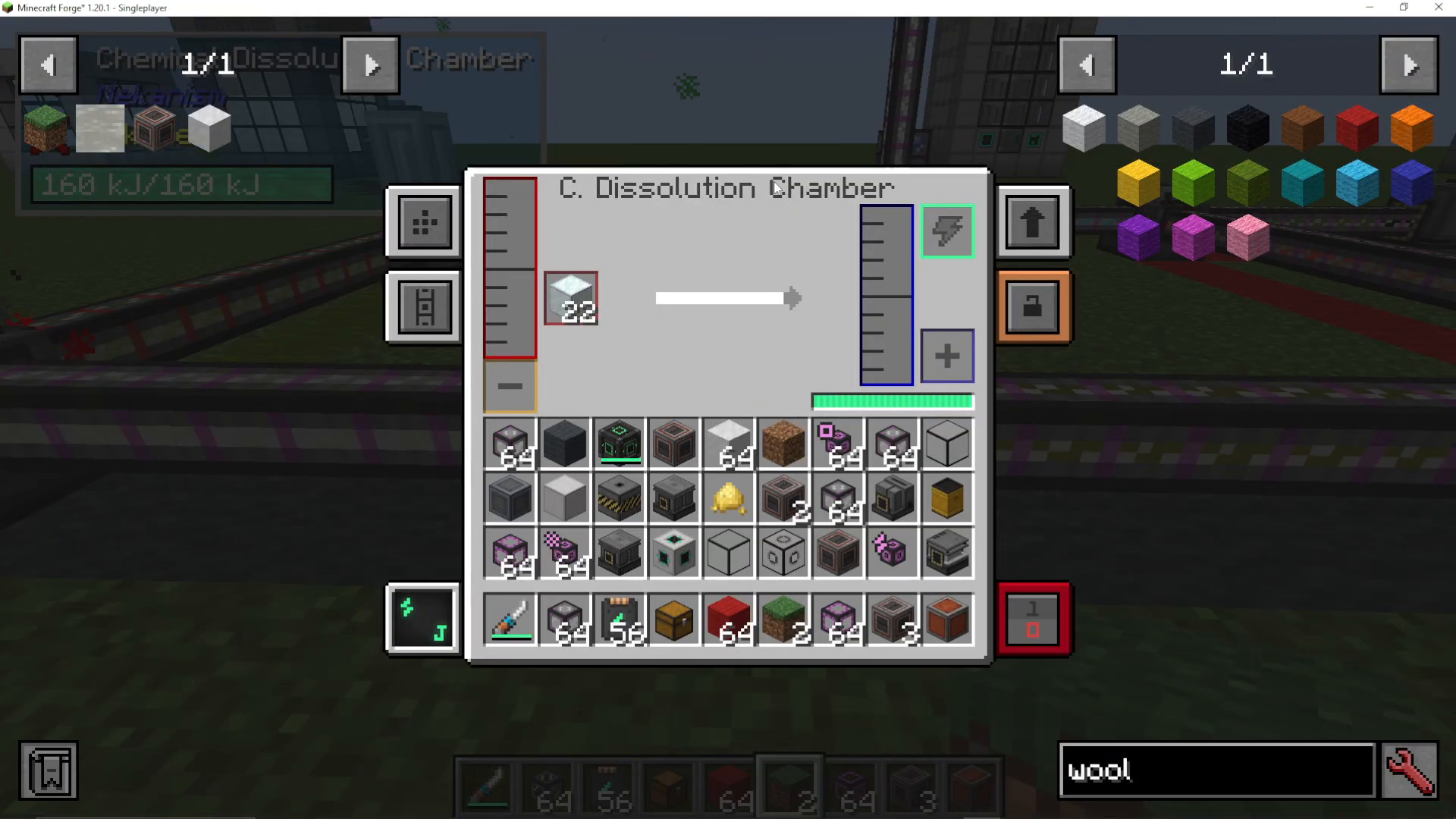
Step 10: Create Hydrofluoric Acid
Pump the sulfuric acid into a chemical dissolution chamber along with fluorite blocks. The sulfuric acid will dissolve the fluorite blocks and produce hydrofluoric acid—the second critical component for your fissile fuel.
Part 3: Combining Everything into Fissile Fuel
Now that you have both uranium oxide and hydrofluoric acid, the final steps are simple.
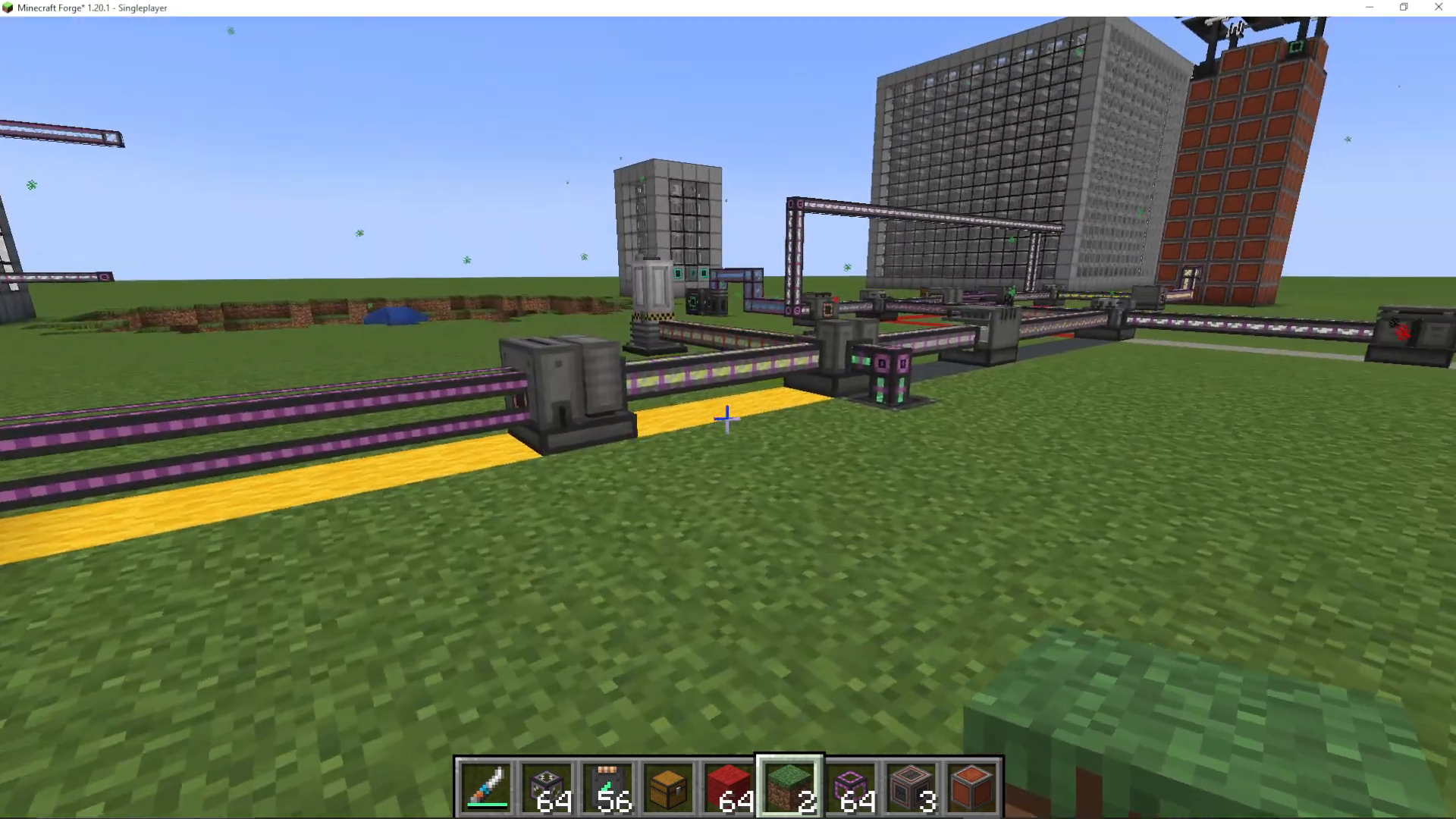
Make Uranium Hexafluoride
Put your hydrofluoric acid and uranium oxide together in a chemical infuser. This will create uranium hexafluoride.
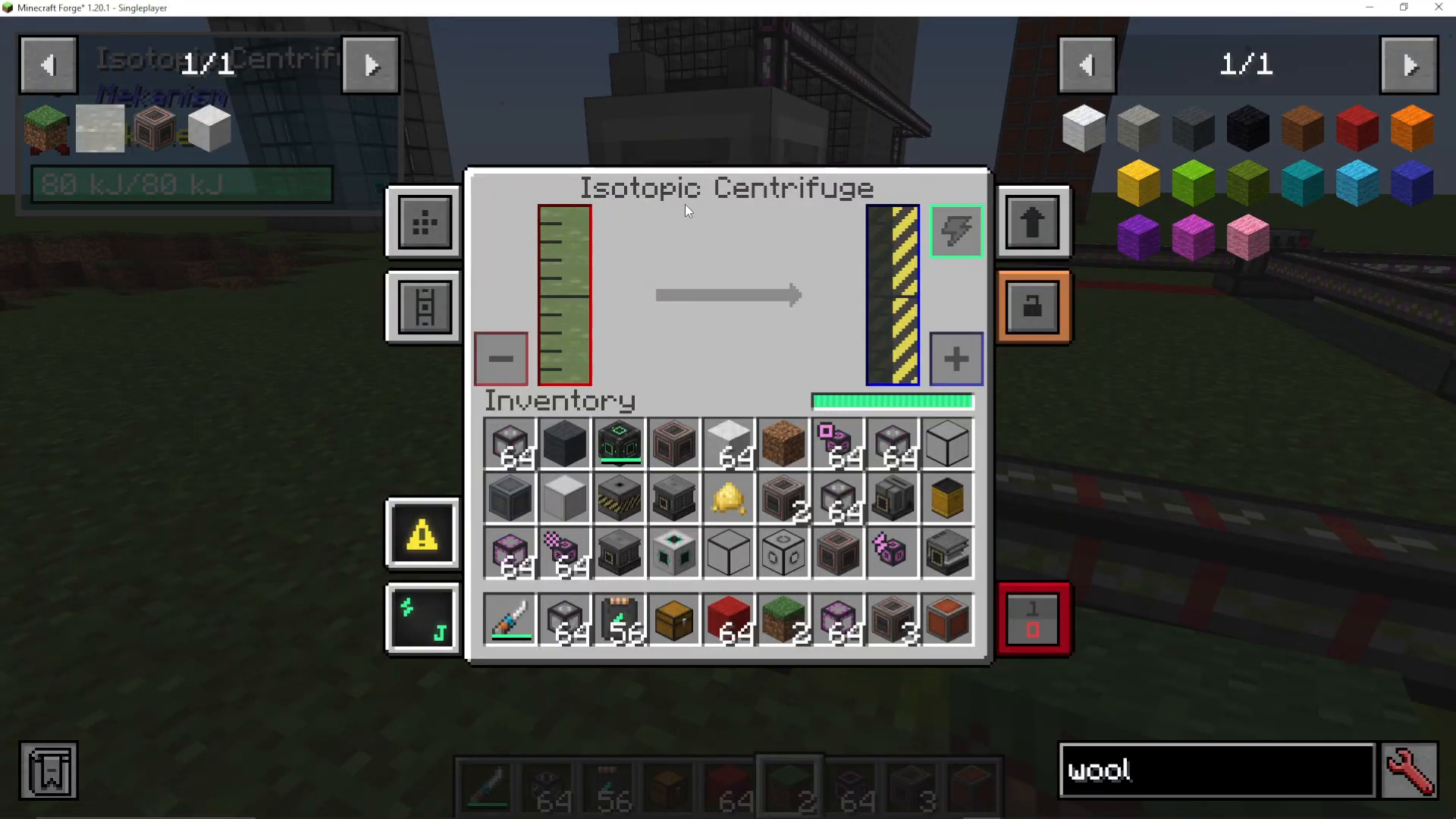
Create Fissile Fuel
Finally, pump the uranium hexafluoride into the isotopic centrifuge. It will convert it into fissile fuel, which you can now use to power your fission reactors.
Complete Process Summary
Here’s a quick recap of the entire fissile fuel production chain:
Uranium Oxide Line (Yellow)
Uranium ingots → Enrichment Chamber → Yellow cake uranium
Yellow cake uranium → Chemical Oxidizer → Uranium oxide
Hydrofluoric Acid Line (Dark Gray, Light Gray, and Red)
Water → Thermal Evaporation Block → Brine
Brine → Electrolytic Separator → Chlorine (+ discard sodium)
Water → Electrolytic Separator → Hydrogen + Oxygen
Chlorine + Hydrogen → Chemical Infuser → Hydrogen Chloride
Hydrogen Chloride + Gunpowder → Chemical Injection Chamber → Sulfur dust
Sulfur → Chemical Oxidizer → Sulfur Dioxide
Sulfur Dioxide + Oxygen → Chemical Infuser → Sulfur Trioxide
Water → Rotary Condenser and Traitor → Water Vapor
Sulfur Trioxide + Water Vapor → Chemical Infuser → Sulfuric Acid
Sulfuric Acid + Fluorite Blocks → Chemical Dissolution Chamber → Hydrofluoric Acid
Final Assembly
Uranium Oxide + Hydrofluoric Acid → Chemical Infuser → Uranium Hexafluoride
Uranium Hexafluoride → Isotopic Centrifuge → Fissile Fuel
Building Tips
This is a complex production chain, so take it one section at a time. Consider building each colored section separately before connecting them all together. You can zoom out on this tutorial and tackle each component one at a time, then bring them all together once you understand how each part works. This approach makes the process much less overwhelming.
If you’re already running 5x ore processing in Mekanism, you may already have some of these intermediate products (like hydrogen chloride and sulfur dioxide) available from that setup. You can integrate those into your fissile fuel line to avoid redundant production.
Next Steps
Once you’ve mastered fissile fuel production, check out the Mekanism playlist in the description for guides on fission reactors, turbine reactors, and fusion reactors. With fissile fuel in hand, you’ll be ready to power your reactors and take your Mekanism setup to the next level.
Want to Support?
If you would like to help us continue making these guides – please consider joining our patreon here – https://www.patreon.com/c/JaviHeals
Alternatively – we host a group of MC Servers you can join here – https://discord.gg/zD7Gjt6MHF