




Gregtech CEu Steam Age Quick Progression Guide
GregTech CEu Steam Age Quick Progression Guide
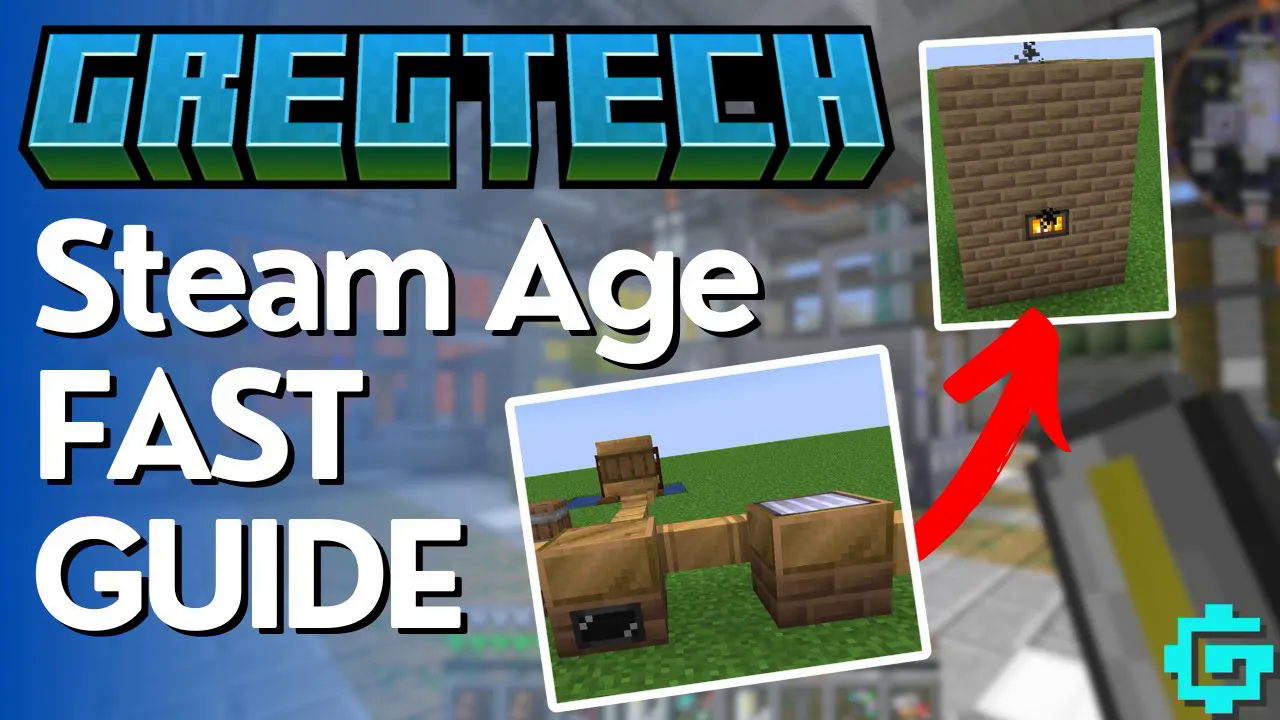
This guide provides a quick overview of the Steam Age in GregTech Community Edition. This tutorial was filmed on Minecraft 1.20/1.21, but the information applies to all versions of GregTech Community Edition. If you need more detailed instruction, a comprehensive guide is available that covers the Steam Age in significantly greater depth. This quick version is designed for players already familiar with modding who want to progress through the Steam Age efficiently.
Getting Started: Essential Tools
The first thing you need to do in GregTech is craft some essential tools. While these can be made from various materials, iron is recommended for beginners. You’ll need the following tools:
Iron hammer
Iron wrench
Iron soft mallet (rubber soft mallet available later)
Iron screwdriver
Iron file
Iron saw
Iron wire cutter
These tools are essential for crafting and manipulating machines throughout the Steam Age.
Creating Your First Steam System
Setting Up Water Storage
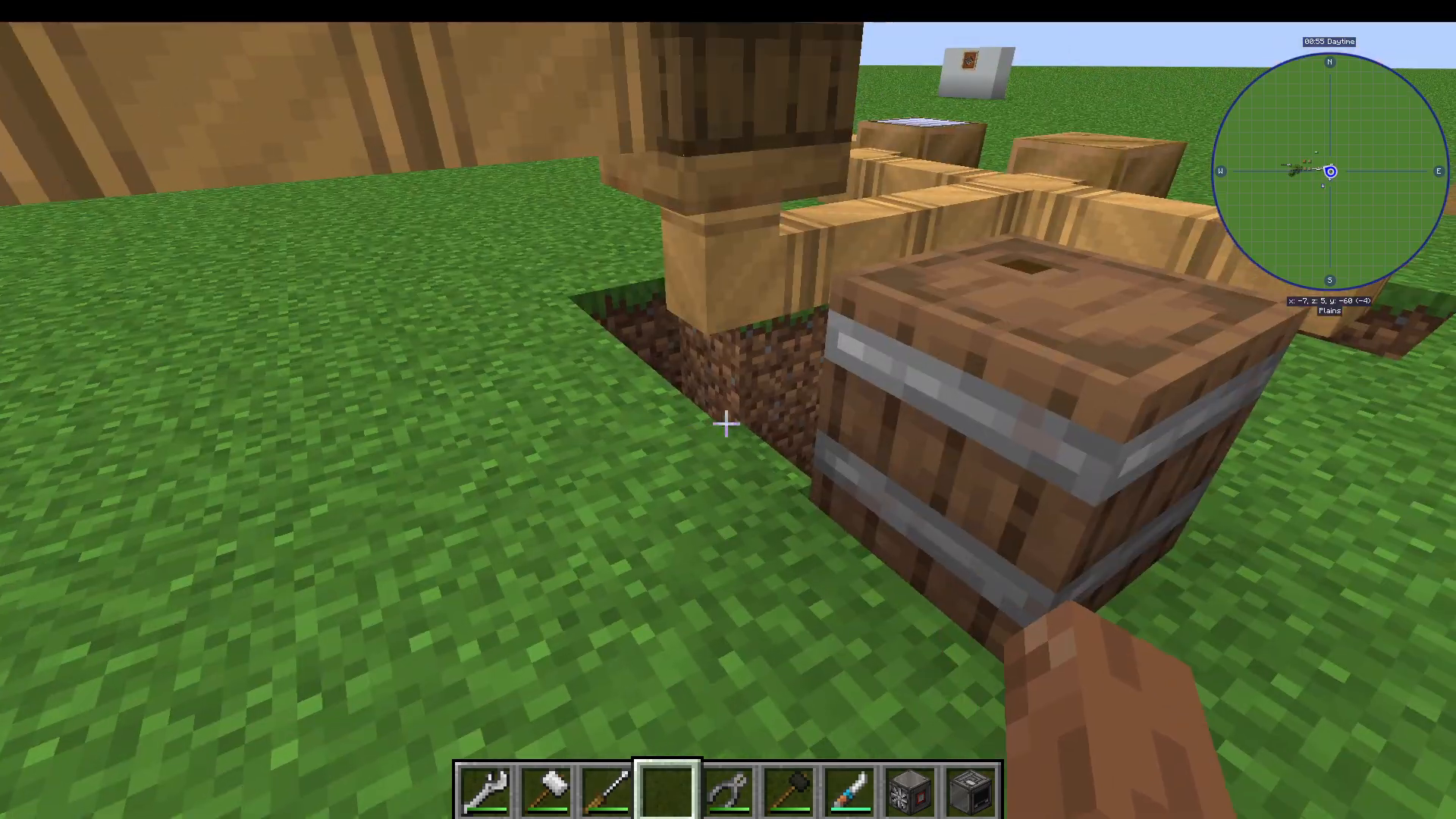
To begin Steam Age progression, you need to create steam. Start by crafting either a wooden barrel or a bronze drum. To make a bronze drum, you’ll need to craft bronze using copper and tin ingots combined in a crafting table.
Once you have your drum, fill it with water. You can use a pump system, but if one isn’t available yet, simply right-click the bottom of the drum and it will display “drain fluid downward.” Place fluid pipes below it, and the water will flow out into your piping system.
Building the Steam Boiler
Direct your water into a Low-Pressure Steam Liquid Boiler or Solid Boiler. To operate the boiler:
Input water into the boiler first
Add coal as fuel to heat the machine
Once the boiler reaches a certain temperature, it will begin converting water into steam
Critical: Never add water after the machine has begun heating, as this will cause an explosion. Always ensure a constant water supply before ignition.
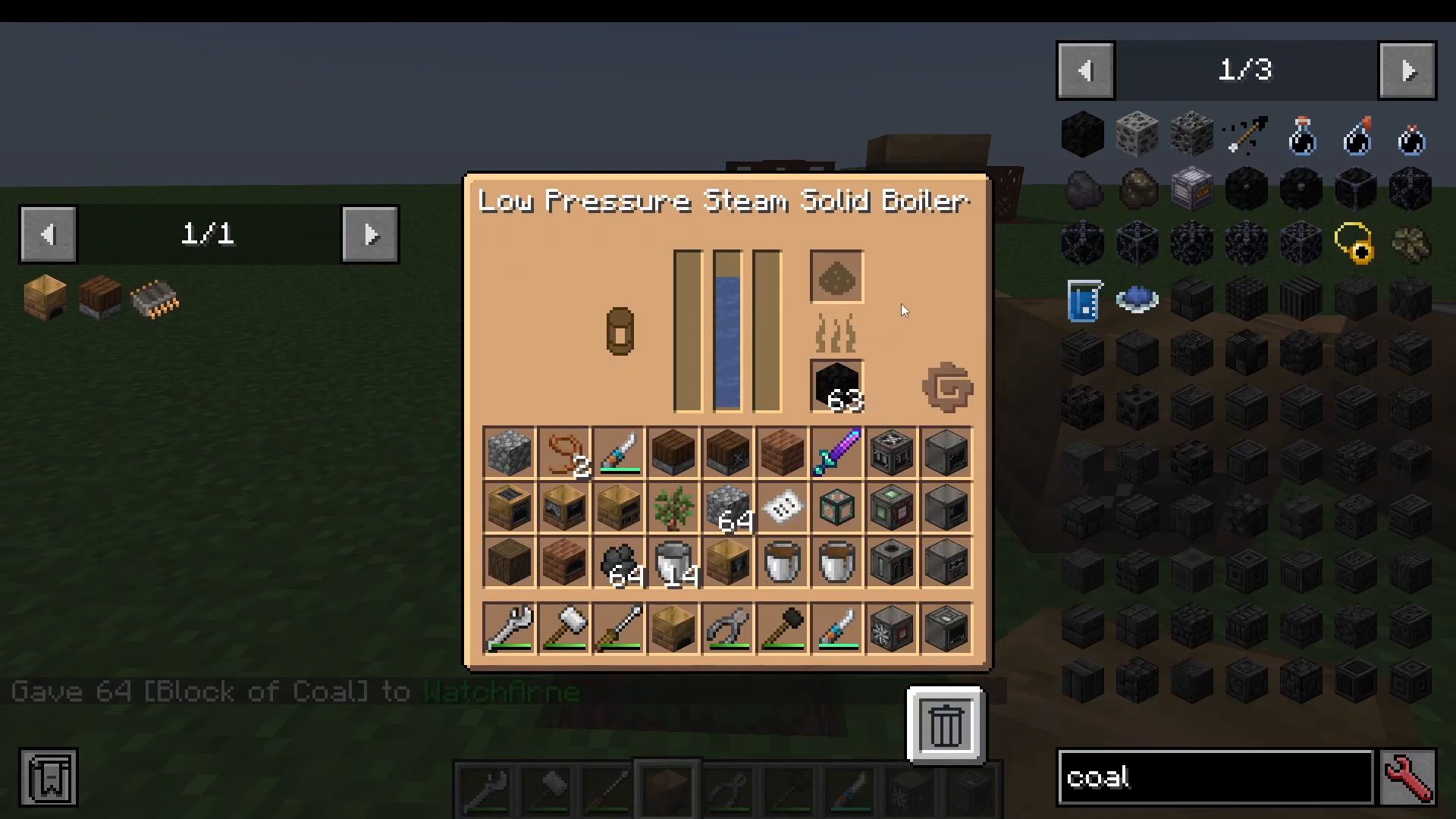
Alternative boiler options include:
Fluid Boiler: Uses lava as fuel instead of coal
Solar Boiler: Uses solar power to heat water into steam
Place an output pipe on a different side of the boiler to automatically export steam. The steam will flow into your connected piping network.
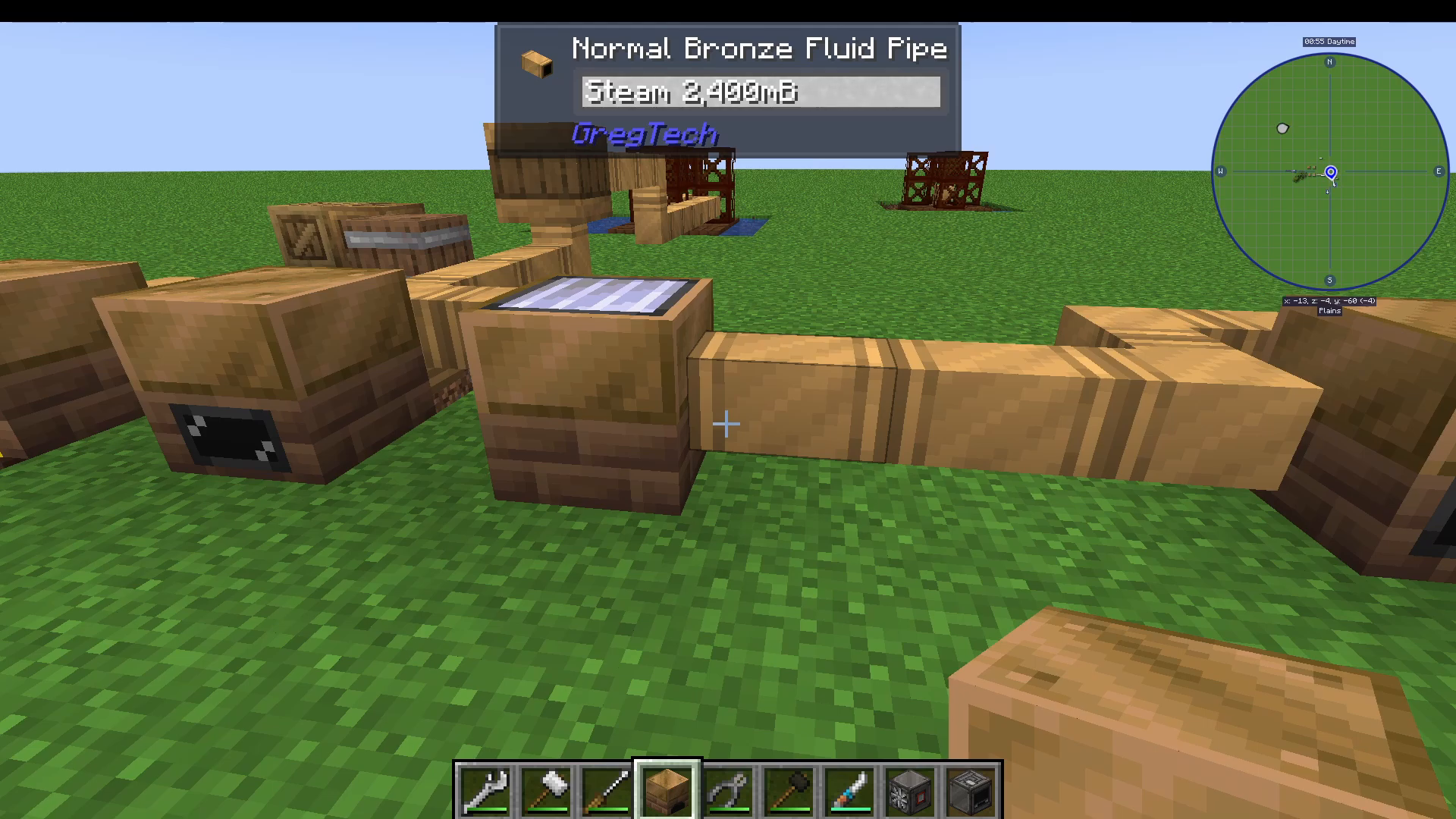
Steam-Powered Machines
Once you have steam generation working, you can power various Steam Age machines:
Steam Forge Hammer: For smithing work
Steam Furnace: For smelting
Rock Crusher: Duplicates items by combining lava and water
Steam Macerator: Grinds materials
Steam Compressor: Compresses items
Steam Alloy Smelter: Creates alloys
Steam Extractor: Extracts materials
Critical: Preventing Machine Clogs
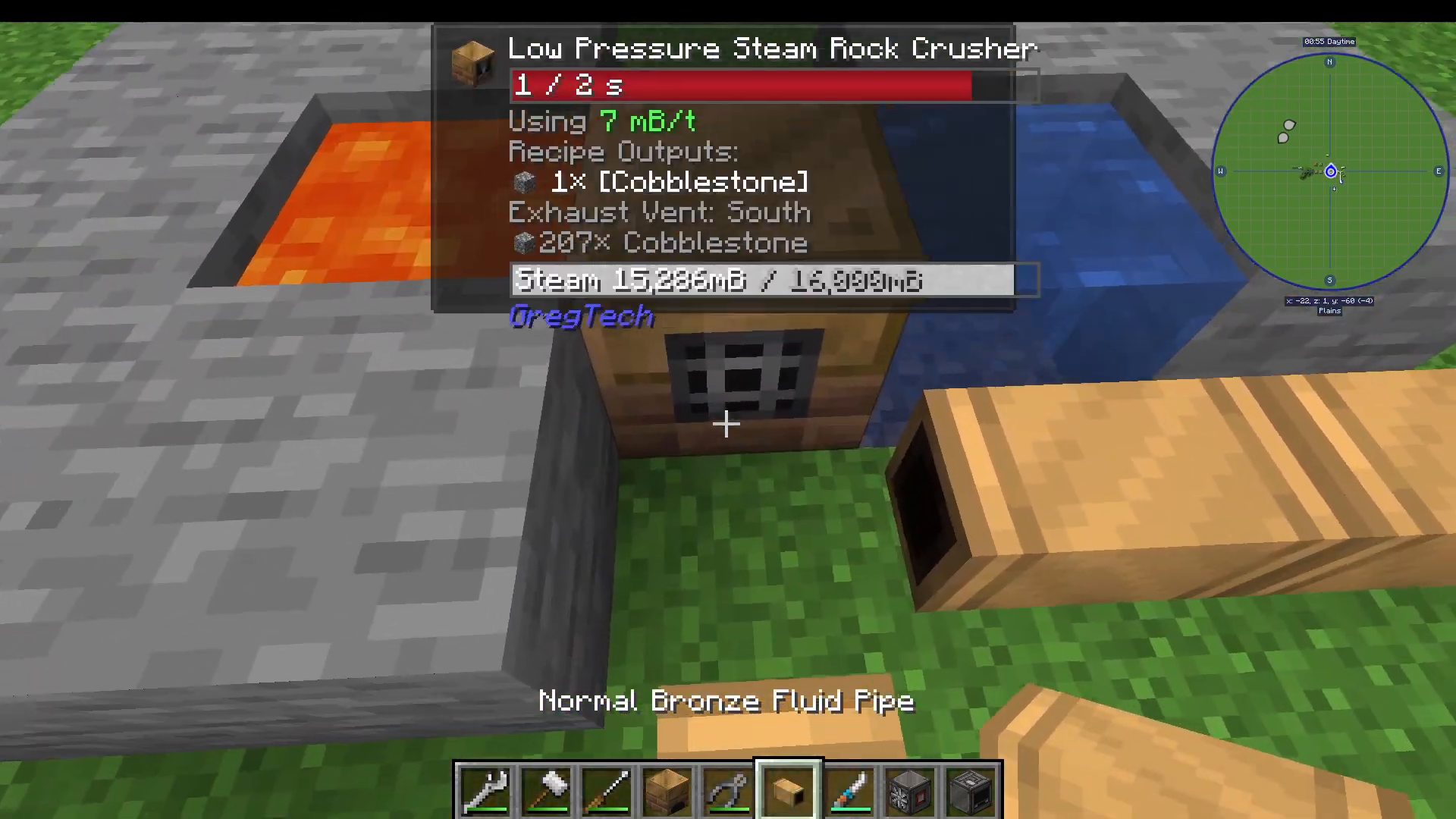
Steam machines will become clogged if you do not properly vent the steam. Using your wrench, right-click the machine and add a steam vent to the top. If you place the pipe on the back (where steam vents are default-located), the machine will clog and cease functioning.
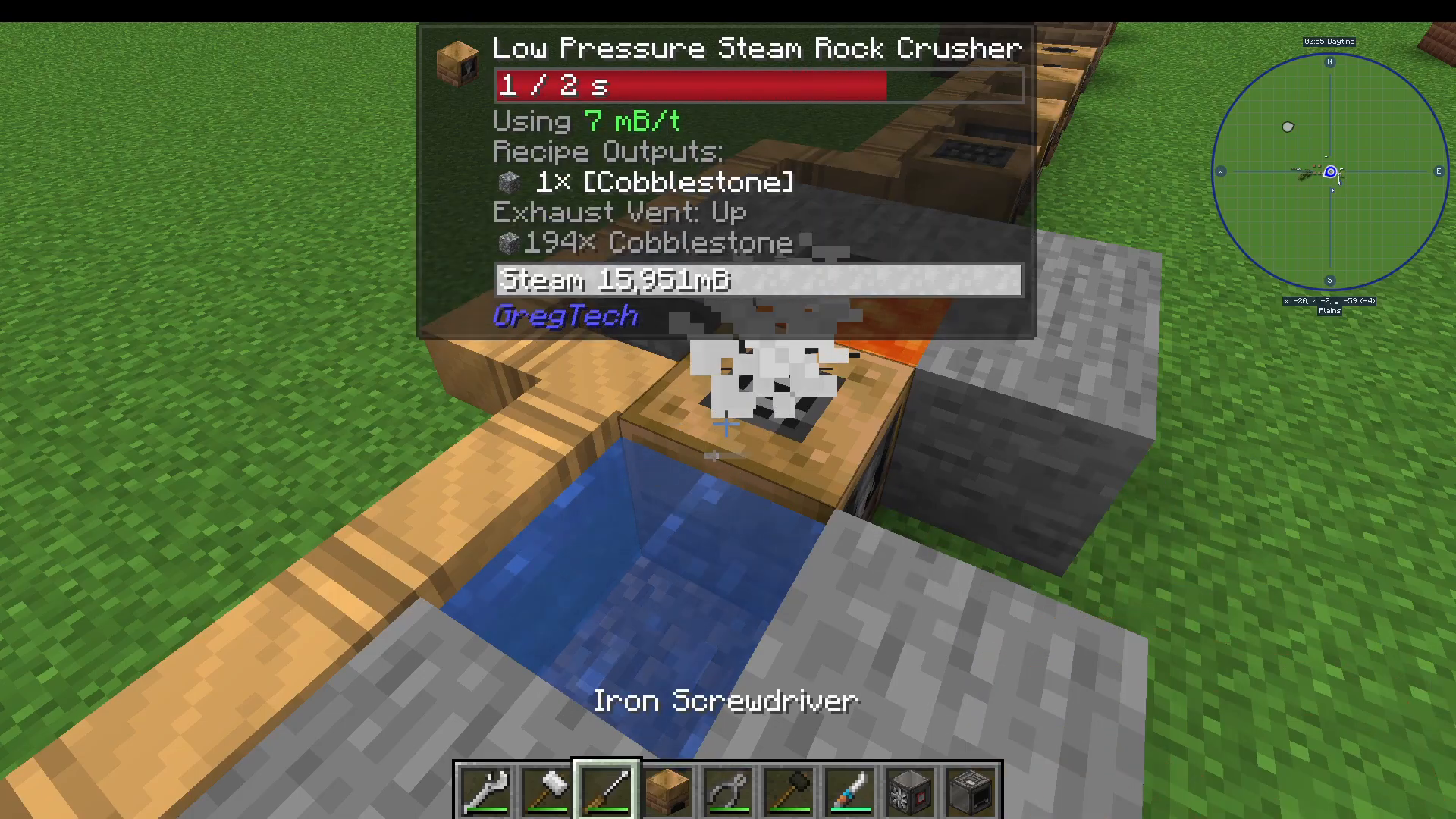
Pipe Connection Tips: When placing fluid pipes, you can control attachment by the placement location:
Placing the pipe in the center attaches it to the middle
Placing it to the side attaches it to that side
Use the wrench to manually connect or disconnect pipes as needed
Advanced Steam Age Structures
Building the Blast Furnace
The Blast Furnace is a multi-block structure essential for Steel production. Construction requires:
Fire bricks arranged in a 3x3x3 formation
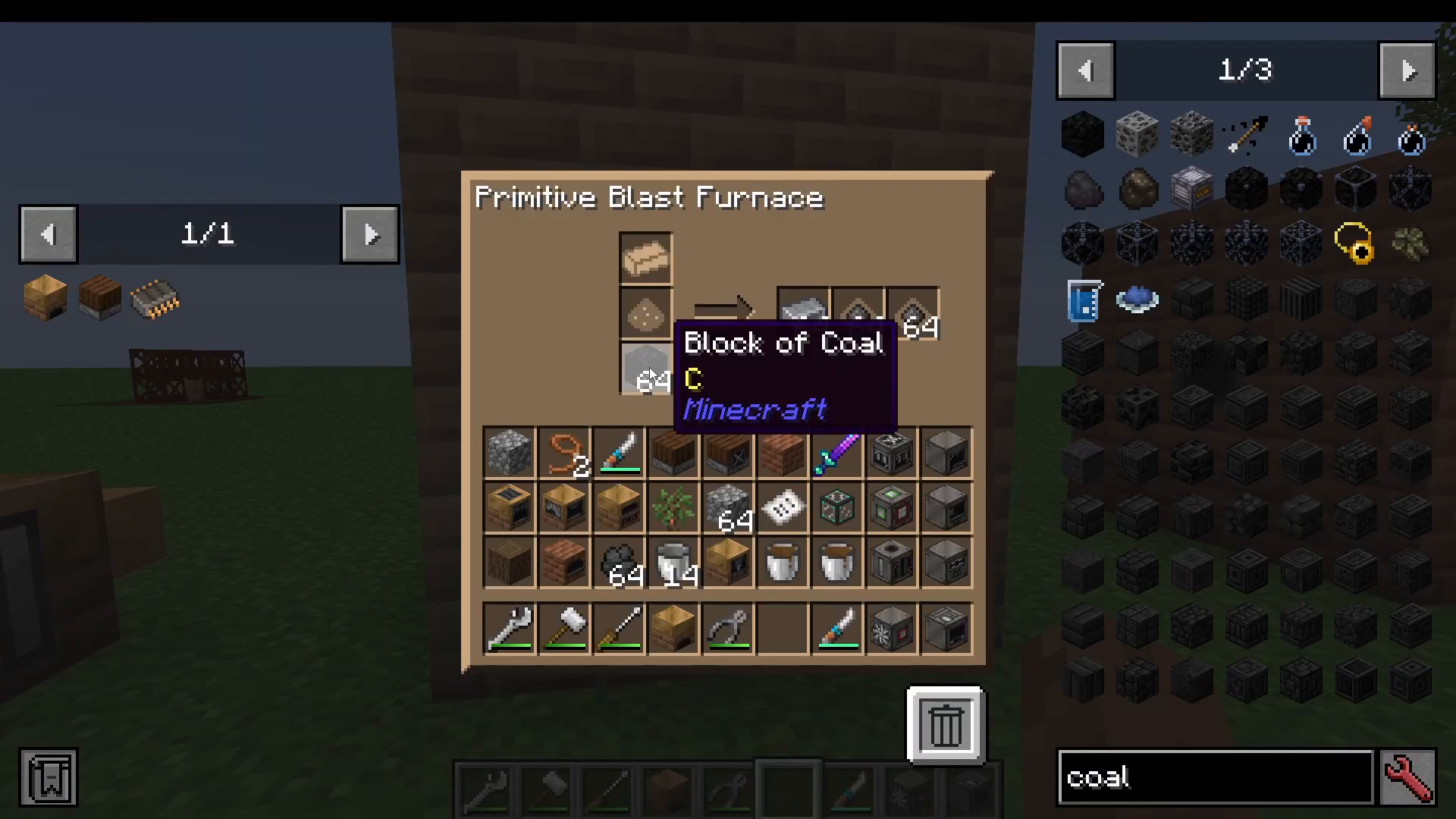
A Primitive Blast Furnace in the center
The interior must remain completely empty except for the center block
To use the Blast Furnace:
Right-click to open the interface
Add coal to the bottom slot (fuel)
Add coal to the middle slot (ingredient)
Add iron ingots to the top slot
The machine will convert iron into steel
The Coke Oven
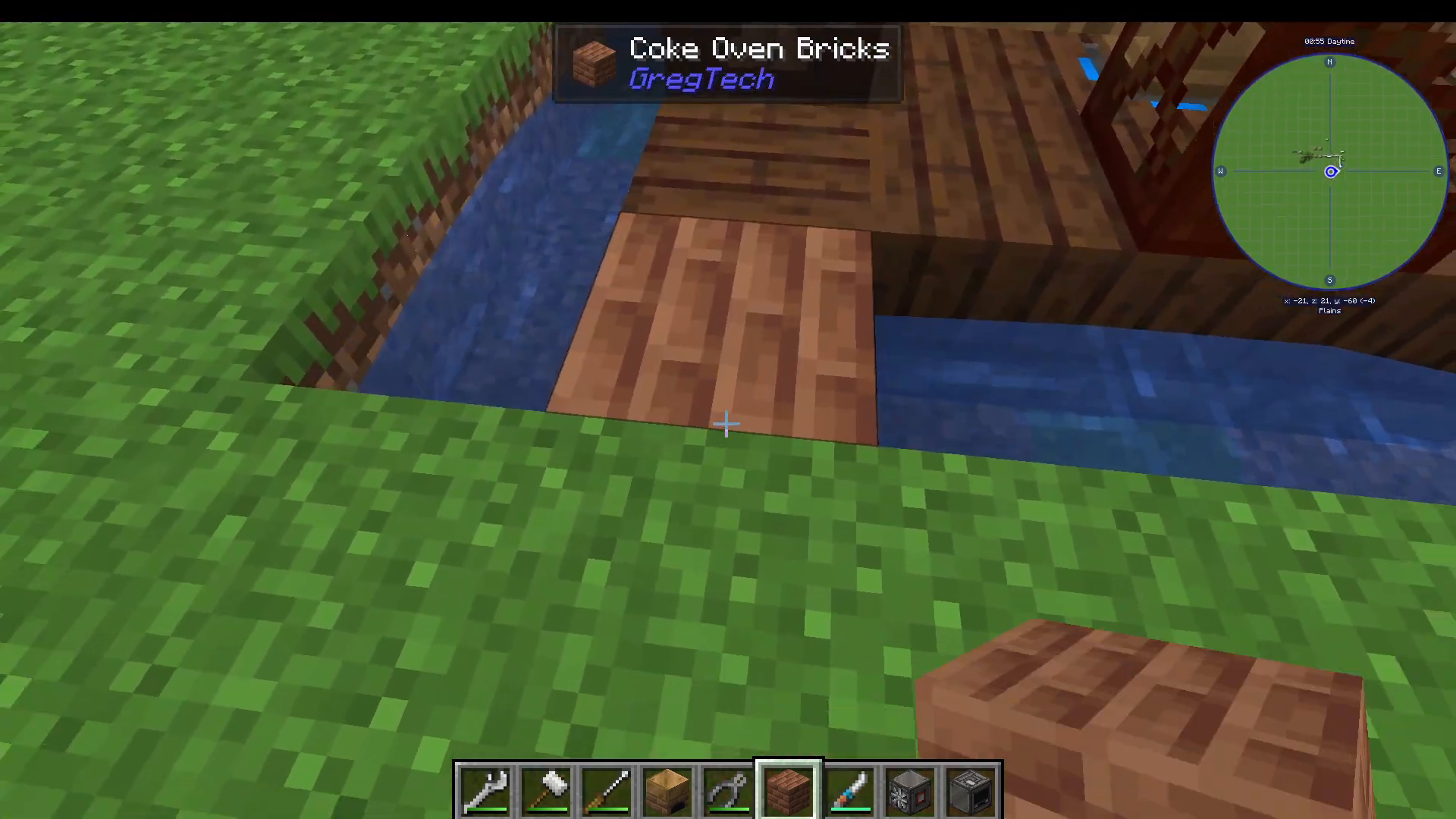
The Coke Oven transforms coal into valuable resources. Inside the oven, coal converts into Coke and Creosote oil. Unlike the Blast Furnace, the Coke Oven should be fully covered on top with the middle block filled (floor and ceiling only).
You can extract Creosote by using a bucket and left-clicking the machine. Creosote is used to create Treated Wood Planks and other wood-based components.
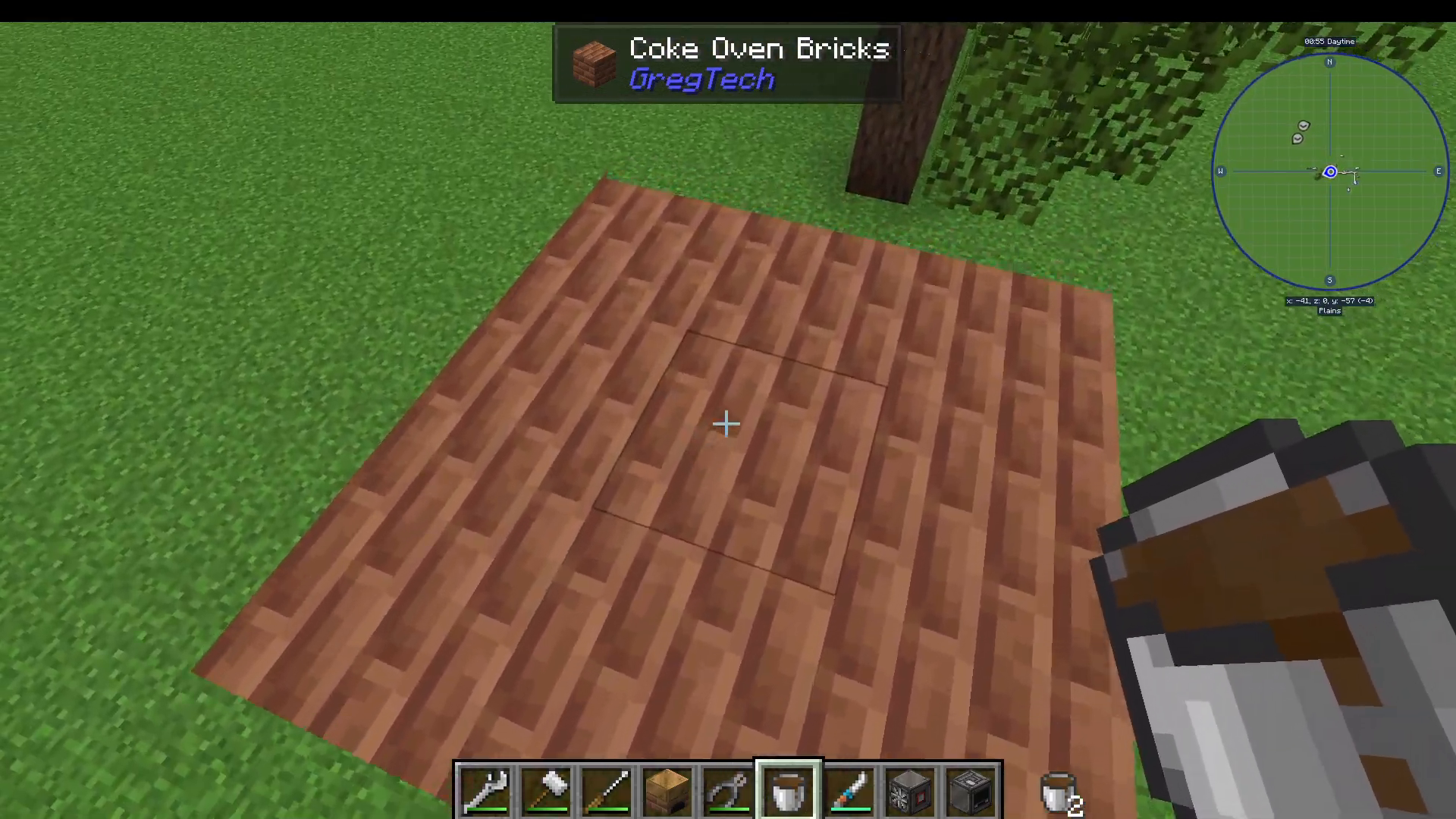
To input and output from the Coke Oven more efficiently, craft a Coke Oven Hatch for automated resource management.
Creating an Infinite Water Source
Once you have Creosote, you can craft Treated Wood Frames and begin building a Primitive Pump system. This creates an infinite water source:
Place the Primitive Pump with water next to it (not inside)
Arrange Pump Decks in a 4×3 formation around the pump (leaving out the pump’s space)
Place a Pump Hatch inside the structure
Frame the entire structure with Treated Wood Frames
The Pump Hatch will automatically push water out through connected pipes, creating a renewable water supply for your steam system.
Materials and Circuits
Rubber Production
Rubber is essential for progressing to electronic circuits. You can obtain rubber through:
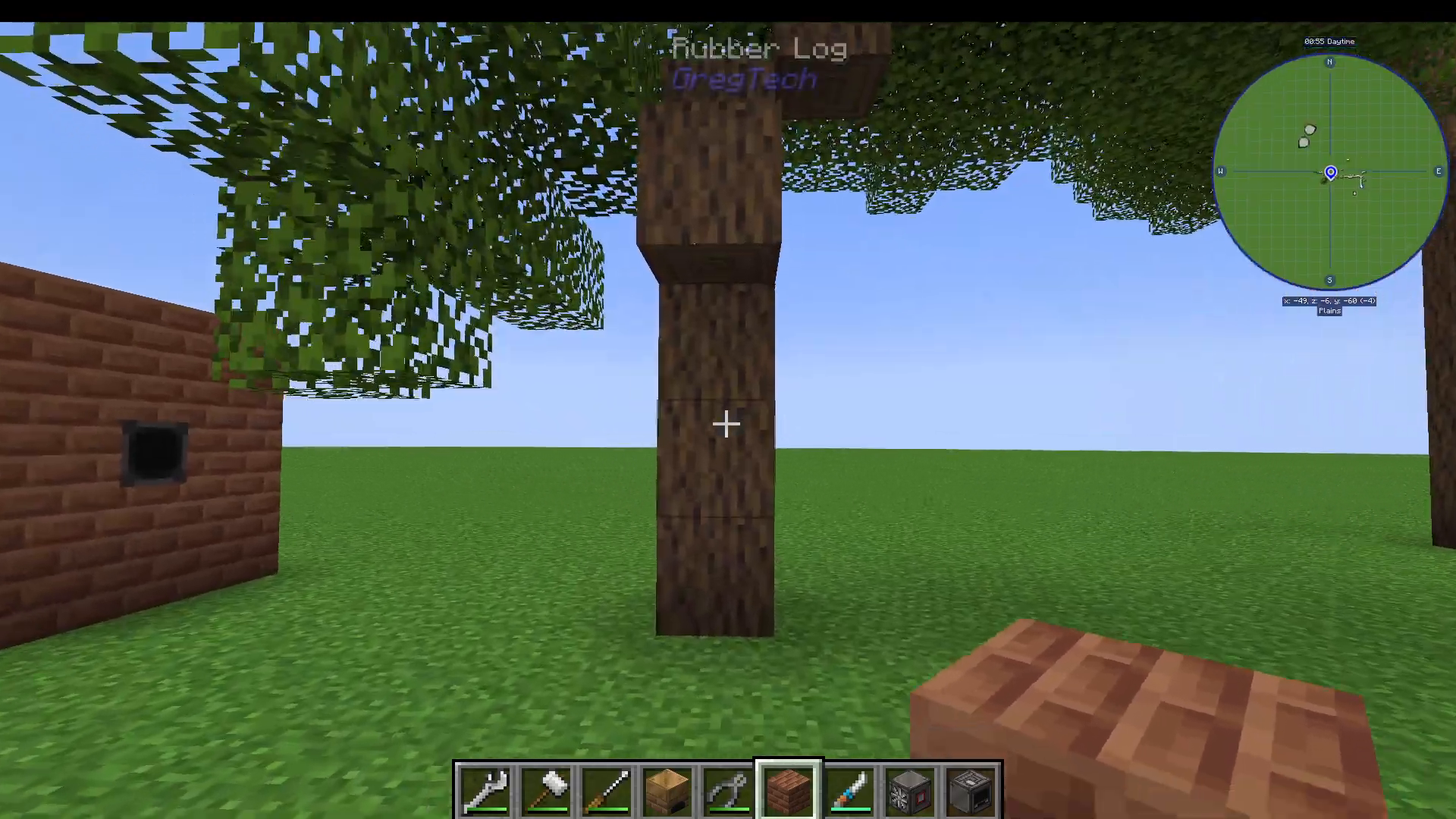
Rubber Trees: Found in Taiga biomes; break with an axe to collect Sticky Resin
Smelting: Smelt slime balls to produce rubber
To convert raw materials into rubber ingots:
Extract raw rubber pulp from resin using the Systemic Extractor
Mine sulfur dust from underground ore veins
Combine in the appropriate machines to create rubber ingots
Basic Electronic Circuits
Basic Electronic Circuits require the following components:
Resistors
Vacuum Tubes
Resin Printed Circuit Boards
Each component has specific crafting requirements detailed in the JEI mod interface.
Essential Component Crafting
Glass Tubes (for Vacuum Tubes)
To create glass tubes:
Hammer glass blocks with your iron hammer to create glass dust
Use the Alloy Smelter with a casting mold (ball variant)
Combine glass dust with the ball-shaped mold to create glass tubes
Creating Casting Molds: Casting molds are crafted by combining a blank mold with different tools in the crafting grid. Create a ball-shaped mold for glass production.
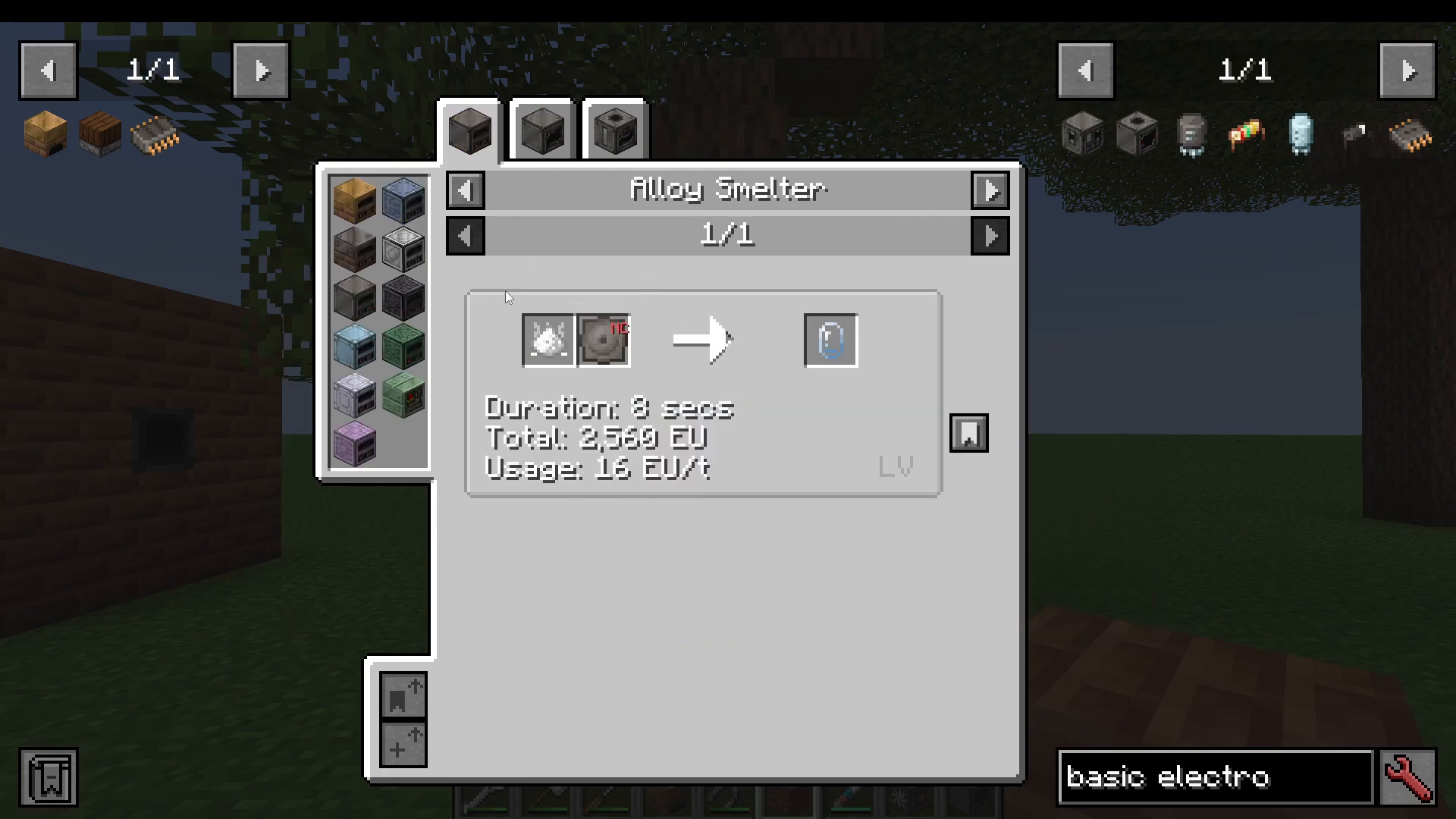
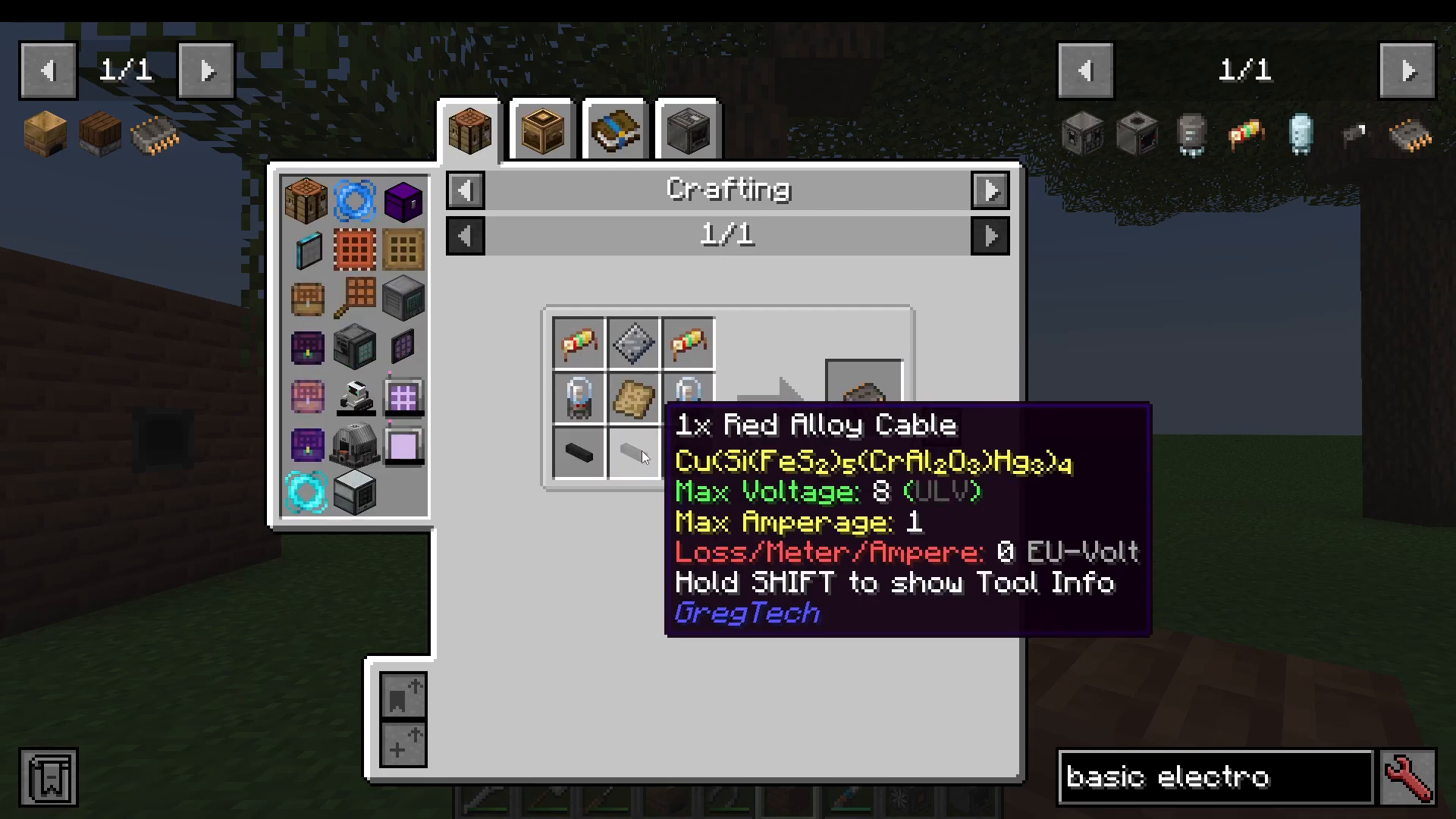
Red Alloy Components
Red Alloy is made by combining copper and redstone in the Alloy Smelter (4 redstone + 1 copper = red alloy ingots).
To create Red Alloy Cable:
Craft red alloy wire using your iron wire cutters
Combine red alloy plates with the wire cutters
This creates red alloy cable for your circuits
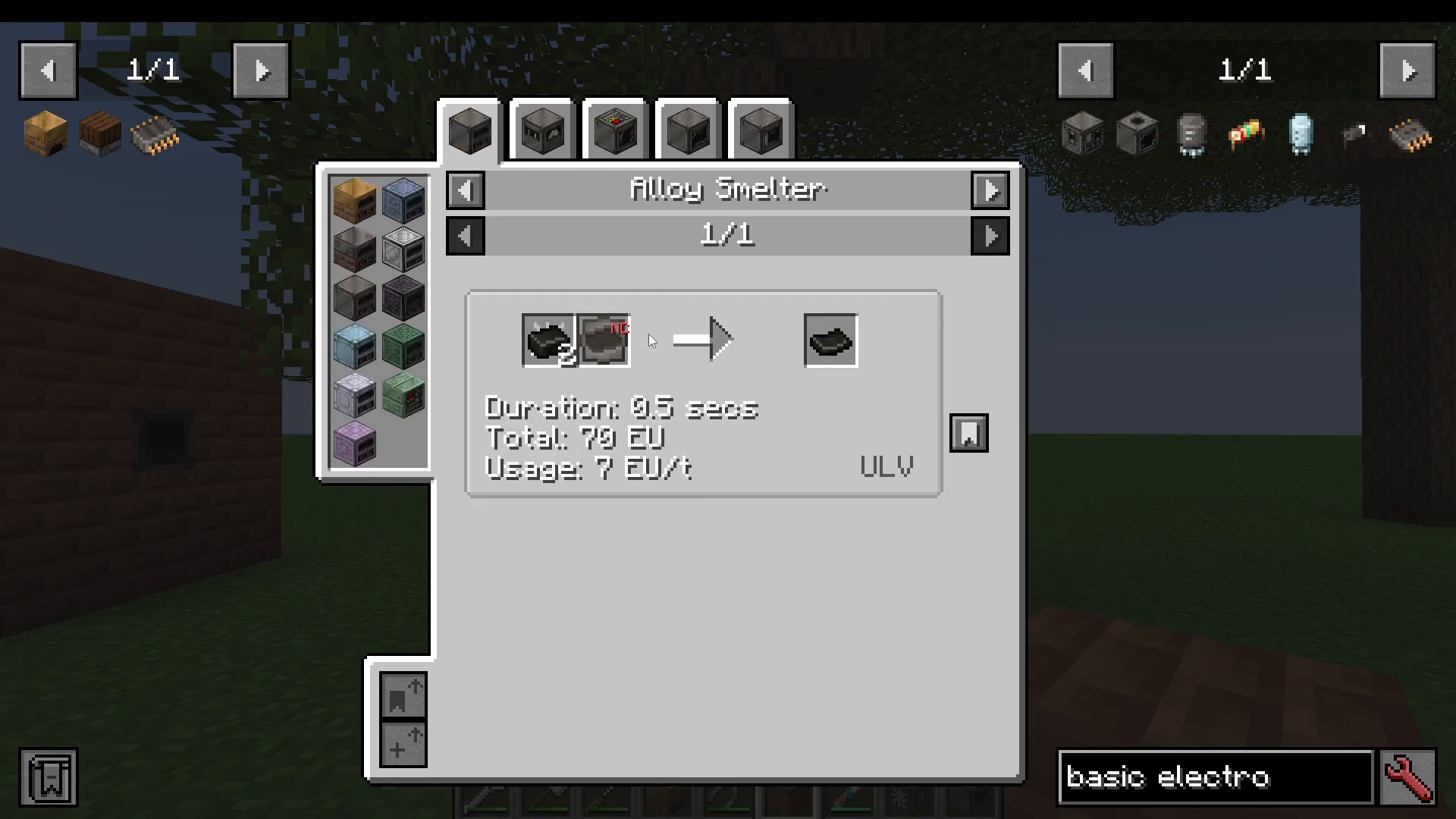
Rubber Sheets
Rubber sheets are created using:
Two rubber ingots
A casting mold (plate variant)
The Alloy Smelter
Rubber ingots are made from raw rubber pulp extracted from resin and sulfur dust found in underground ore veins.
Understanding GregTech Ore Veins
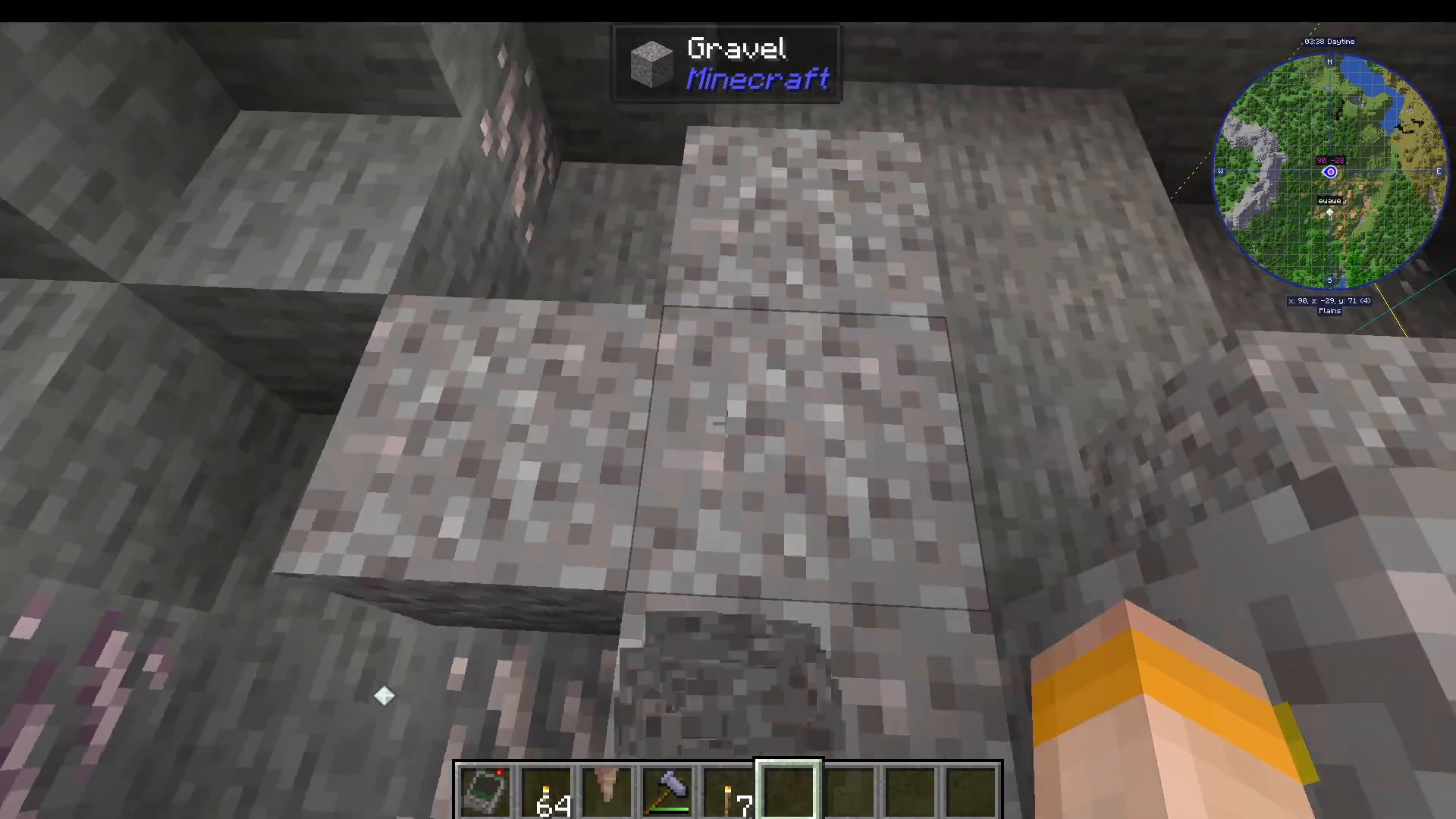
GregTech ore veins work very differently from standard Minecraft ore distribution. To locate veins efficiently:
Press and hold F3, then press G to display chunk borders (Godfather mode)
Navigate to the middle of a chunk
Dig downward to find GregTech ore veins
Ore veins spawn every few chunks in a specific pattern. Once you find one vein, you can predict the locations of others by counting chunks in each direction.
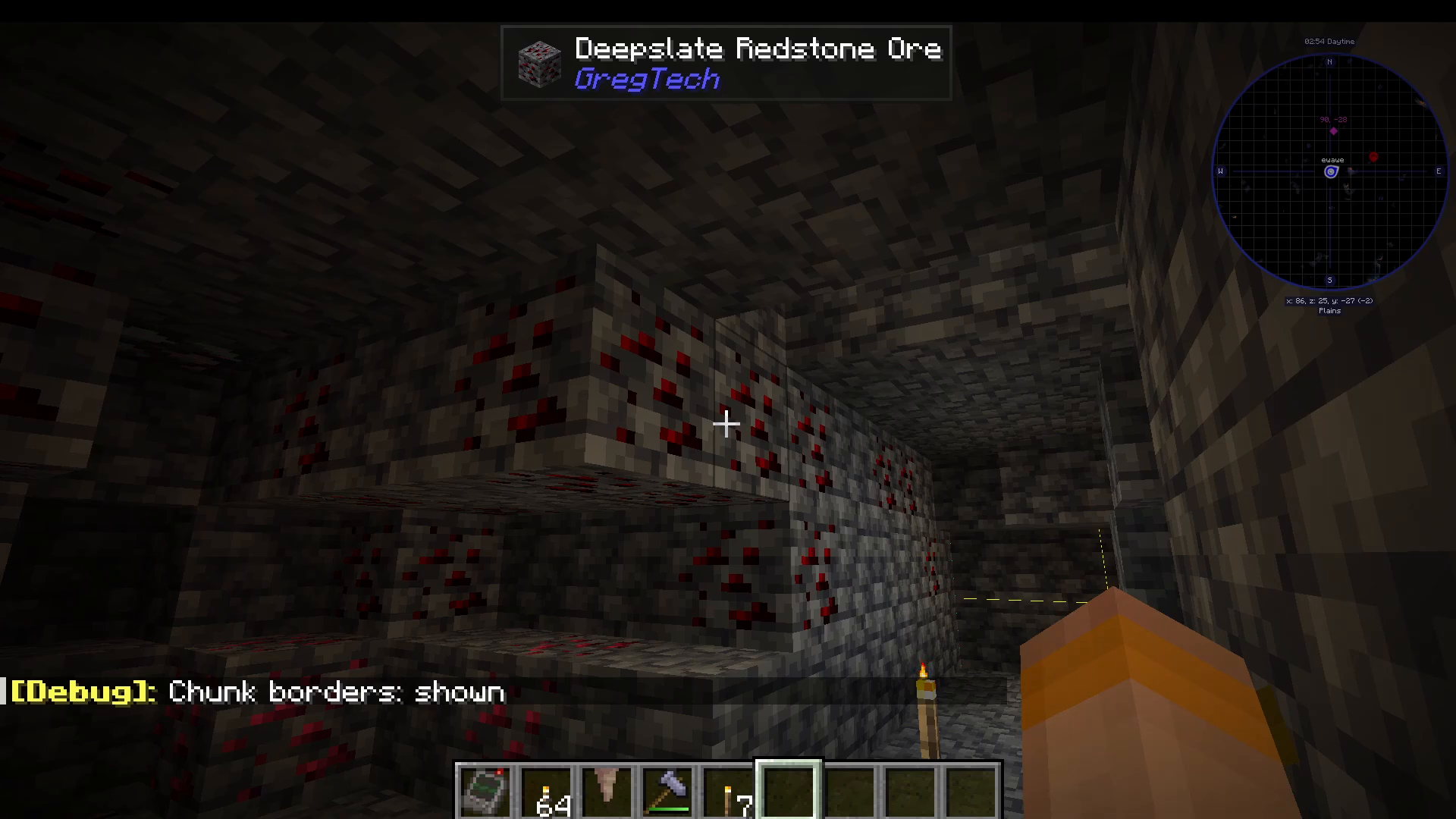
Different ore veins contain different materials. Keep exploring until you locate the specific ores you need for your progression. In GregTech Community Edition (unlike New Horizons), this chunk-based exploration is the primary method for ore discovery during the Steam Age.
Next Steps: Toward Basic Electronic Circuits
At this point, you have the foundational knowledge to progress toward crafting your first Basic Electronic Circuit. This achievement marks your transition from early Steam Age toward Low Voltage tier machines.
The components you’ve learned to create—glass tubes, red alloy cables, rubber sheets, and circuit boards—combine to form the circuits that power the next phase of GregTech progression.
Summary
This quick progression guide has covered the essential Steam Age mechanics in GregTech Community Edition: creating initial tools, setting up steam generation, building key multi-block structures, and crafting the components necessary for basic electronic circuits. While this guide provides the core pathway, many deeper mechanics and optimization strategies exist in the comprehensive full guide.
If you found this quick version helpful, please comment below. For players who want exhaustive detail on Steam Age mechanics, component crafting chains, and optimization strategies, the full guide (approximately 35 minutes of content) is available and linked in the description.
— Want to Support? —
If you would like to help us continue making these guides – please consider joining our patreon here – https://www.patreon.com/c/JaviHeals
Alternatively – we host a group of MC Servers you can join here – https://discord.gg/zD7Gjt6MHF