


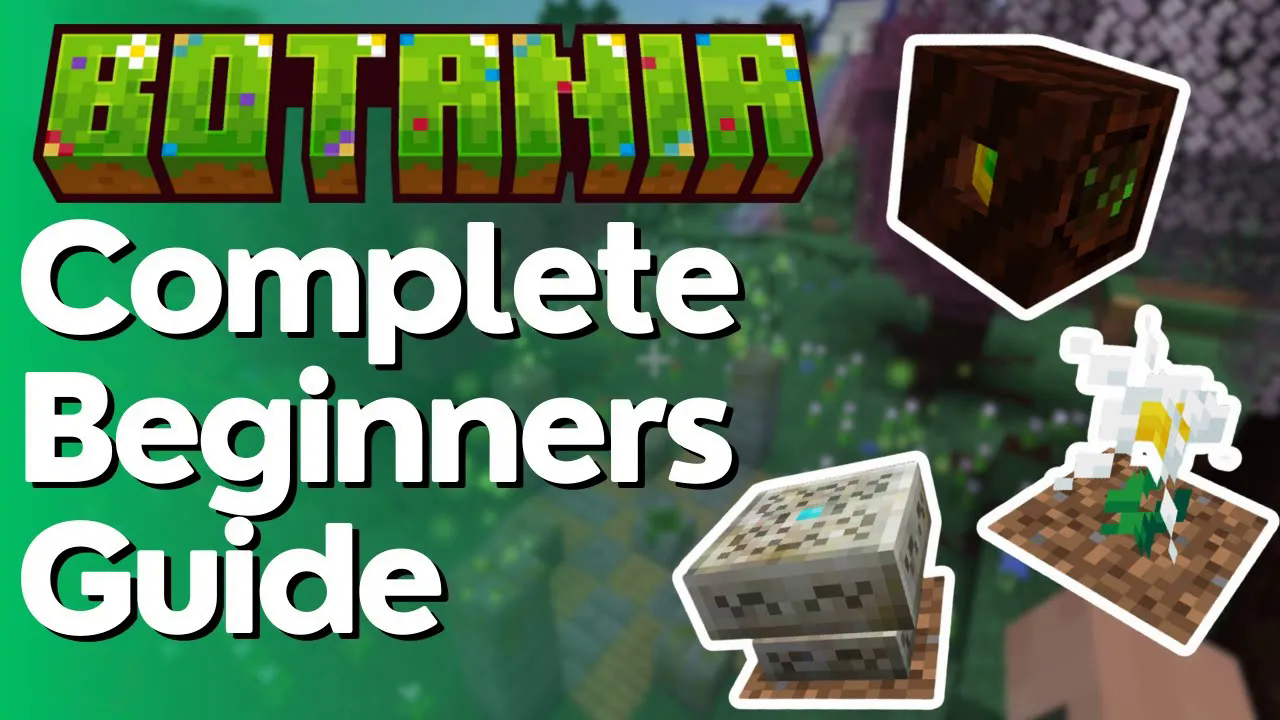
Botania Complete Beginners Guide
Botania Complete Beginners Guide
Welcome to the Ultimate Beginners Guide to Botania! In this comprehensive tutorial, we’ll walk you through everything you need to know to get started with Botania—the magically infused tech mod. Whether you’re completely new to the mod or looking to brush up on the basics, this guide will teach you how to progress from collecting flowers to generating mana and crafting advanced items.
What is Botania?
Botania is known as both a magic and tech mod, though it’s best described as a magically infused tech mod. The mod revolves around generating and utilizing mana—the core resource that powers almost everything in Botania.
Getting Started: The Lexica Botania
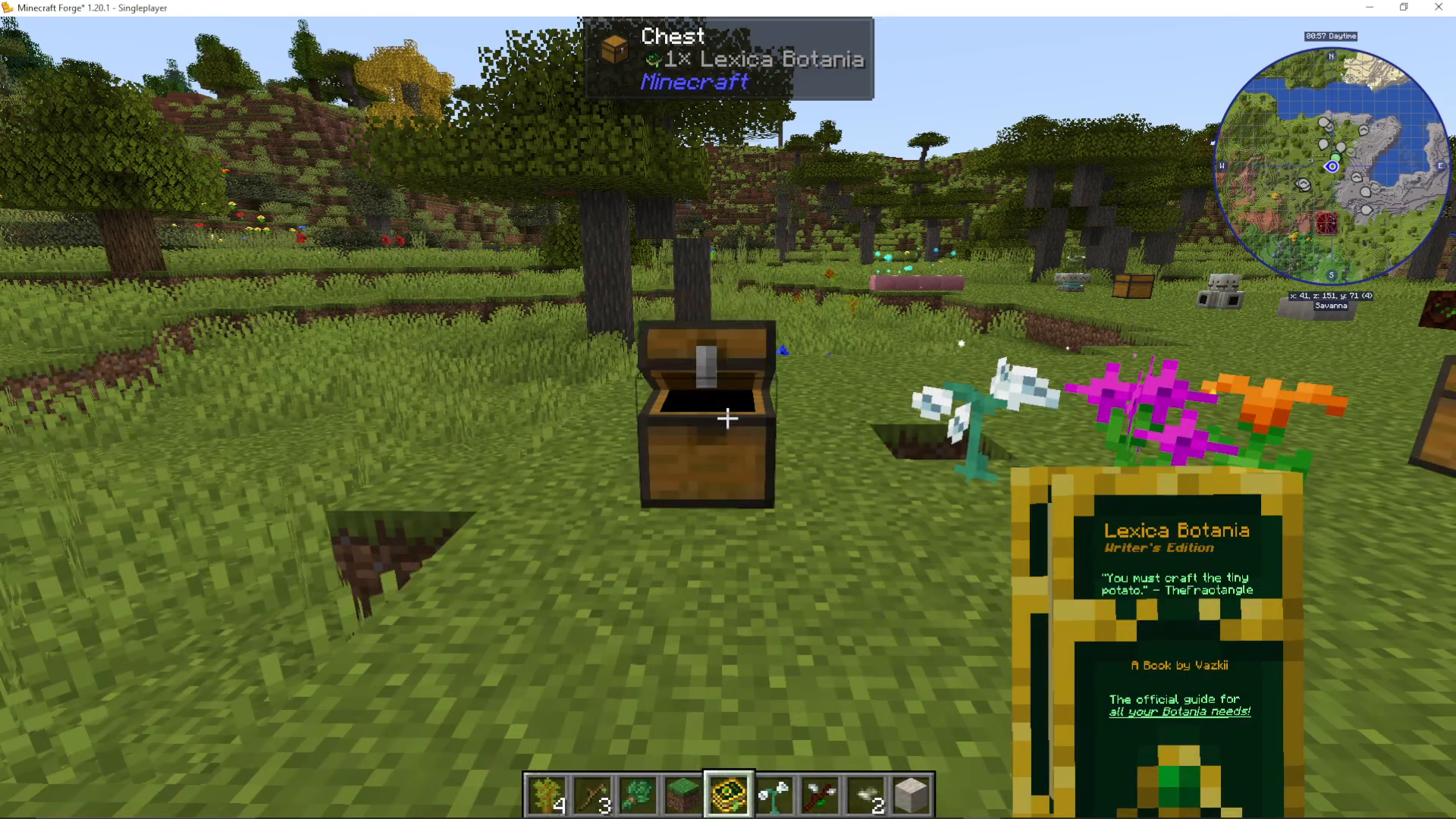
The first thing you’ll want to do is craft the Lexica Botania, which serves as your comprehensive guide book for the mod. To craft it, you’ll need a book and a Mystical White Sapling, combined together at a crafting table. This will create the Lexica Botania.
If you’re playing in creative mode, you can also obtain the Writers Edition directly from JEI, which contains all the completed information in the book.
Flower Collection and Processing
Finding Flowers
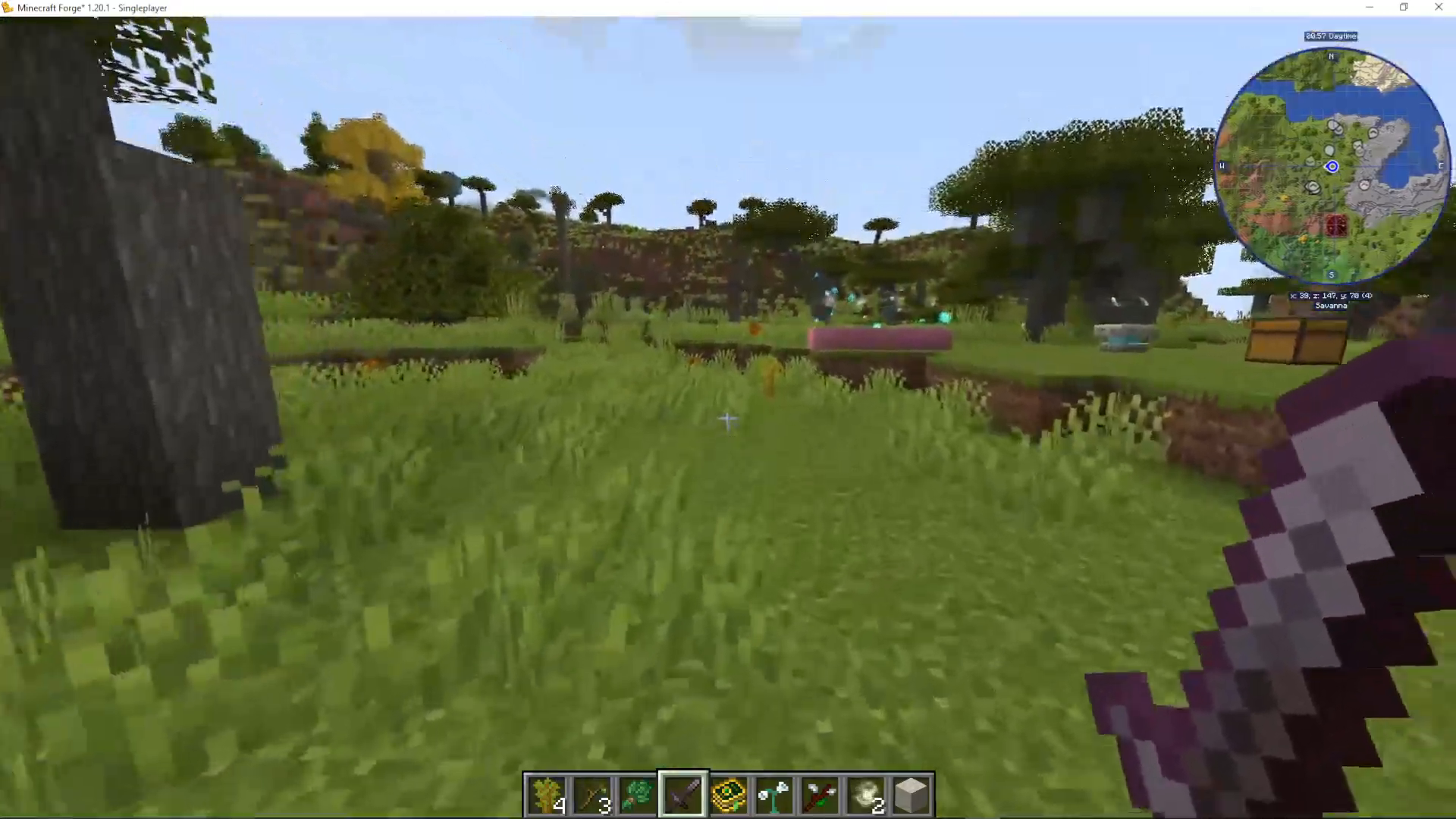
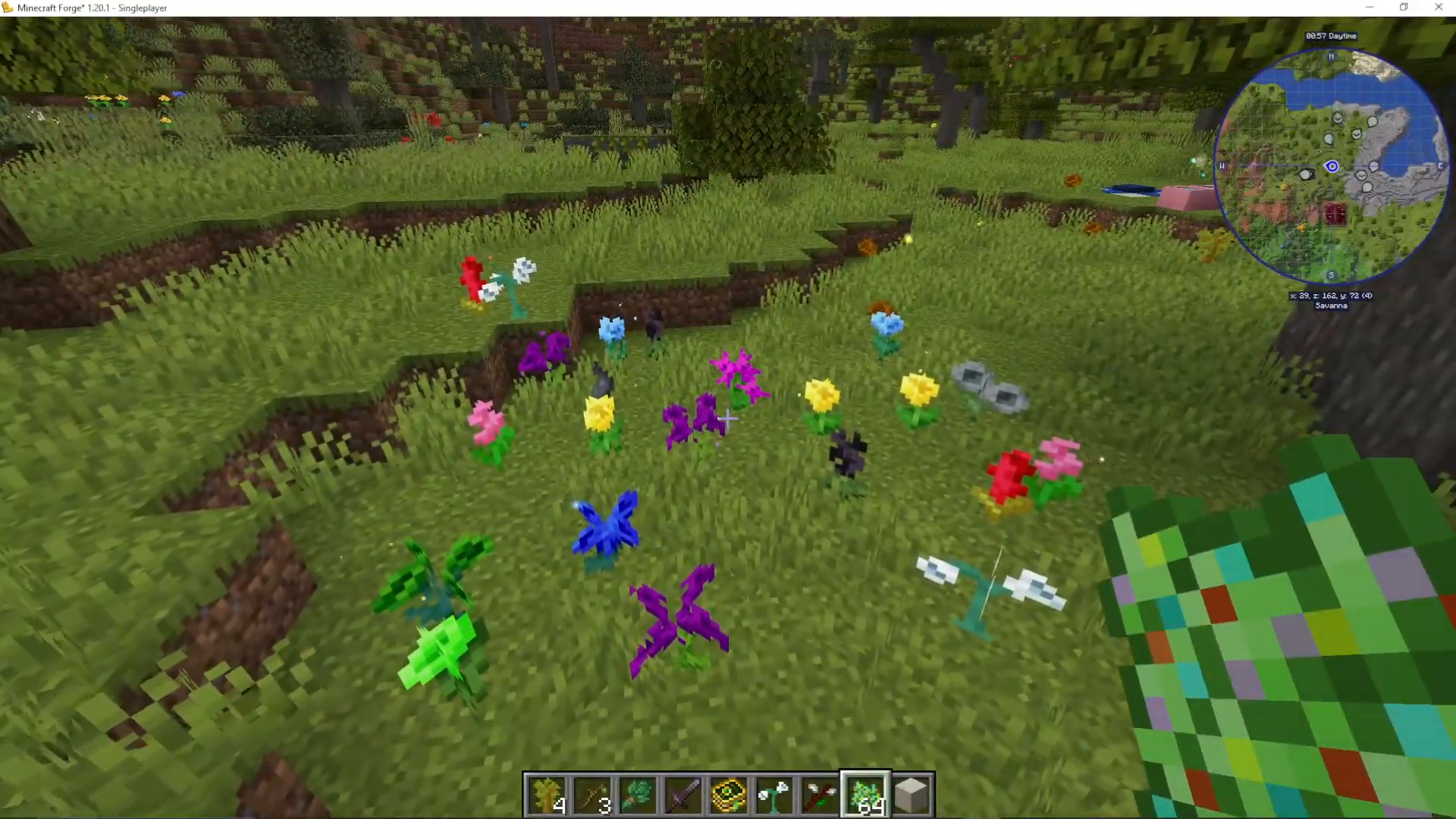
Throughout your world, you’ll naturally find various Botania flowers in different colors—magenta, orange, mystical white, blue, brown, and many others. These flowers spawn naturally as world generation, making them easy to locate without any special effort.
Converting Flowers to Petals and Dyes
When you place any Botania flower into a crafting grid, you’ll receive two petals of the corresponding color. One flower equals two petals. If you then place petals back into a crafting grid, you can convert them into dyes—creating the vanilla dyes directly from Botania flowers.
This method is particularly useful if you already have access to other dye sources like lapis lazuli. You can combine four dyes of the same color with bone meal to create floral fertilizer.
Floral Fertilizer and Flower Farming
When you use floral fertilizer on grass blocks, it will generate large quantities of Botania flowers naturally. This is an excellent way to mass-produce flowers if you’re already established in your world with access to dyes and bone meal.
Double-Height Flowers
You may occasionally find double-height Botania flowers in the world. These can be broken to yield double the amount of petals compared to regular flowers. You can also create double-height flowers by using bone meal on single-height flowers.
Petal Planting for Infinite Supplies
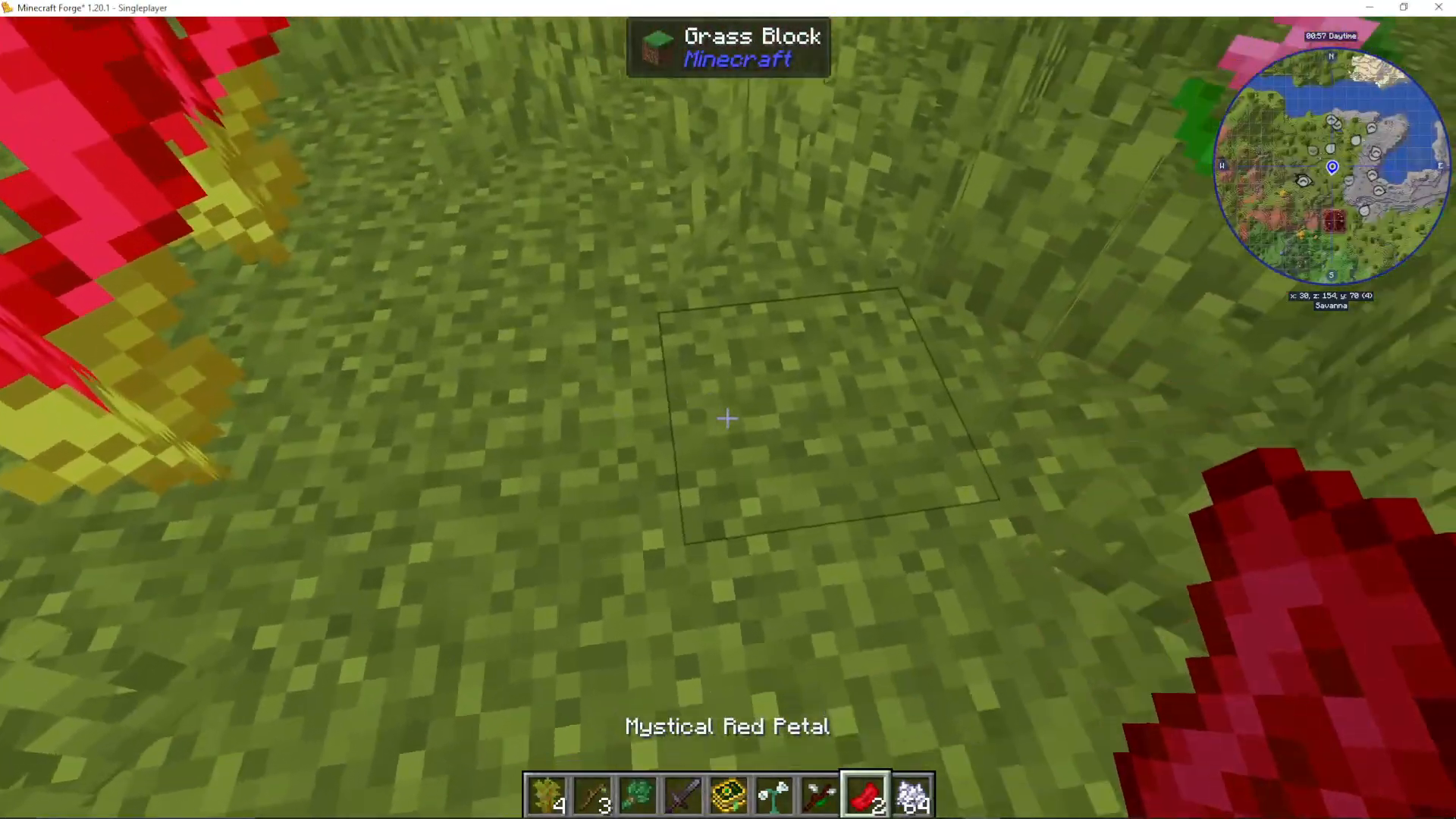
A powerful technique for generating an endless supply of colored flowers is petal planting. When you place individual petals into the ground, they will eventually grow into tall flowers after being bone mealed. These tall flowers yield four petals, which you can then plant again to repeat the cycle indefinitely. This method allows you to choose specific flower colors and maintain a renewable supply.
Crafting at the Petal Apothecary
Building a Petal Apothecary
The petal apothecary is one of the main crafting blocks in Botania and is essential for creating many items. The basic version is constructed using cobblestone arranged in a specific pattern, with either a flower or petal in the center. You can also create variants using different stone types—for example, using a flower instead of a petal for aesthetic variations.
The petal apothecary sits in the world as a physical block and requires water to function. You’ll need to fill it with water using a bucket, and after using it several times, the water will deplete and need to be refilled.
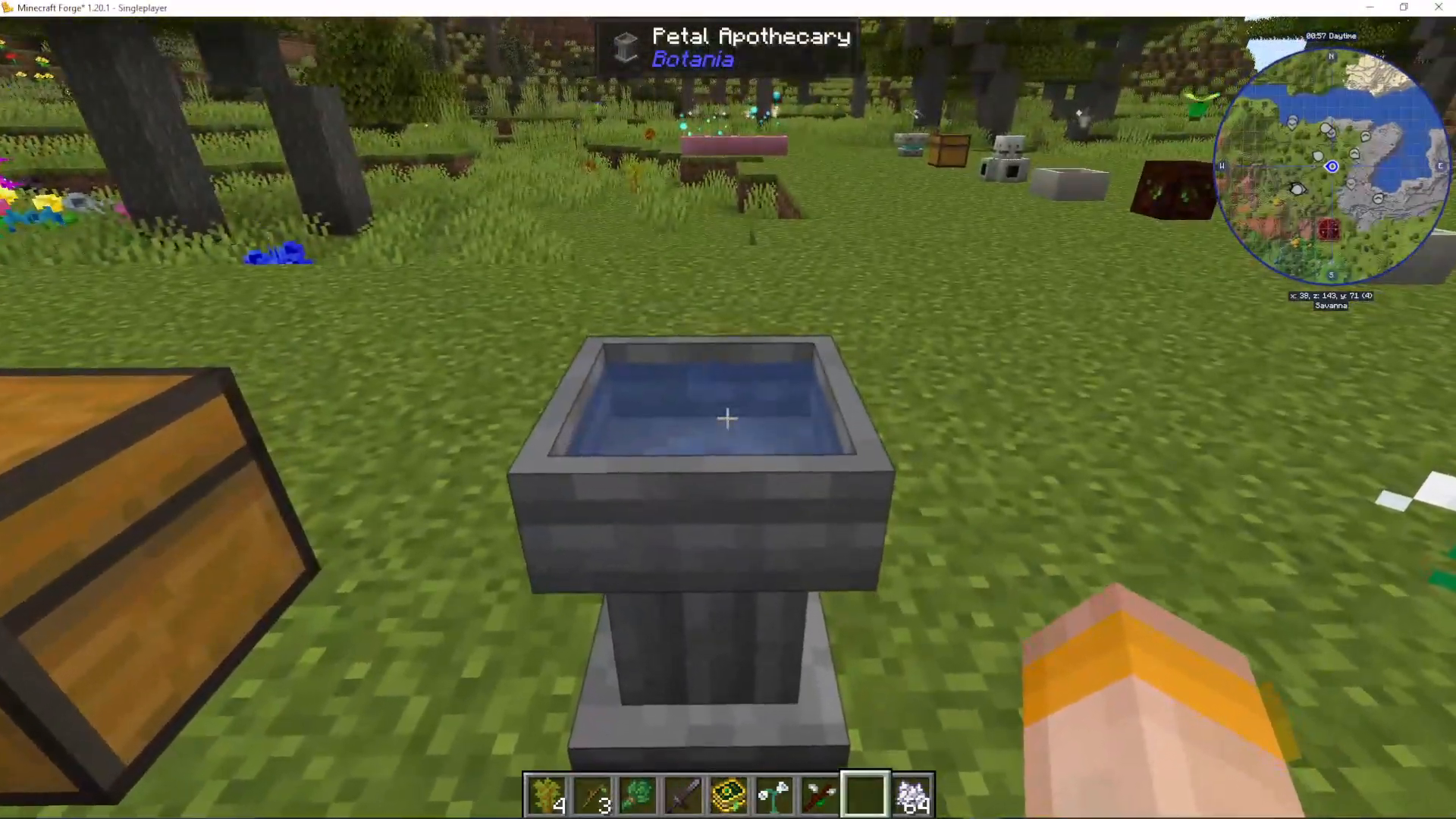
How to Craft with the Petal Apothecary
To craft with a petal apothecary, throw different items into the water. The apothecary will display a tick when the correct recipe ingredients are present. Then, throw in any type of seed as a catalyst to create the desired flower. The water will drain, and you’ll need to refill it for the next craft.
Creating the Pure Daisy
Recipe and Crafting
The Pure Daisy is one of the first flowers you should create. It requires four white petals and any seed as a catalyst in your petal apothecary. To obtain white petals, find Mystical White flowers, place them in a crafting table (each flower yields two petals), and collect four petals total.
Place all four white petals into your petal apothecary, and when you see the tick indicating a valid recipe, throw in a seed. The water will drain, and you’ll receive one Pure Daisy.
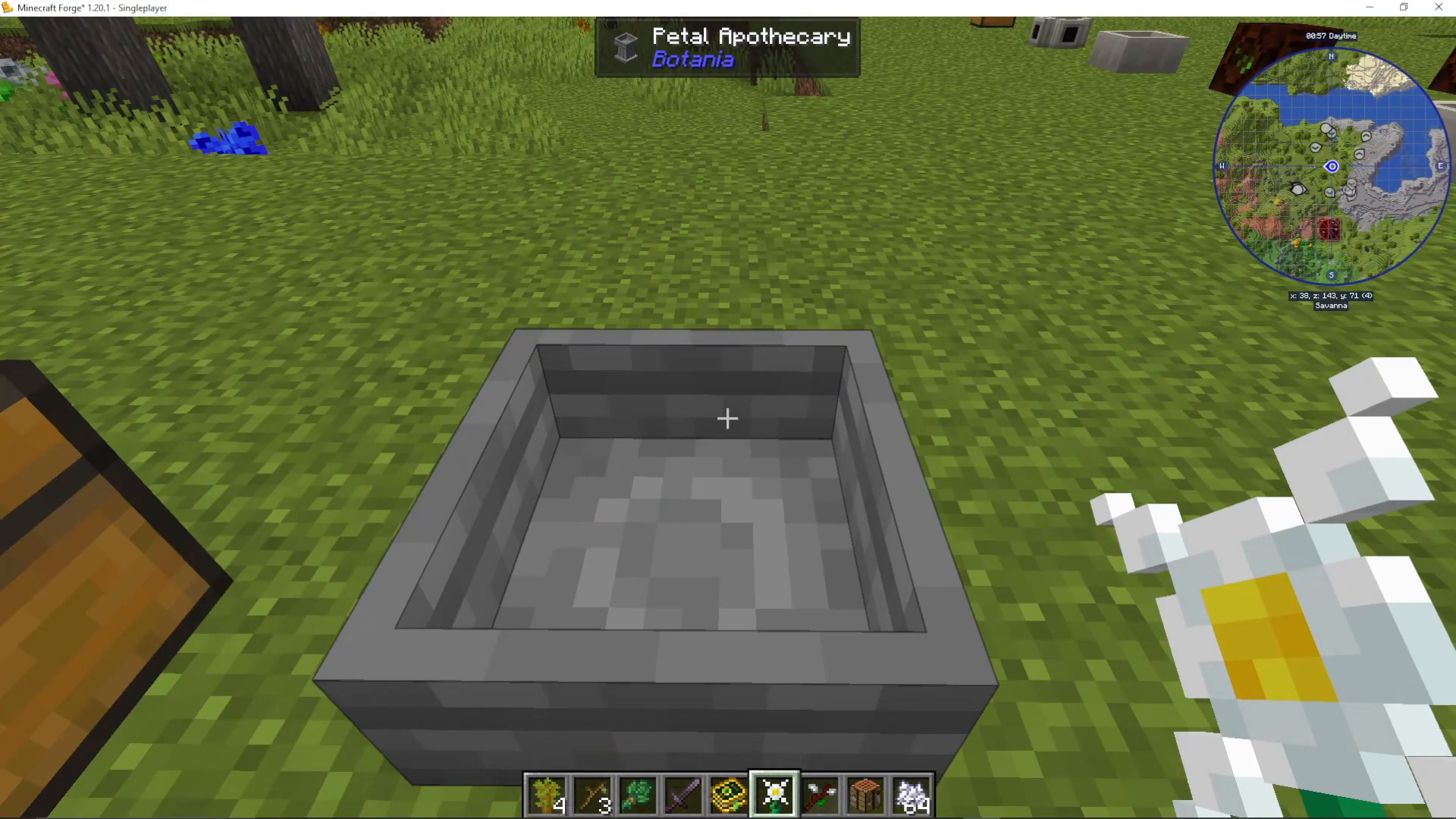
Using the Pure Daisy
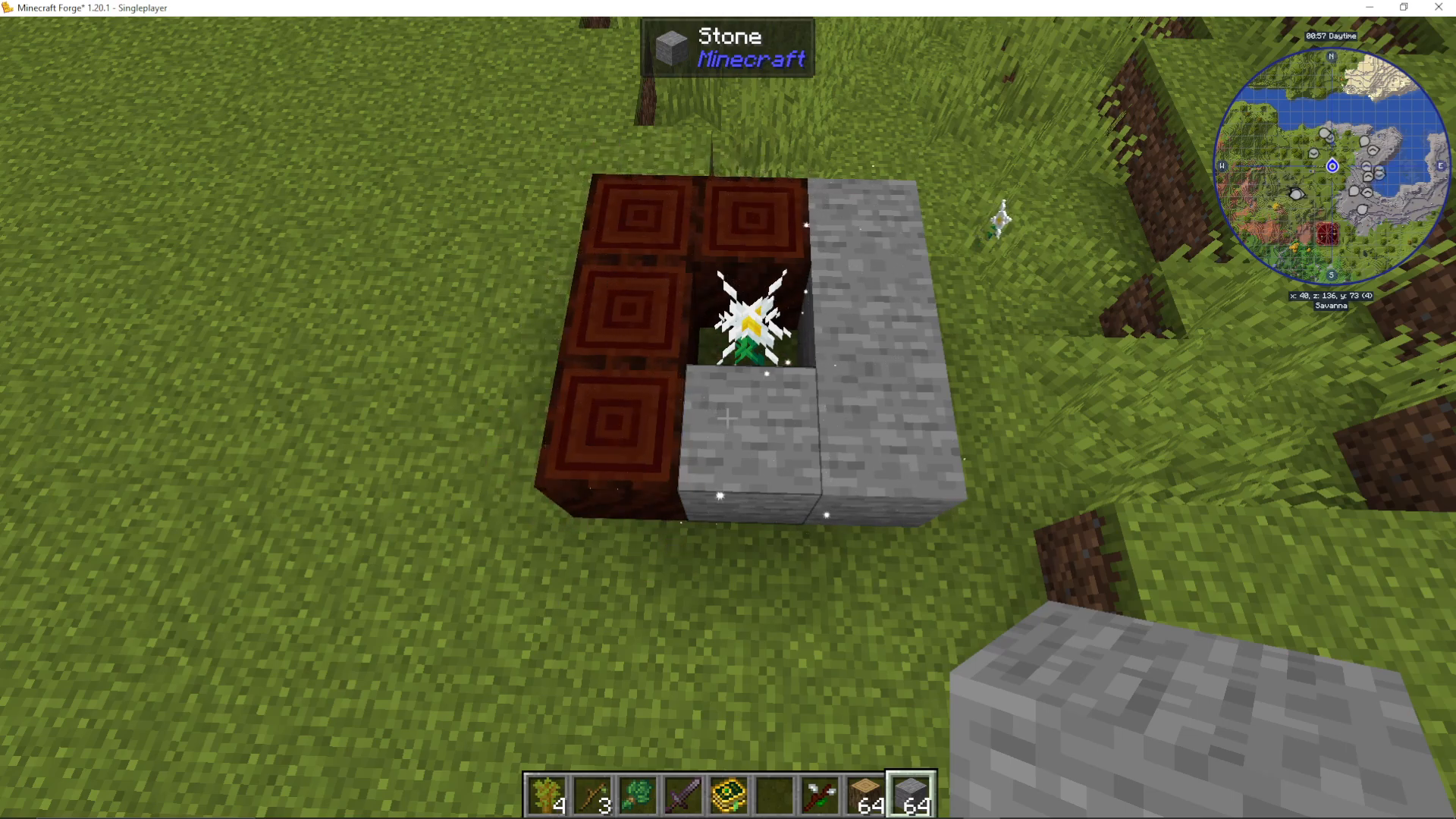
The Pure Daisy has a unique function: it transforms logs and stone into living wood and living stone respectively. Place the Pure Daisy in the world, then surround it with logs and stone blocks within an 8-block radius. After approximately 30 seconds to one minute, the blocks will transform into their living variants.
You can break the transformed blocks with an axe (for living wood) or pickaxe (for living stone) and collect them. While automation is possible using block breakers and hoppers, many players find it sufficient to simply break the blocks manually as needed.
You can set up multiple Pure Daisies to increase your production rate of living wood and living stone.
Mana Pools and Basic Storage
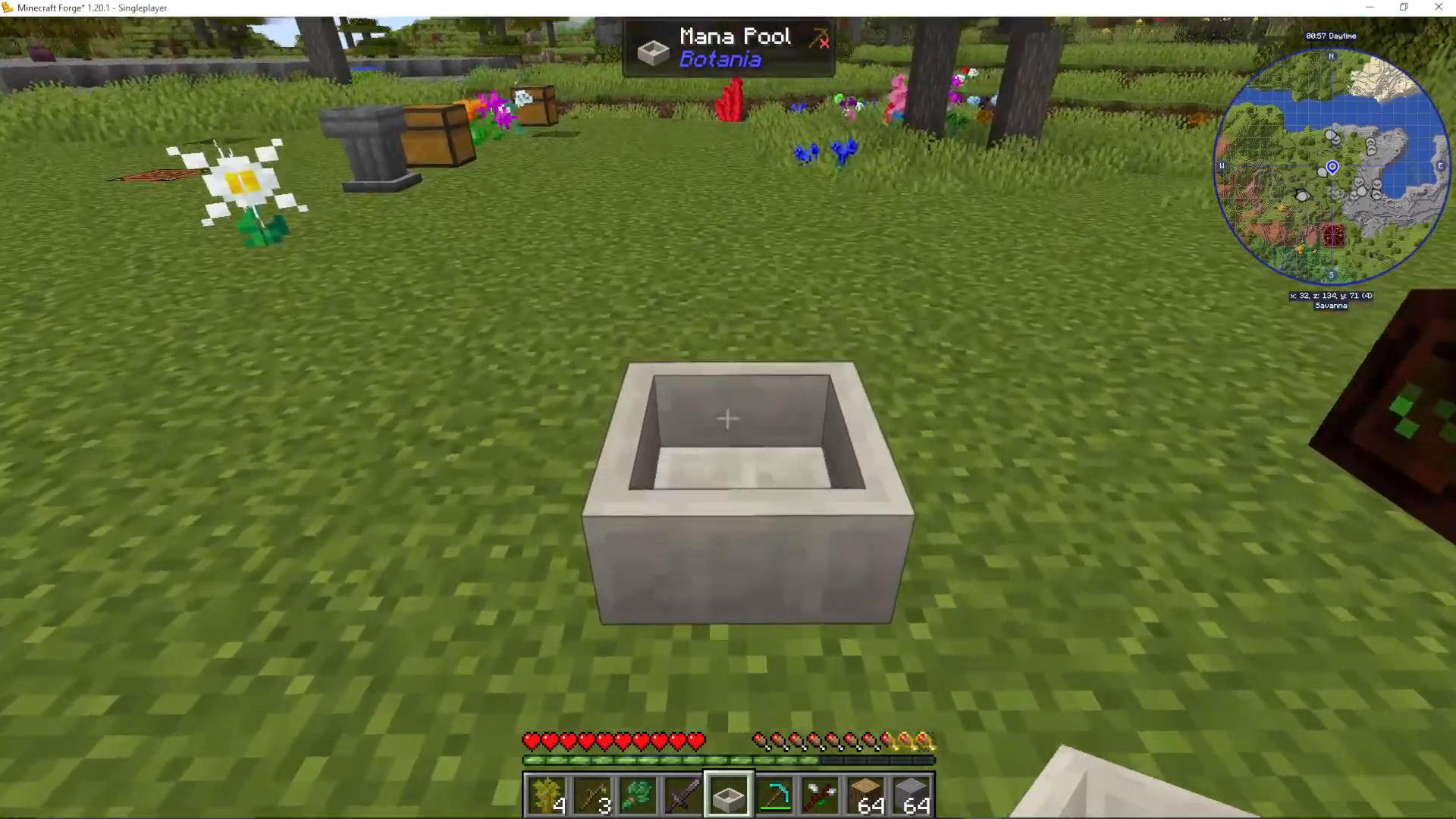
Creating a Mana Pool
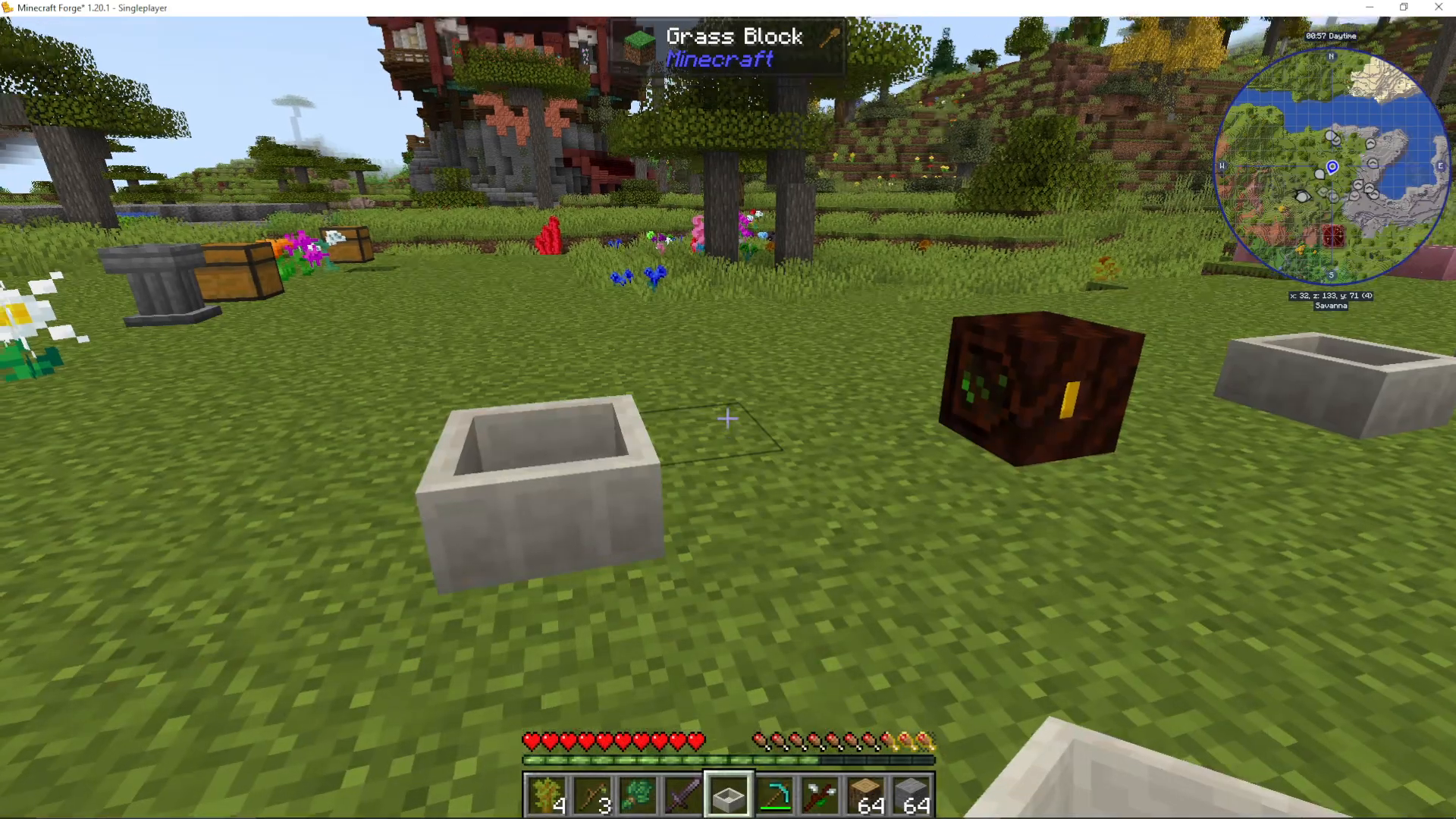
The mana pool is the primary resource storage block in Botania and holds the mana that powers most devices in the mod. The standard mana pool is crafted using living rock arranged in a specific pattern.
There are several variations available: the diluted mana pool (made from living rock slabs), and the fabulous mana pool (made using shimmer rock or frost blocks to enhance a normal mana pool). For beginners, the standard mana pool is all you need.
Mana Transfer: The Wand of the Forest
Crafting the Wand of the Forest
The Wand of the Forest is one of the main tools you’ll use in Botania for transferring mana and binding devices. It’s crafted using three living wood twigs (made from living wood logs) with two petals on either side. The color of the petals is completely up to you and is purely cosmetic.
Bind Mode and Function Mode
The Wand of the Forest has two modes: bind mode and function mode. When you hover over the wand, it displays which mode is currently active. Right-clicking while shifting cycles through the modes. In bind mode, you can bind mana spreaders to mana pools and other devices. In function mode, you can right-click items to change their functions.
Mana Spreaders
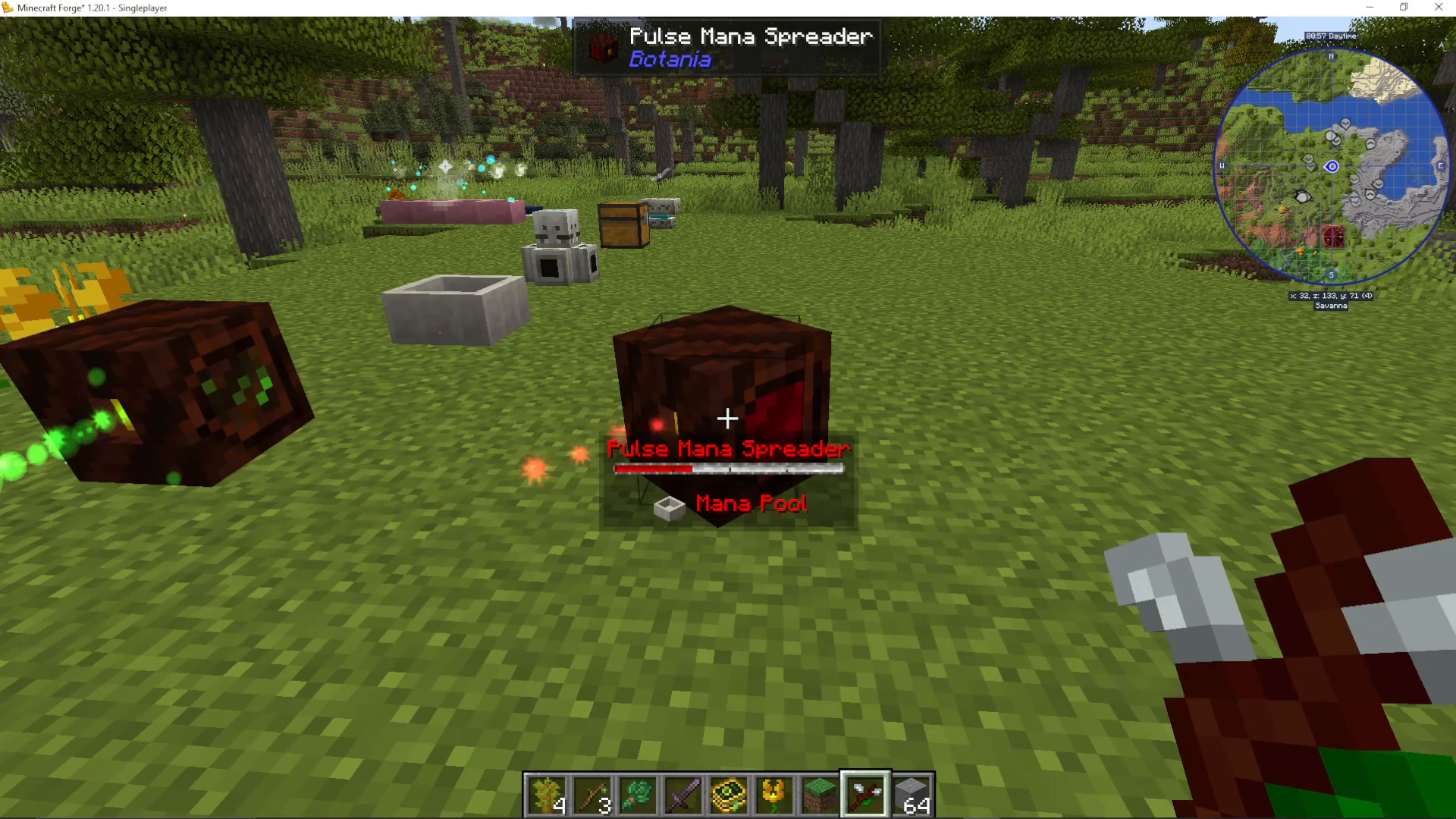
Mana spreaders are devices that transfer mana from generating flowers to mana pools. They’re crafted using living wood, a petal, and a copper ingot. You can also create pulse mana spreaders by adding redstone to the recipe—these spreaders pulse mana out slowly based on redstone signals.
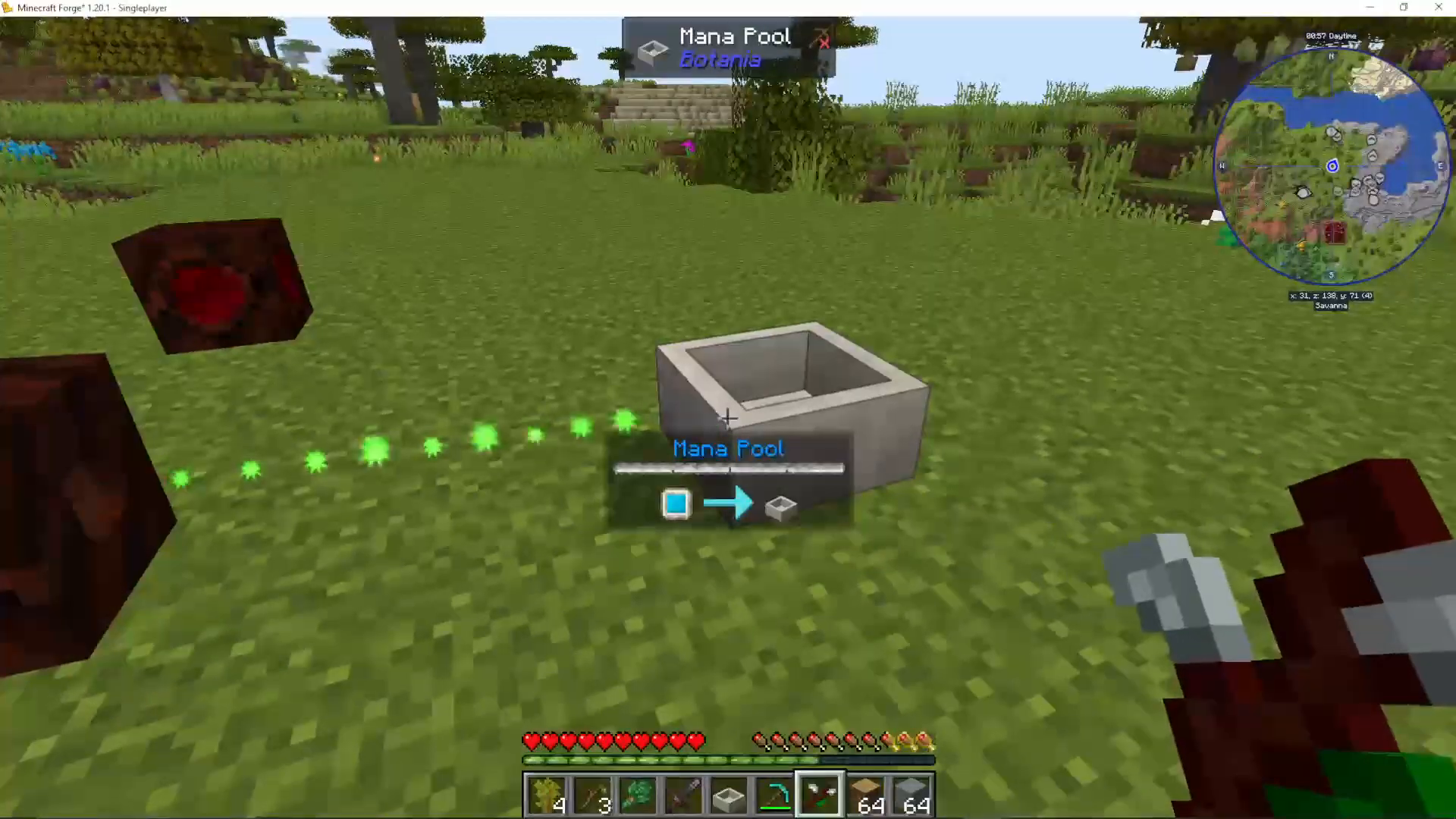
To bind a mana spreader to a mana pool, hold your Wand of the Forest, shift right-click the mana spreader, and then shift right-click the mana pool. A beam of light will appear showing the connection. This beam is only visible when you’re holding the Wand of the Forest.
Generating Mana: Flower-Based Mana Production
The Endoflame
The Endoflame is one of the easiest entry-level mana generators. It works by burning items placed nearby—similar to a furnace. To craft an Endoflame, you’ll need two brown petals, one light gray petal, and one red petal, plus any seed as a catalyst in your petal apothecary.
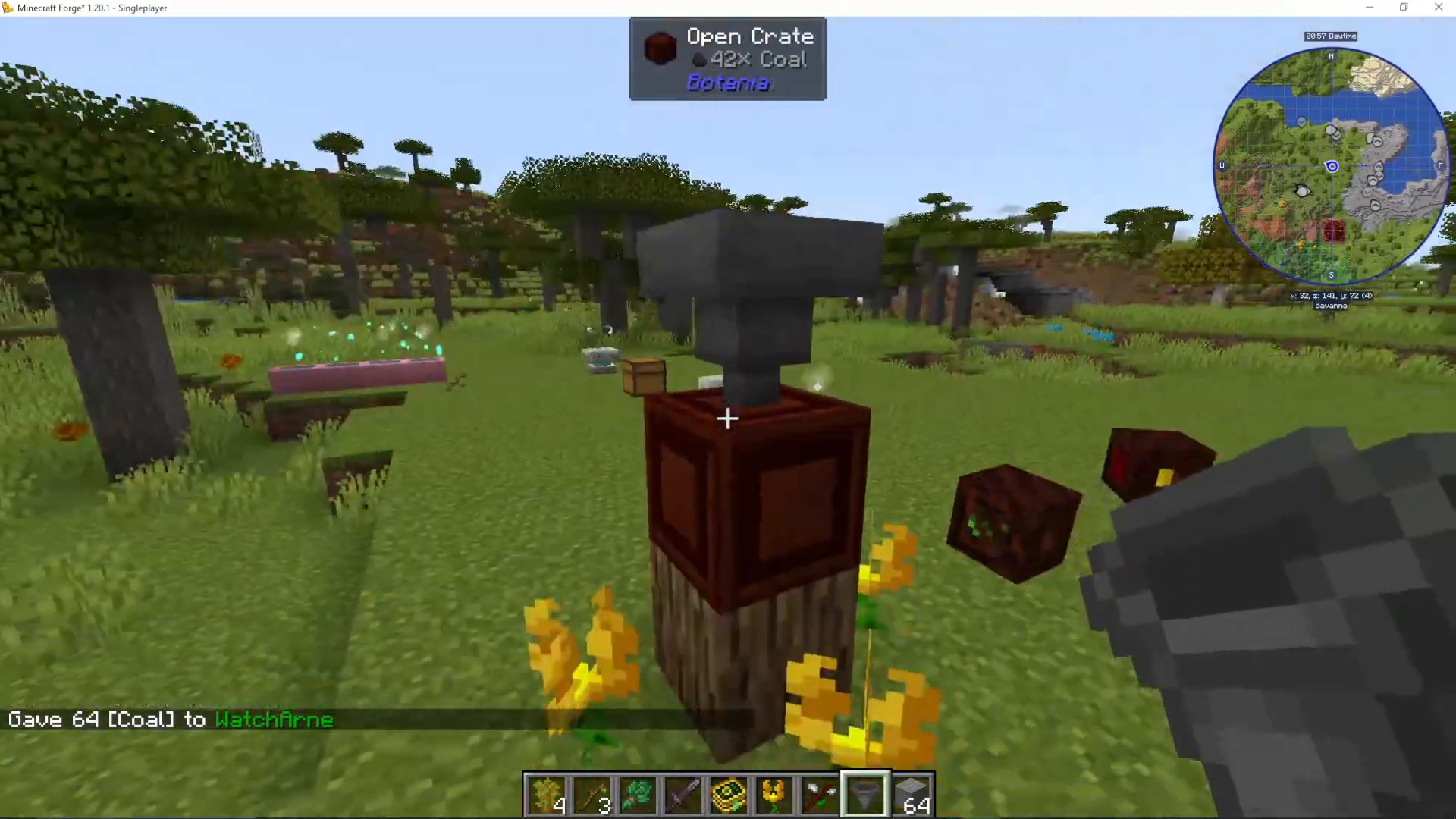
To set up an Endoflame farm, place multiple Endoflames in a line. Create an open crate (made from living wood planks with a hole punched in the bottom) directly above them. Connect a hopper above the open crate and fill it with fuel items like coal. The open crate will drop items continuously, and the Endoflames will burn them and generate mana.
To prevent infinite dropping, you can use redstone contraptions with pressure plates to control when items drop. Alternatively, you can place items manually as needed.
As the Endoflames generate mana, nearby mana spreaders will automatically absorb it and transfer it to bound mana pools. The mana pool may take a long time to fill depending on your setup.
The Hydroangeas
The Hydroangeas is another entry-level mana generator that works by consuming water. To craft one, you’ll need two blue petals, two cyan petals, and any seed as a catalyst. Place it next to a 3×3 pool of water, and it will begin generating mana slowly.
Like the Endoflame, nearby mana spreaders will automatically transfer the generated mana to bound mana pools. Hydroangeas may occasionally deplete and need to be replenished, so keep spare saplings and petals on hand.
Advanced Generating Flowers
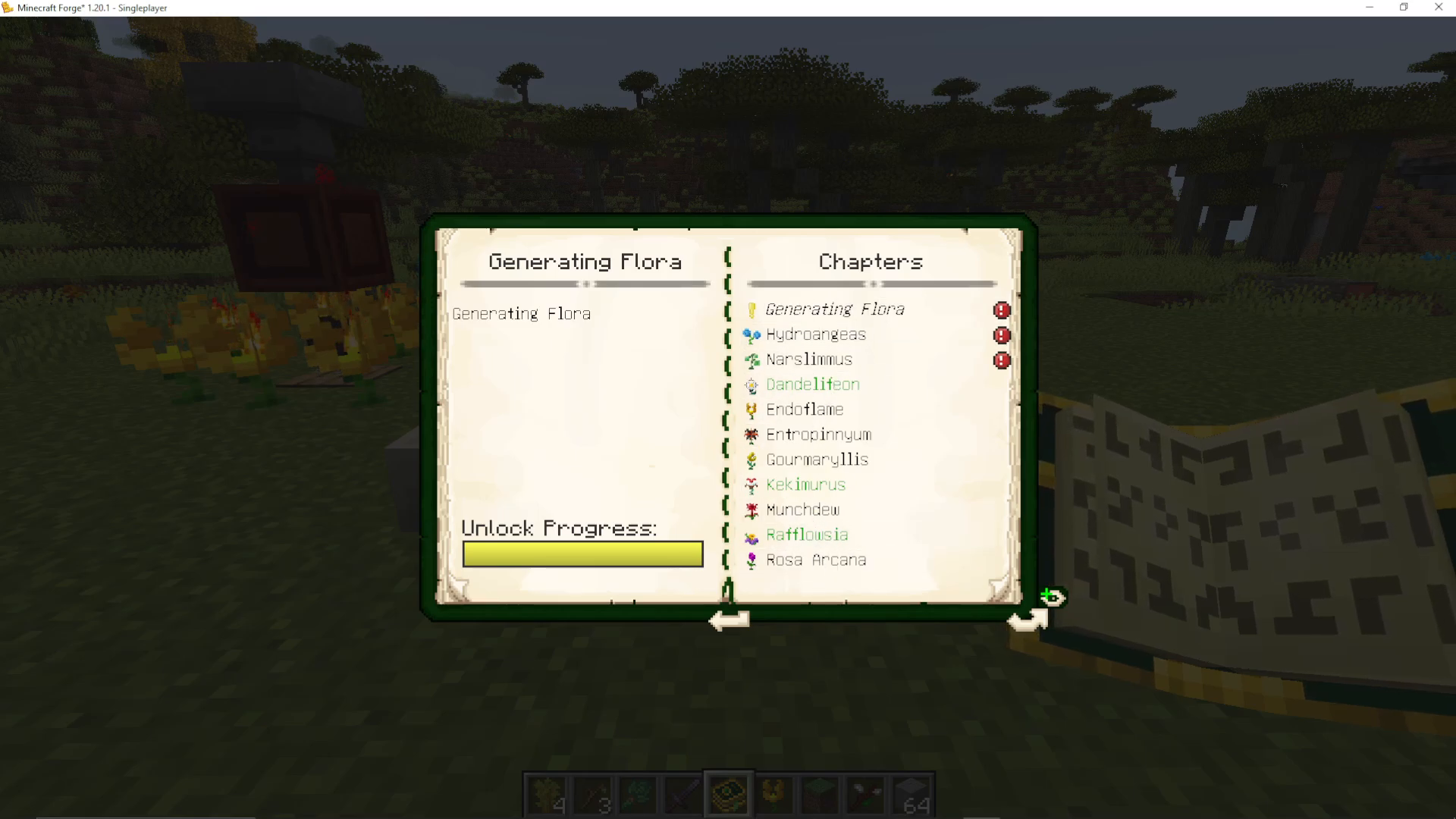
As you progress, you’ll unlock more advanced mana-generating flowers:
Dandelifeon: A highly advanced flower based on Conway’s Game of Life, operating on a 25×25 grid.
Entropinium: Generates mana from nearby TNT explosions.
Gourmaryllis: Consumes food items and converts them into mana.
Kekimura: Eats nearby cake and generates mana.
Loonium: Consumes nearby leaves and generates mana.
Narslimmus: Uses slime blocks for mana generation.
Rafflesia: Consumes man-made flowers crafted in the petal apothecary—very expensive but produces more mana than basic generators.
Rosa Arcana: Absorbs experience orbs from nearby players or drops, making it excellent for late-game setups with mob farms.
Shulk Me Not: Generates mana from Shulker levitation effects.
Spectrolus: Consumes different colored wool blocks for mana generation.
Thermalily: Requires lava nearby to generate mana.
Advanced Mana Transfer: Mana Splitters
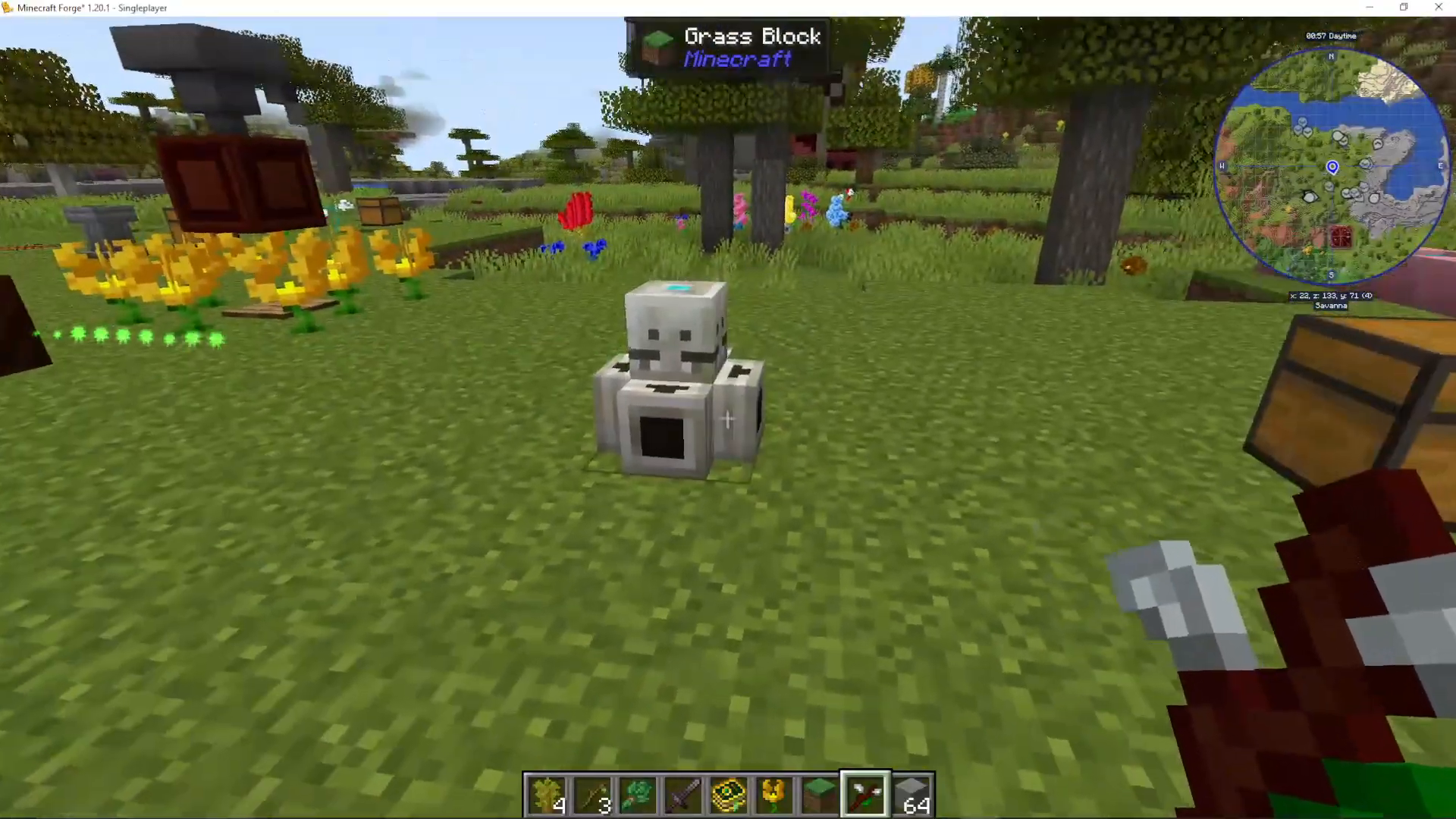
The mana splitter allows you to split mana from a single spreader into multiple outputs. If you have a mana spreader outputting to a mana splitter, the splitter will divide the mana evenly among all connected outputs, such as additional mana pools or devices.
Portable Mana: Mana Tablets and Bands
Mana Tablets
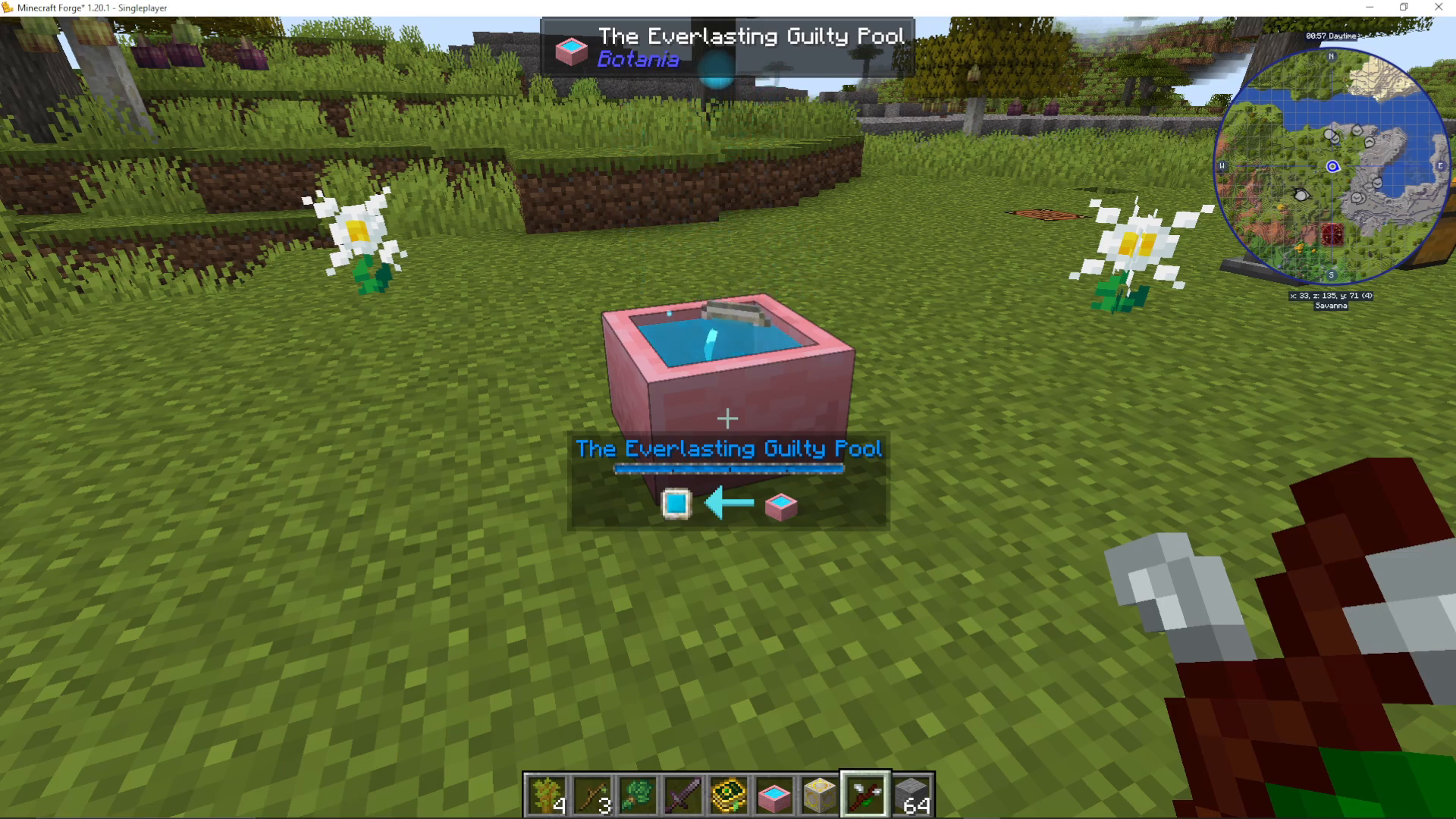
A mana tablet is a portable mana storage item. It’s crafted using living rock around the outside with a mana pearl in the center. You can place a mana tablet in a mana pool, and it will automatically fill with mana. This allows you to carry mana in your inventory for use with mana-consuming items.
Mana Bands
The Band of Mana is created using a mana tablet surrounded by four mana steel ingots. It can be equipped in your ring slot and serves as portable mana storage that you wear. Both mana tablets and bands can be charged and discharged at mana pools using your Wand of the Forest.
To control the flow direction of mana between a tablet/band and a pool, hold your Wand of the Forest and shift right-click the item. An arrow will appear showing which direction mana will flow. You can toggle this direction by shift right-clicking again.
Mana Infusion: Creating Mana-Infused Materials
What is Mana Infusion?
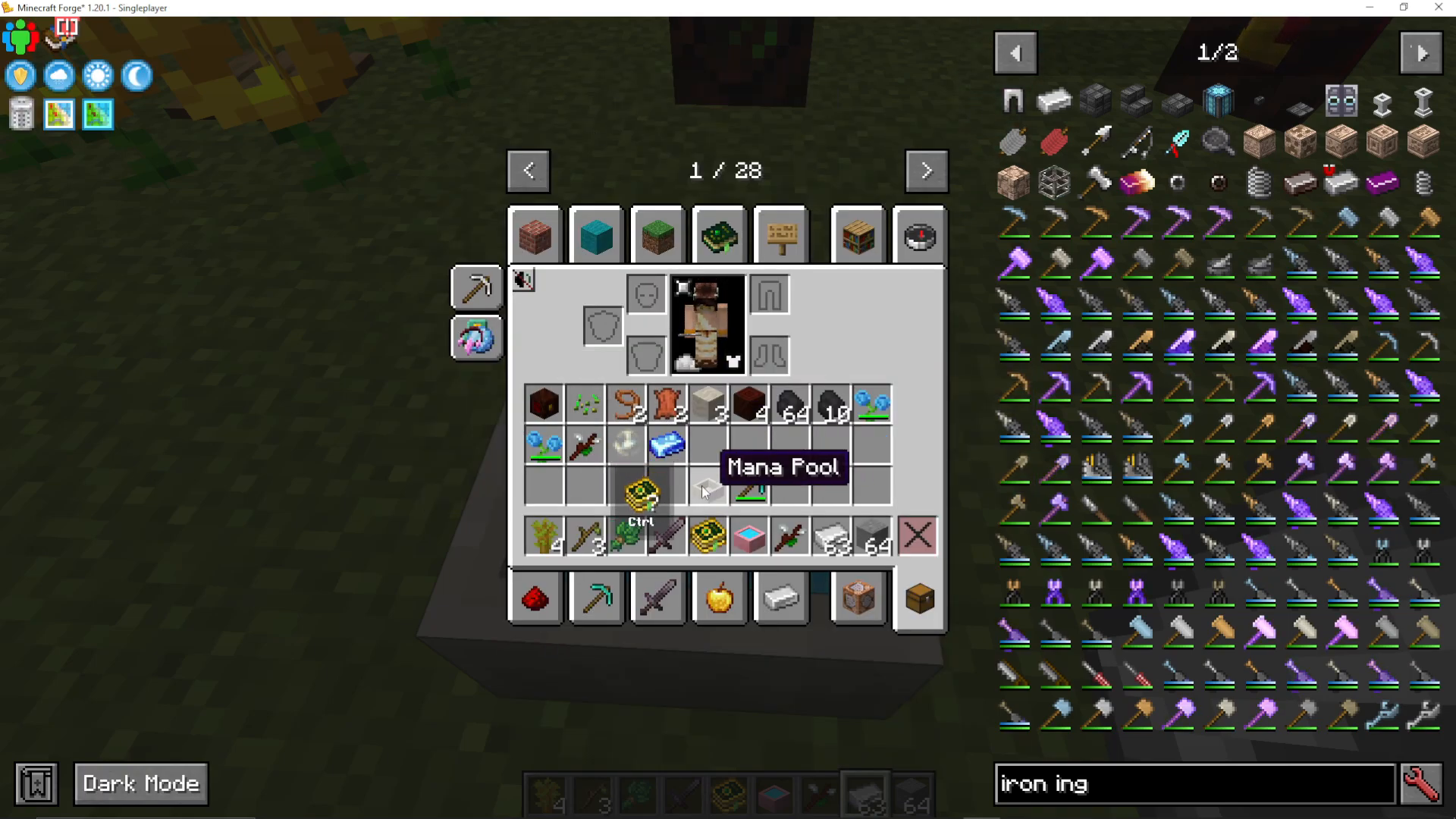
Mana infusion is a process where you throw items into a mana pool that’s full of mana. The pool will consume mana and transform the item into a mana-infused version. To see all available mana infusions, hold JEI or Just Enough Items and hover over a mana pool, then press U to see the “mana infusion” category.
Basic Mana Infusions
The fundamental mana infusions you’ll use early on are:
Iron Ingot → Mana Steel Ingot
Diamond → Mana Diamond
Ender Pearl → Mana Pearl
Glass → Mana Glass
Nether Quartz → Mana Quartz
Sugar → Mana Powder
String → Mana Infused String
Iron Block → Mana Steel Block
The Alchemy Catalyst
Expanding Mana Infusion Recipes
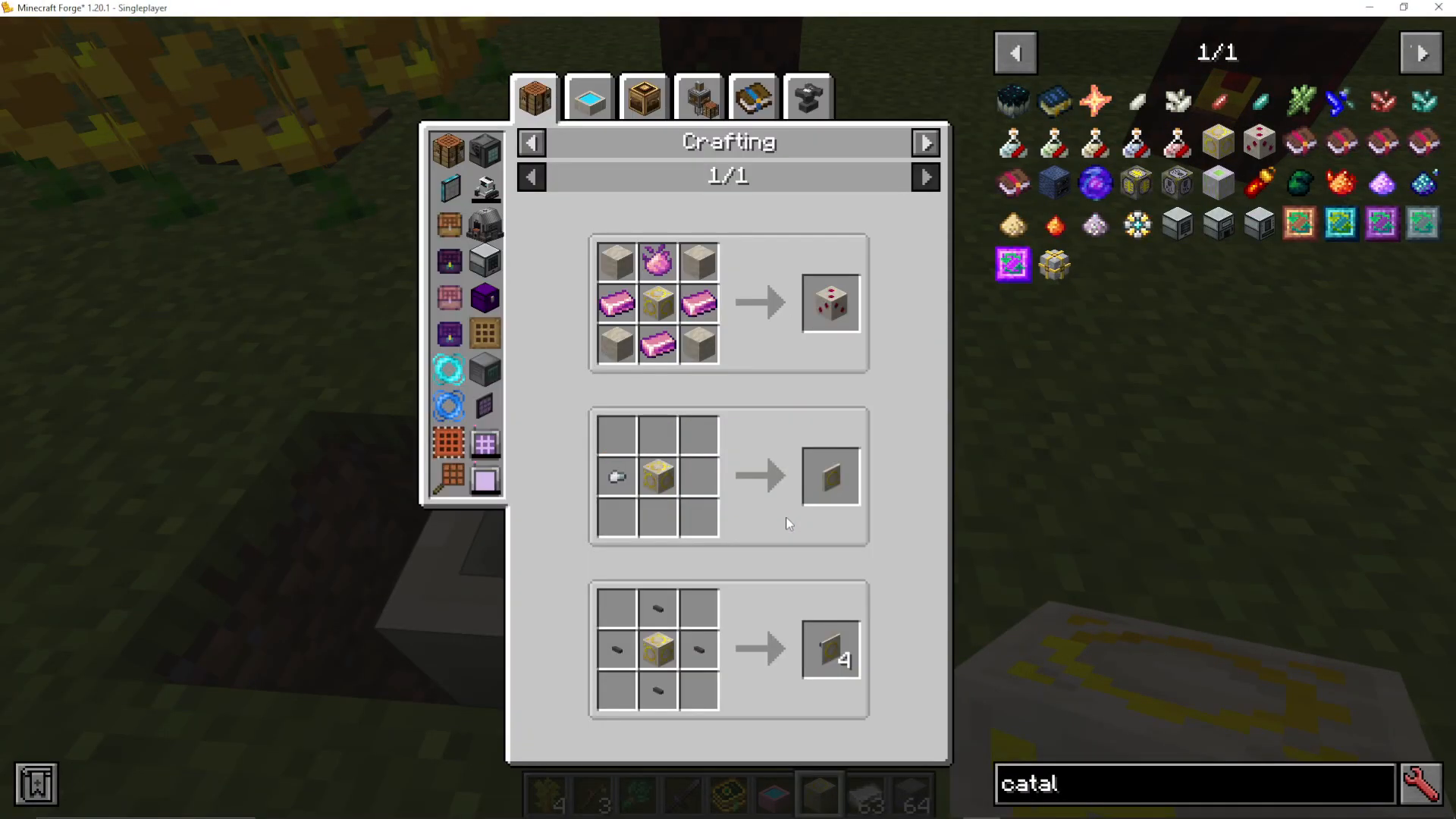
By placing an alchemy catalyst beneath a mana pool, you unlock additional mana infusion recipes that wouldn’t normally be available. An alchemy catalyst is crafted using a mana pearl surrounded by gold ingots and brick blocks.
Recipes that require an alchemy catalyst are marked with a special alchemy catalyst logo in JEI. Examples include:
Blaze Rod → Nether Wart
Stone Bricks → Chiseled Stone Bricks
Cobblestone → Sand
Gunpowder → Flint
Rotten Flesh → Leather
Tools and Equipment
Mana Steel Tools
Using mana steel ingots, you can craft a full set of tools: pickaxe, shovel, axe, hoe, shears, and sword. These tools have the same mining level as iron but offer better durability. They can be recharged with mana using a mana tablet in your inventory, eliminating the need for traditional repairs.
Mana steel tools have special benefits: the pickaxe will place torches from your inventory automatically, and the axe will place saplings. The shears can trigger tripwires unlike iron shears.
The mana steel sword has 6 damage and 1.6 attack speed with three block reach.
Living Rock and Living Wood Tools
For early-game tools, you can craft living rock versions (equivalent to stone tools) and living wood versions (equivalent to wood tools). These can also be recharged with mana and serve as a bridge between wooden tools and mana steel tools.
Mana Steel Armor
You can craft a full set of mana steel armor: helmet, chest plate, legs, and boots. This armor provides protection and can be recharged with mana.
All-in-One Tool (AIOT)
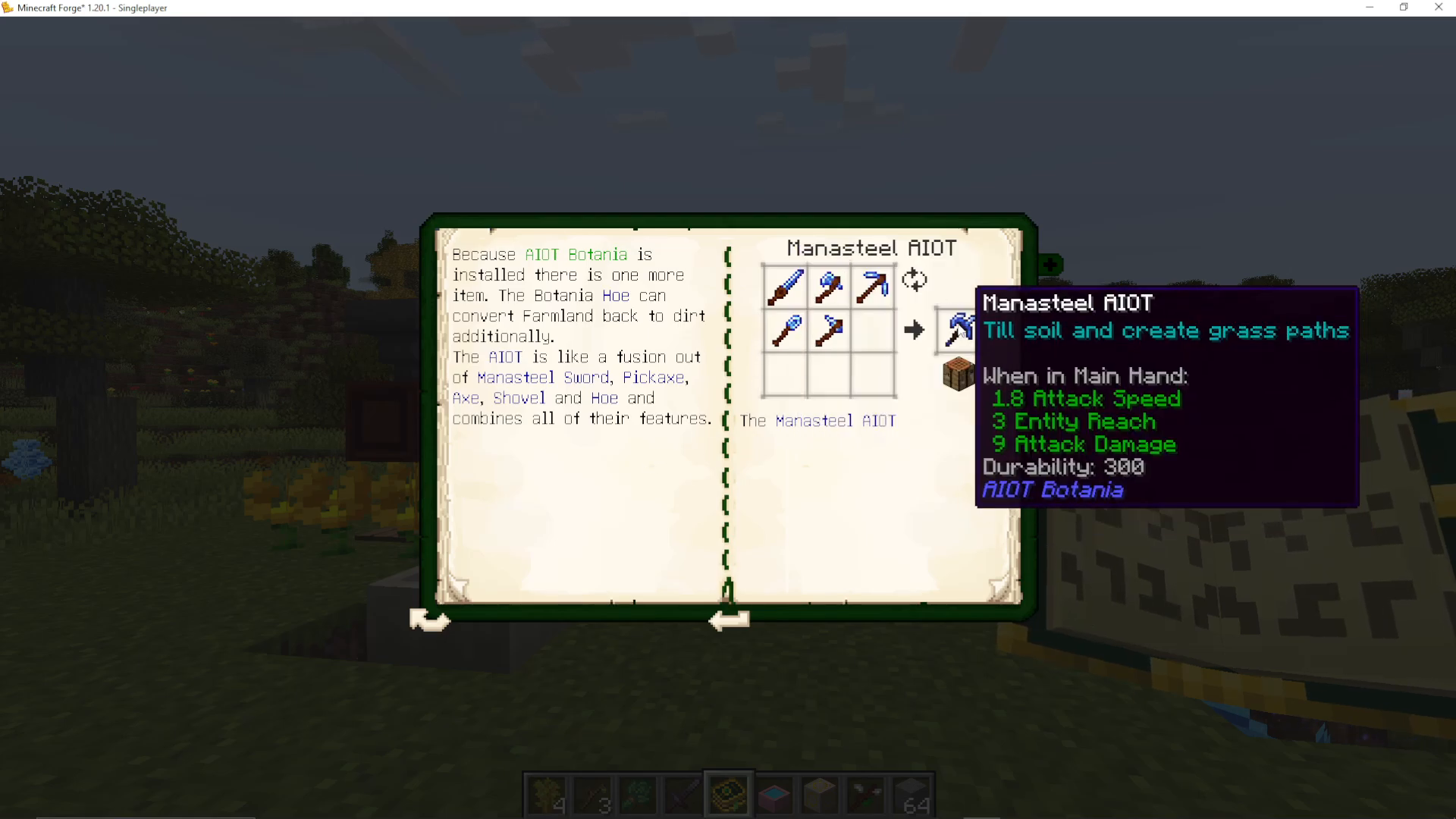
If you have the AIOT Botania add-on mod installed (common in modpacks like ATM9), you can combine the mana steel sword, axe, pickaxe, hoe, and shovel into a single all-in-one tool called the AIOT. This tool combines all the functionality of the individual tools into one convenient item.
Mana Weave Equipment
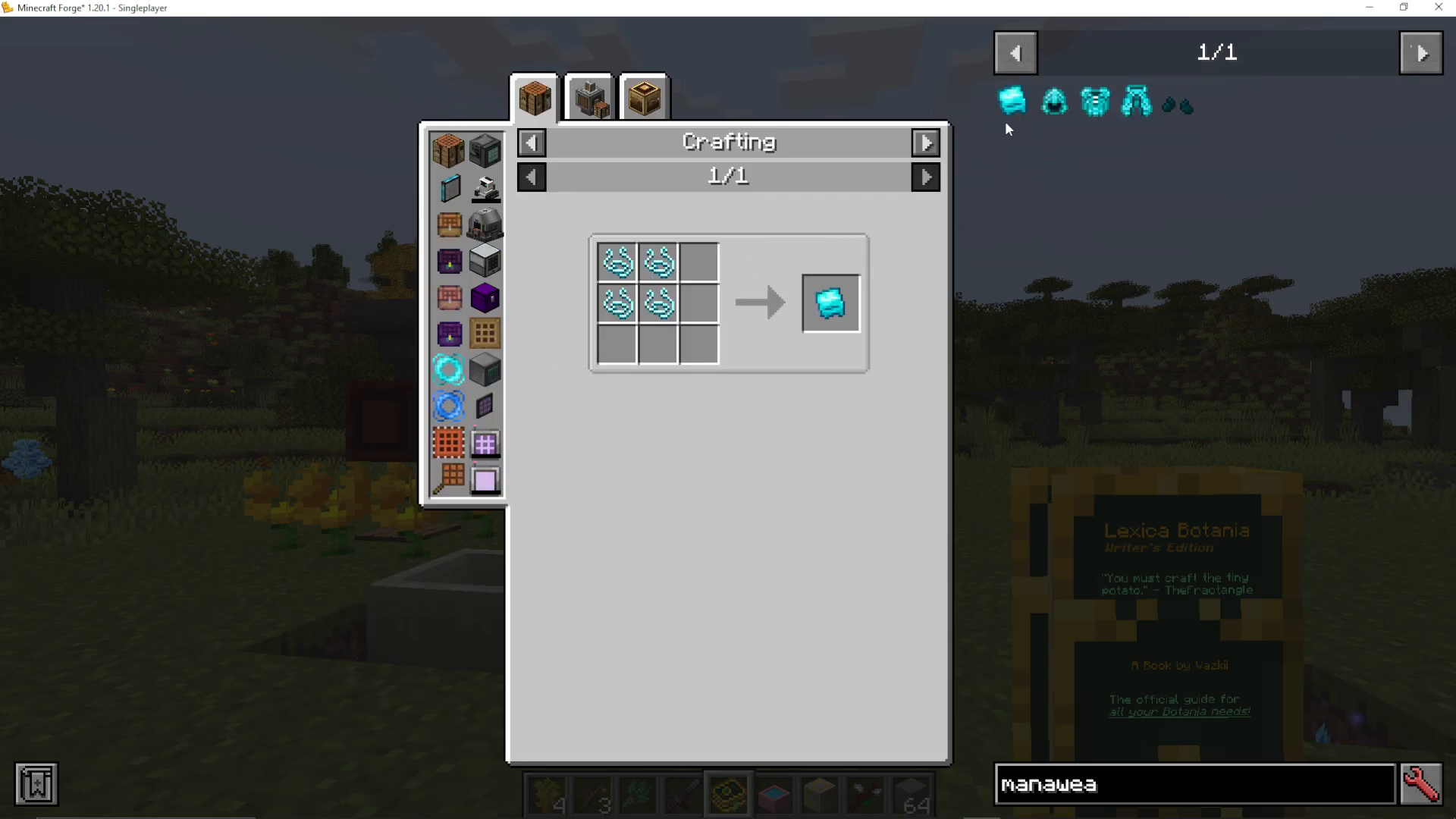
Mana weave cloth is created by infusing string with mana in a mana pool. Using this material, you can craft mana weave armor: helmet, chest plate, legs, and boots. This armor provides less protection than mana steel but grants special benefits.
When wearing the full mana weave set (all four pieces), you receive significant mana cost discounts when using mana-consuming tools and rods. You also gain increased proficiency with magical rods, enhancing their powers and ranges.
The Runic Altar: Advanced Crafting
Introduction to Rune Crafting
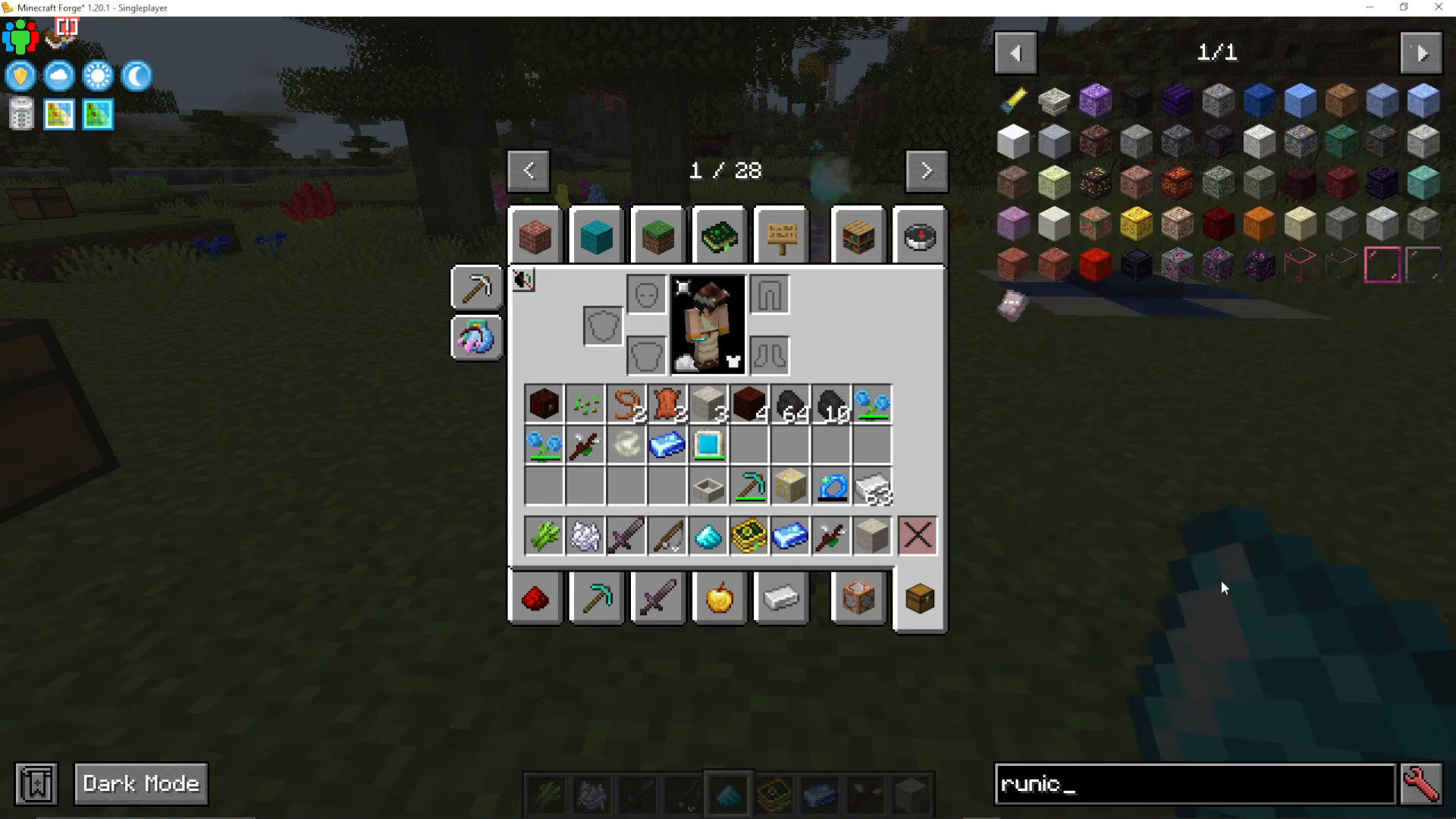
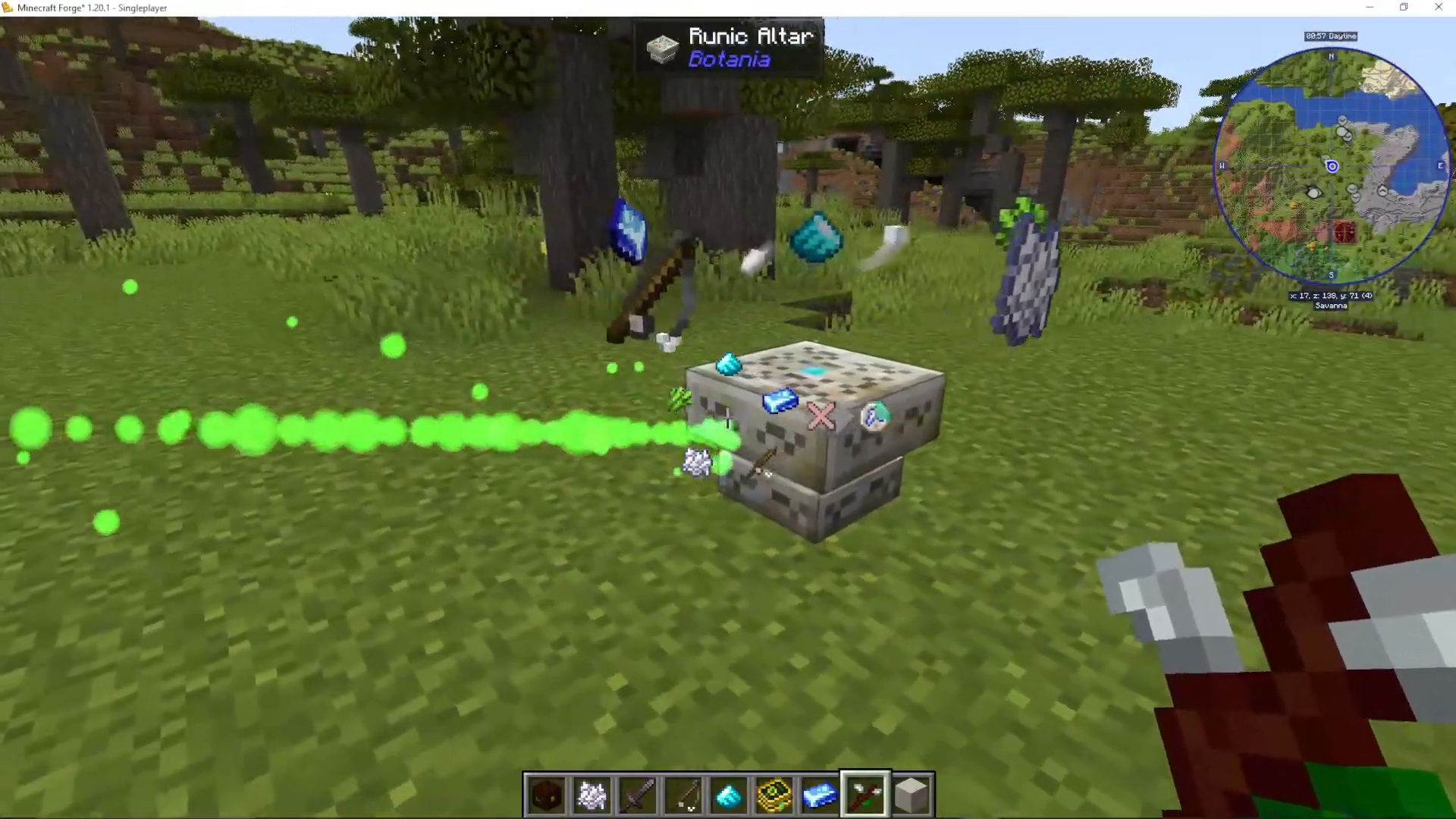
The Runic Altar is the next tier of crafting beyond the petal apothecary. It’s constructed using living rock with a mana pearl in the center. Unlike the petal apothecary which creates flowers, the Runic Altar creates runes—powerful components used in many advanced Botania recipes.
Elemental Runes
The starter runes are the four elemental runes: Water, Fire, Earth, and Air. Each requires specific ingredients and mana. For example, a Water Rune requires mana powder, mana steel, a fishing rod, bone meal, and sugar cane, with living rock as the catalyst. The recipe yields two Water Runes.
Crafting at the Runic Altar
To craft runes, right-click all required items into the altar. You’ll hear an explosive sound as they are placed. Then, direct mana into the altar using a mana spreader bound to it. As mana fills, you’ll see a progress indicator on the right side showing a clock-like symbol. Once the clock completes a full rotation, indicating all mana is received, right-click a living rock on top of the altar as a catalyst.
Finally, right-click the Runic Altar with your Wand of the Forest to complete the recipe and receive your runes.
Reusing Rune Recipes
Once you’ve crafted runes once, you can quickly repeat the recipe by right-clicking the altar with an empty hand. All the same ingredient items will be placed automatically (if you have them in your inventory), allowing for rapid rune production.
Advanced Runes
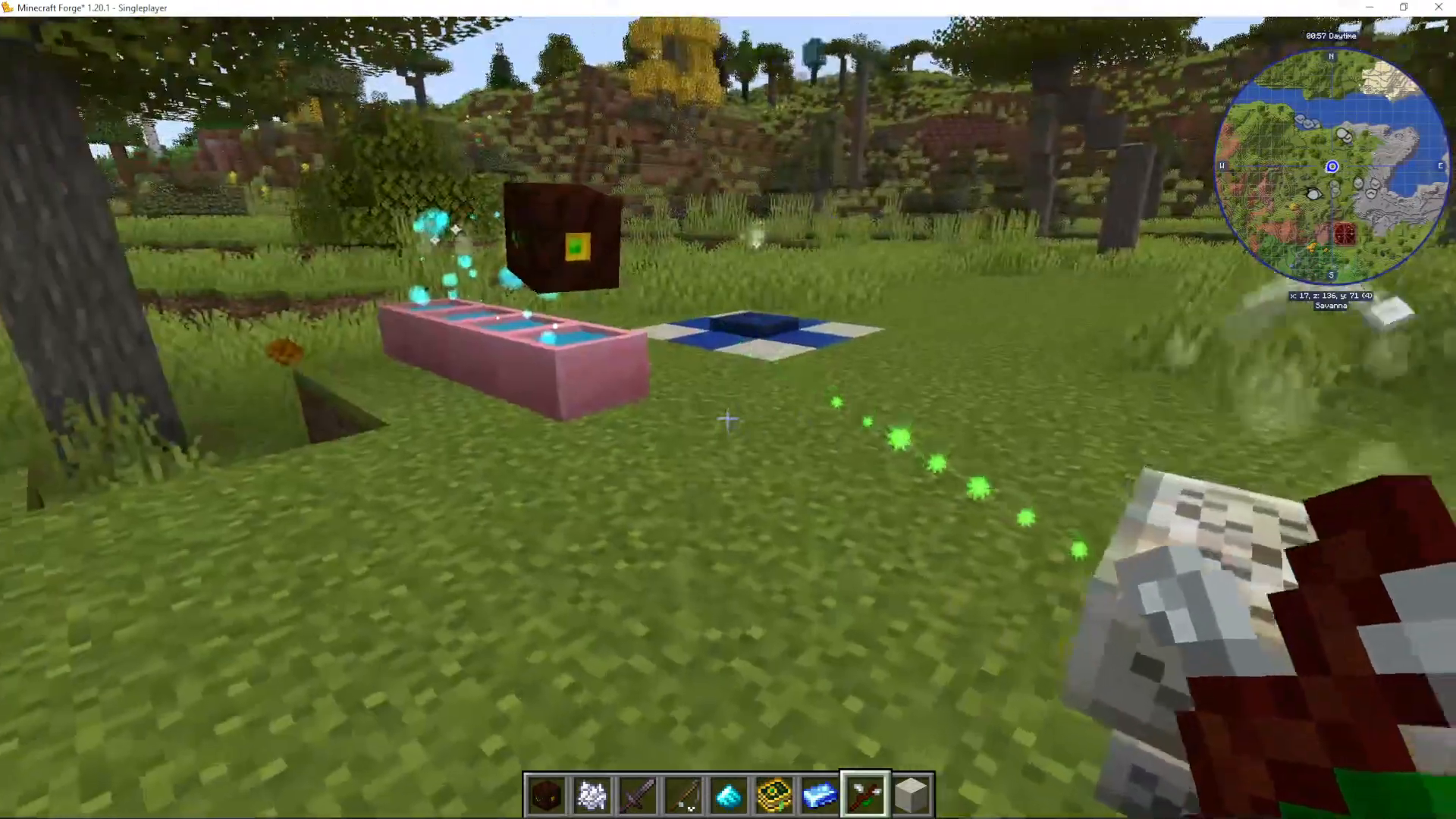
Beyond the elemental runes, there are seasonal runes: Spring, Summer, Autumn, and Winter. These require elemental runes as inputs, but importantly, using runes in recipes doesn’t consume them—only the other ingredients are used up. This makes crafting advanced runes much less resource-intensive than it initially appears.
What’s Next? Functional Flora and Beyond
The functional flora in Botania are flowers that consume mana to perform tasks, rather than generating it. These include devices for automation, creation, and various magical effects. Due to their complexity, functional flora are beyond the scope of this beginner guide but are covered extensively in the ultimate Botania guide.
The Runic Altar also enables creation of many advanced items using runes, including terrestrial agglomeration plates, Gaia arenas, and much more. This is where Botania truly becomes an advanced and deeply rewarding mod.
Summary and Recap
Congratulations on learning the basics of Botania! Here’s what you’ve learned:
Begin by finding and farming Botania flowers throughout your world. Craft the Lexica Botania as your guide book. Process flowers into petals and dyes, then use floral fertilizer to mass-produce flowers as needed.
Create a petal apothecary to craft flowers, starting with the Pure Daisy to generate living wood and living stone. Build mana pools for mana storage and create mana spreaders to transfer mana from generating flowers like Endoflames and Hydroangeas.
Use your Wand of the Forest to bind spreaders to pools and control mana flow. Harvest mana steel through mana infusion and craft tools, armor, and equipment that can be recharged with mana.
Finally, unlock the Runic Altar to begin crafting runes, which open the door to even more advanced Botania features.
For deeper knowledge on functional flora, automation, and advanced crafting, be sure to check out the complete Botania guide on our channel. The mod becomes even more rewarding as you progress to these higher tiers!
— Want to Support? —
If you would like to help us continue making these guides – please consider joining our patreon here – https://www.patreon.com/c/JaviHeals
Alternatively – we host a group of MC Servers you can join here – https://discord.gg/zD7Gjt6MHF