




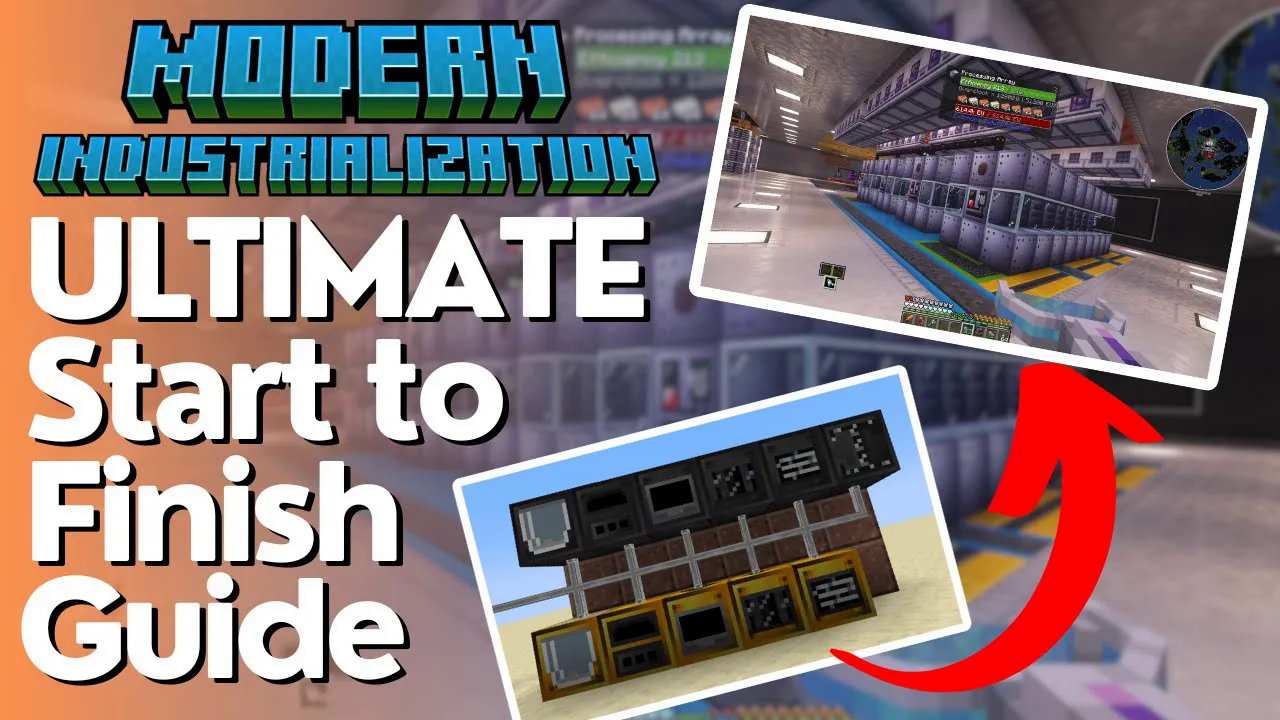
The Ultimate Guide to Modern Industrialization
“`html
The Ultimate Guide to Modern Industrialization
Modern Industrialization is a massive and complex mod that takes you through multiple technological ages, from steam power to nuclear fusion. This comprehensive guide covers everything you need to know to progress through the mod, starting with the basics and advancing to the most cutting-edge technology.
Introduction to Modern Industrialization
Modern Industrialization is similar to mods like GregTech and IC2, but it’s significantly simpler and more straightforward, removing much of the tedium. The mod features a clear progression path through distinct ages: Steam Age, Electric Age, Mid-Game, and End-Game (Fusion).
The main topics you’ll learn include: steam production, bronze and steel machines, coke ovens, blast furnaces, electric quarries, steam boilers, electricity generation, electric blast furnaces, oil rigs, diesel production, large generators, nuclear power, and fusion reactors.
If you’re new to the mod, your first step should be crafting the MI Modern Industrialization Guidebook using copper nuggets and a book. This will give you access to all in-game recipes.
Getting Started: Essential Materials
Before diving into production chains, you’ll need to gather significant quantities of three core materials:
Iron
Tin
Copper
These materials form the foundation for all early-game machines and components.
The Steam Age
The Forge Hammer
The Forge Hammer is your first essential machine. Craft it using iron ingots and heavy weighted pressure plates. Place it down and right-click to open the interface.
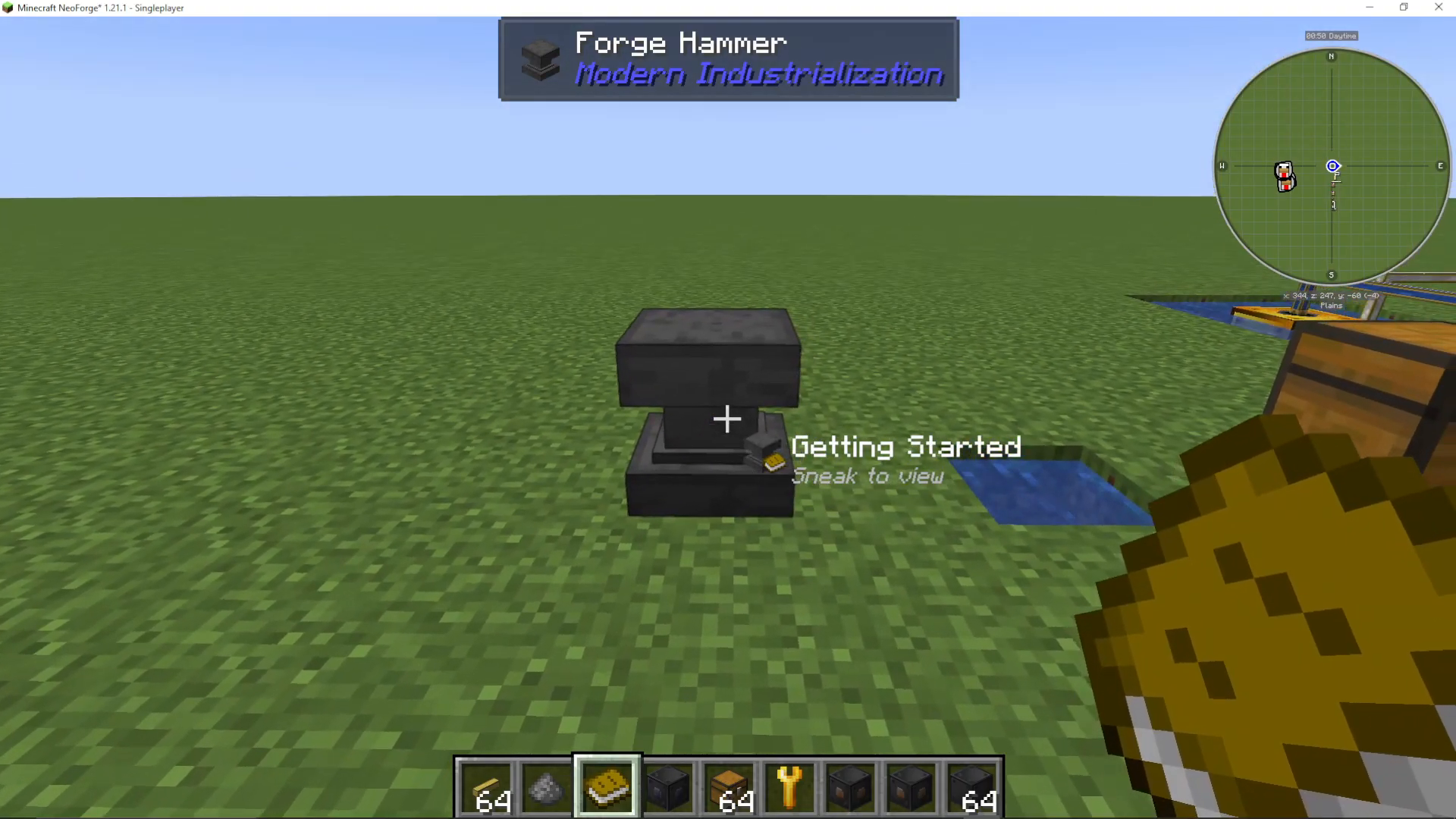
The Forge Hammer works by placing raw materials in the left slot and selecting recipes from the output options. You can equip different hammers (iron, nether-rite, steel, diamond) in the dedicated slot to increase output efficiency.
For example, placing iron ore yields raw iron. With an iron hammer equipped, the efficiency increases significantly—you’ll get four iron dust from one iron ore instead of two raw iron. To create an iron hammer, you need 32 iron ingots (four iron plates per ingot, requiring 8 ingots per plate).
Crafting Bronze Components
To make bronze, you need to create bronze dust in the Forge Hammer. Bronze dust requires three copper dust and one tin dust. Smelt the bronze dust to create bronze ingots.
Similarly, for fire clay bricks (needed for the bronze boiler), you’ll need fire clay dust, which is made from brick dust and clay bowls in the Forge Hammer.
The Bronze Boiler and Steam System
The bronze boiler is essential for generating steam. You’ll also need a bronze water pump to supply water.
To start the system, manually place a bucket of water in your furnace to create a steam bucket. Left-click this steam bucket into your bronze water pump to provide initial steam for operation.
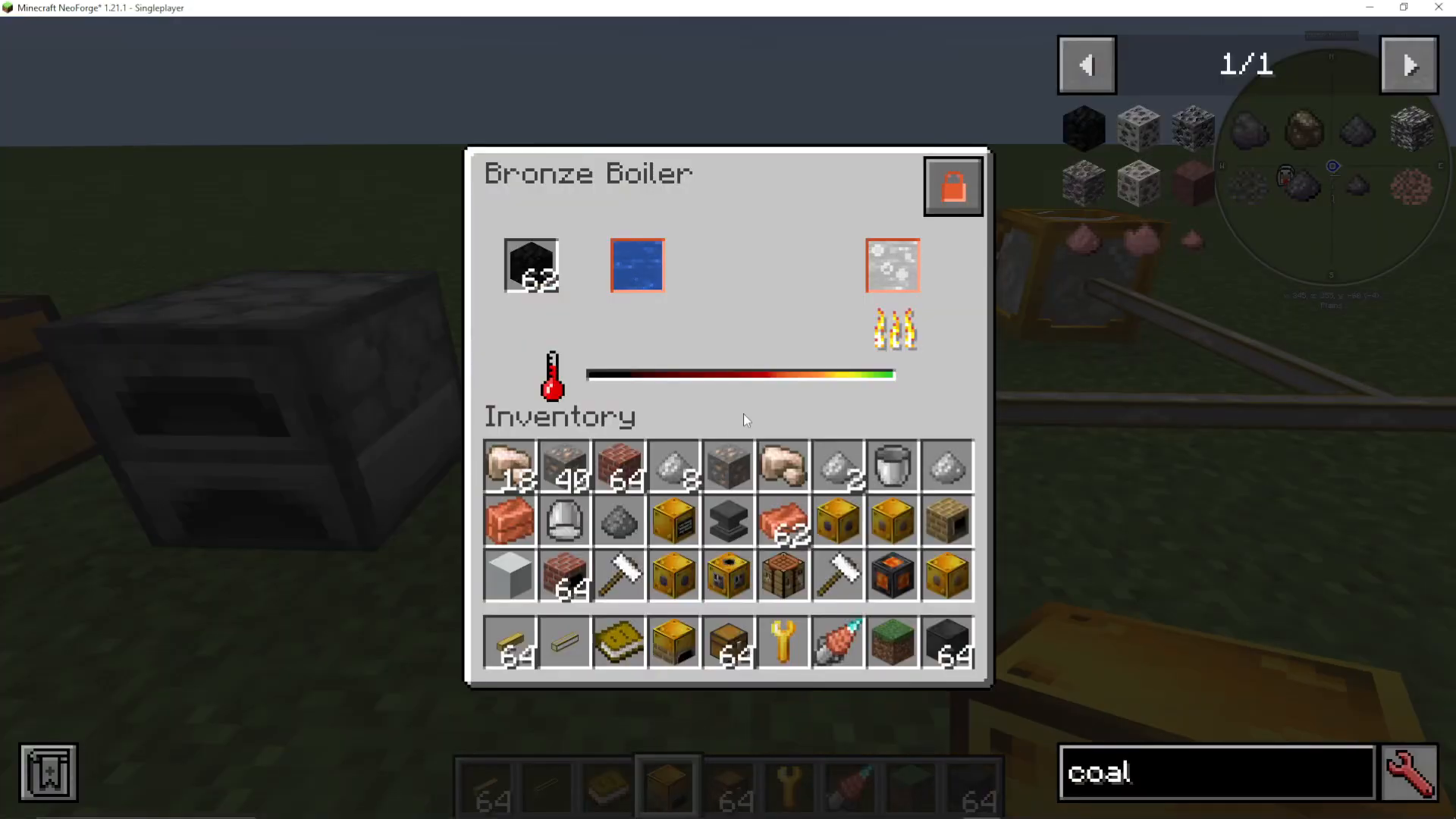
Once primed, use fluid pipes to connect your water pump to the boiler. Right-click the fluid pipe connections and set them to “extract only” for water output. Use a wrench (made from bronze plates) to connect pipes and configure input/output directions.
Place coal in the boiler and connect fluid pipes to pump water in and steam out. One fully operational bronze boiler can power four bronze machines simultaneously.
Bronze Machines
The Steam Age features five key bronze machines, each doubling efficiency compared to manual crafting:
Bronze Compressor: Compresses materials (e.g., 1 bronze ingot = 1 bronze plate, versus 2 ingots in the Forge Hammer)
Bronze Mixer: Mixes multiple materials (e.g., 3 copper dust + 1 tin = 4 bronze dust, versus 3 in crafting)
Bronze Massorator: Breaks down materials into dust or other forms
Bronze Cutting Machine: Cuts materials efficiently; requires lubricant (creosote-based)
Bronze Furnace: Doubles furnace speed
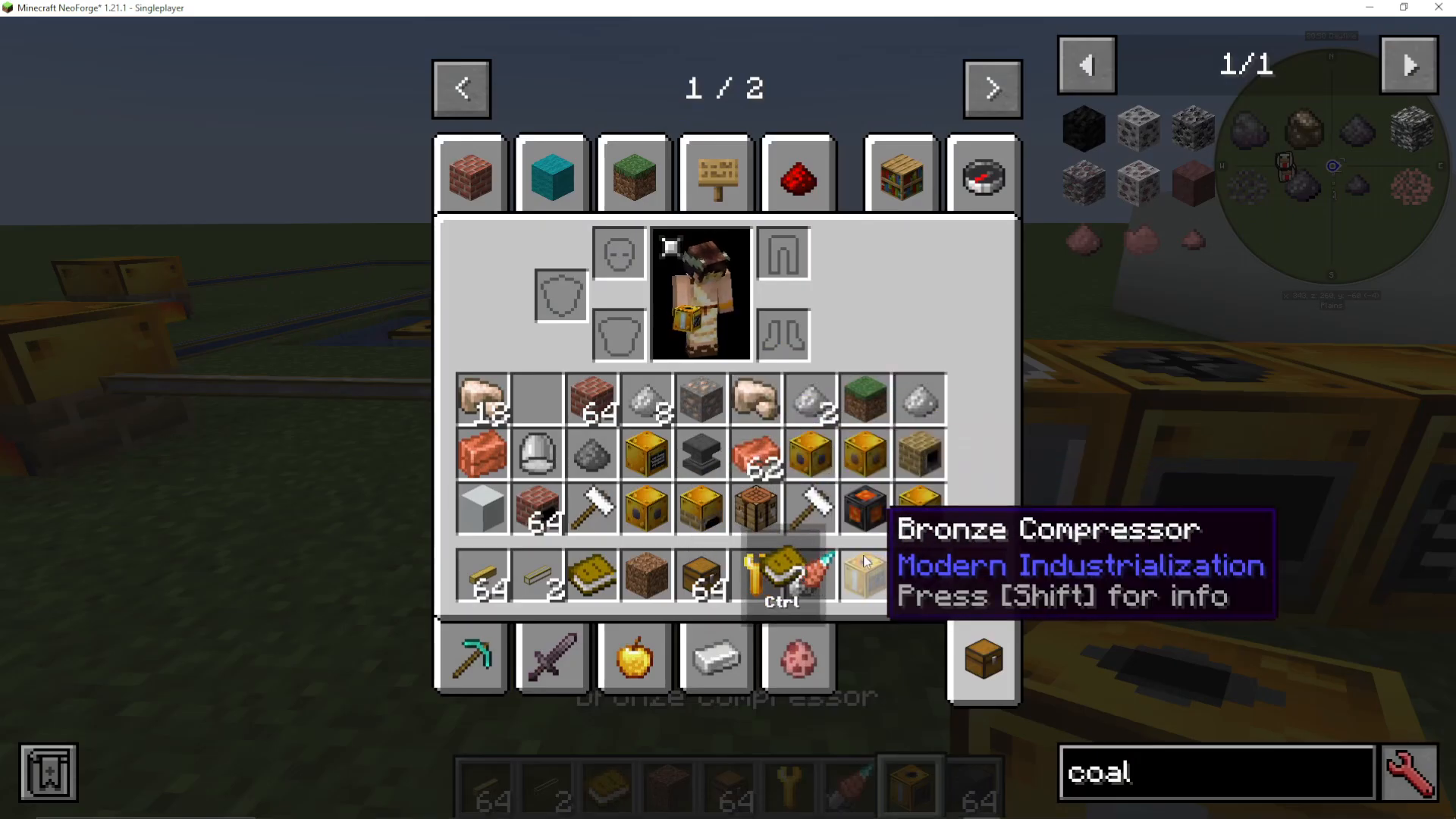
Important: These bronze machines are temporary. In the Electric Age, you’ll replace them with steel versions and eventually electric versions. Keep them for now but understand they won’t be permanent.
The Coke Oven
The coke oven is a multi-block structure that converts coal into coke and produces creosote as a byproduct.
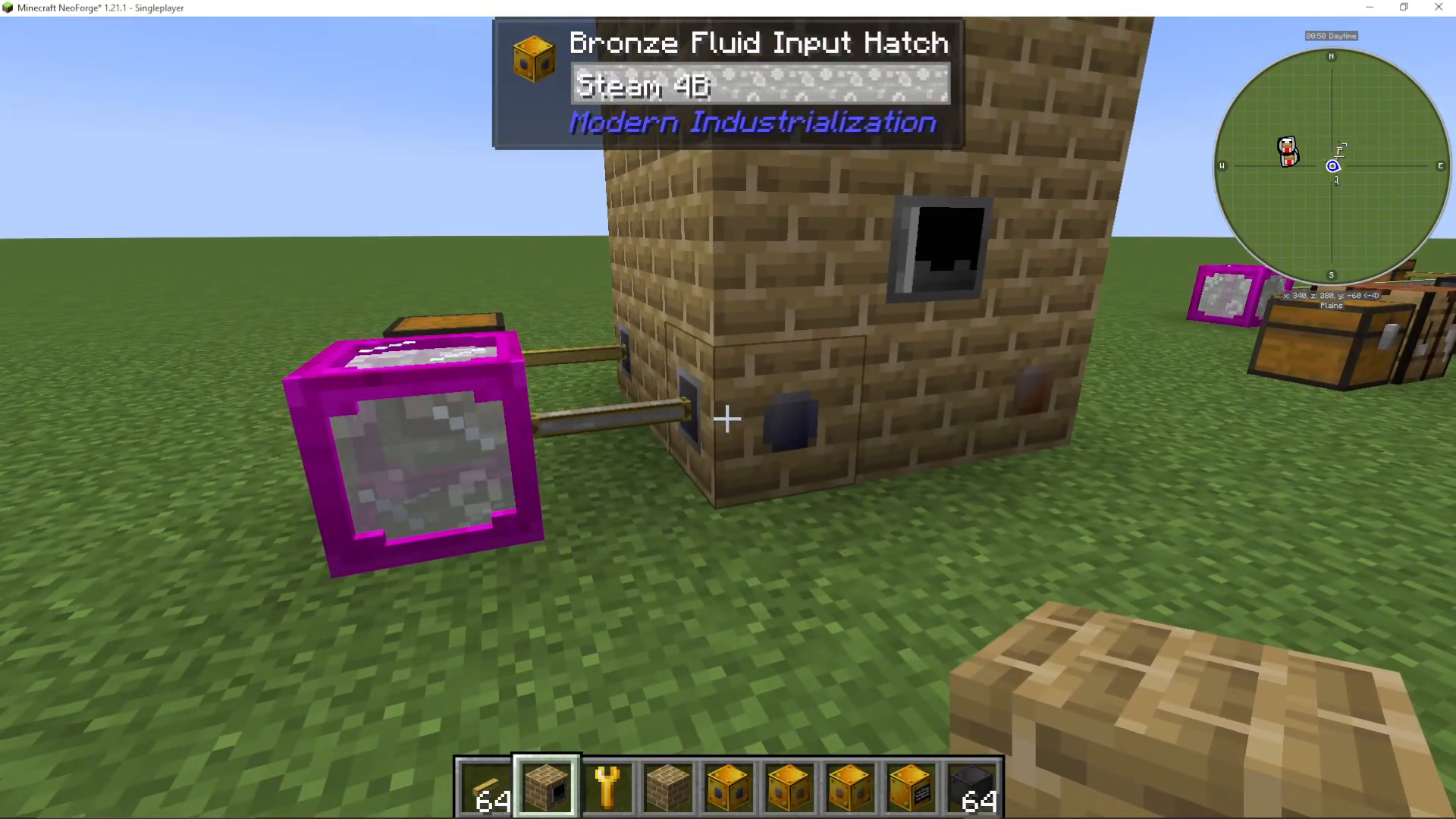
Build it with plain bricks and coke oven bricks as the center. Add four hatches: fluid input, fluid output, item input, and item output. Use your wrench to verify placement.
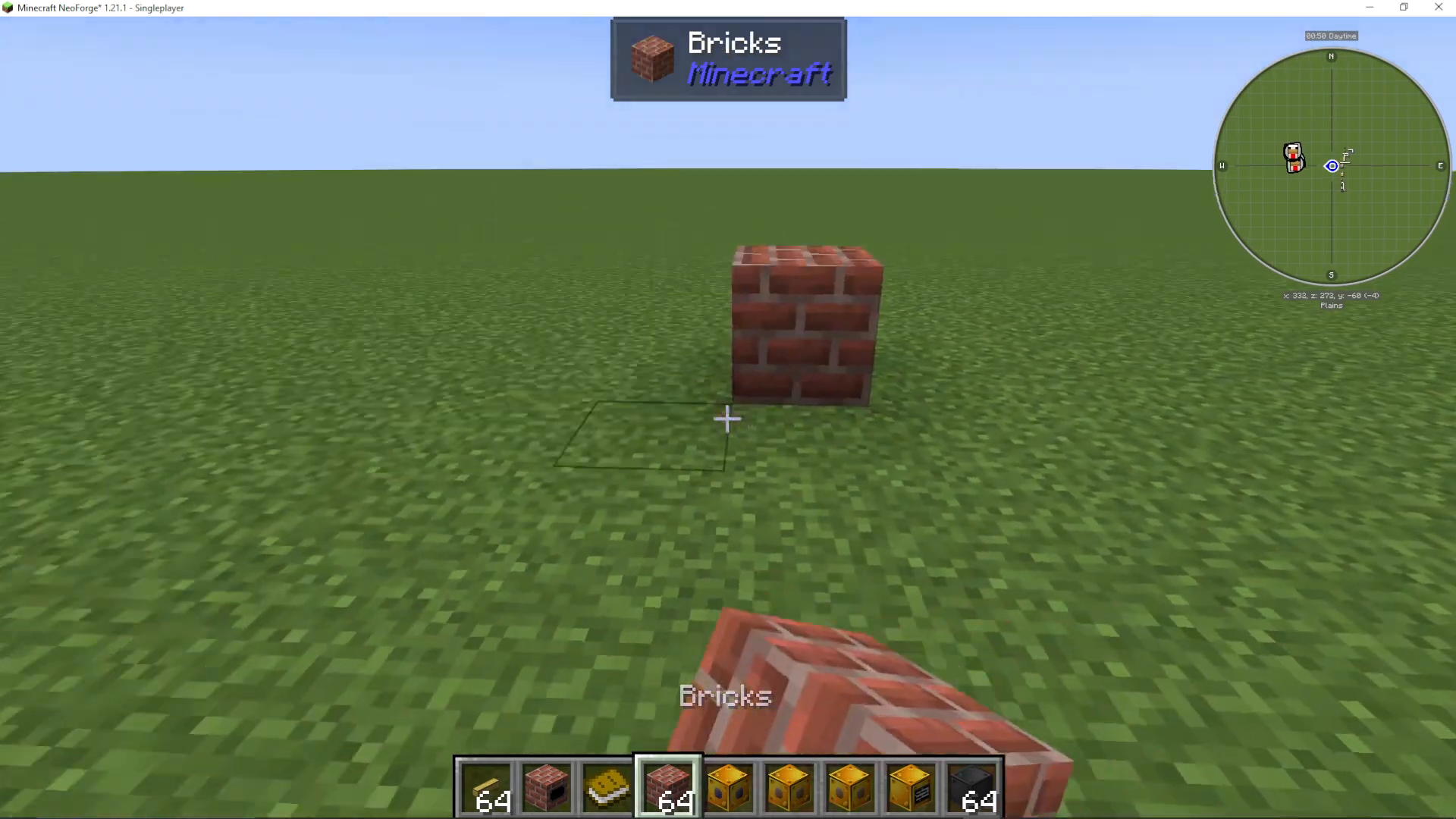
Once assembled, pump in steam through the fluid input and coal through the item input. After processing, you’ll receive coke and creosote. The creosote, when mixed with redstone dust in a mixer, becomes lubricant for your cutting machines.
The Steam Blast Furnace and Steel Production
The steam blast furnace produces steel ingots from uncooked steel dust. Build it as a 3-4 block tall structure with fire clay bricks, a steam blast furnace controller, and item/fluid hatches.
To make uncooked steel dust, combine iron dust and coke dust in your crafting table. Coke dust is made by running coke through your bronze massorator.
Pump steam into the fluid hatch and uncooked steel dust into the item input. After 30 seconds per ingot, you’ll receive steel ingots. You can overclock this by right-clicking gunpowder on the controller to double speed for a duration.
The Steel Quarry
The steel quarry is a large multi-block that automatically mines ores, generating them without needing ore deposits underneath. Build it with steel casings, steel pipe casings, and chains extending downward.
You’ll need bronze drill heads, which require item pipes, gears, and drill components. Add a steel item input hatch for drills and a fluid input for steam. Ores output from the item output hatch.
A single bronze drill can produce substantial quantities of ore. The quarry’s key advantage is that it never needs to be moved—it generates ores from nowhere.
Transitioning to the Electric Age
The Large Steam Boiler
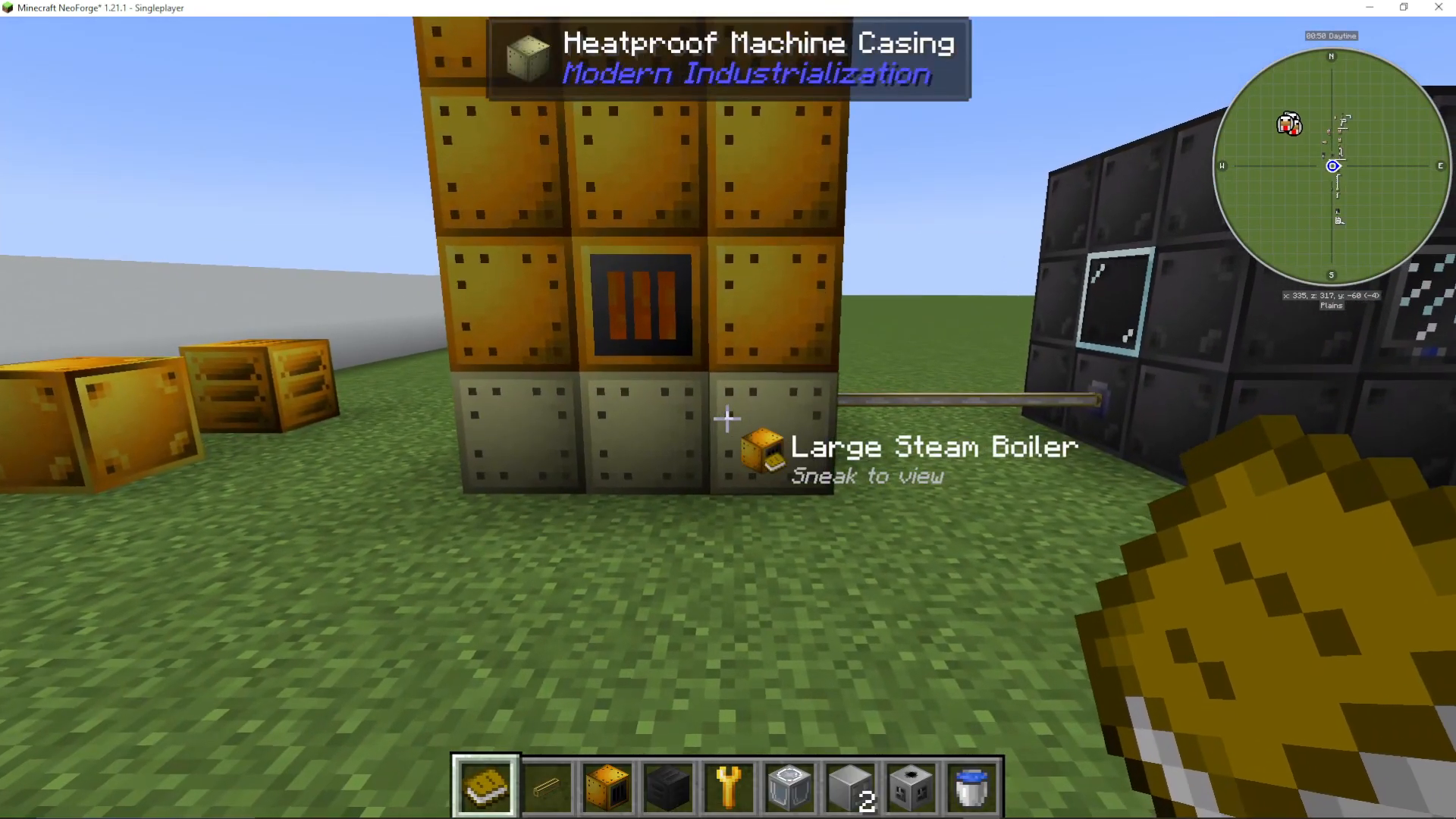
Before fully entering the Electric Age, upgrade to a large steam boiler. This multi-block uses coal 8 times faster than a single boiler and produces 256 millibuckets of steam when fully heated.
Important: 80% of unconsumed heat is lost, so operate at maximum output. Build with bronze plated bricks and heat-proof machine casings.
Wire Mills and Cables
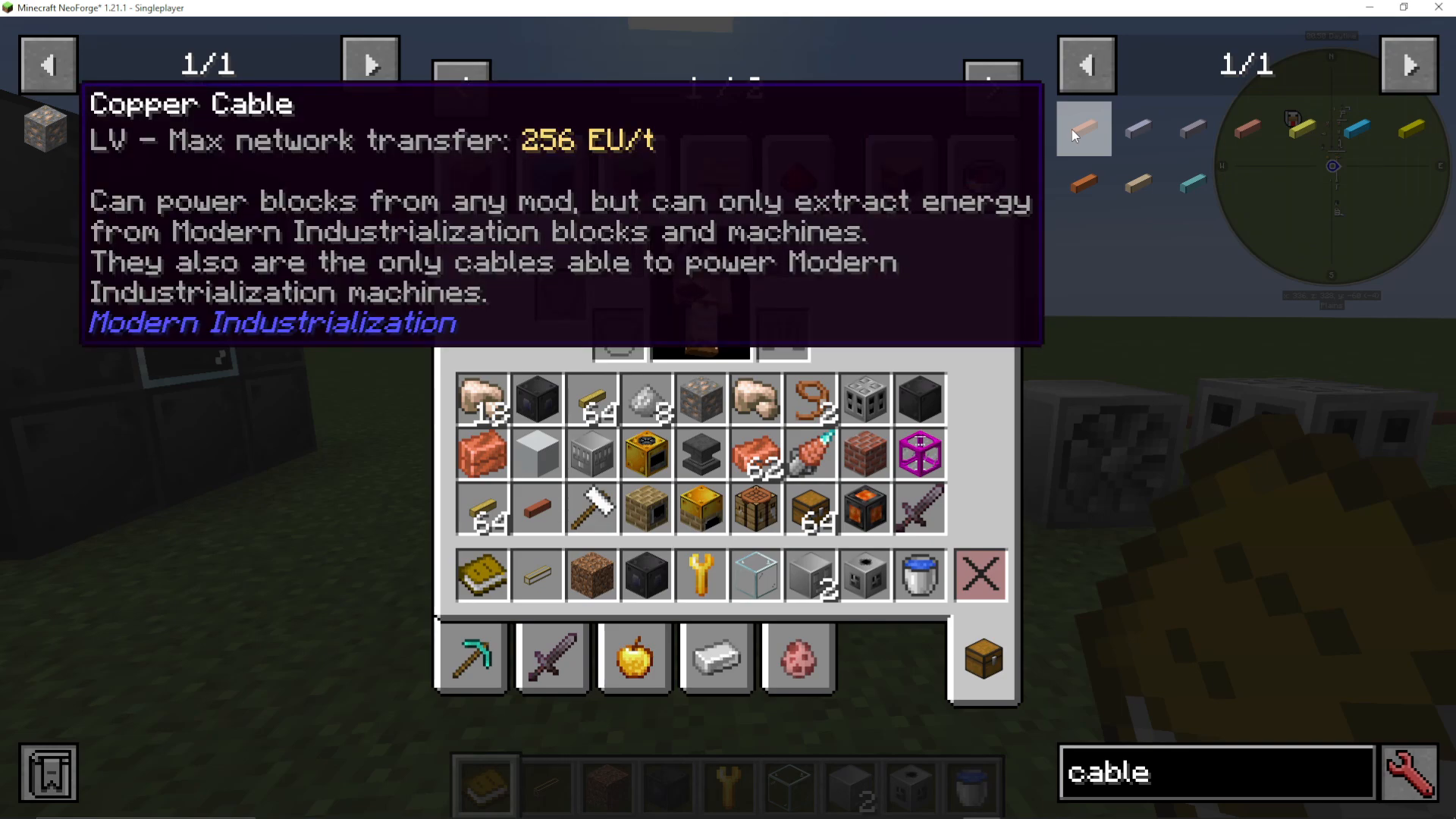
To transfer electricity, you need wires and cables. The steel wire mill produces annealed copper wire, aluminum wire, and other wire types from metal plates.
Copper cables are made by combining copper wire with rubber sheets using a crafting table or assembler. You’ll need rubber sheets, which are created by mixing synthetic oil and paper in a mixer.
Different cable types support different voltage levels:
Copper/Silver/Tin: Low Voltage (256 EU/tick)
Cupronickel: Medium Voltage (1024 EU/tick)
Aluminum: High Voltage (8192 EU/tick)
EV: 65,536 EU/tick
SV: 1,000,000+ EU/tick
Starting Electricity Generation
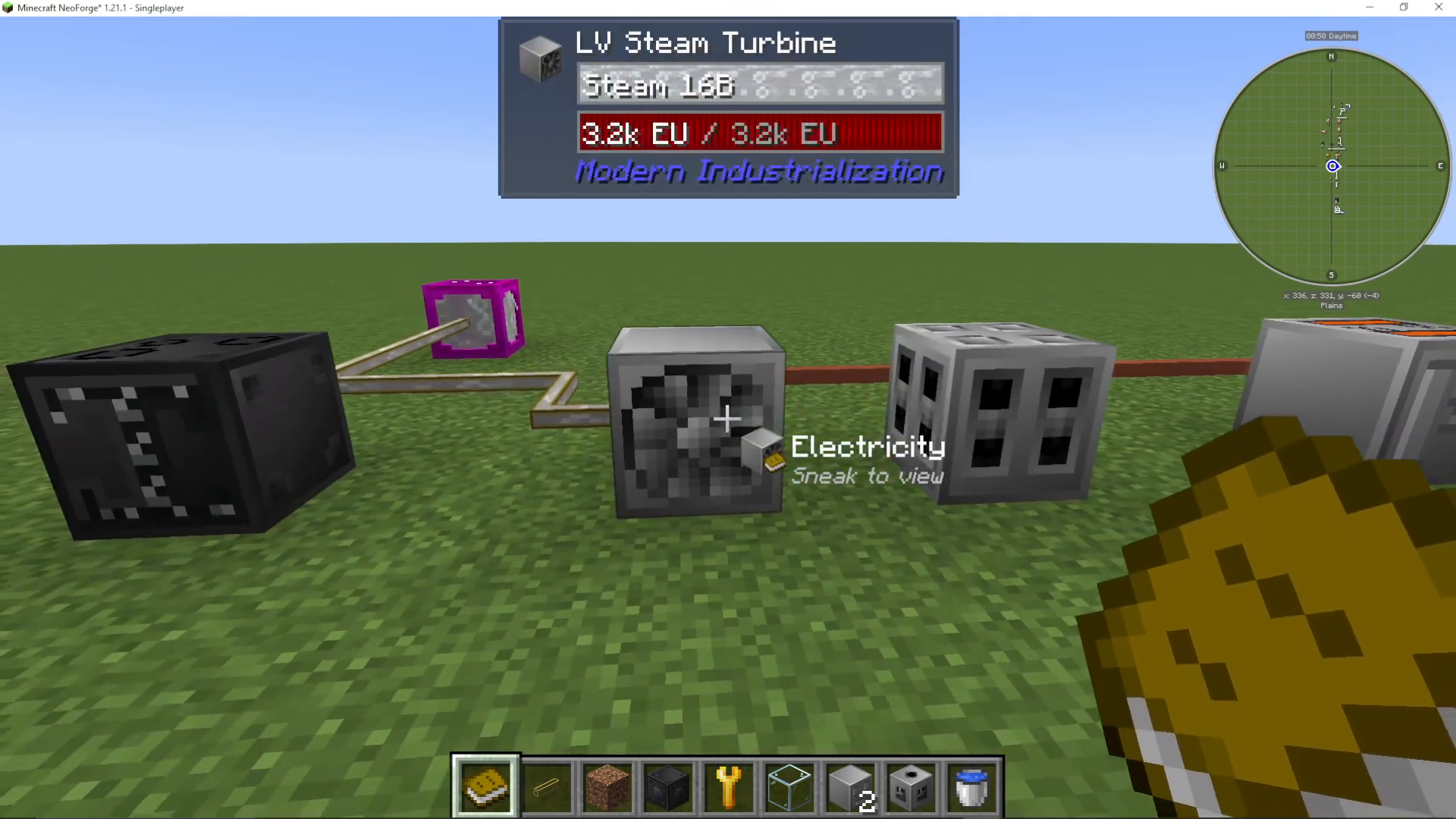
You have two primary options for generating electricity in the early Electric Age:
Low Voltage Steam Turbine: Pump steam into the turbine to generate electricity. Connect with copper cables to output energy to machines.
Low Voltage Diesel Generator: Can use creosote initially (before diesel production). Requires the same basic components as the steam turbine.
The Electric Blast Furnace (EBF)
The electric blast furnace is essential for producing aluminum and other advanced materials. Build it as a 3x3x3 hollow structure with heat-proof casings and cupronickel coils.
The primary early recipe is: aluminum ore or bauxite dust → aluminum ingots (using energy input).
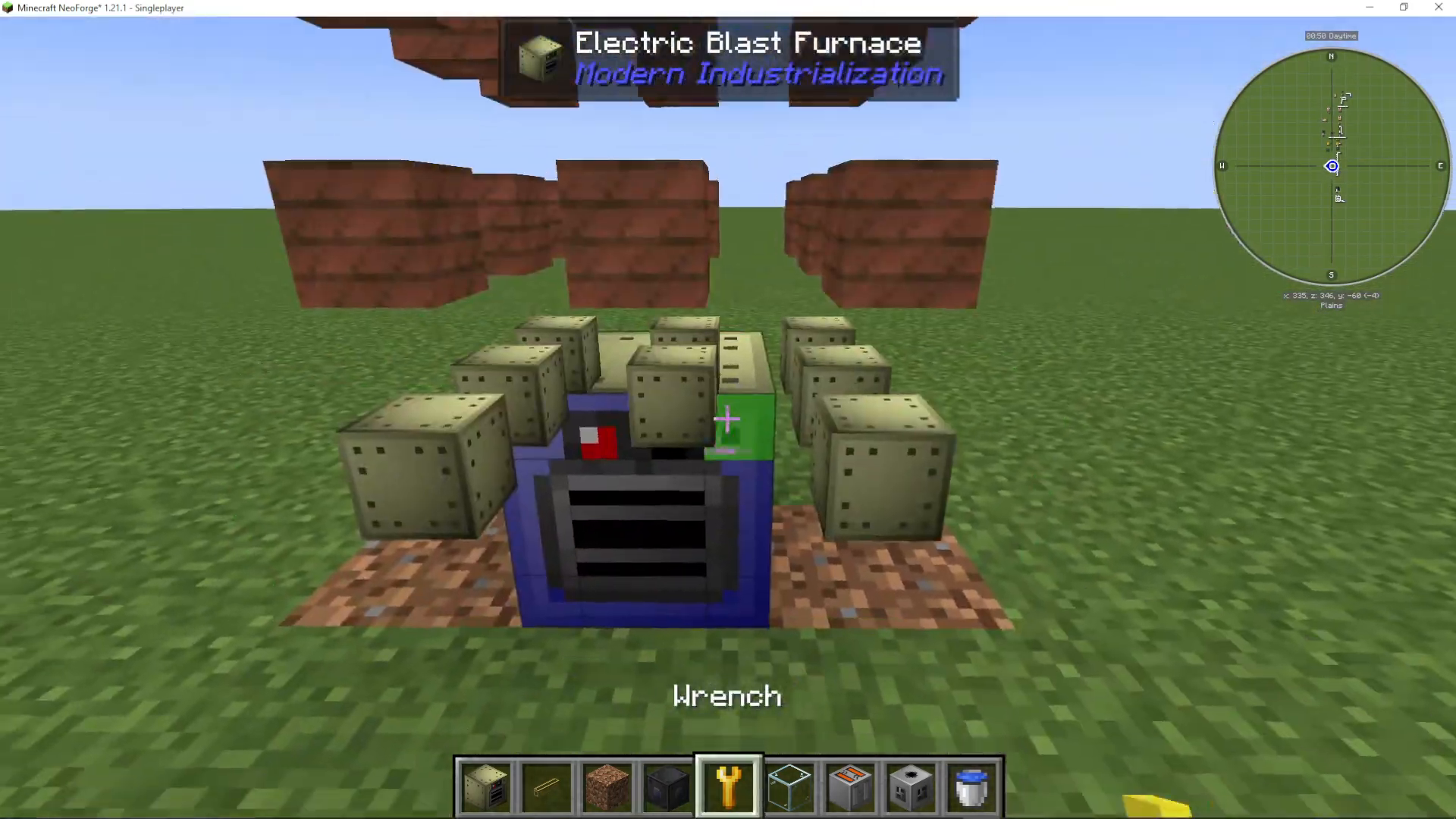
Later, upgrade to a Canful-tier EBF for higher-capacity recipes including titanium and uranium processing.
Advanced Electric Machines
Several new machines unlock with electricity:
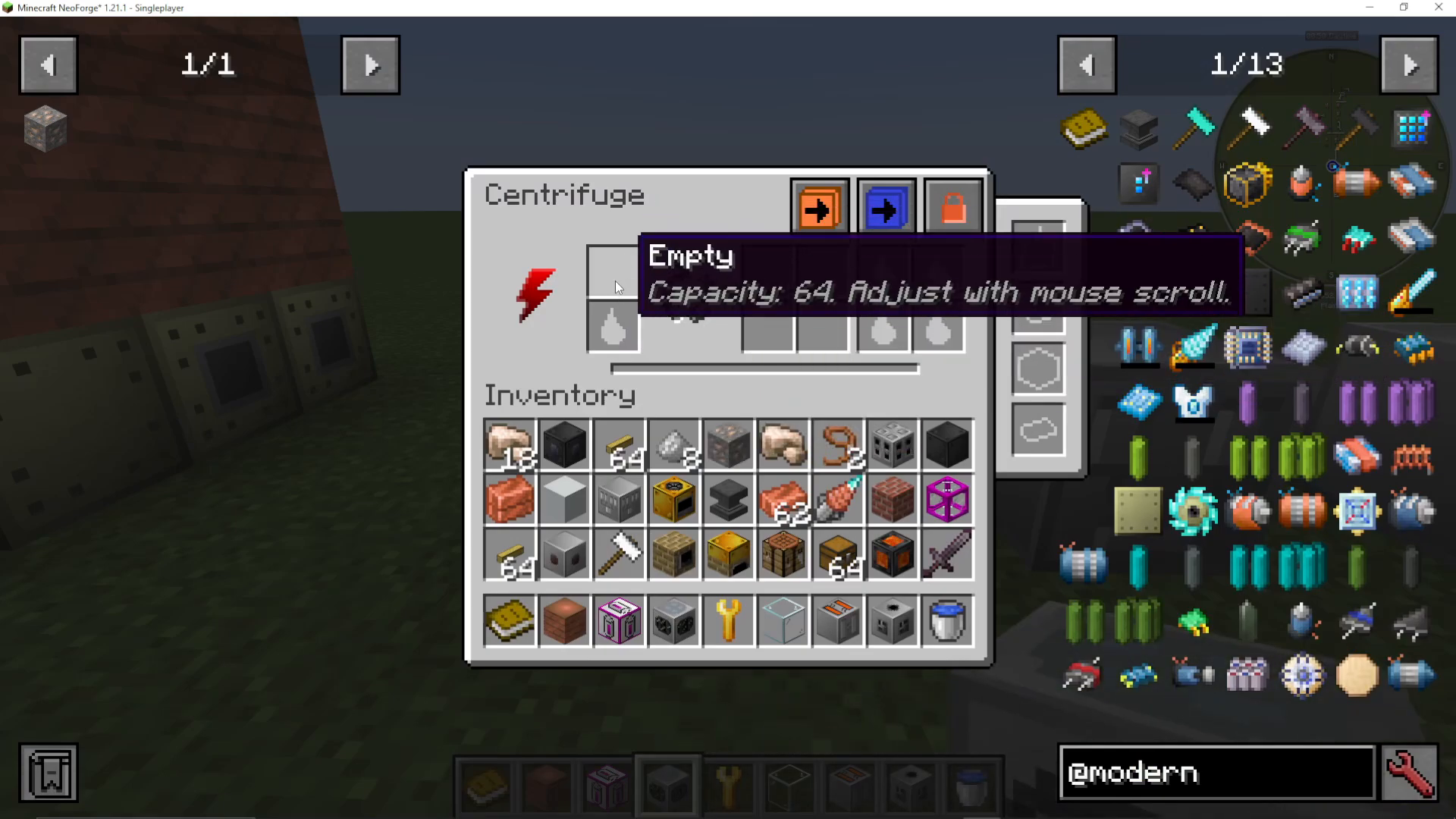
Centrifuge: Separates materials and makes plant oil from leaves
Chemical Reactor: Combines multiple fluids to create new compounds
Distillery: Separates fluids into components
Electrolyzer: Splits water into hydrogen and oxygen
Assembler: Combines items and fluids; can lock up to 3 recipes
Oil Drilling and Diesel Production
The oil drilling rig extracts crude oil from underground. Use aluminum drill heads for optimal crude oil output. Connect with fluid pipes to a central storage.
Diesel production is a multi-step process:
Distill crude oil into sulfuric light fuel and sulfuric heavy fuel using two distilleries
Mix each with hydrogen in separate chemical reactors to produce light fuel and heavy fuel
Mix light and heavy fuel together in an electric mixer to create diesel
Hydrogen comes from electrolyzing water. Pump the resulting diesel into a Medium Voltage diesel generator to produce 400 EU per millibucket.
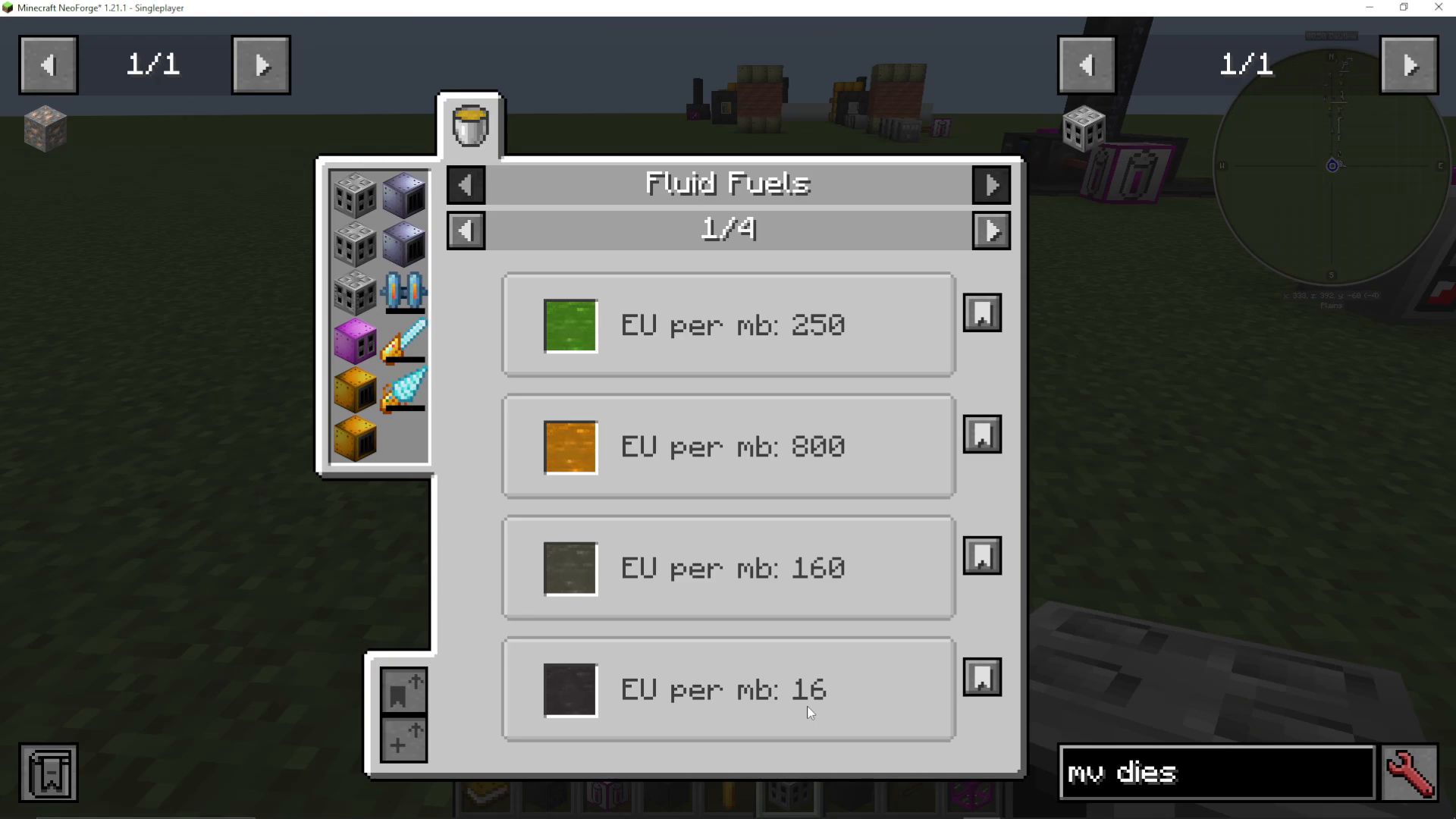
Alternatively, create boosted diesel by mixing regular diesel with diaethyl ether, doubling energy output to 800 EU per millibucket. This requires additional processing through the distillation tower and chemical reactors.
The Mid-Game: Advanced Materials and Machines
The Distillation Tower
The distillation tower is a multi-block that processes complex fluids into multiple outputs. Build it with stainless steel casings and adjust height from 3 to 9 blocks depending on recipes needed.
Example: Crude oil → sulfuric light fuel, sulfuric heavy fuel, and sulfuric naphtha.
Steam cracking naphtha produces methane, acetylene, ethylene, propene, butadiene, benzene, toluene, and ethylbenzene—components needed for advanced synthesis.
Stainless Steel Production
Making stainless steel is one of the most complex multi-step processes:
Centrifuge raw iron to get iron dust and manganese crushed dust
Process manganese crushed dust through a chemical reactor with sulfuric acid, then electrolyzer to get manganese dust
Mine nickel ore and break it down to nickel dust
Create chromium dust from redstone: centrifuge redstone → ruby dust → centrifuge ruby dust → chromium crushed dust → process with hydrochloric acid → electrolyze to chromium dust
Make hydrochloric acid from salt and water through multiple steps
Mix all four dusts (iron, manganese, nickel, chromium) in an electric mixer to create stainless steel dust
Smelt in a Canful-tier EBF to create hot stainless steel ingots, then vacuum freeze to final ingots
This process is intentionally complex but becomes routine once set up. Use color-coded pipes to track material flows.
Platinum and Titanium
Mine platinum ore using stainless steel quarry drills. Process through a chemical reactor with sulfuric acid, centrifuge, electrolyzer, and packer to produce platinum dust for the EBF.
Titanium is obtained similarly by mining titanium ore and processing with manganese sulfuric solution in the Canful EBF.
Processing Units and Quantum Tier Preparation
Processing units are among the most advanced items, requiring:
Memory Management Units (silicon wafers, platinum fine wire, emerald plates)
Random Access Memory (silicon wafers, argon, antimony dust, styrene butadiene rubber)
Processing Unit Boards (annealed copper, cadmium batteries, digital circuits, platinum plates, polyvinyl chloride)
These require careful orchestration of multiple production lines but use mostly machines and materials you’ve already established.
Large Diesel Generators and Extreme Voltage Power
Large diesel generators produce 16,384 EU per tick (extreme voltage). Build them using titanium pipe casings and solid titanium machine casings, requiring processing units and highly advanced machine hulls.
Supply with boosted diesel through a fluid input hatch. Connect the EV energy output hatch to superconductor cables (annealed copper or platinum) for distribution.
End-Game: Nuclear Power and Fusion
The Implosion Compressor
The implosion compressor uses industrial TNT to compress materials at extreme pressures. Build it with blast-proof alloy large plates (requiring 2,304 mixed blast-proof ingots initially).
Uses include creating ultra-dense metal balls, singularities, beryllium ingots, and nuclear alloy plates—critical for nuclear reactors.
Nuclear Reactors
Nuclear reactors generate heat and produce deuterium and tritium from water and heavy water inputs. Build them in various sizes (small, medium, large, extreme) using nuclear alloy plates.
Use online reactor design templates (modern-industrialization.com) to avoid manual calculation. Template designs specify exact fluid inputs and outputs for stable operation.
Key inputs are uranium fuel rods (made from uranium and lubricant) and water/heavy water. The reactor won’t explode but will destroy items if temperature exceeds safe levels.
Fusion Reactors and Plasma Turbines
The fusion reactor combines deuterium and tritium to produce helium plasma and hydrogen. It’s the final energy generation step, producing up to 1,000,000 EU per tick through a plasma turbine at 100,000 EU per millibucket of helium plasma.
Quantum-tier items like singularities (created in the implosion compressor) can be electrolyzer to produce UU-matter, which feeds replicators for item duplication.
Quantum armor and tools provide creative flight, invincibility, and instant block destruction with proper suit combinations.
Conclusion
Modern Industrialization is a deep and rewarding mod that challenges players with complex multi-block structures and production chains while gradually introducing new mechanics across distinct technological ages. What begins with simple bronze machines evolves into nuclear fusion reactors and quantum matter replication. Success requires patience, careful planning, and strategic use of automation. The mod’s progression is deliberately paced to teach new systems incrementally, making even the most complex end-game content manageable once you understand the fundamentals.
— Want to Support? — If you would like to help us continue making these guides – please consider joining our patreon here – https://www.patreon.com/c/JaviHeals Alternatively – we host a group of MC Servers you can join here – https://discord.gg/zD7Gjt6MHF “`