






How to Make Liquid Polyethylene in Gregtech CEu
How to Make Liquid Polyethylene in Gregtech CEu
As you progress in Gregtech CEu and begin upgrading your machines to medium voltage, you’ll need to learn how to produce liquid polyethylene. This is an essential component for crafting advanced integrated circuits and transistors. This guide walks you through the complete process, from gathering raw materials to the final product.
Overview: Why You Need Liquid Polyethylene
To create an advanced integrated circuit in medium voltage, you’ll need a transistor. The transistor requires three items: fine tin wire (easy to make), a silicon plate, and liquid polyethylene. Liquid polyethylene is the most complex of these to produce, as it involves multiple machines and chemical reactions.
Step 1: Create Biomass Using a Brewery
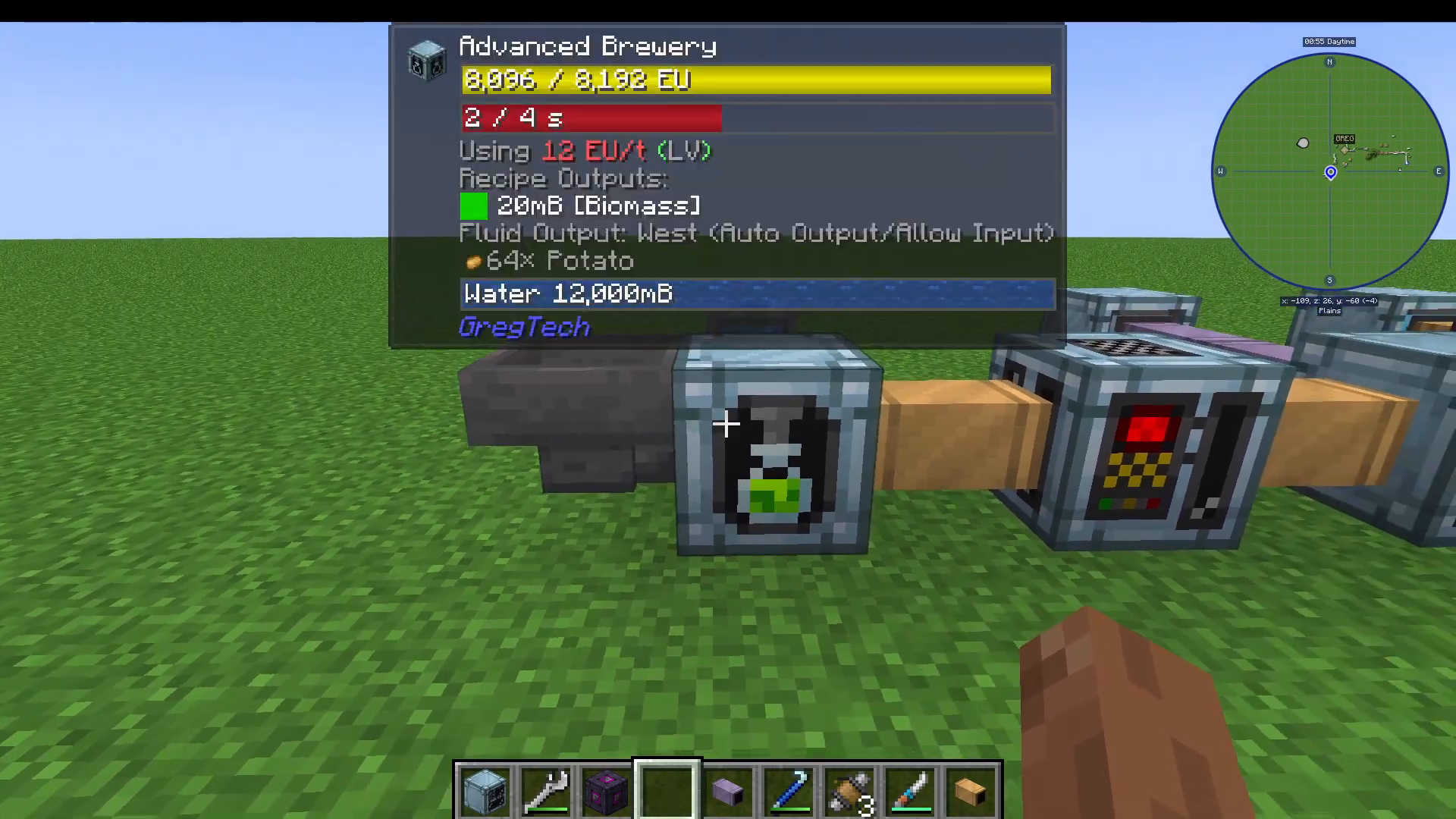
Start by setting up an advanced brewery (though a basic brewery also works). Use a hopper to insert potatoes into the machine along with water. The potatoes and water will combine to create biomass. You can use various vegetables for this recipe, so use whatever you have available.
Step 2: Process Biomass in an Advanced Distillery
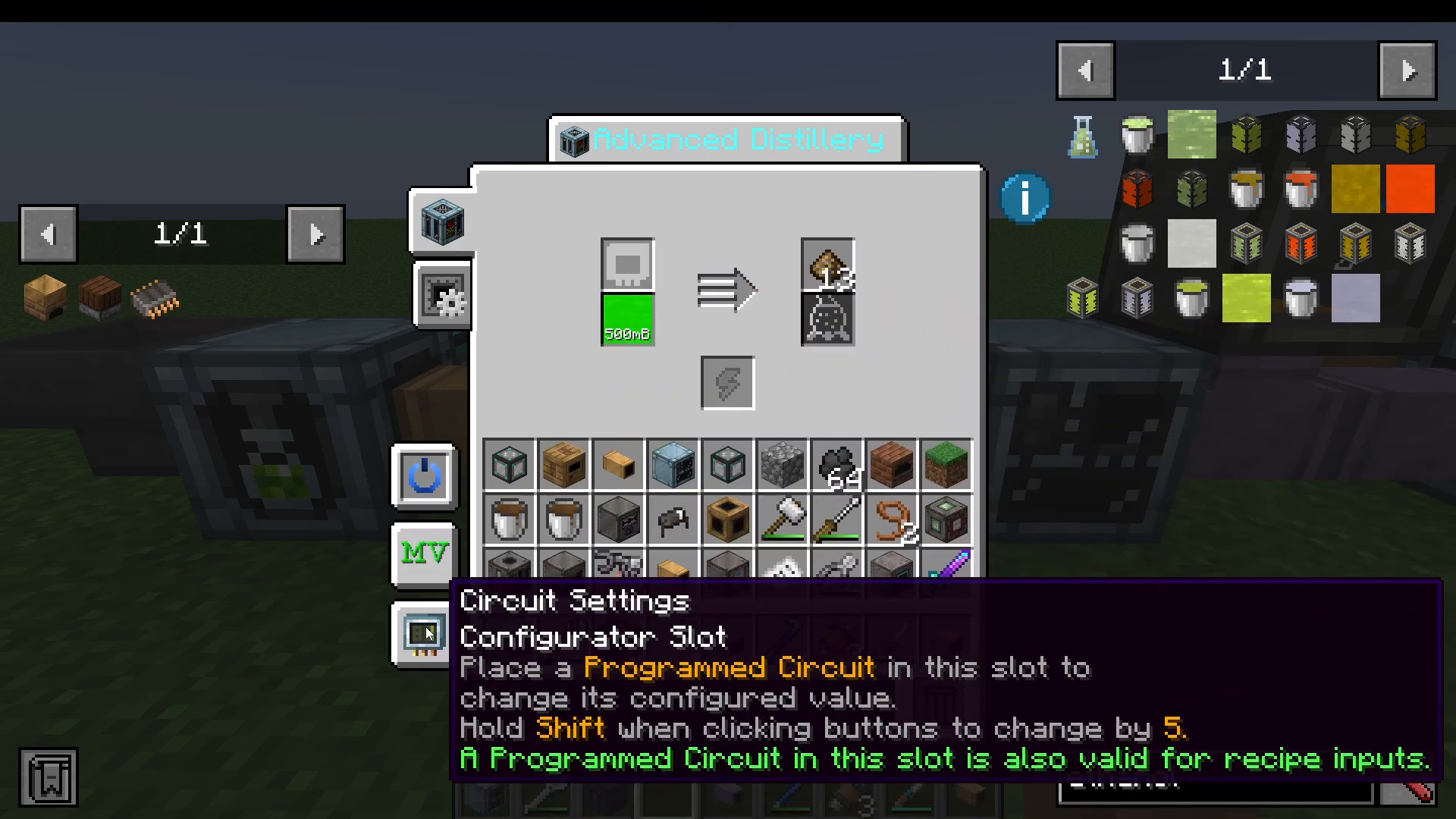
Export the biomass from your brewery into an advanced distillery. Set the circuit to setting 1. The distillery will convert the biomass into two products: wood pulp and ephanol. You can discard the wood pulp and keep the ephanol for the next step. From one bucket of biomass, you’ll receive 600 millibuckets of ephanol.
Step 3: Make Vanadium Steel Pipes (Important for Sulfuric Acid Transport)
Why Vanadium Steel?
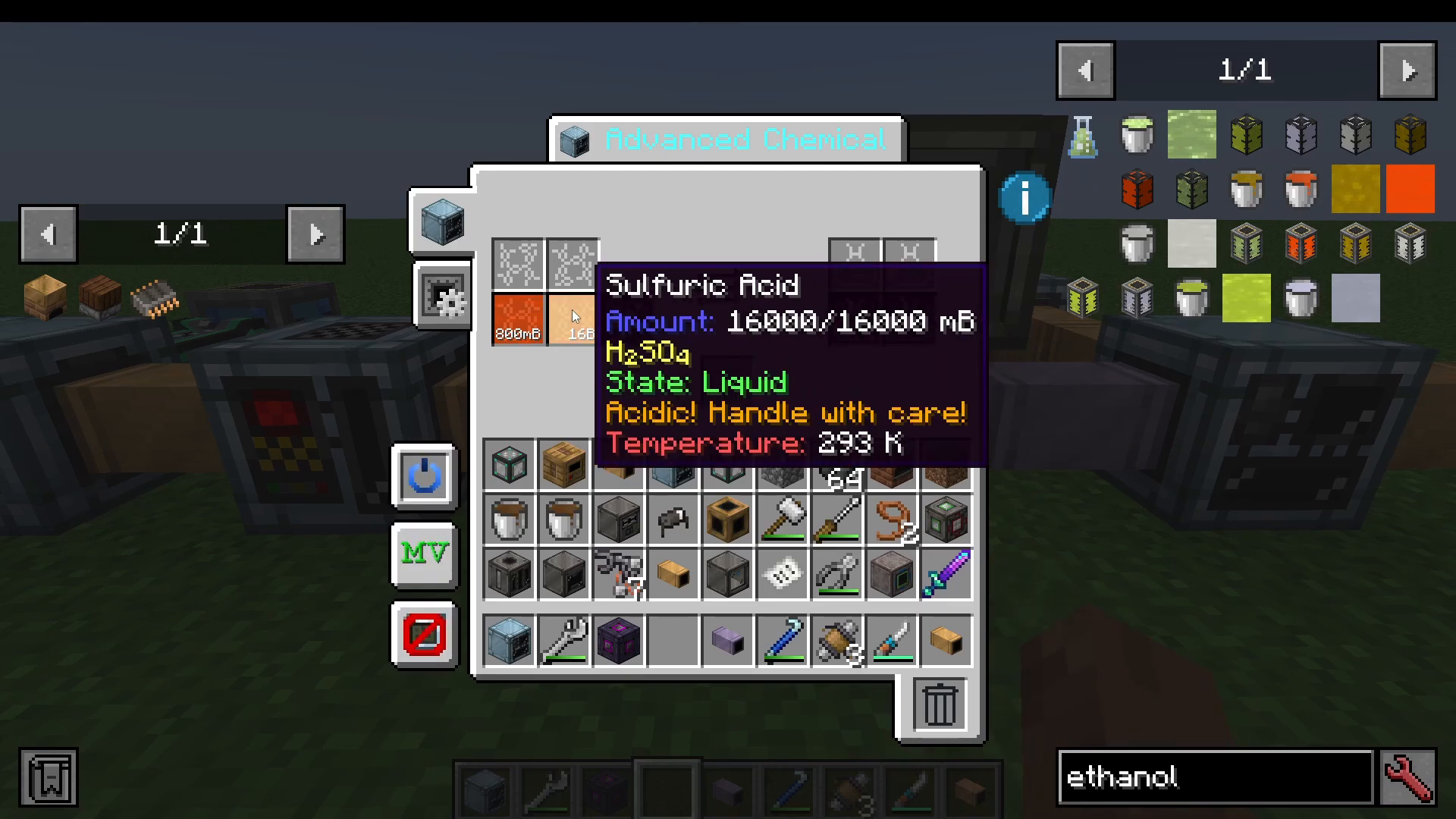
Before proceeding, you need to understand that sulfuric acid is highly acidic and cannot be transported through normal bronze fluid pipes. Vanadium steel pipes are the easiest option for safe transport of sulfuric acid.
Crafting Vanadium Steel
Vanadium steel dust is created in a mixer using three materials: chromium dust, vanadium dust, and steel dust. You should already know how to make steel from earlier progression. Both vanadium and chromium are ores that can be mined and processed normally.
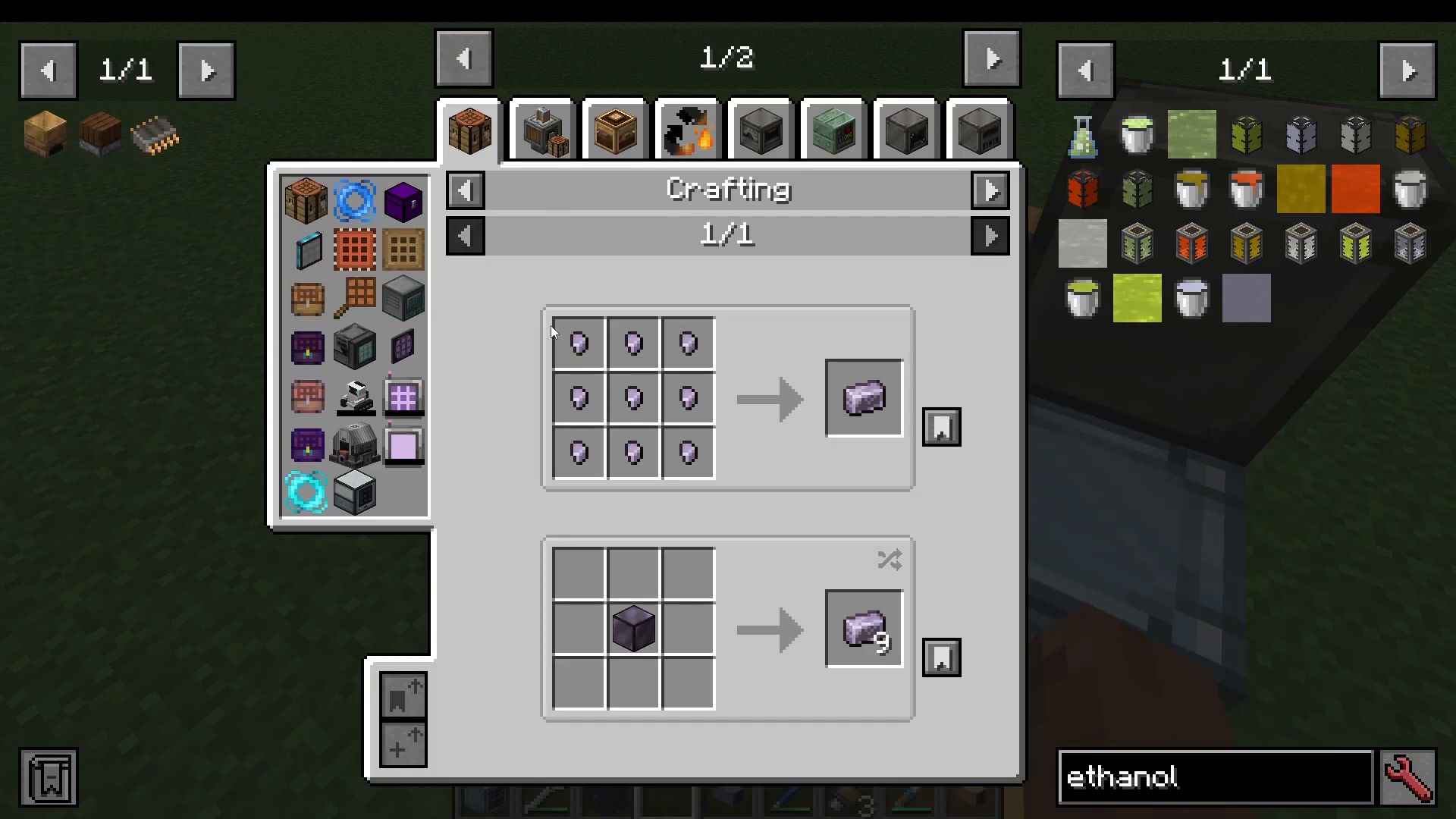
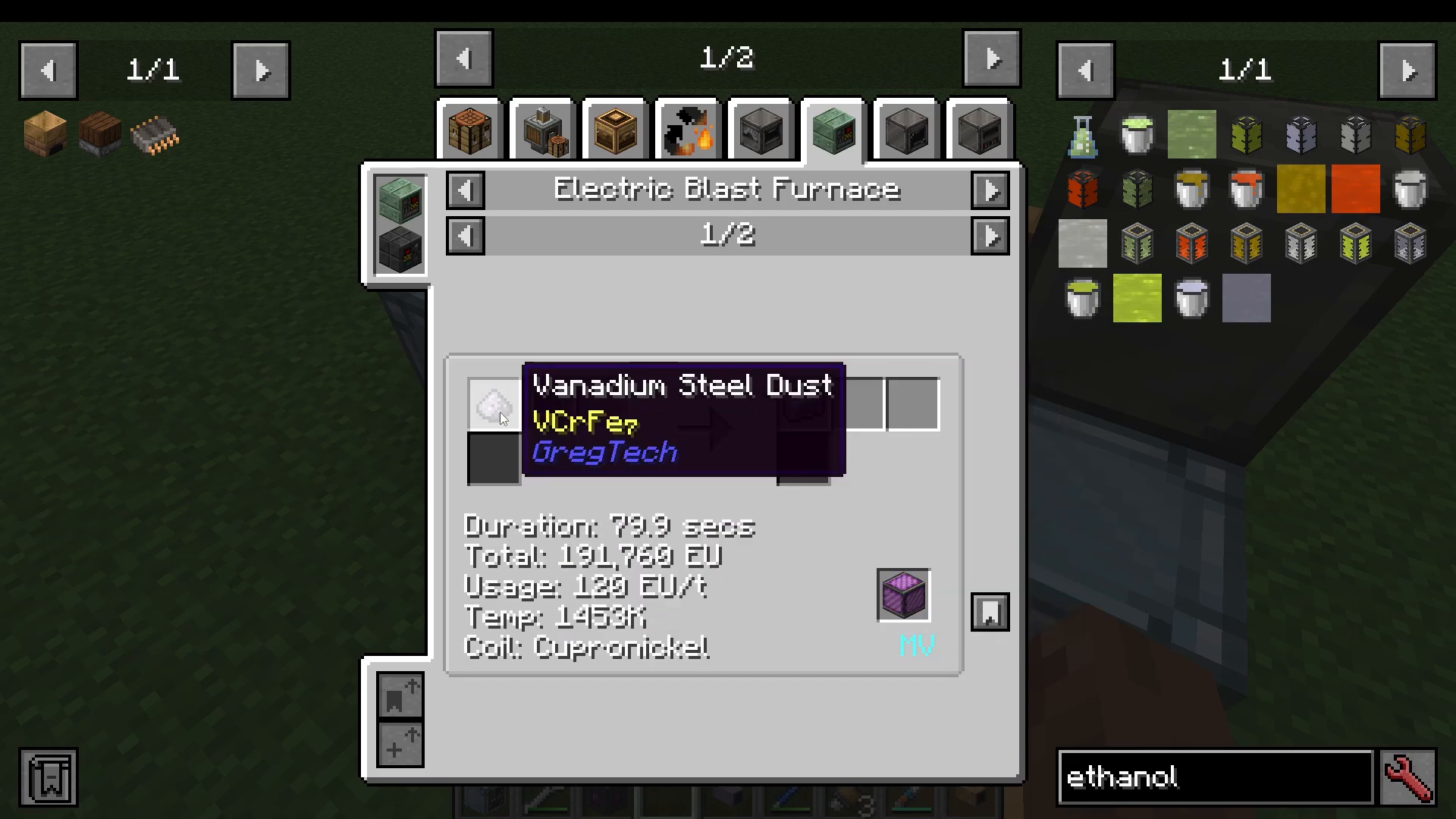
Take the vanadium steel dust and process it in an electric blast furnace (EBF) with a program circuit set to 1. You can use your basic EBF that you’ve already made. This creates vanadium steel ingots.
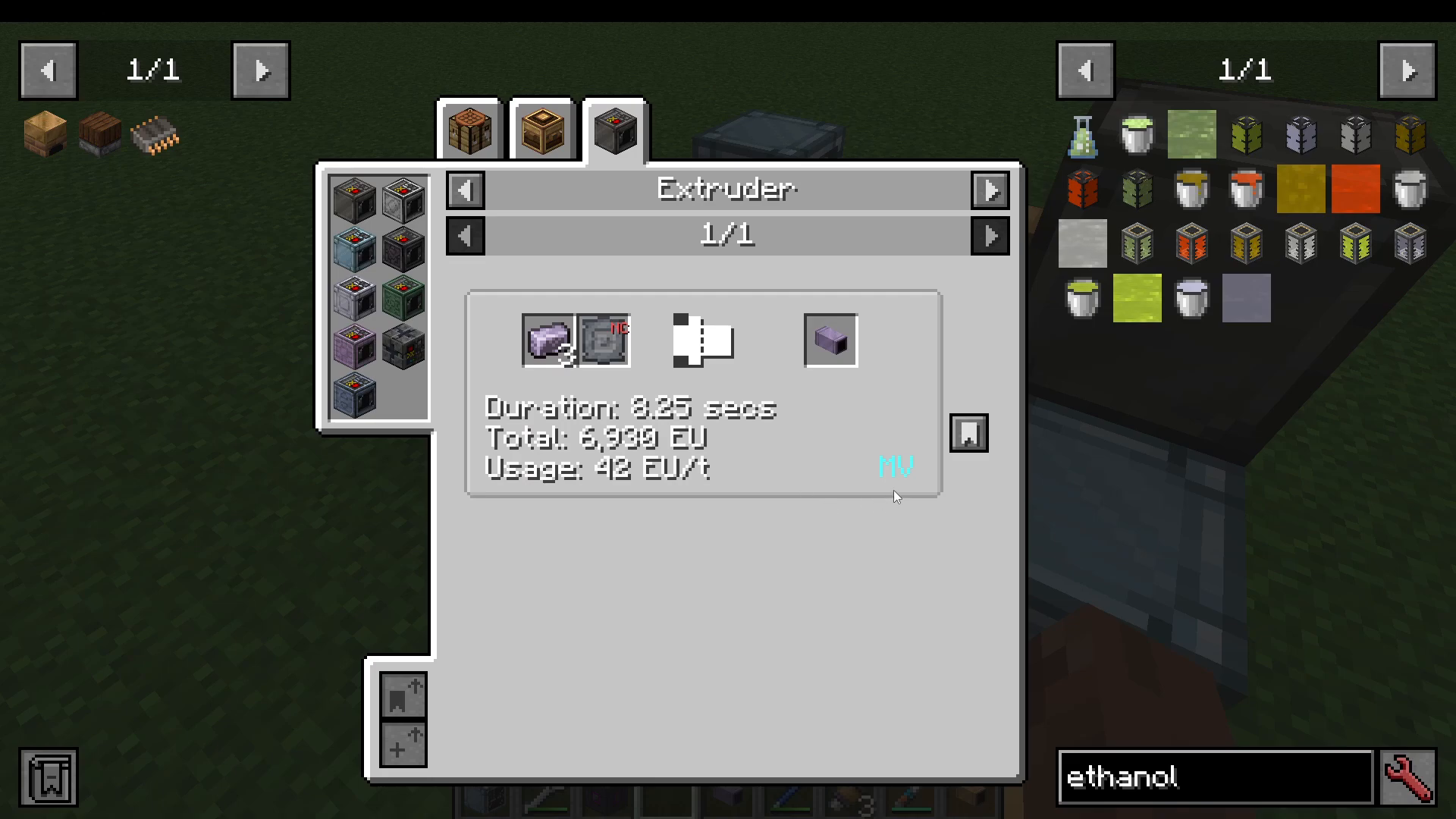
Finally, use a medium voltage extruder with an extruder mould to convert vanadium steel ingots into vanadium steel fluid pipes. Note that you must use a medium voltage extruder for this recipe.
Step 4: Produce Sulfuric Acid
If you’ve forgotten how to make sulfuric acid, here’s a reminder. You should have been making this already in your progression.
Sulfuric Acid Recipe
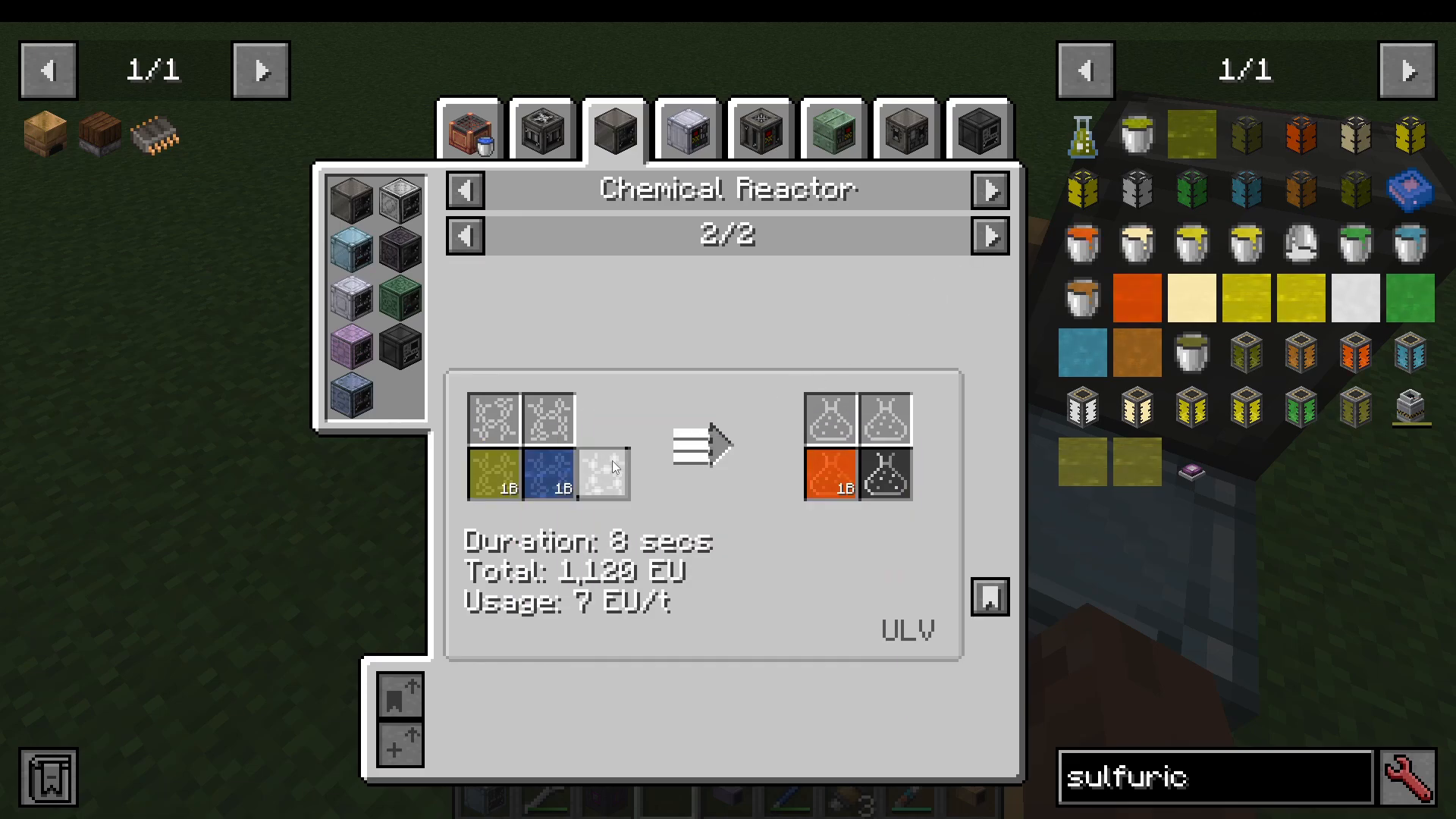
In a chemical reactor, combine water with sulfur dioxide to create sulfur trioxide. Then, in another chemical reactor reaction, combine sulfur trioxide with sulfur dioxide and oxygen to produce sulfuric acid. Oxygen can be made through various methods you’ve learned earlier.
Step 5: Handle Diluted Sulfuric Acid Byproduct
Understanding the Problem
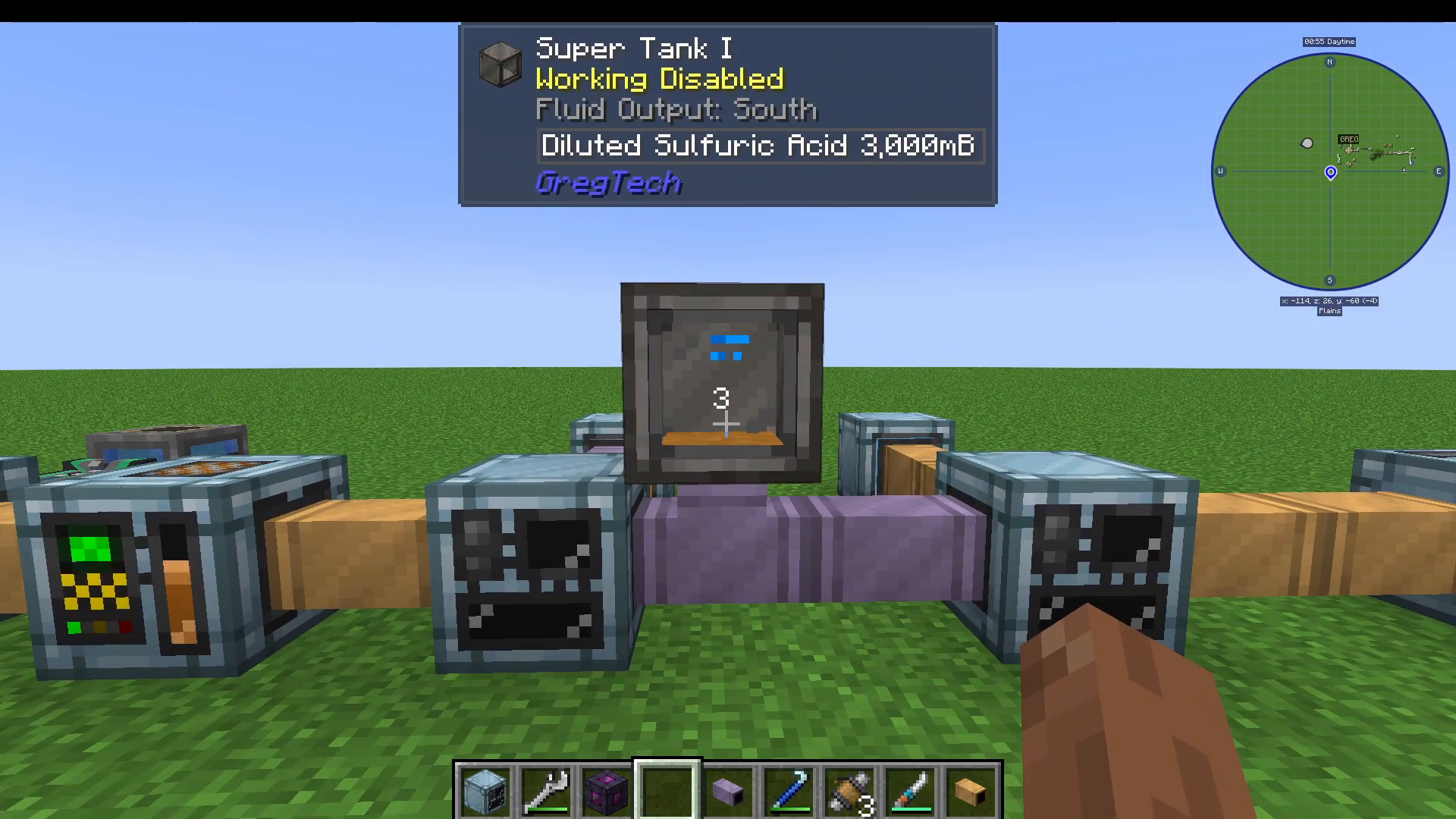
When you mix sulfuric acid with ephanol in the next step, you’ll create ephylene as the main product, but diluted sulfuric acid will also be produced as a byproduct. This byproduct needs to be managed carefully to prevent fluid backup in your pipes.
Setting Up Fluid Filters
Use an electric pump with a fluid filter to manage your fluids. You can right-click the pump onto the side of a machine, then shift right-click to access the fluid filter settings. Unlike robot arms for items, electric pumps are used specifically for filtering fluids.
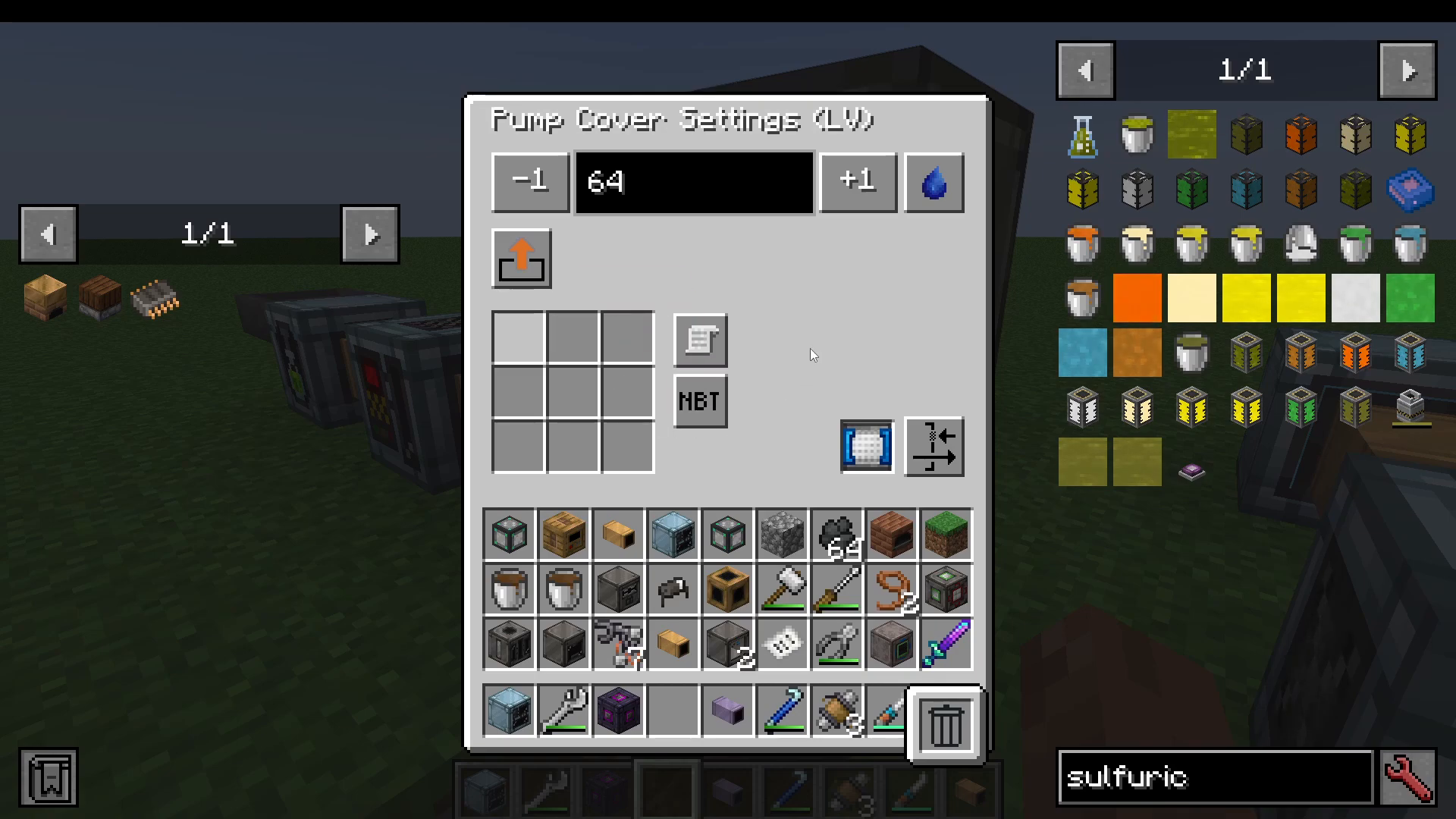
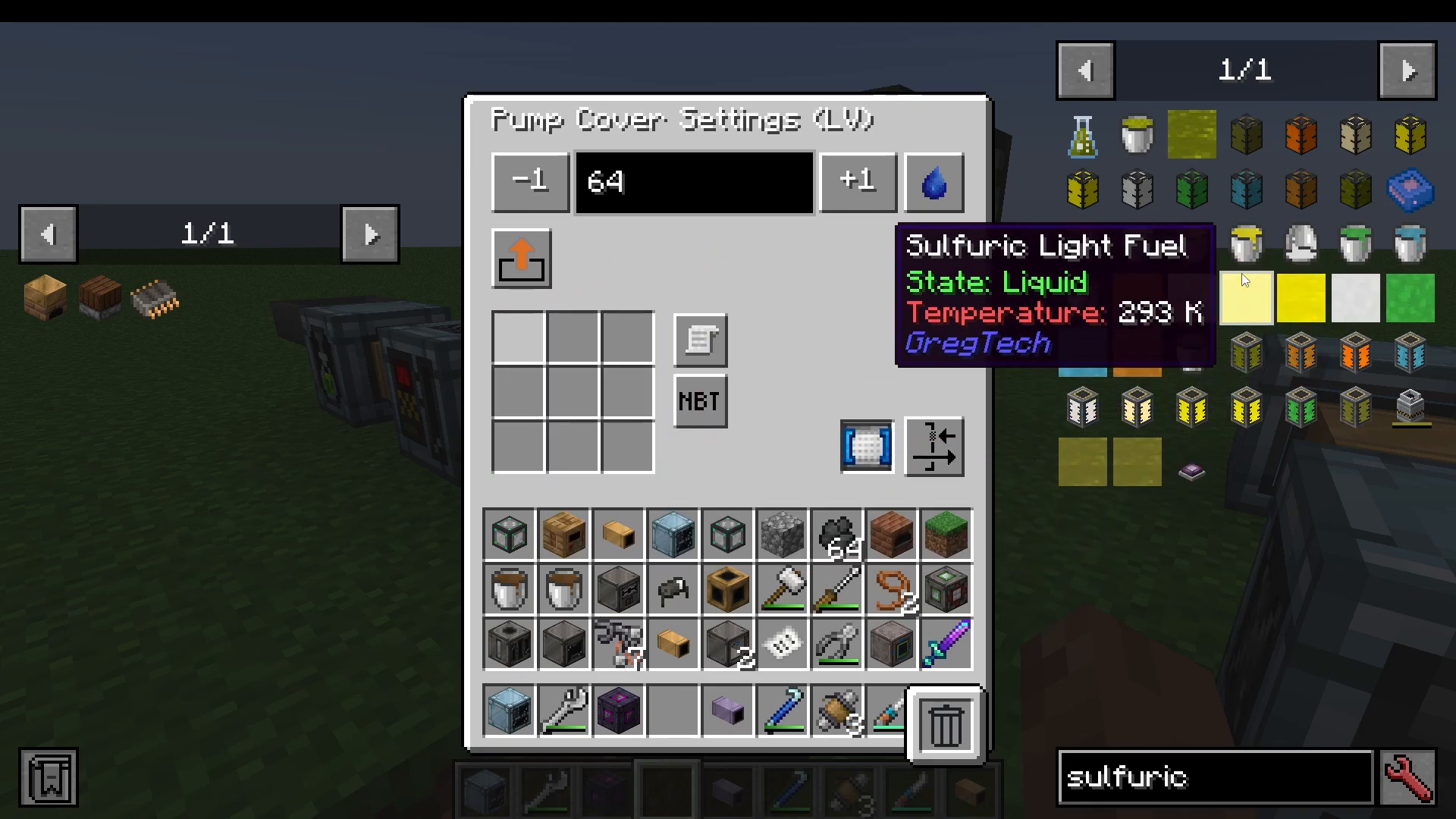
Configure the filter to whitelist ephylene only. Set the filter to operate on import rather than export, as this prevents diluted sulfuric acid from entering your chemical reactor where you don’t want it.
Using a Super Tank
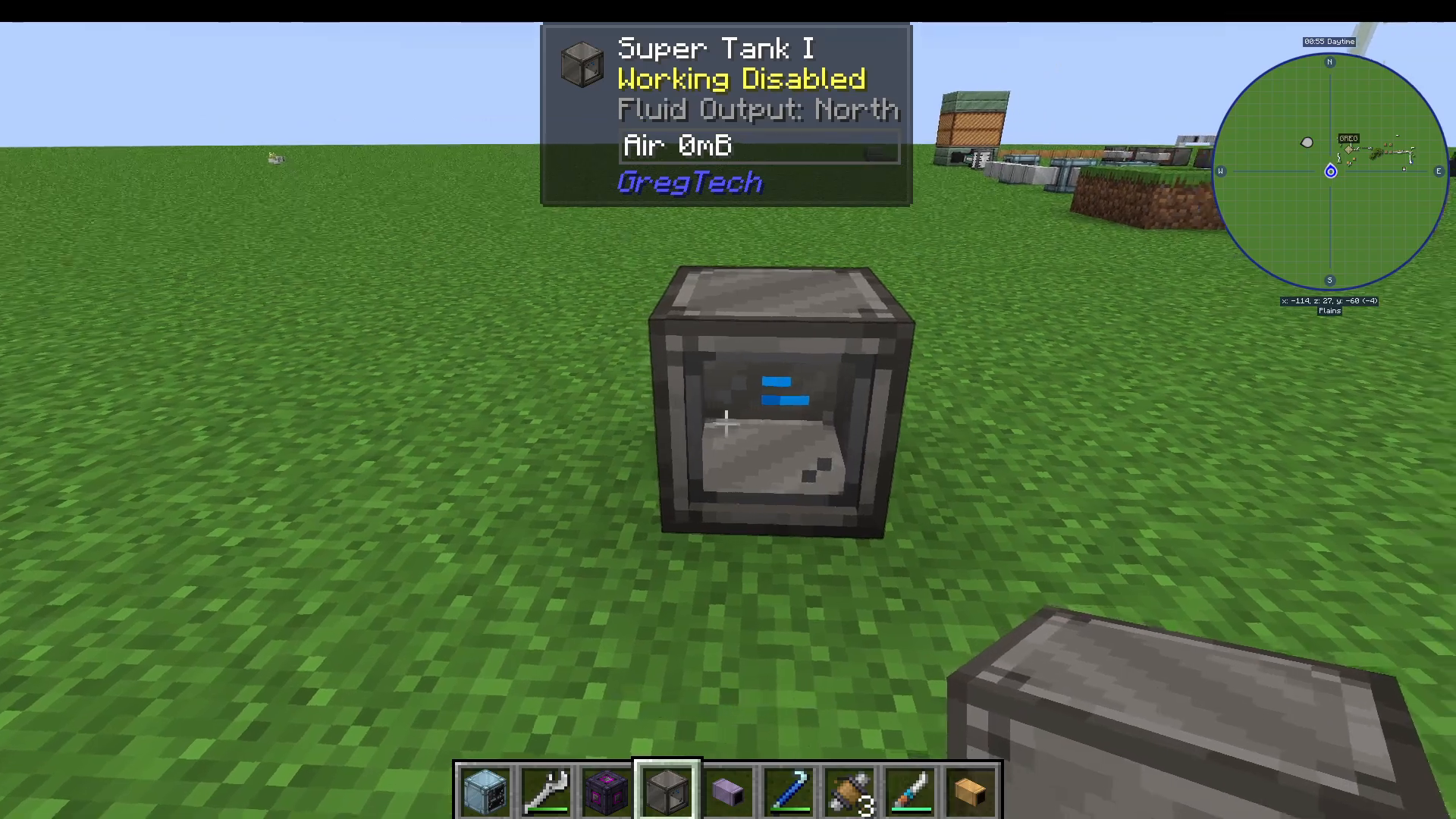
Immediately after your advanced chemical reactor (where ephanol and sulfuric acid mix), place a Super Tank 1 dedicated to collecting the diluted sulfuric acid byproduct. You must set up an electric pump on this tank with a filter to import diluted sulfuric acid. The key is to do this immediately so that fluid doesn’t slosh around in your pipes.
In the Super Tank, click the “fluid voiding disabled” button to enable fluid voiding. This will only void the fluid once the tank is full, so you don’t lose your desired fluids.
Important Note on Super Tank Setup
To create a Super Tank 1, you need a hermetic casing, which requires large polyethylene fluid pipes. This means you’ll need to manually make some initial polyethylene before fully automating this process. Get a bucket, manually extract some ephylene from your first batch, process it through the advanced chemical reactor with oxygen to make polyethylene, then use a fluid solidifier to convert a few buckets of polyethylene into polyethylene ingots. Convert these into a polyethylene fluid pipe, then use it to make your hermetic casing for the Super Tank.
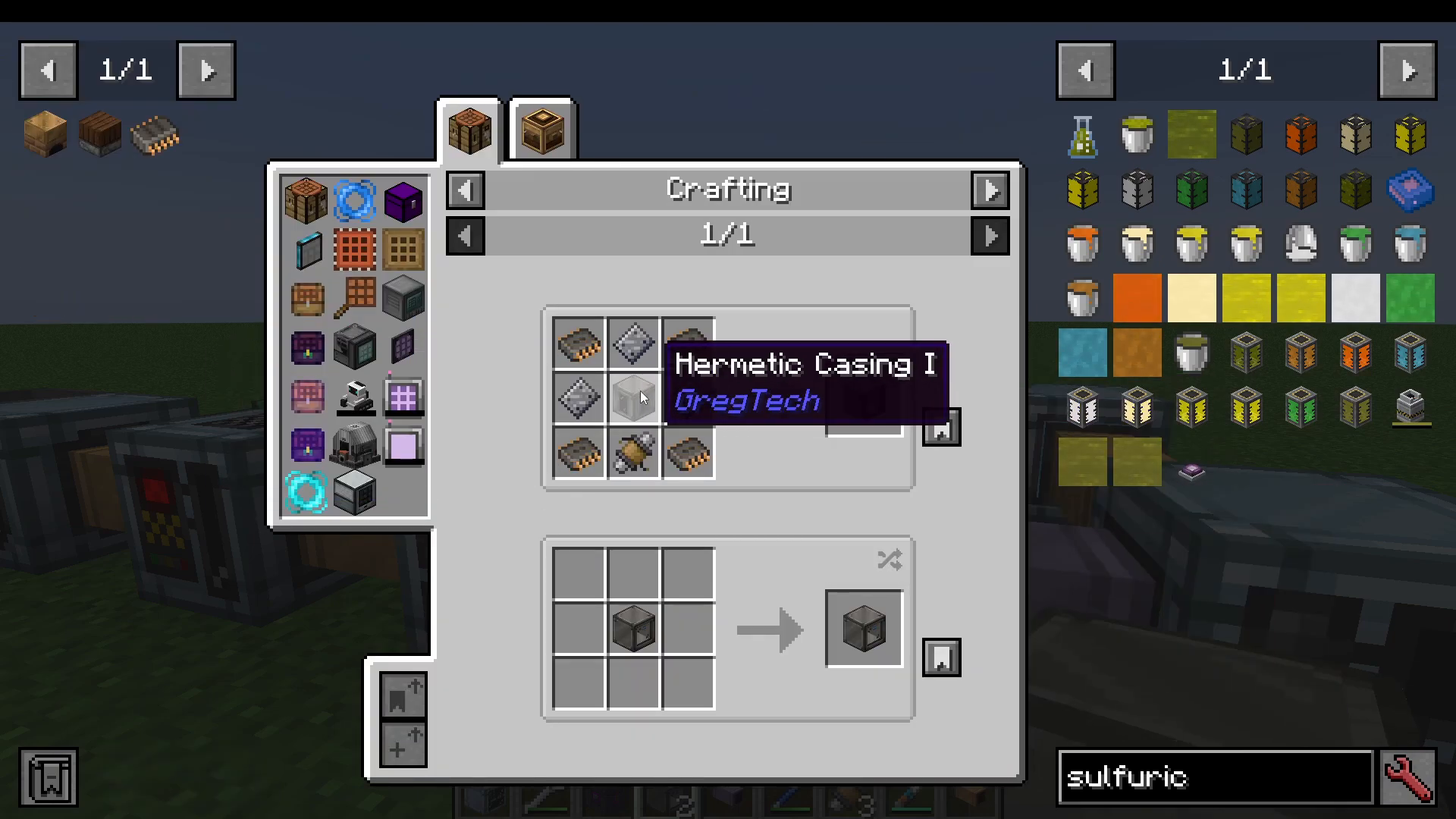
Step 6: Create Ephylene in Advanced Chemical Reactor
In an advanced chemical reactor, combine ephanol with sulfuric acid. This creates ephylene as the main product (which you want) and diluted sulfuric acid as a byproduct (which goes to your Super Tank via the filter system). Ensure your import filter on the chemical reactor is set to only accept ephylene.
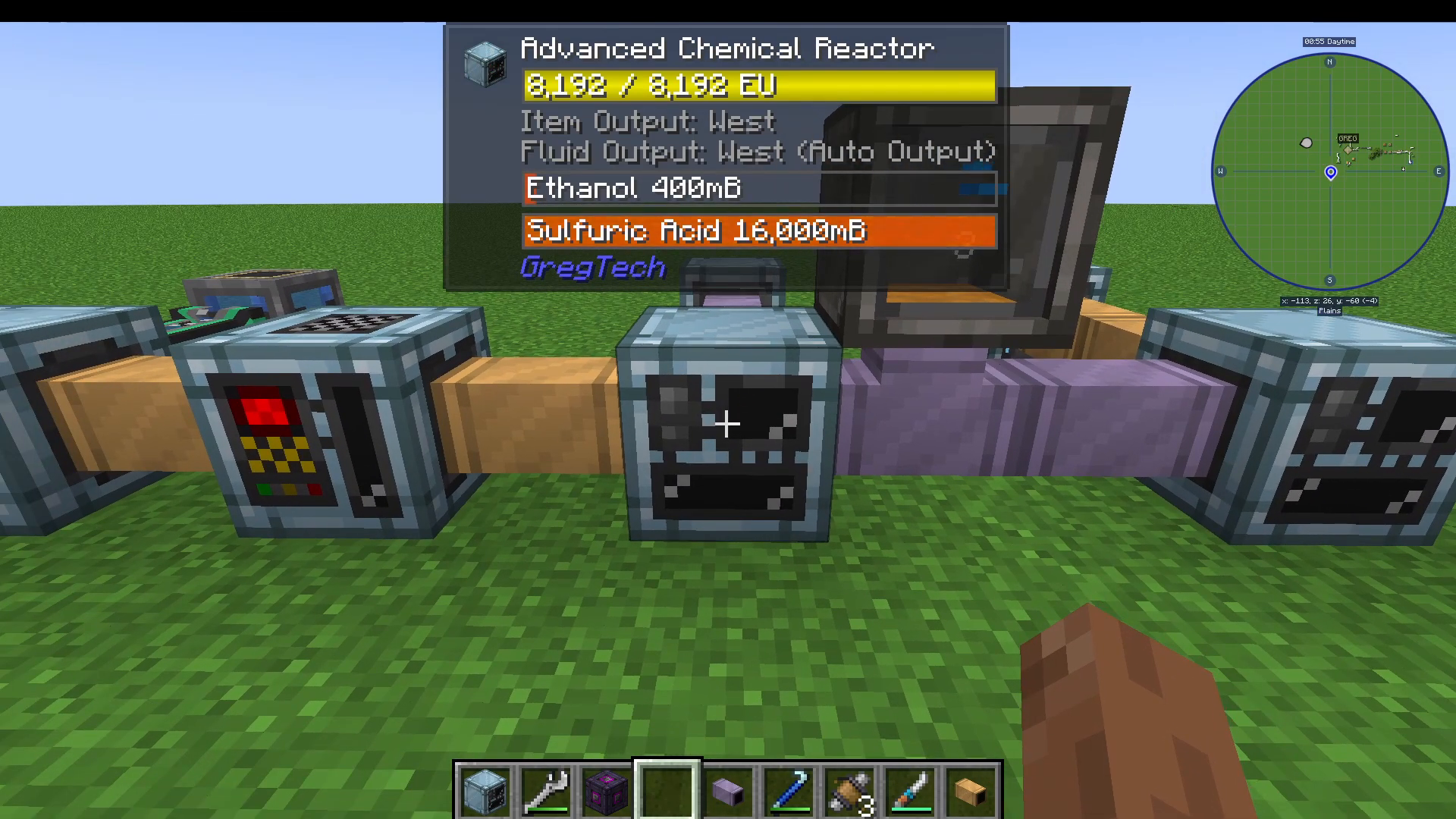
Step 7: Convert Ephylene to Polyethylene
Take the ephylene and put it into another advanced chemical reactor with oxygen gas. The reactor will convert ephylene and oxygen into liquid polyethylene—your final product!
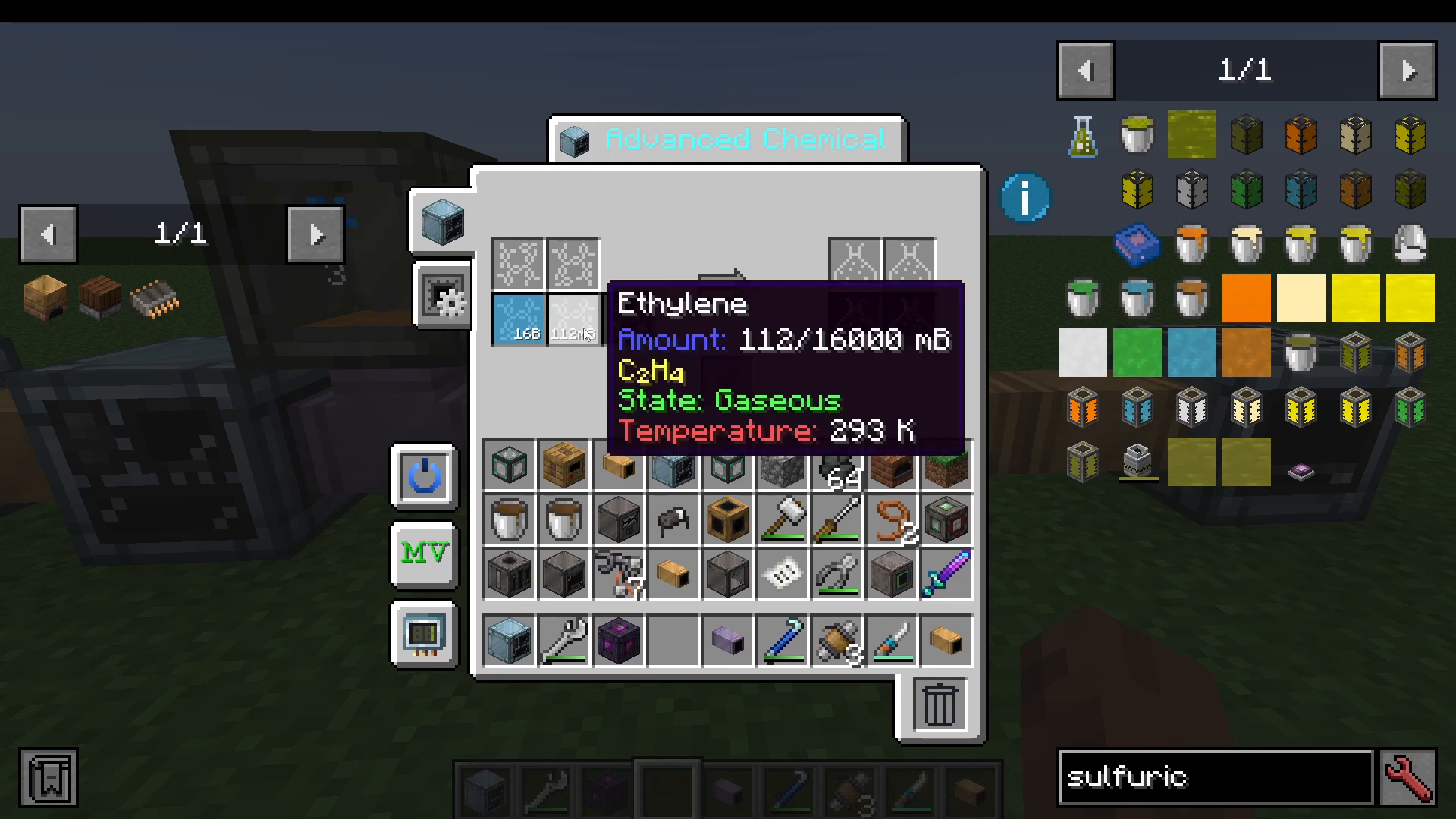
Complete Process Summary
Create biomass in an advanced brewery using potatoes and water
Export biomass to an advanced distillery (circuit 1) to get ephanol and wood pulp
Discard wood pulp and keep ephanol
Create vanadium steel pipes by making vanadium steel dust (chromium + vanadium + steel dust in mixer), then smelting in EBF, then extruding with a medium voltage extruder
Use vanadium steel pipes to transport sulfuric acid from your chemical reactor
Combine ephanol with sulfuric acid in an advanced chemical reactor (produces ephylene + diluted sulfuric acid byproduct)
Immediately filter diluted sulfuric acid into a Super Tank 1 with import filter
Filter ephylene into the next advanced chemical reactor with import filter
In the final advanced chemical reactor, combine ephylene with oxygen gas to create liquid polyethylene
Export liquid polyethylene to your assembler for transistor production
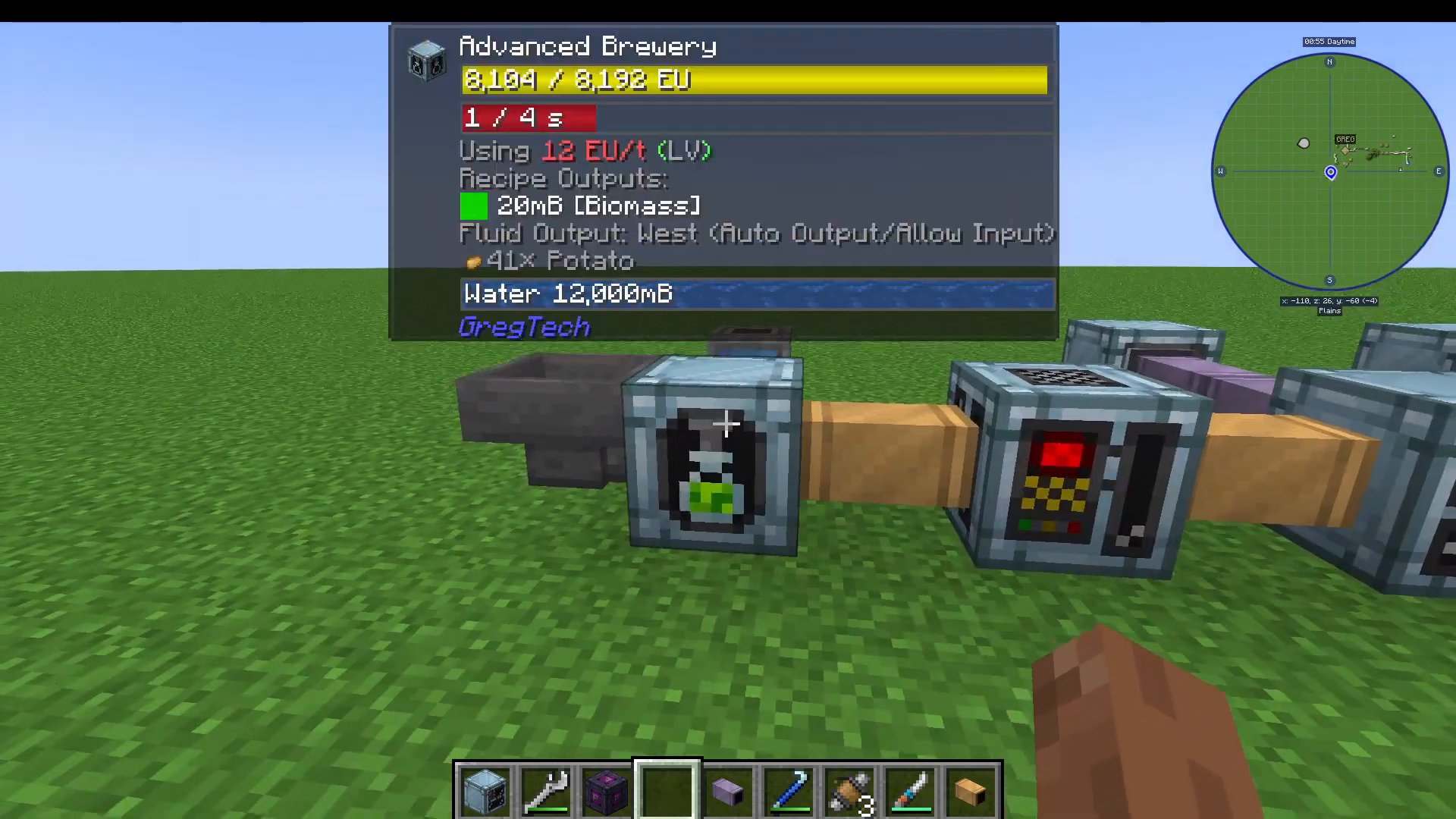
Conclusion
Making liquid polyethylene in Gregtech CEu is complex due to the multiple machines involved and the need to manage the diluted sulfuric acid byproduct. However, by carefully following this process and setting up your filters correctly, you’ll have a reliable supply of liquid polyethylene for your transistor production and advanced integrated circuits. Remember that the key to success is immediately placing the Super Tank for diluted sulfuric acid output to prevent fluid backup in your pipes.
Want to Support?
If you would like to help us continue making these guides – please consider joining our patreon here – https://www.patreon.com/c/JaviHeals
Alternatively – we host a group of MC Servers you can join here – https://discord.gg/zD7Gjt6MHF