


Complete Electricity Tutorial – Electrodynamics Mod
Complete Electricity Tutorial – Electrodynamics Mod
The Electrodynamics mod brings a complex and realistic approach to energy management in Minecraft. Whether you’re new to the mod or looking to master its mechanics, this comprehensive guide will walk you through everything you need to know about electricity, wires, transformers, and power distribution.
Getting Started with the EEC Guide Book
The first step in understanding the Electrodynamics mod is to create the EEC (Electrodynamics Electronic Codex) guide book. This essential item is crafted using a book and copper wire—simply place two copper ingots on top of each other to create the copper wire. Once you have the guide book, you’ll have access to the OLS section, which displays all available ores in the mod along with their spawn heights and Y-levels.
Understanding Metric Prefixes
Before diving into electricity mechanics, it’s important to understand metric prefixes, as they’re used throughout the mod to grade and measure power.
Smaller Prefixes (Fractions)
Milli: 1/1,000
Micro: 1/1,000,000
Nano: 1/1,000,000,000
Pico: 1/1,000,000,000,000
Larger Prefixes (Multiples)
Kilo: 1,000
Mega: 1,000,000
Giga: 1,000,000,000
Terra: 1,000,000,000,000
You’ll see these prefixes used when measuring voltage, wattage, and amperage throughout your gameplay.
The Fundamentals of Power Transfer
Joules and Energy
The Electrodynamics mod uses Joules as the primary unit for powering machines. Energy must be constantly flowing through your systems to function properly.
Voltage and Power Flow
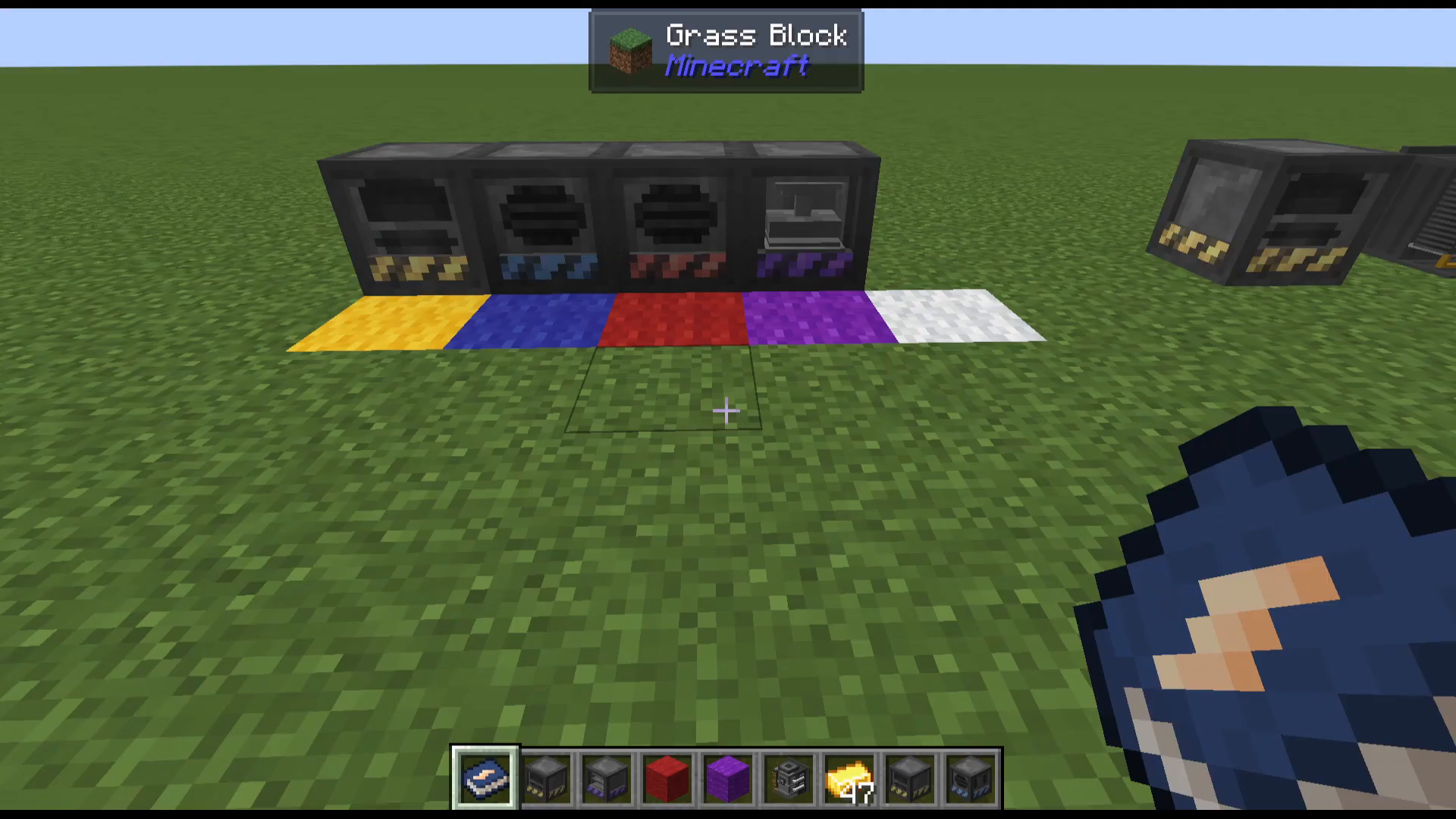
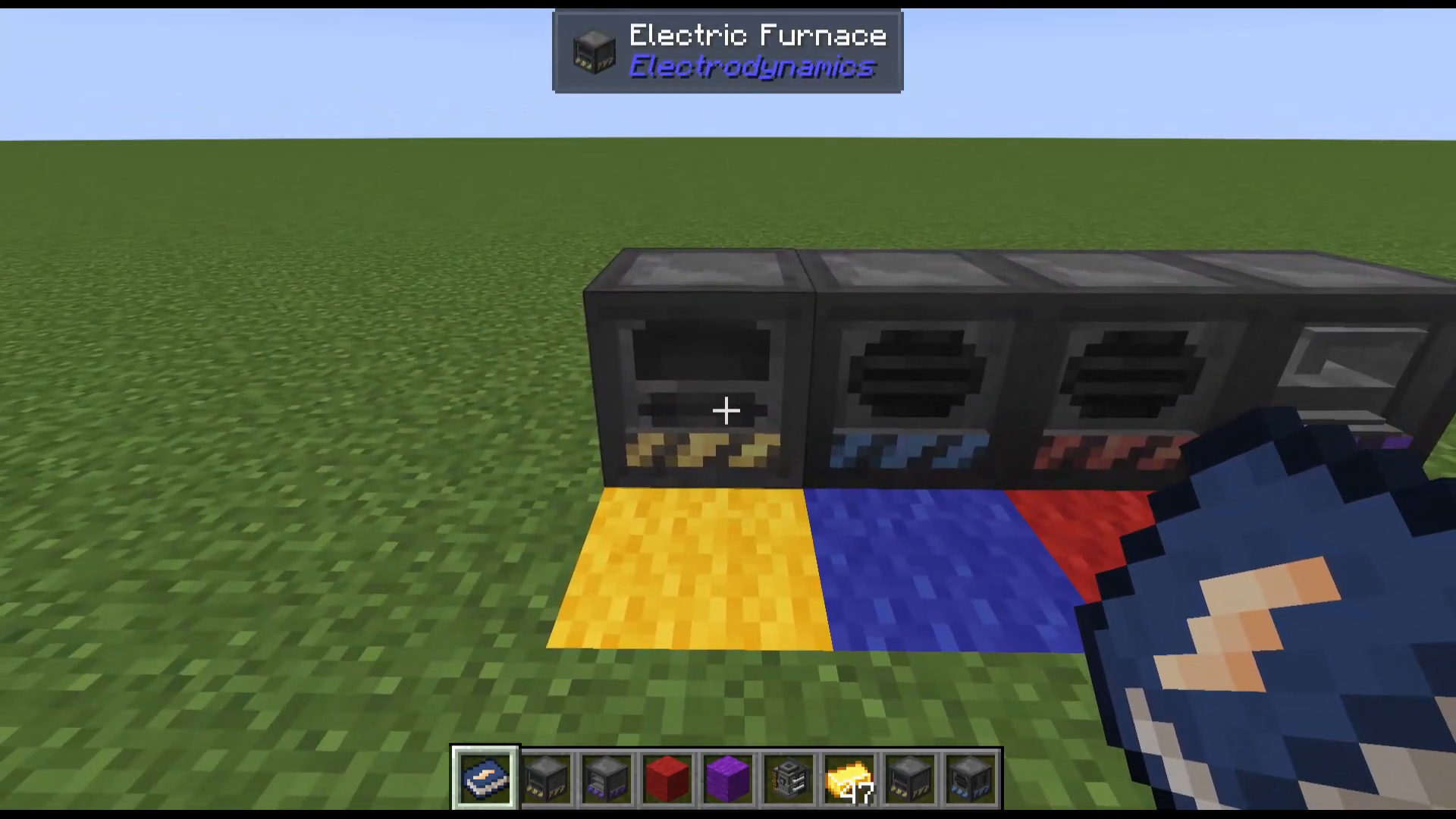
The speed at which electrical energy flows is measured in volts. Voltage represents the tier or level of your machines. Most machines in Electrodynamics are color-coded by their voltage tier:
Yellow: 120 volts
Blue: 240 volts
Red: 480 volts
Purple: 960 volts
White: 1920 volts
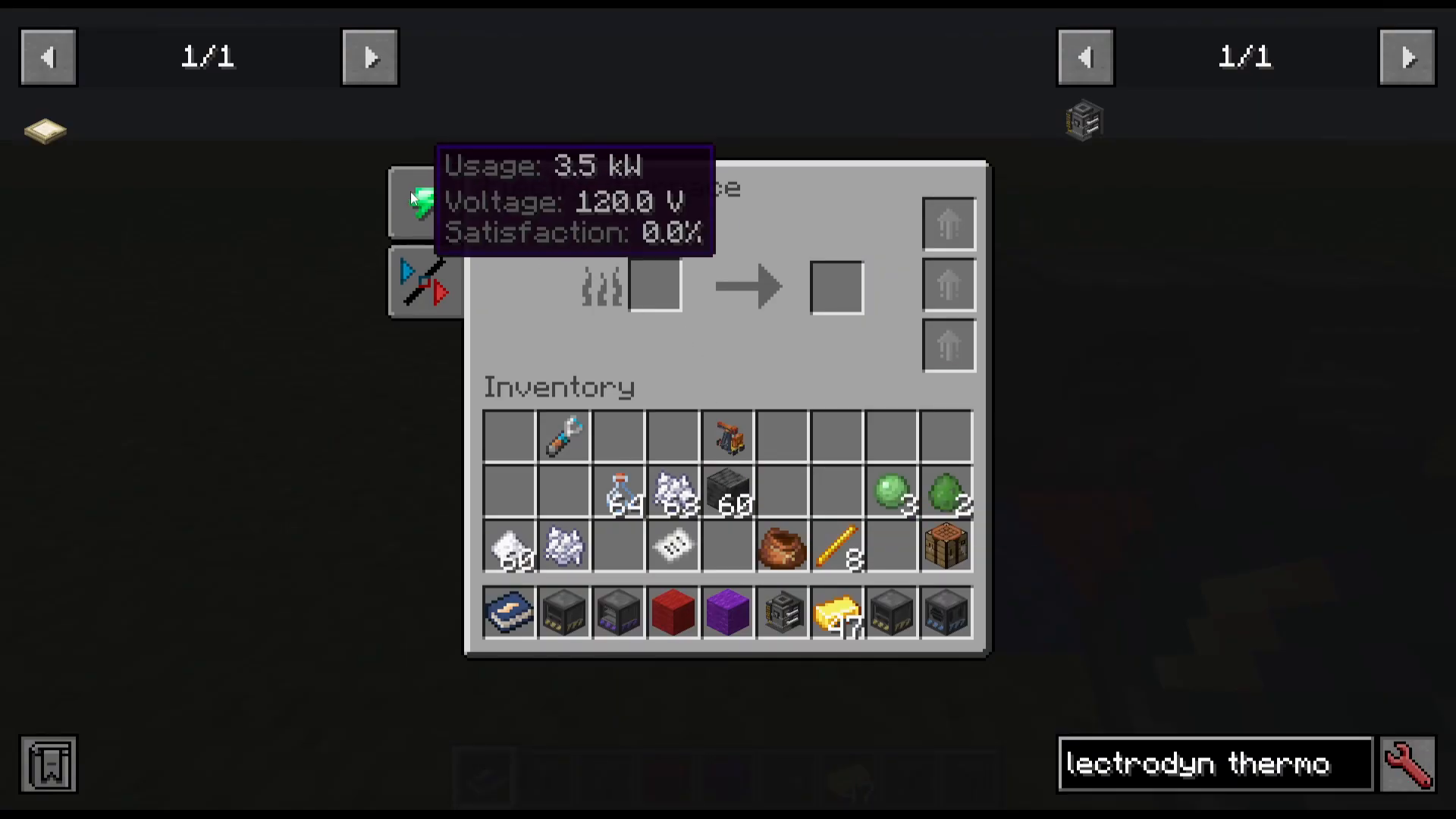
You can verify a machine’s voltage by clicking on it directly or hovering over it in JEI (Just Enough Items), where the voltage rating will be displayed alongside other specifications.
Wattage and Power Consumption
The amount of power being transferred every second is known as power, measured in watts. For example, an electric furnace might use 3.5 kW (3,500 watts). If you supply insufficient voltage to a machine, electricity will flow through it but the machine won’t actually run. Conversely, supplying too much voltage will cause the machine to explode.
Input and Output Ports
All Electrodynamics machines follow a universal color-coding system for power connections:
Red: Power input
Gray: Power output
For example, an electric furnace accepts power at its red input port on the back, while a thermoelectric generator outputs power from its gray port since it generates electricity.
Wire Types and Properties
Available Wire Materials
Wires can be crafted from multiple metals using a wire mill, and most are available from the early game. Available materials include:
Tin
Iron
Copper
Silver
Gold
Superconductive
Insulation Types
Wires come in both insulated and uninsulated variants. Uninsulated wires can shock you, potentially killing you, though you can mitigate some damage with Electrodynamics rubber boots made with insulation.
Two main insulation types exist:
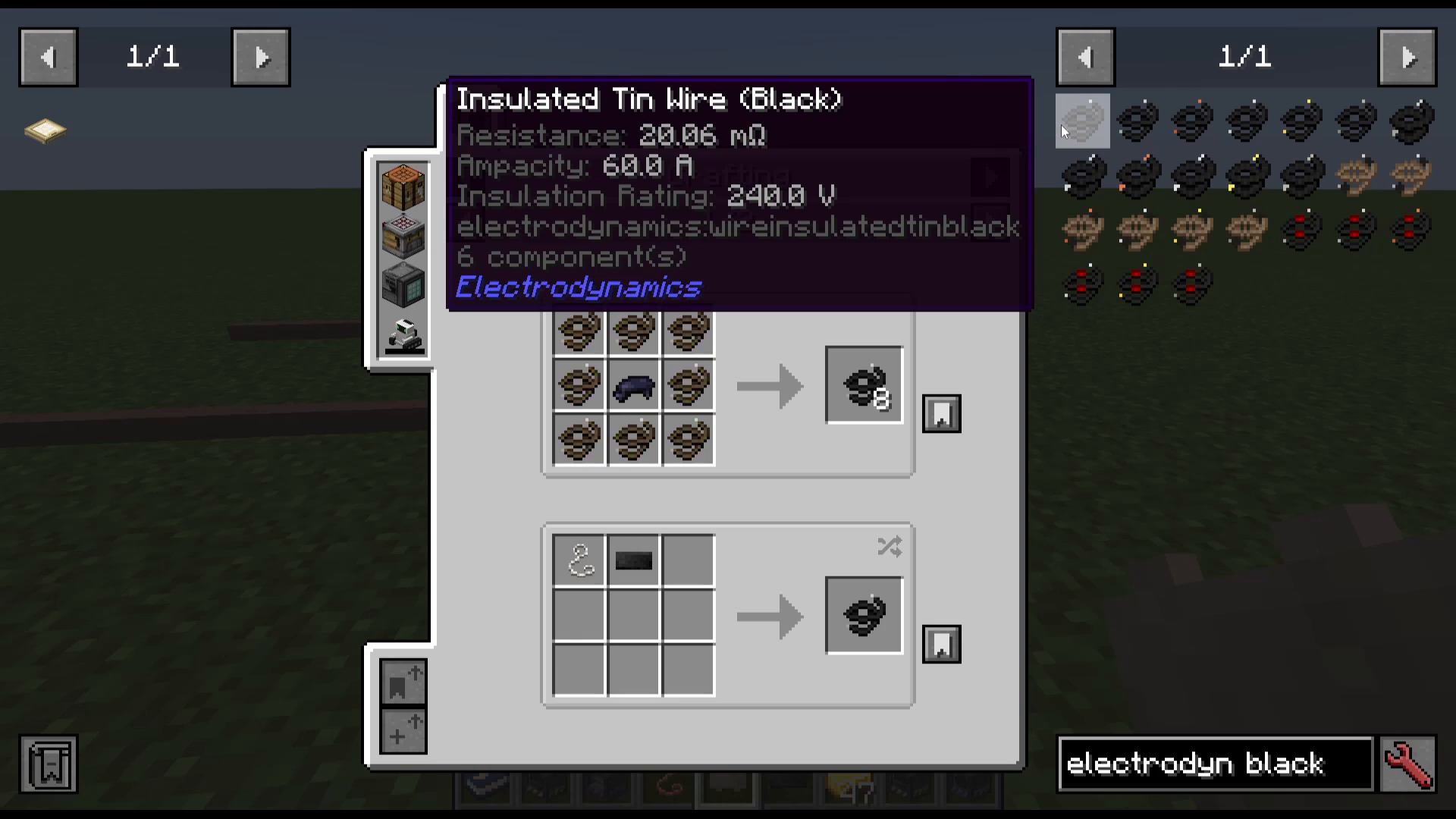
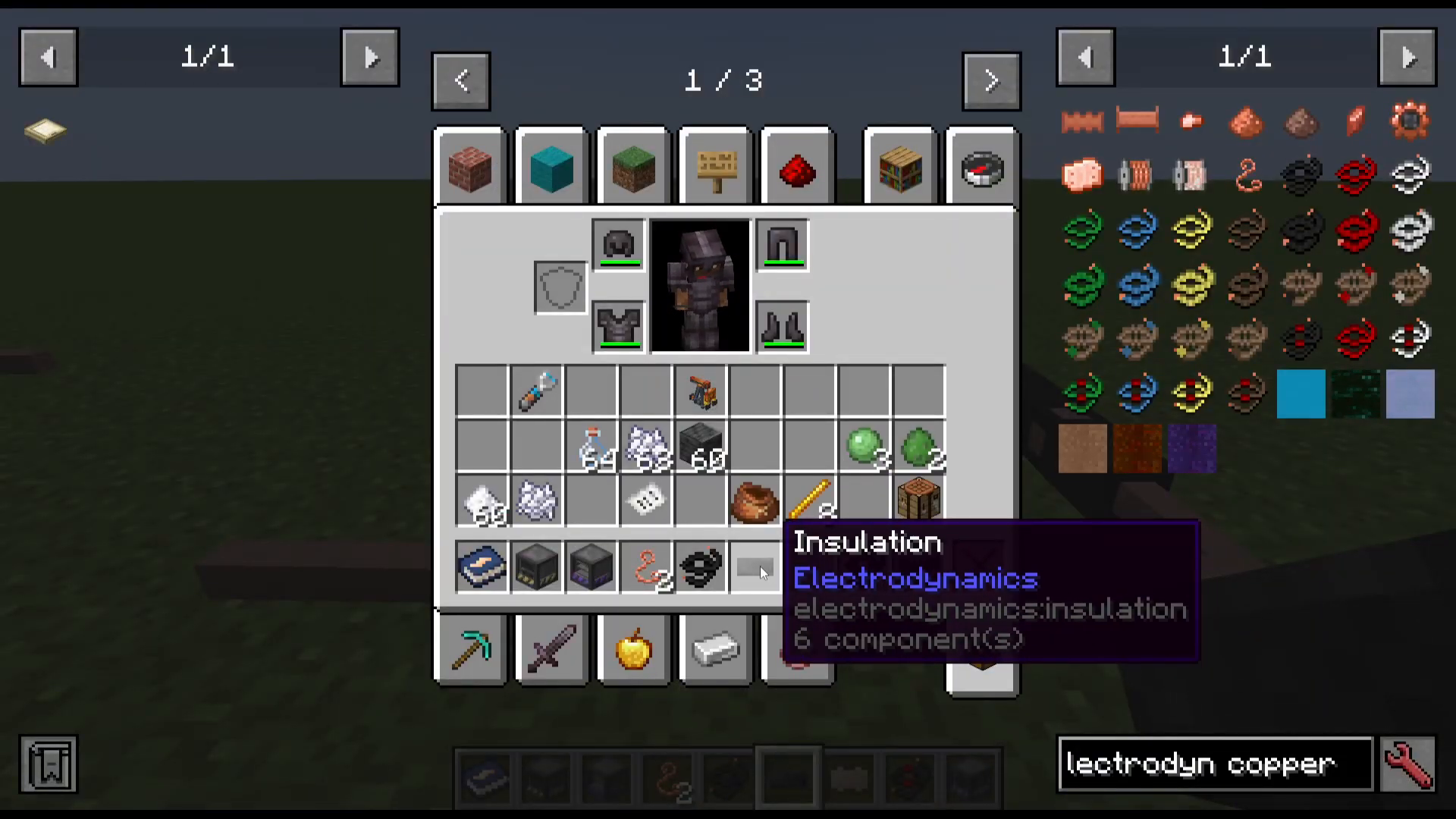
Woolen Insulation: The cheapest option, crafted from wool or leather/buffalo hide. Leather and materials with the leather tag yield 6 insulation per material, while wool yields 1.
Ceramic Insulation: More expensive but fireproof, made from ceramic plates (created by cooking wet ceramic from vanilla materials).
Wire Ratings and Specifications
Each wire type has three critical specifications:
Insulation Rating
This is the maximum voltage a wire can safely handle. If you exceed this voltage, the wire will burn up in 20 Minecraft ticks, giving you a brief window to correct the mistake. Examples include:
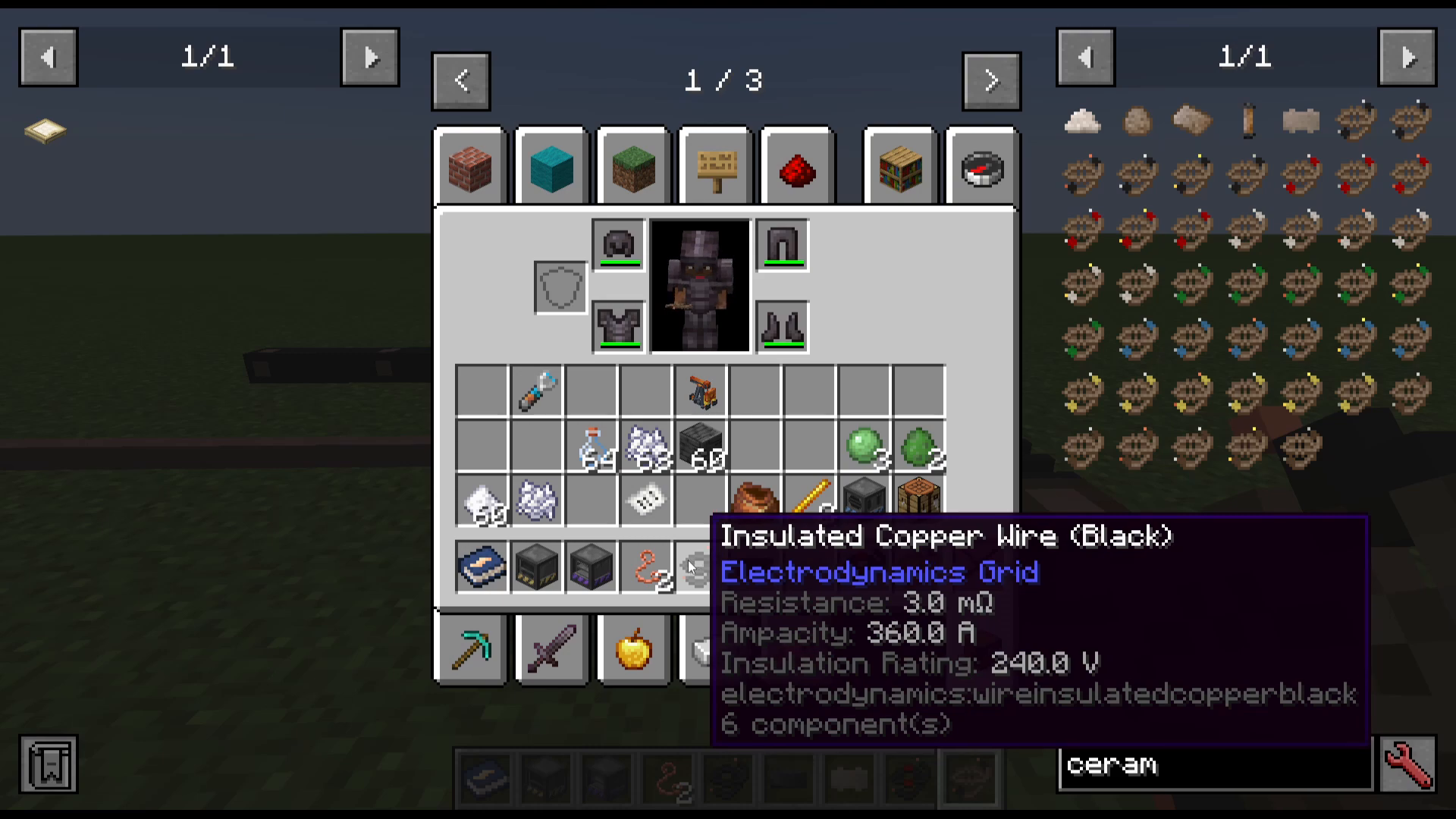
Insulated Copper Wire: 240 volts
Ceramic Copper Wire: 480 volts
Thick Insulated Copper Wire: 960 volts
Resistance
Higher resistance means greater energy loss over distance. The loss is squared, meaning long distances with high-resistance wires result in substantial power loss before reaching your machines. Resistance values by material:
Tin: 20 (very high resistance)
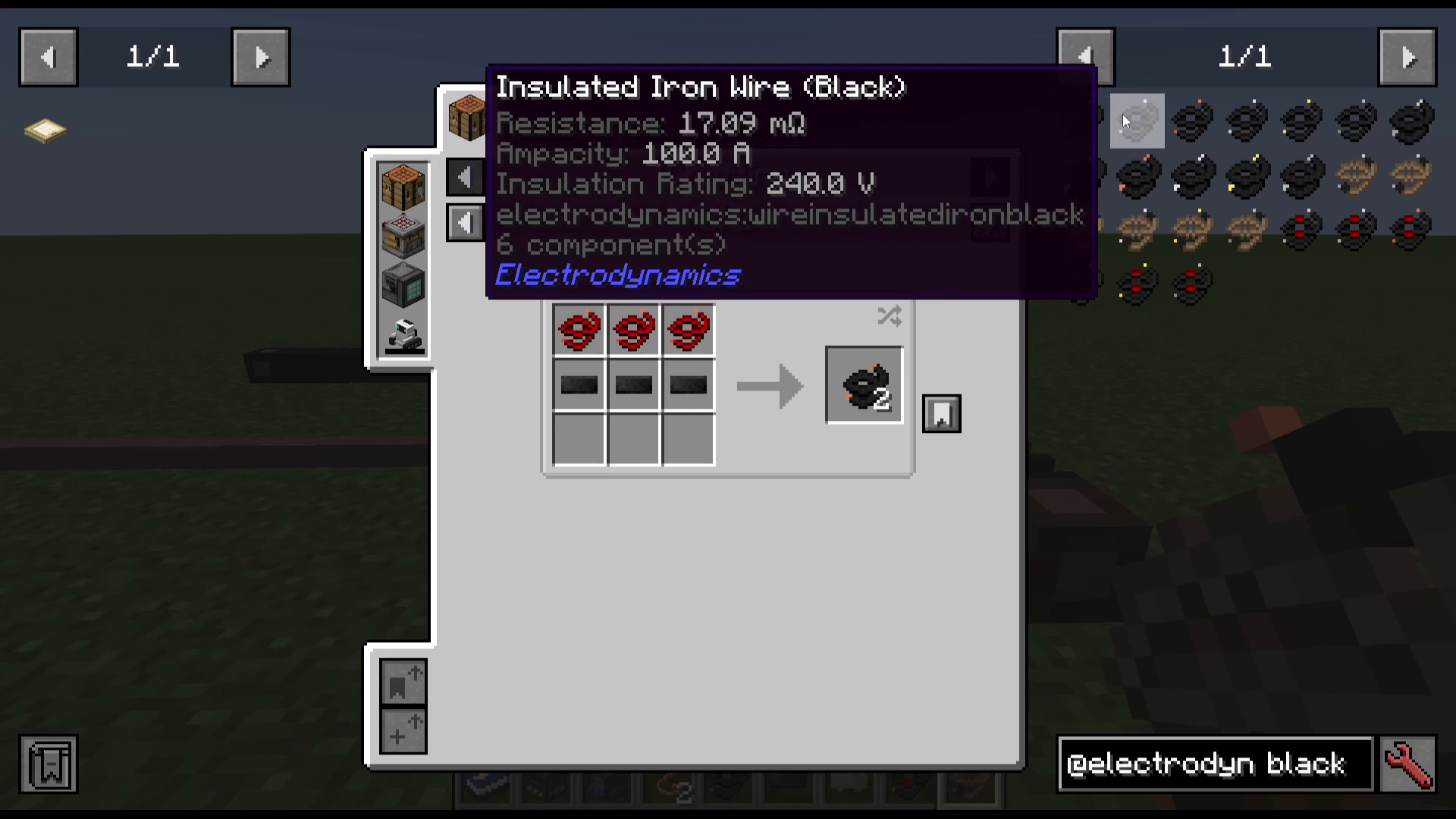
Iron: 17
Copper: 3
Silver: 2.79
Gold: 4
Insulated Superconductive: 0.0 (no power loss)
To craft insulated superconductive wire, you’ll need superconductive ingots, which are made from a superconductive blend containing silver dust, eye dust (created in a mineral grinder), and gold dust. While more complex than basic metals, it’s not excessively difficult to obtain.
Ampacity
Ampacity describes the maximum current (measured in amps) a wire can handle before failing or being destroyed. If current exceeds ampacity, the wire risks permanent damage. The wire can typically withstand overage for 20 ticks before failure. Ampacity by material:
Tin: 60 amps
Copper: 360 amps
Silver: 600 amps
Gold: 1,000 amps
Insulated Superconductive: Infinite ampacity
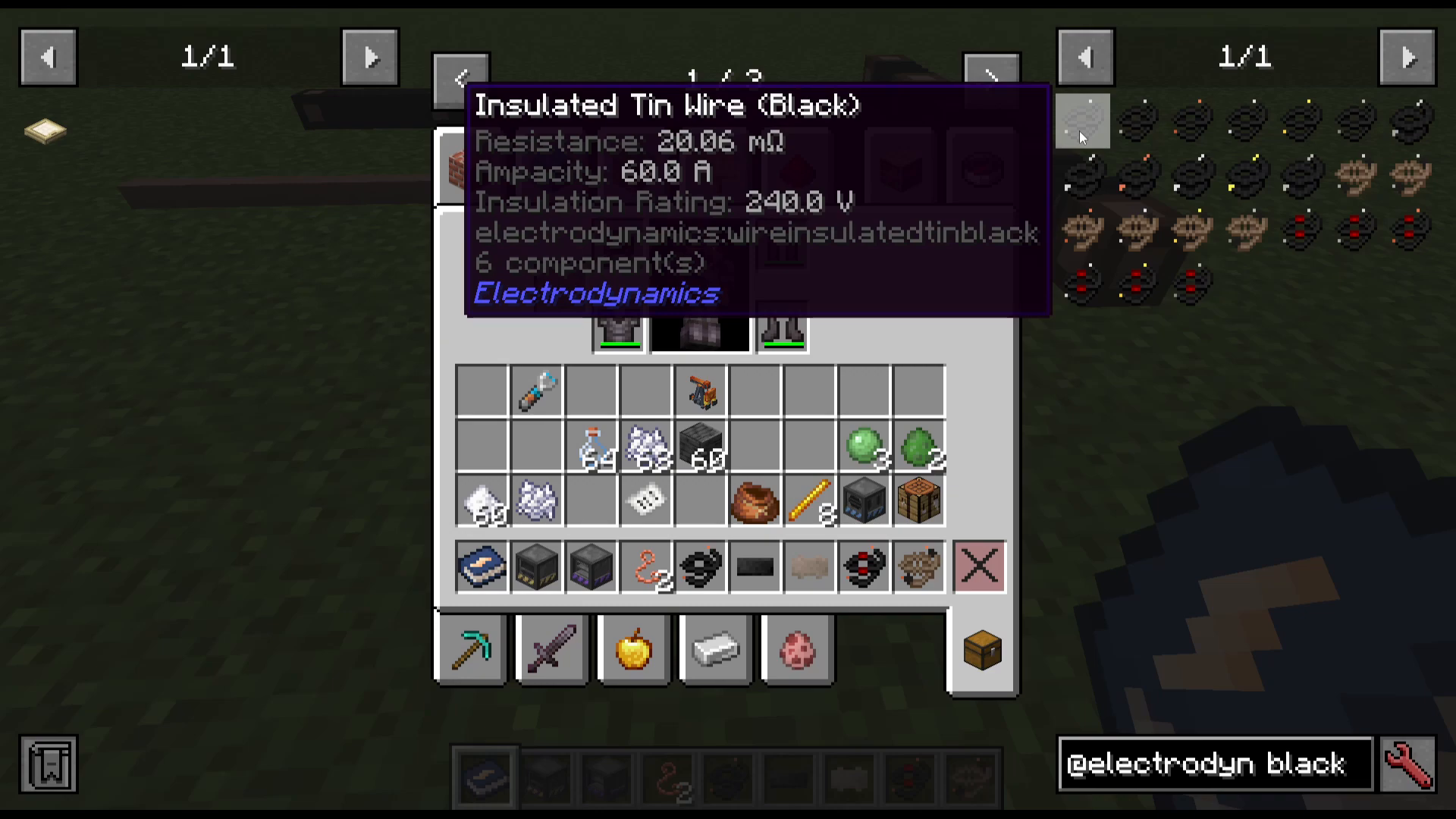
Special Wire Variants
Thick Wires: Created by combining three insulated wires with three more insulation, these are expensive but can handle voltages up to 960 volts.
Logistical Copper Wire: When powered, this wire emits a redstone signal, useful for automation and control systems.
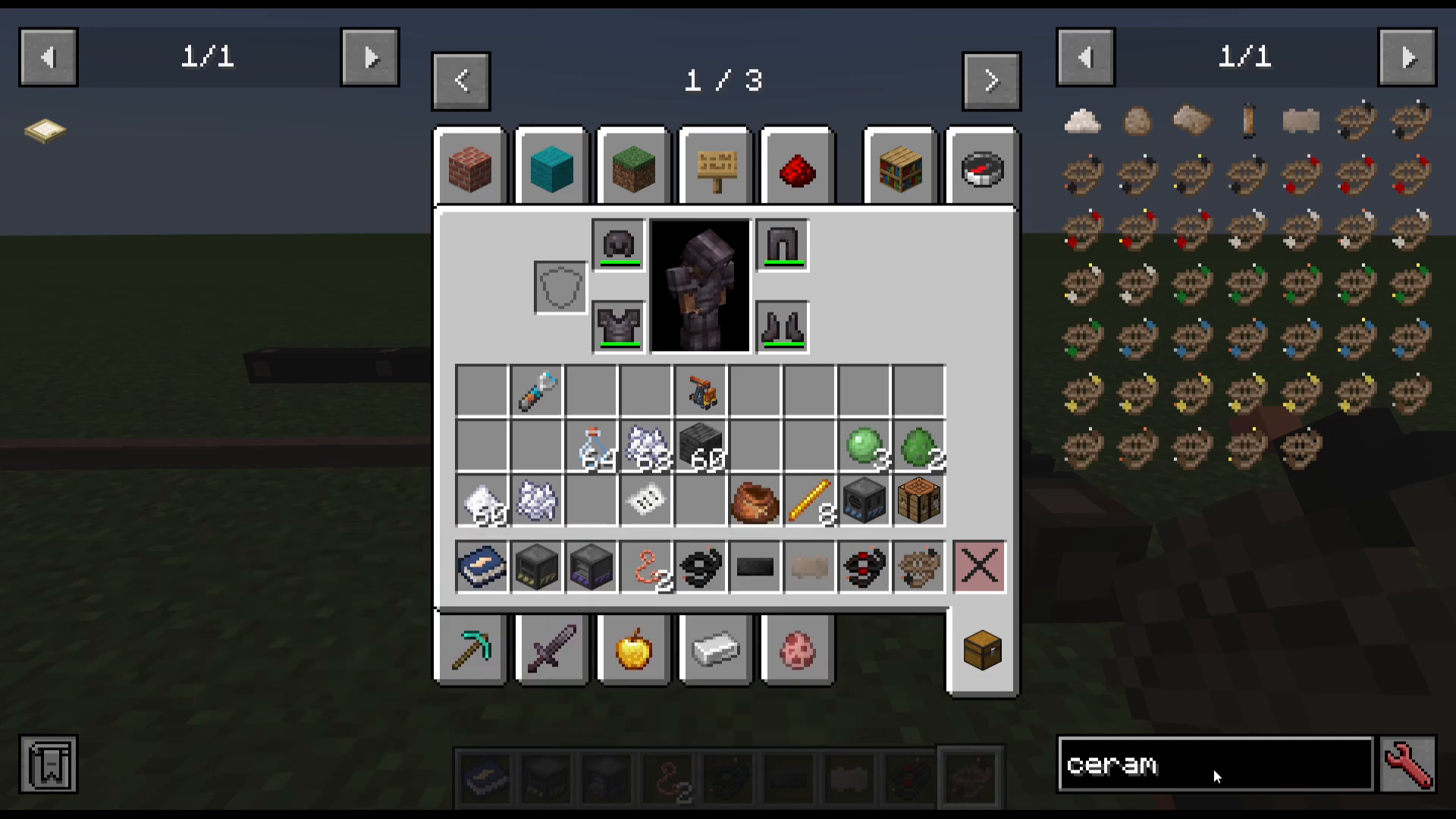
Removing and Dyeing Wires
You can remove insulation from wires using shears (except on ceramic wires) to change their configuration in the field. Wires can also be dyed different colors; dyed wires won’t connect to each other, allowing you to run multiple separate networks through the same space.
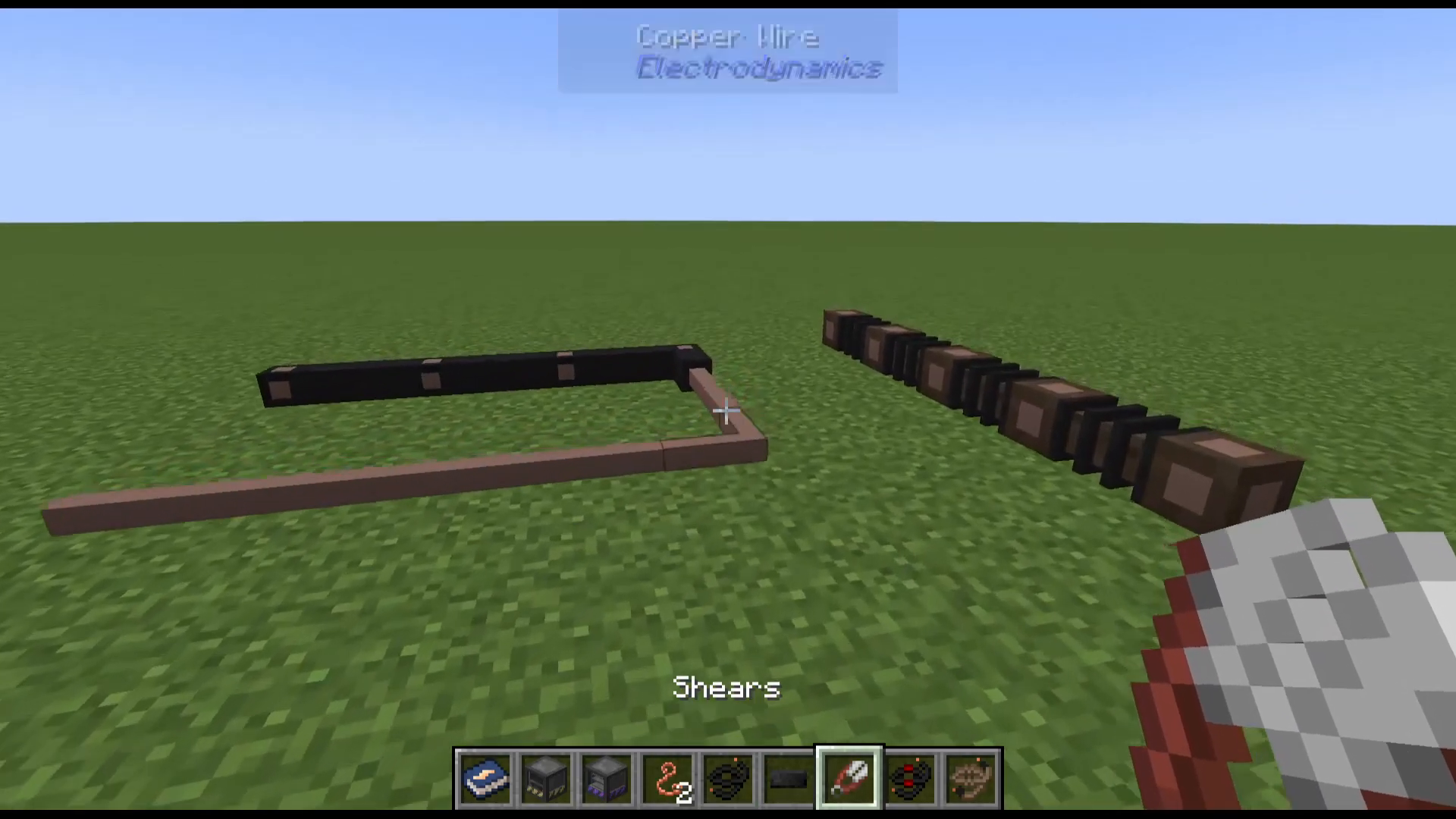
Transformers and Voltage Conversion
Upgrade and Downgrade Transformers
Transformers allow you to convert power between voltage tiers. An upgrade transformer takes power from a lower voltage tier (such as 120V) and steps it up to the next tier (240V), outputting from its gray port. Conversely, a downgrade transformer steps voltage down to a lower tier. This is essential when combining Electrodynamics machines with other mod’s forge energy devices, which the mod assumes operate at 120 volts.
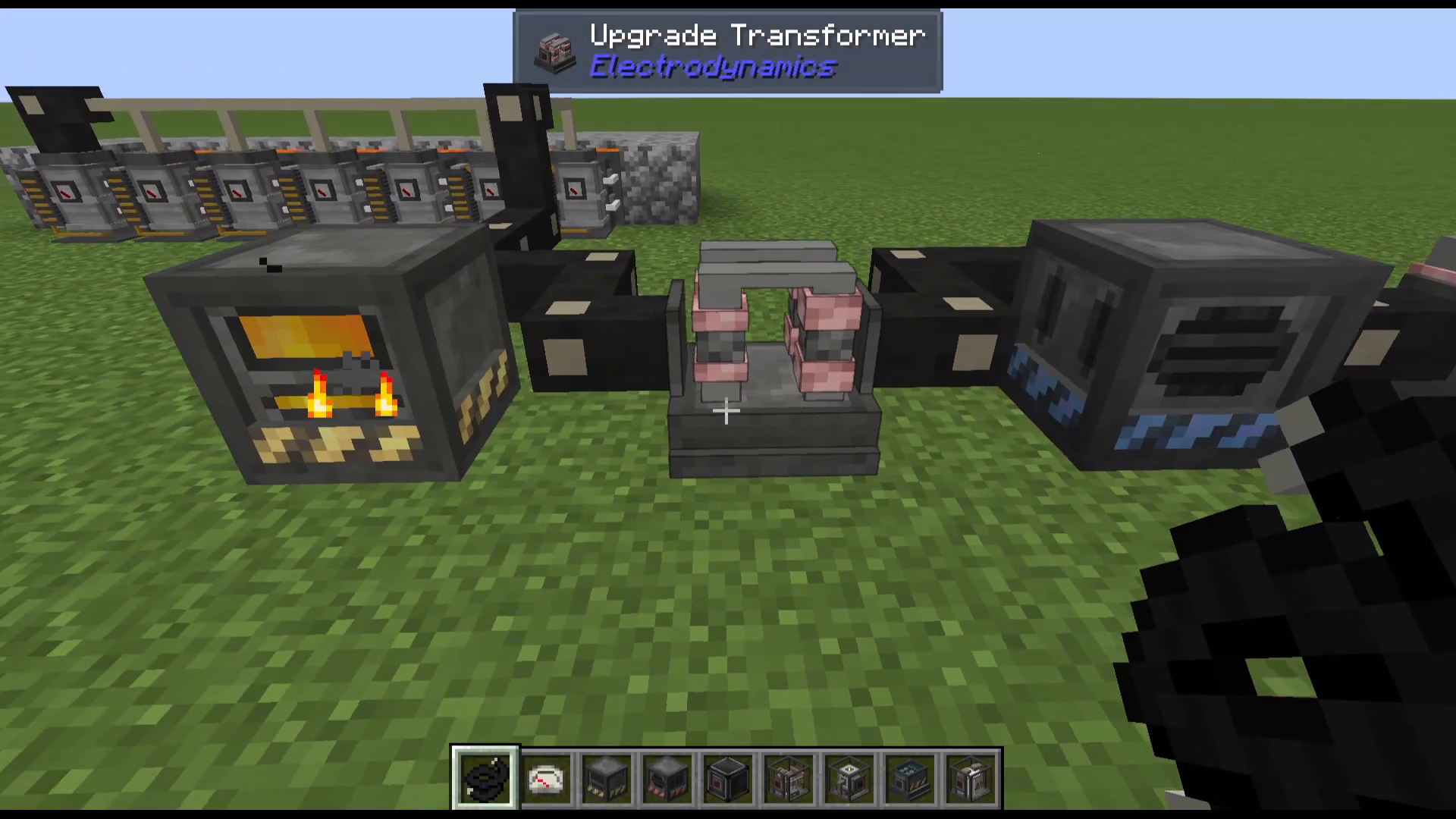
For complex setups, there are Mark II transformers that use a formula-based system, but for most beginners, the standard upgrade and downgrade transformers are recommended to keep things simple.
Diagnostic Tools and Safety Systems
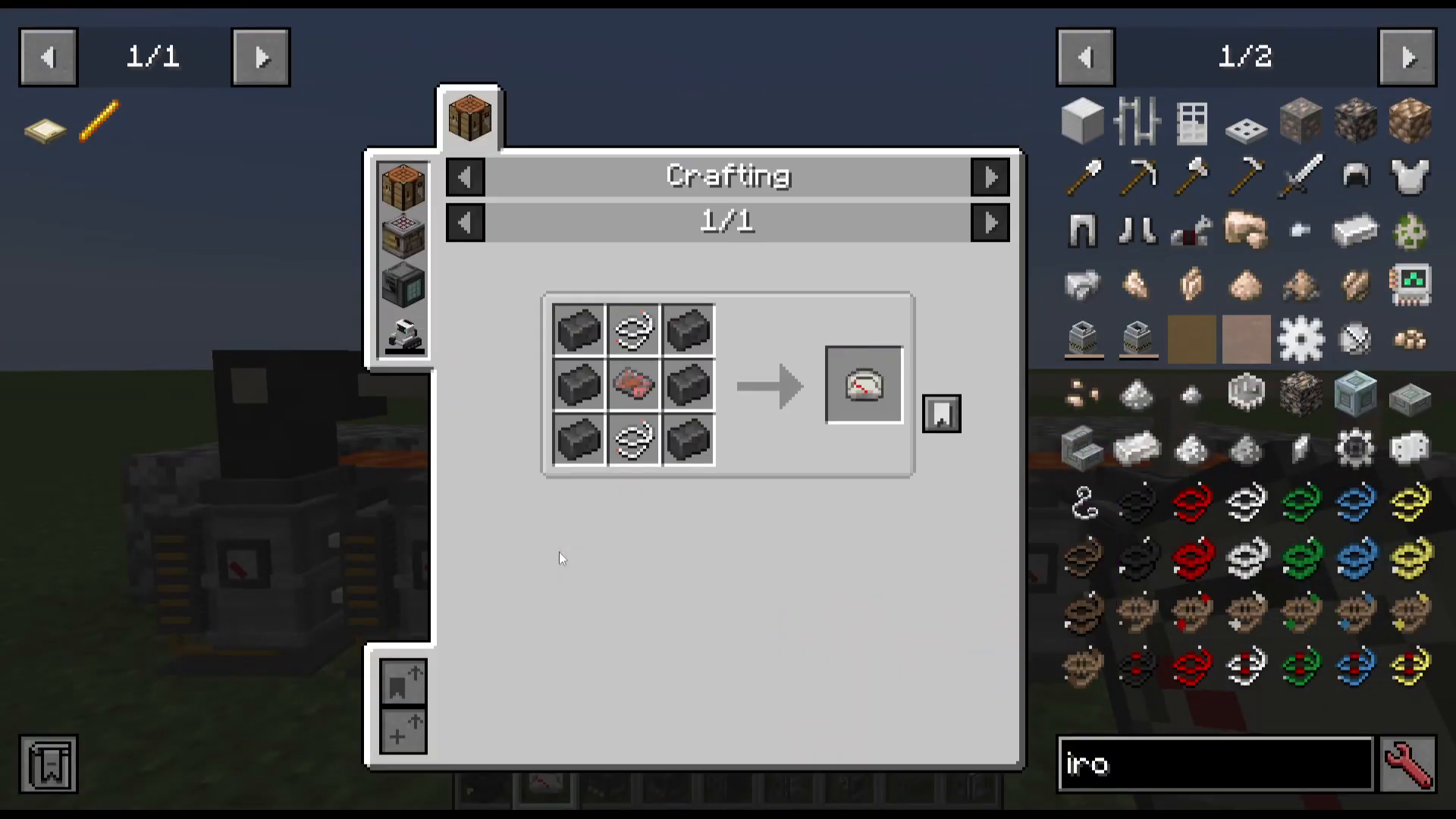
Multimeter
Multimeters come in both block and handheld forms. These tools are invaluable for diagnosing electrical issues. When used on a wire, they display:
Current (amps) flowing through the wire
Maximum ampacity the wire can handle
Voltage
Power output (in watts or kilowatts)
By checking different points in your system with a multimeter, you can quickly identify where power loss or supply issues occur.
Relay
A relay machine can stop electricity flow through it when a redstone signal is applied, functioning as a switch.
Circuit Breaker
The circuit breaker acts like a fuse in your house. If it detects dangerous voltage or amperage levels that could destroy machines, it automatically cuts the circuit to prevent damage.
Current Regulator
This device regulates the amount of current flowing through your system.
Circuit Monitor
While highly complex and beyond the scope of this basic guide, the circuit monitor is covered in detail in the mod’s guidebook for advanced setups.
Practical Example: Power Flow
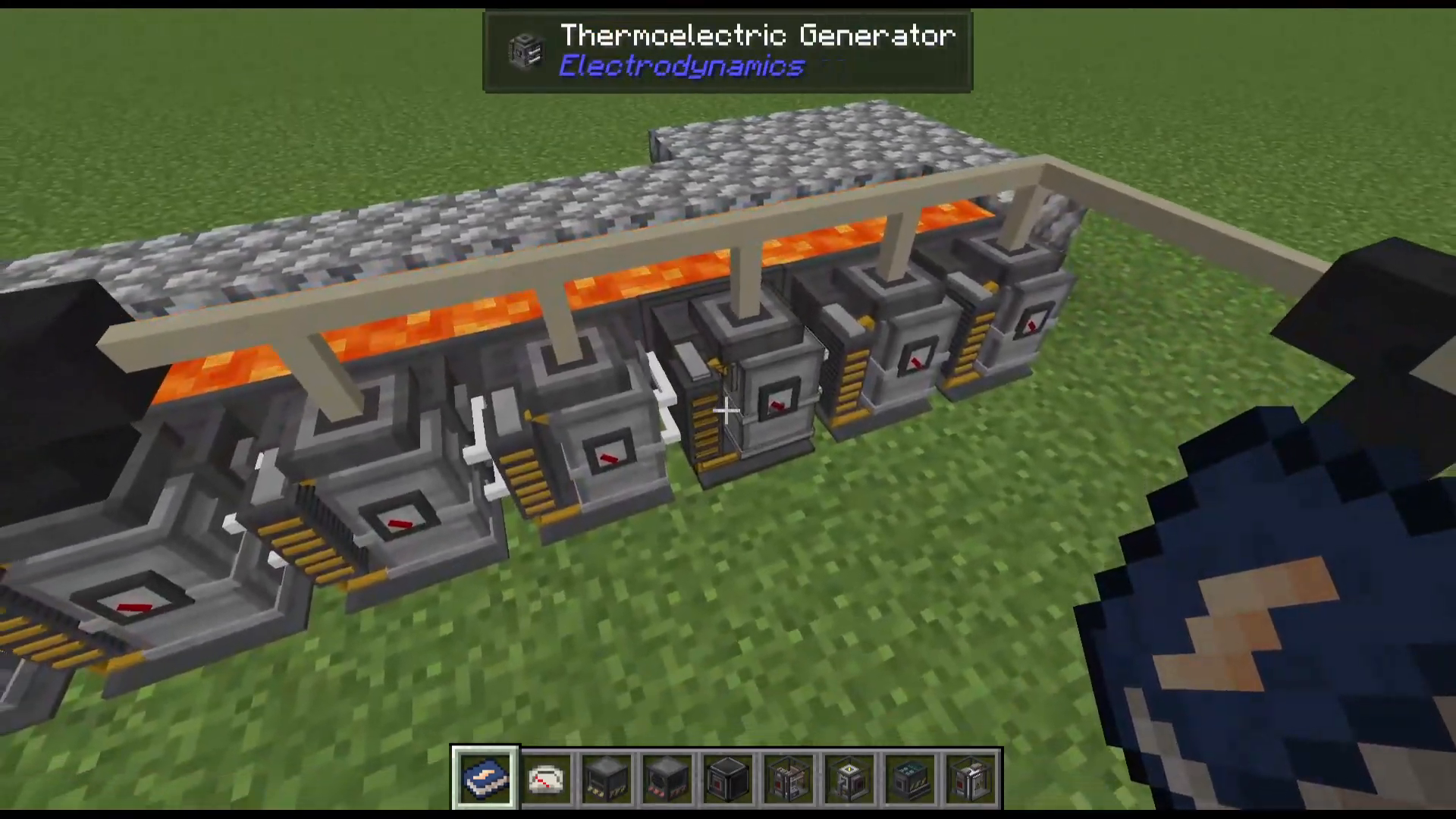
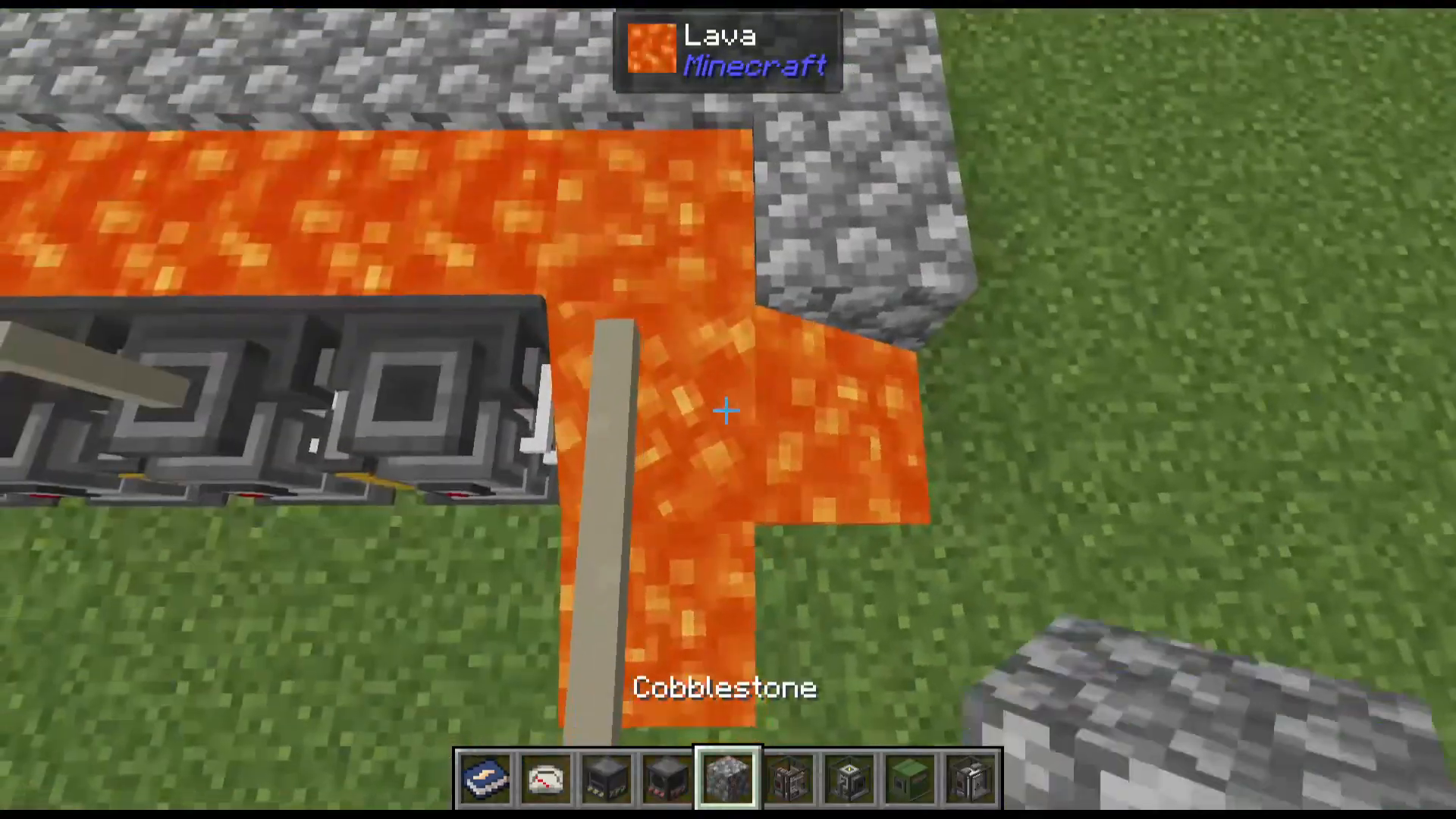
Consider a simple setup using thermoelectric generators powered by lava to supply power to an electric furnace:
Thermoelectric generators produce 540 watts at base 120V
An electric furnace at 120V uses 3.5 kW (3,500 watts)
You would need approximately 7 thermoelectric generators to fully power one electric furnace
All generators run at the same voltage (120V), so voltage doesn’t increase—only amperage does
If you upgrade to a double electric furnace requiring 240V, use an upgrade transformer to step up the voltage without increasing it further
Compatibility with Other Mods (Forge Energy)
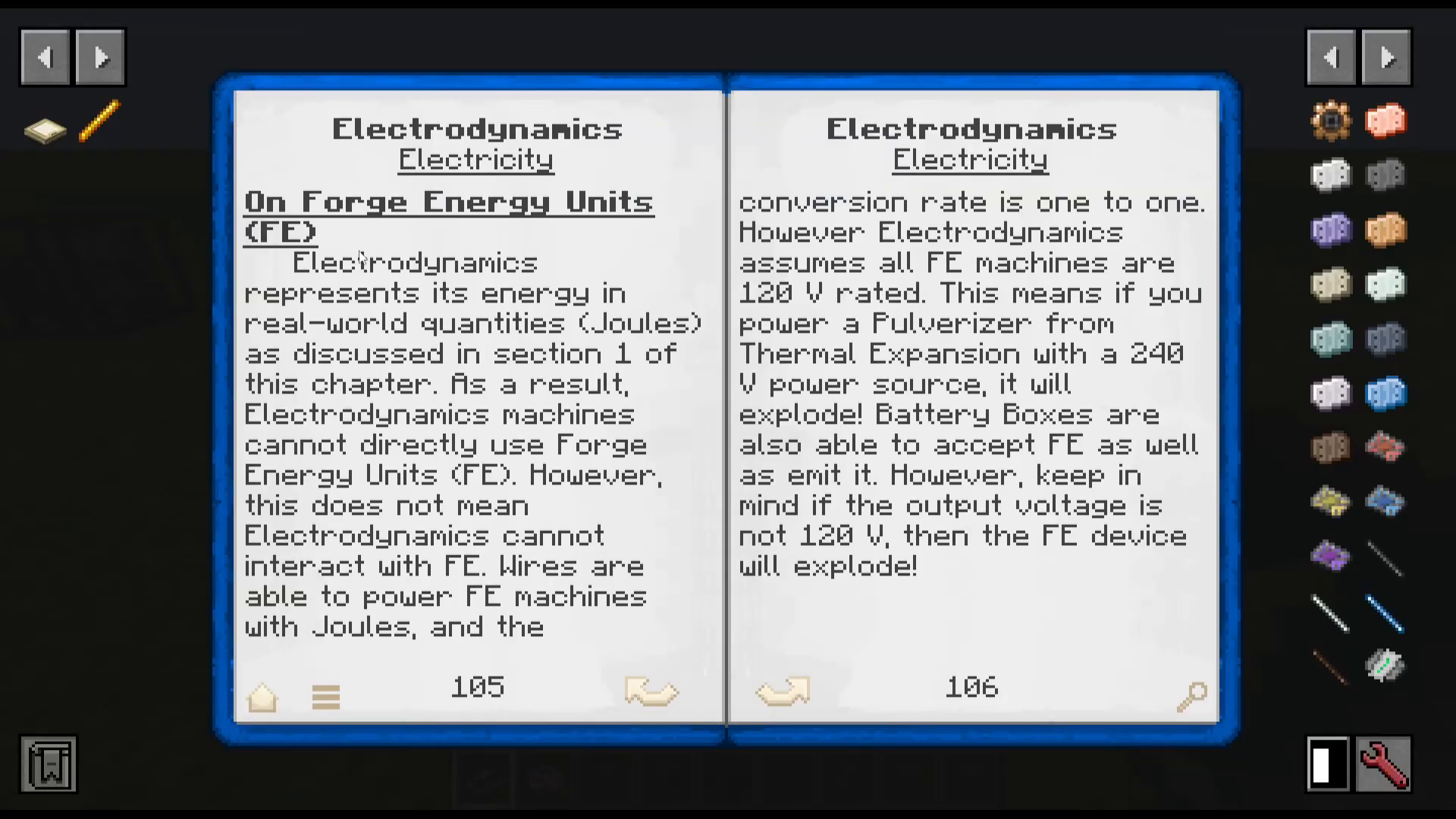
Electrodynamics machines use Joules internally and don’t directly use forge energy. However, they can interact with forge energy devices by assuming all forge energy machines operate at 120 volts (the lowest tier). If you power a forge energy machine with a higher voltage source, it will explode.
To safely integrate forge energy devices:
Use a downgrade transformer to step all power down to 120 volts before connecting to forge energy machines
Battery boxes from Electrodynamics can accept forge energy, but ensure the output voltage is 120V to prevent explosions
Quick Reference Summary
Energy Usage: The total amount of energy being produced or consumed, measured in watts (W) or kilowatts (kW).
Voltage Tiers: Yellow (120V), Blue (240V), Red (480V), Purple (960V), and White (1920V). Machines operate at specific voltage levels and will malfunction or explode if given incorrect voltage.
Power Ports: Red = input, Gray = output. This is universal across all Electrodynamics machines.
Wire Selection: Choose based on your needs—copper is a solid all-around choice for early-game, while superconductive offers zero resistance but requires more complex materials. Ceramic wires are fireproof but more expensive.
Resistance: Higher resistance equals more energy loss over distance. Consider using better materials for long-distance transmission.
Ampacity: The maximum current your wire can handle. Superconductive wires have infinite ampacity, making them ideal for high-power systems.
Conclusion
You now have all the foundational knowledge needed to build and manage electrical systems in the Electrodynamics mod. Start with simple copper wires and basic machines, then gradually upgrade to more advanced materials and voltage tiers as you progress. Use the multimeter liberally to diagnose issues, and don’t hesitate to reference the EEC guide book for additional details on specific components. Remember: voltage determines machine compatibility, amperage determines wire thickness, and resistance determines energy loss—master these three concepts and you’ll successfully power any setup.
— Want to Support? —
If you would like to help us continue making these guides – please consider joining our patreon here – https://www.patreon.com/c/JaviHeals
Alternatively – we host a group of MC Servers you can join here – https://discord.gg/zD7Gjt6MHF